
The passing of any public figure invariably sparks public interest, not just in the fact of their death, but often in the circumstances surrounding it. For those who have cultivated a recognizable personal brand over decades, the information surrounding their demise becomes an indelible part of their legacy. In the case of Amanda Blake, an iconic figure beloved for her role as Miss Kitty Russell on the long-running television series Gunsmoke, her death in 1989 raised questions that touched upon the nature of celebrity branding, media narrative control, and the delicate balance between public curiosity and personal privacy.
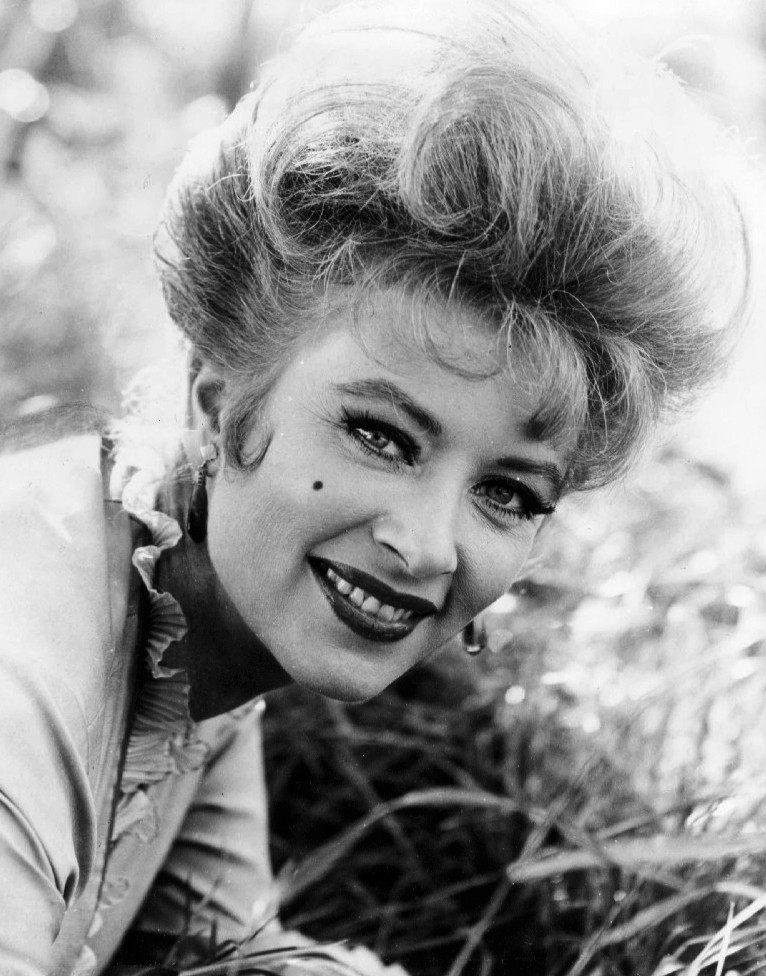
Amanda Blake passed away on August 16, 1989, at the age of 60. The initial public announcements and widespread media reports at the time often cited cancer, specifically throat cancer, as the cause of her death. This narrative was largely accepted by the public, given her history as a heavy smoker and her prior battle with oral cancer in the early 1970s, which she openly discussed and became an advocate for the American Cancer Society. However, the true medical cause, as later confirmed by her physician, was complications arising from AIDS. Specifically, Kaposi’s sarcoma and hepatic failure, associated with HIV/AIDS, were identified. This divergence between the initially reported cause and the later disclosed truth highlights significant considerations in how a public figure’s brand narrative is shaped, both in life and in death.
The Factual Inquiry and Its Brand Implications
Understanding the actual cause of a public figure’s death is not merely a morbid curiosity; it often has profound implications for their personal brand, how they are remembered, and even how their work is re-evaluated. For Amanda Blake, the discrepancy in reporting her cause of death speaks volumes about the societal context of the late 1980s, particularly the stigma associated with AIDS, and how such factors can influence public narratives around celebrity health and mortality.
Unpacking a Public Figure’s Passing
When a figure like Amanda Blake, who embodied strength and independence on screen for two decades, dies, the circumstances of her passing inevitably become interwoven with her established personal brand. Her persona as Miss Kitty was synonymous with resilience, elegance, and a certain forthrightness. The initial framing of her death due to cancer, a widely understood and often publicly sympathized illness, aligned more comfortably with a conventional narrative for a beloved public figure, especially given her prior advocacy.
From a branding perspective, the immediate aftermath of a celebrity’s death is a critical period where the final chapters of their public story are often written. For estates and brand managers, the goal is often to honor the deceased’s image, preserve their legacy, and manage public perception in a way that aligns with their enduring brand values. The absence of immediate, transparent disclosure about the true cause of Blake’s death suggests a complex decision-making process, likely influenced by the prevailing social attitudes towards AIDS at the time. This decision, whether made by her family, representatives, or simply emerging from the media landscape, inherently shaped the initial public memory of her final moments.
Initial Narratives vs. Evolving Truths
The initial reporting of Blake’s death from cancer served to complete a narrative that was already partially formed by her public health battles. This was a “safe” narrative, easily understood and less likely to provoke discomfort or judgment in a public still grappling with the AIDS crisis. However, the subsequent revelation that she died from AIDS-related complications introduced a layer of complexity to her posthumous brand.
This evolution in the narrative forces a re-evaluation of her life and persona through a new lens. For her brand, this meant moving from a story of a courageous cancer survivor to one that also encompasses the realities of the AIDS epidemic. This shift, while initially potentially unsettling to some who held a simplified image, ultimately contributed to a more nuanced and, arguably, more authentic understanding of her as a human being facing difficult circumstances in a challenging era. It underscores how the truth, even when delayed, can ultimately reshape and deepen a public figure’s brand, fostering a more robust legacy rooted in reality.
Legacy Preservation in the Wake of Loss
The preservation of a celebrity’s legacy is a core component of posthumous branding. For Amanda Blake, the initial narrative surrounding her death and its subsequent clarification presented unique challenges and opportunities for how her enduring image would be managed and perceived.
Curating Posthumous Personal Branding
The task of curating a deceased public figure’s personal brand involves careful consideration of their life’s work, their values, and how these elements can continue to resonate with the public. For Blake, her significant contribution to television through Gunsmoke was undeniable. The show itself is a cultural touchstone, and her character, Miss Kitty, remains iconic. The revelation of her true cause of death, while initially sensitive, ultimately added a layer of humanizing vulnerability and, for some, a connection to a significant historical health crisis.
Posthumous branding efforts often aim to control or guide the public conversation. In Blake’s case, the eventual disclosure of her AIDS diagnosis, though not from her direct announcement, opened pathways for her to be remembered not just as an actress, but also as someone who, albeit indirectly, touched upon the social realities of the late 20th century. This transition from a simplified public story to a more complex, truthful one allowed for her brand to evolve beyond the immediate context of her career, integrating a deeper, albeit tragic, personal dimension. This kind of authentic truth, while challenging to manage initially, can ultimately strengthen a brand’s long-term resonance by making it more relatable and historically significant.
The Role of Media and Public Perception
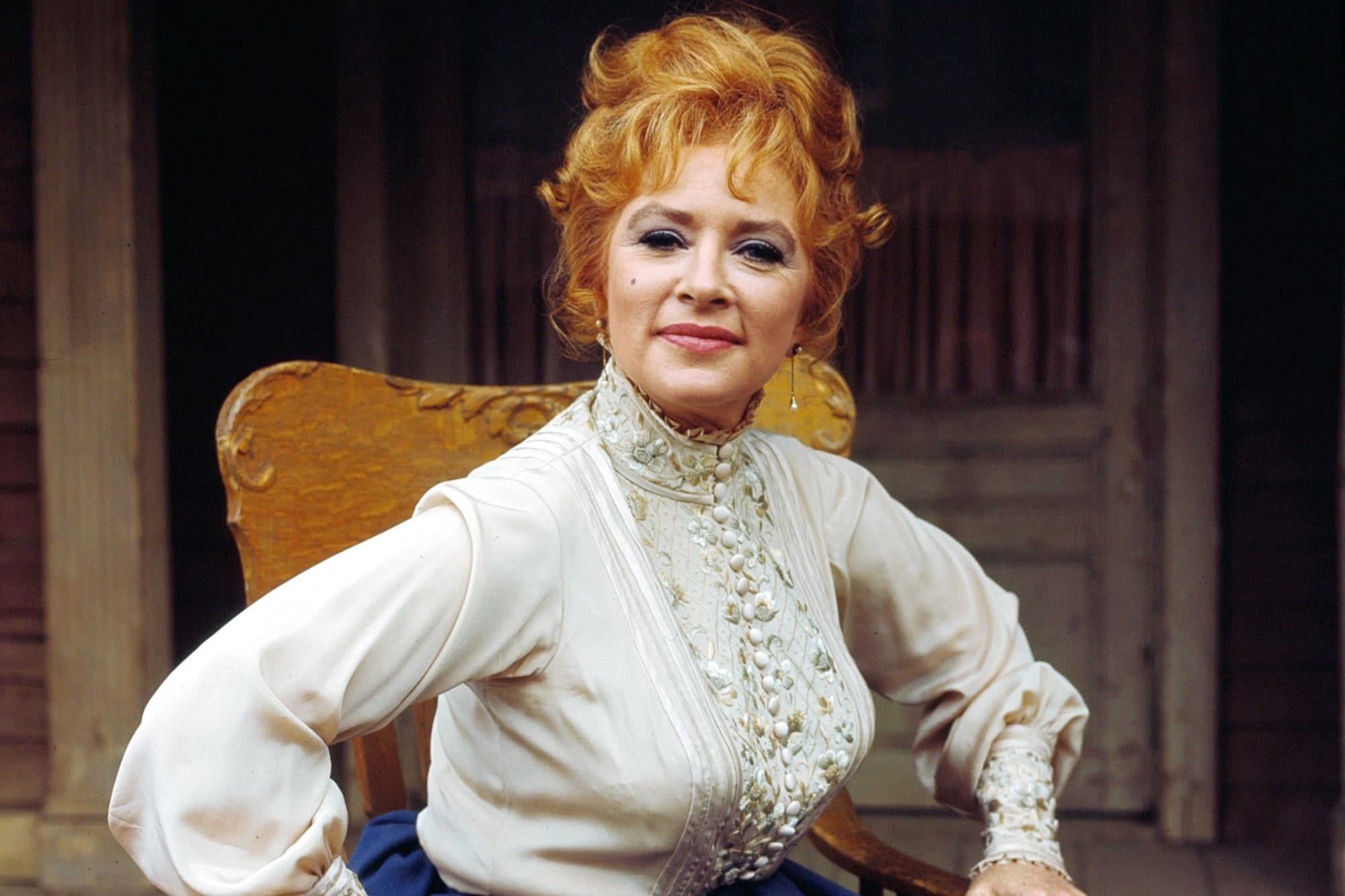
The media plays an undeniable and often defining role in shaping public perception of a deceased celebrity’s brand. The initial media reports about Blake’s death from cancer provided a straightforward, albeit incomplete, narrative. This narrative was easily consumable and aligned with existing public sympathies for cancer patients. However, when new information emerged, the media’s role shifted to reporting the updated truth, which then required the public to adjust its understanding.
This illustrates the power of media in brand narrative construction and deconstruction. For Blake’s brand, the shifting media narrative meant that her legacy would not be defined by a single, simple cause of death, but by a more layered truth. This can be a double-edged sword: while transparency can build trust and provide a more complete picture, it can also disrupt established narratives and require careful communication. For brand strategists managing the image of public figures, understanding and anticipating media response to sensitive information is crucial for maintaining control over the narrative and preserving the desired brand image.
Authenticity, Transparency, and Brand Trust
In the long arc of a personal brand, particularly one established in the public eye, authenticity and transparency often become hallmarks of enduring trust and relevance. The circumstances surrounding Amanda Blake’s death offer a unique case study in how these elements interact with societal norms and historical context.
Navigating Sensitive Information
The decision to disclose sensitive personal information, particularly concerning health or controversial circumstances of death, is a complex ethical and branding dilemma. For figures in the late 1980s, revealing an AIDS diagnosis carried significant social stigma, potentially impacting not only the individual’s immediate legacy but also the perceptions of their family and associates. The initial reporting of cancer for Blake might have been an attempt to shield her memory from this stigma, offering a more “dignified” or socially acceptable narrative at the time.
However, in the long term, authenticity often triumphs. While the immediate impulse might be to protect an image, prolonged withholding or misrepresentation of facts can, if discovered, erode public trust. For a public figure’s brand, the eventual truth about Blake’s death, while sensitive, ultimately allowed for a more complete and honest portrayal of her life and final struggles. It allowed her story to resonate with broader social themes, connecting her personal experience to a pivotal moment in public health history. This pivot toward transparency, even if not initiated by her estate, showcases how evolving societal acceptance can influence how a brand’s narrative is finally cemented.
Long-Term Brand Resonance
The long-term resonance of a personal brand is often tied to its ability to connect with universal human experiences, even in death. For Amanda Blake, the full story of her passing, including the truth about AIDS, adds a layer of depth and pathos that transcends her acting career alone. It transforms her from simply an actress to a figure whose life indirectly touched upon a major global health crisis, making her more relatable and historically significant.
In an era increasingly valuing transparency and authenticity, posthumous brands that are built on a foundation of truth, even uncomfortable truth, tend to endure with greater integrity. While the immediate impact of such revelations can be challenging, the long-term effect can be a stronger, more resilient brand identity that is less susceptible to future revisionism and more capable of connecting with diverse audiences on a deeper, more human level. Blake’s brand, decades later, can be viewed as one that, through its complete story, reflects both personal triumph and the societal challenges of her time.
Estate Branding and Enduring Influence
The management of a deceased public figure’s image and intellectual property falls under the purview of estate branding. For Amanda Blake, the eventual clarity regarding her cause of death became another facet that needed to be integrated into her overall legacy.
Strategic Management of a Deceased Public Figure’s Image
Estate branding involves strategic decisions about how a celebrity’s name, image, and body of work will be utilized and remembered. This includes authorizing biographies, managing media appearances, and controlling the use of their likeness. In Blake’s case, the initial misreporting and subsequent correction of her cause of death present a complex scenario for posthumous brand management. The estate must navigate how to address these differing narratives, ensuring that the final, truthful account is integrated seamlessly into her overall brand story.
Effective estate branding does not shy away from the complexities of a life but rather incorporates them into a comprehensive and authentic narrative. For Blake, this means ensuring that her legacy embraces not only her iconic role on Gunsmoke and her battle with cancer but also the courageous, albeit private, struggle with AIDS that ultimately led to her passing. This holistic approach ensures a more robust and resilient brand that can withstand historical scrutiny and continue to inspire.
The Timeless Impact of a Defined Brand
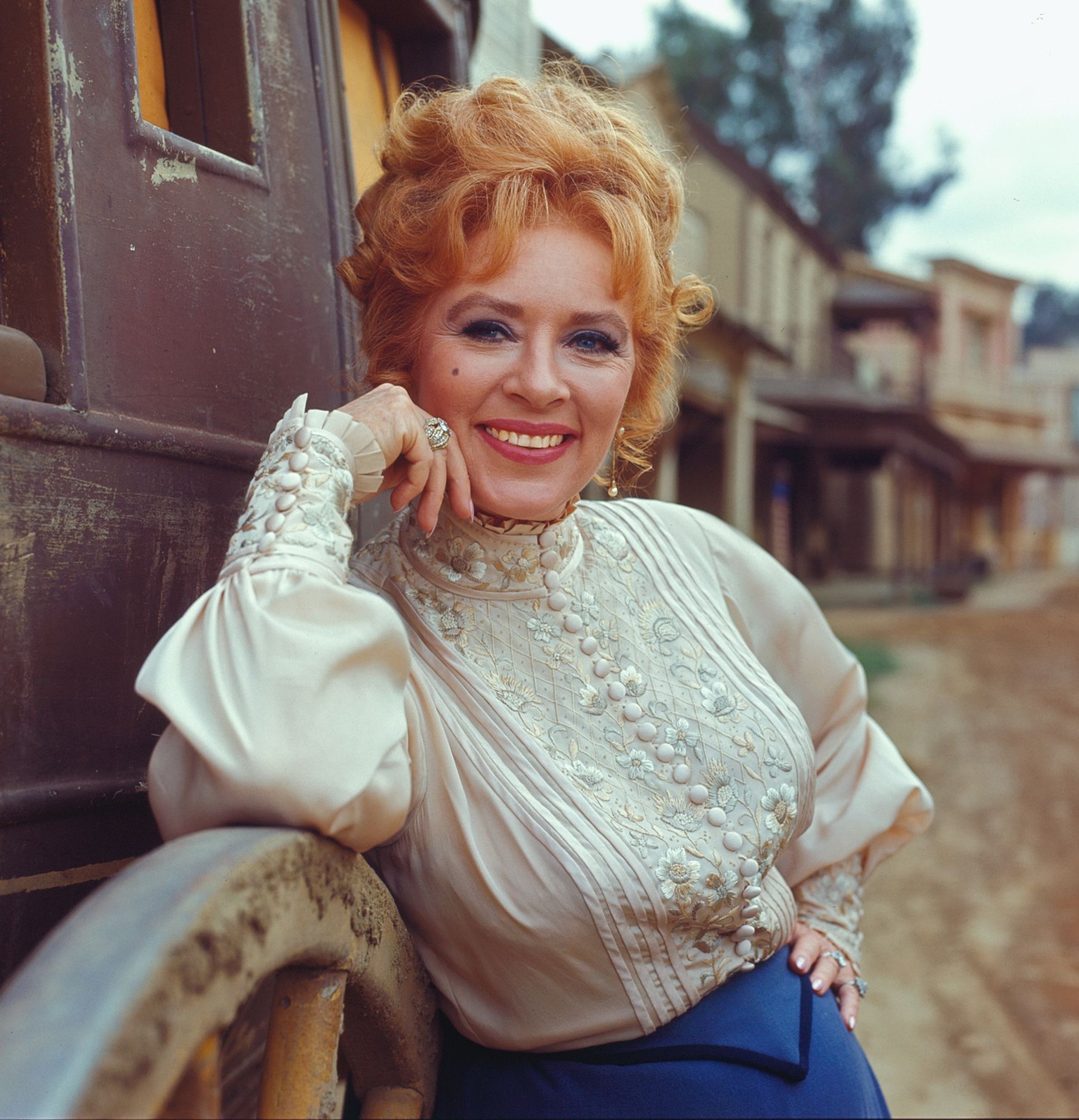
A well-defined personal brand, even after death, can continue to exert significant influence. Amanda Blake’s contribution to television and her enduring appeal as Miss Kitty stand as testaments to the power of a strong persona. The eventual truth about her death, rather than diminishing her, can be seen as deepening her human story. It positions her as a figure who lived through and, in her own way, became part of a significant public health narrative, adding an unexpected layer of depth to her established brand.
The timeless impact of a public figure’s brand is often found not just in their achievements, but in the entirety of their human experience. For Amanda Blake, the question “what did amanda blake die from” ultimately leads to a richer understanding of her as a person, reflecting societal challenges while solidifying her place in cultural history. Her brand, therefore, endures not just for her acting, but also for the more complete, albeit tragic, story of her life and passing.
aViewFromTheCave is a participant in the Amazon Services LLC Associates Program, an affiliate advertising program designed to provide a means for sites to earn advertising fees by advertising and linking to Amazon.com. Amazon, the Amazon logo, AmazonSupply, and the AmazonSupply logo are trademarks of Amazon.com, Inc. or its affiliates. As an Amazon Associate we earn affiliate commissions from qualifying purchases.