
The term “cooper” conjures images of sturdy barrels, the aroma of aging wood, and a bygone era of craftsmanship. While the romanticized vision of a cooper is often tied to historical contexts, understanding their role is crucial for appreciating the evolution of trade, production, and surprisingly, even modern manufacturing and material science. The cooper’s trade was far from a simple assembly line; it was a highly skilled profession demanding precision, an intimate knowledge of wood, and an understanding of physics and chemistry. Their work was essential for the storage, transport, and aging of a vast array of goods, from essential foodstuffs to prized spirits, making them indispensable to economies of the past.
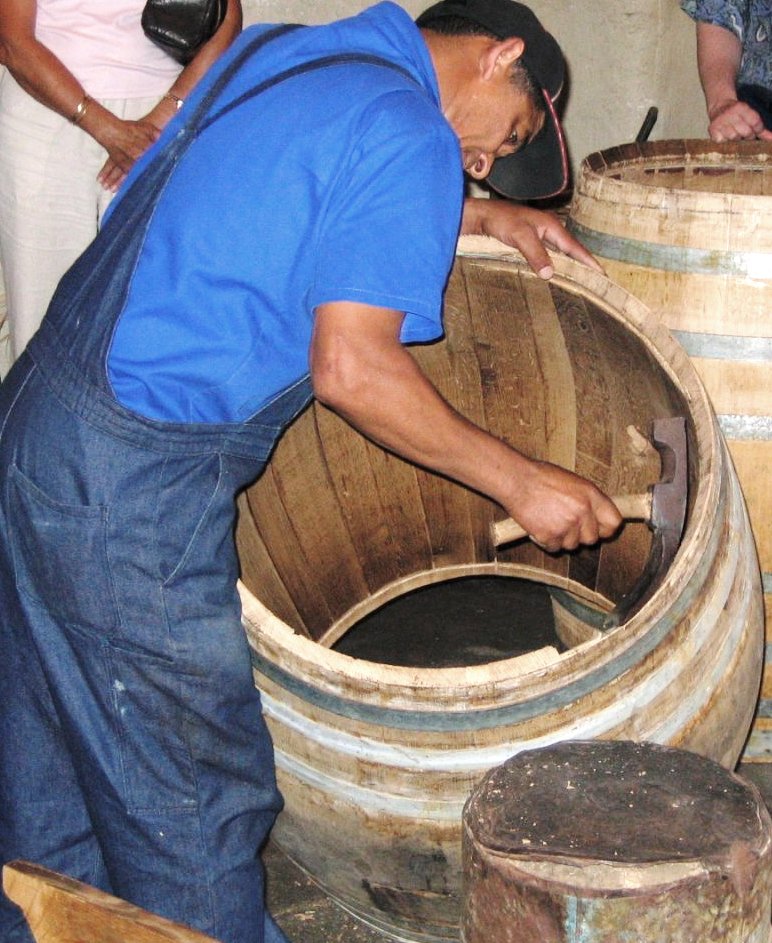
The skills of a cooper were intricate and multifaceted, involving not just the shaping of wood but also the understanding of its properties and how it interacts with various substances. This knowledge extended to selecting the right types of wood for specific purposes, ensuring durability, preventing leaks, and even influencing the final product’s flavor profile. The process of cooperage, as the craft is known, was a meticulous and labor-intensive one, relying on specialized tools and techniques passed down through generations. Exploring the work of a cooper is to delve into a rich history of applied engineering and artisanal expertise that laid the groundwork for many industries we recognize today.
The Art and Science of Barrel Making
At its core, the cooper’s profession was about creating cylindrical containers, primarily barrels, casks, and tubs, from wooden staves bound together by hoops. This seemingly straightforward task was, in reality, a complex interplay of woodworking, material science, and an understanding of structural integrity. The materials used, the tools employed, and the very techniques of assembly were all honed over centuries to produce vessels that were both functional and durable.
Material Selection: The Foundation of a Good Barrel
The choice of wood was paramount to the success of a cooper’s work. Different woods possessed distinct characteristics that made them suitable for specific applications. Oak, particularly white oak, was the most prized wood for barrels intended for alcoholic beverages like whiskey, wine, and beer. This preference stemmed from several key factors:
- Durability and Strength: Oak is a hard, dense wood that can withstand the rigors of transport and handling. Its robust nature ensured that barrels wouldn’t easily crack or break.
- Impermeability: Properly seasoned oak, especially when charred, creates a tight seal, preventing leakage. This was critical for liquids and even for preserving dry goods from moisture.
- Flavor Contribution: Oak contains compounds like lactones and tannins that leach into the stored liquid over time. These compounds contribute significantly to the aroma, flavor, and color of spirits and wines, a process known as aging or maturation. Different oak species (e.g., American oak vs. European oak) and different toasting or charring levels would impart distinct flavor profiles.
- Resistance to Rot: Oak is naturally resistant to rot and decay, ensuring a longer lifespan for the barrels.
Beyond oak, other woods were used for different purposes. Pine, for instance, was often used for lighter duty containers like tubs for water or non-corrosive liquids due to its lighter weight and lower cost. Chestnut was sometimes used for wine casks, offering a less pronounced flavor contribution than oak. The cooper’s expertise lay in knowing which wood to select for the intended contents and for how long they would be stored.
Tools of the Trade: Precision and Dexterity
The cooper’s workshop, or cooperage, was a symphony of specialized tools, each designed for a specific stage of barrel construction. These tools were not merely implements; they were extensions of the cooper’s hands, requiring immense skill and practice to wield effectively.
- The Drawknife: This long, two-handled blade was used to shape the staves. By drawing the knife towards themselves, coopers could carefully shave and curve the wood, gradually tapering each stave to fit perfectly into the cylindrical form.
- The Adze: A curved axe-like tool, the adze was used to hollow out the inside of the barrel and to further refine the shape of the staves, ensuring a smooth, consistent inner surface.
- The Jointer: This specialized plane was used to create the precise angles on the edges of the staves. This perfect beveling was essential for ensuring that the staves fit together tightly, creating a watertight seam.
- The Croze: This tool, resembling a small, hooked blade, was used to cut a groove (the croze) around the inside bottom of the barrel. This groove was designed to hold the wooden bottom (the head) of the barrel securely in place.
- The Bung Bit: A specialized drill used to create the bung hole, the opening through which the barrel would be filled and emptied.
- The Hammer and Hoop Driver: Various hammers were used, but a particularly important one was the hoop driver, used to force the metal hoops down onto the barrel, compressing the staves and tightening the structure.
- The Bending Iron: A heated metal bar used to gently bend the wooden staves, allowing them to conform to the curvature of the barrel as they were assembled.
Each tool required a deep understanding of its function and the finesse to use it without damaging the wood or compromising the structural integrity of the finished product.
The Assembly Process: A Masterclass in Construction
Creating a barrel was a multi-step process that demanded both physical strength and meticulous attention to detail.
- Shaping the Staves: As mentioned, the drawknife and adze were used to shape individual staves, giving them the correct curvature and taper.
- Jointing the Edges: The jointer created the precise angles on the edges of each stave, ensuring a snug fit against its neighbors.
- Raising the Barrel: A number of staves were brought together, forming a rough cylinder. Temporary wooden hoops were often used to hold them in place.
- Bending the Staves: The partially assembled barrel was then heated, often over an open flame or with steam, and a bending iron was used to gradually curve the staves outward. This made the barrel wider in the middle and narrower at the ends, giving it its characteristic shape and allowing it to be more easily rolled.
- Fitting the Heads: The wooden heads, typically made from two or more pieces of wood joined together, were cut to fit precisely into the grooves (the croze) at the top and bottom of the barrel.
- Hooping: This was a crucial stage. Permanent metal hoops, usually made of iron, were carefully driven down the length of the barrel. This process compressed the staves tightly together, sealing any gaps and creating an incredibly strong and watertight structure.
- Finishing: The bung hole was drilled, and the barrel was often sanded or smoothed to a finished state.
The resulting vessel was not just a container; it was a testament to the cooper’s skill, capable of holding liquids under pressure, withstanding considerable stress, and preserving its contents for extended periods.
Beyond Barrels: The Versatility of Coopered Goods

While barrels were the most iconic product of the cooper’s trade, their skills extended to a wide range of other wooden containers. The fundamental principles of shaping wood, creating watertight seals, and ensuring structural integrity were applicable to various forms, making coopers vital to the functioning of many industries and households.
Casks, Kegs, and Tubs: Variations on a Theme
The terms “barrel,” “cask,” and “keg” are often used interchangeably, but there were subtle differences in size and intended use. A barrel, by historical definition, held a specific volume (around 31.5 gallons for a liquid barrel), but the term became a general descriptor for any large, cylindrical wooden container.
- Casks: Often used for wine and spirits, casks could vary in size and shape. Some were designed for long-term aging, while others were intended for transport.
- Kegs: Typically smaller than barrels, kegs were commonly used for beer and ale. Their smaller size made them more manageable for individual servings or local distribution.
- Tubs and Buckets: Coopers also crafted larger wooden tubs used for various domestic purposes, such as washing, storing water, or even as fermentation vats in the early stages of food and beverage production. Smaller buckets were also a common product.
The ability to create these different forms demonstrated the cooper’s adaptability and the broad demand for their skills. Whether it was for storing grain, transporting salted fish, or holding fresh water, a coopered vessel was often the most reliable and cost-effective solution.
Industrial Applications: From Food to Firewood
The impact of cooperage extended far beyond the realm of beverages. For centuries, coopers played a critical role in the logistics and preservation of a vast array of goods essential to daily life and commerce.
- Food Storage and Transport: Barrels were vital for preserving and transporting foodstuffs like salted meats, fish, flour, sugar, and molasses. The tight construction prevented spoilage from moisture and air, while the sturdy nature of the wood protected the contents during long journeys.
- Powder Kegs: A specialized and critical application of cooperage was the creation of powder kegs for gunpowder. These had to be exceptionally well-made to prevent moisture from rendering the powder useless and to withstand the potential stresses of storage and handling.
- Fermentation and Brewing: Beyond aging spirits, coopered vessels were used for the initial fermentation of many products, including sauerkraut, pickles, and even for large-scale brewing operations.
- Dry Goods: While not always watertight, barrels and tubs were excellent for storing and transporting dry goods like nails, buttons, and other small manufactured items.
The cooper’s trade was, therefore, intrinsically linked to the broader economy, facilitating trade, ensuring food security, and supporting various manufacturing processes. Their work was a foundational element of pre-industrial production and logistics.
The Decline and Modern Legacy of Cooperage
The advent of industrialization and the development of new materials like metal and plastic brought about a significant decline in the traditional cooper’s trade. However, the legacy of cooperage endures, and the craft continues to be practiced, albeit in more specialized niches.
The Rise of Alternative Materials
As manufacturing processes became more industrialized, alternative materials began to supplant wood for many container needs.
- Metal Drums: Steel and aluminum drums offered greater durability, uniformity, and in some cases, better resistance to corrosion and fire. They were also often easier to mass-produce.
- Plastic Containers: The development of plastics revolutionized packaging. Plastic barrels, drums, and containers offered advantages in terms of weight, chemical resistance, and cost-effectiveness for a wide range of applications.
- Glass Bottles: For beverages like wine and spirits, glass bottles became increasingly popular, offering inertness and transparency, allowing consumers to see the product.
These material advancements, coupled with changes in transportation methods (e.g., the shift from sailing ships to steamships and trains), gradually reduced the demand for traditional wooden barrels for many common uses.

The Enduring Craft: A Niche Revival
Despite the decline, cooperage has not disappeared. In fact, there has been a resurgence of interest in high-quality, handcrafted wooden barrels, particularly within the wine and spirits industries.
- Artisanal Spirits and Wines: The demand for premium wines and spirits has led to a renewed appreciation for the contribution of oak to flavor and aging. Many craft distilleries and wineries continue to rely on coopered barrels to achieve specific flavor profiles.
- Heritage and Tradition: For some industries, using wooden barrels is a matter of heritage and tradition, connecting the modern product to its historical roots.
- Specialty Containers: Coopers still produce specialized containers for specific purposes, such as decorative items, custom furniture components, or unique architectural elements.
- Preservation of Skills: A dedicated community of coopers works to preserve the ancient skills and knowledge of the trade, ensuring that this valuable craft is not lost to history. Many apprenticeships and training programs still exist, albeit on a smaller scale than in the past.
The modern cooper is often a highly skilled artisan, working with precision and a deep understanding of wood, wood chemistry, and the nuances of aging. While the scale of the industry has shifted dramatically, the fundamental principles that governed the cooper’s work—precision, material knowledge, and an understanding of form and function—remain relevant and are celebrated in the specialized sectors that continue to value their craft. The cooper’s legacy is not just in the barrels they made, but in the foundational understanding of material science and engineering that they helped to establish, influencing countless industries that followed.
aViewFromTheCave is a participant in the Amazon Services LLC Associates Program, an affiliate advertising program designed to provide a means for sites to earn advertising fees by advertising and linking to Amazon.com. Amazon, the Amazon logo, AmazonSupply, and the AmazonSupply logo are trademarks of Amazon.com, Inc. or its affiliates. As an Amazon Associate we earn affiliate commissions from qualifying purchases.