
The wildly popular Netflix reality show Love Is Blind has captivated audiences with its unique premise: singles forming deep emotional connections and even getting engaged without ever seeing each other. This “blind” approach to romance sparks curiosity about whether such an experiment can translate into real-world dating applications. While no dating app can perfectly replicate the high-stakes, curated drama of a television show, several platforms and features within them lean into the core tenets of Love Is Blind: prioritizing personality, facilitating genuine connection over superficial attraction, and encouraging deeper conversation. This article will explore the technological landscape of dating apps to identify those that best embody the spirit of Love Is Blind, focusing on how their design and functionality foster meaningful interactions before physical appearance takes center stage.
The Evolution of Connection: Beyond the Swipe
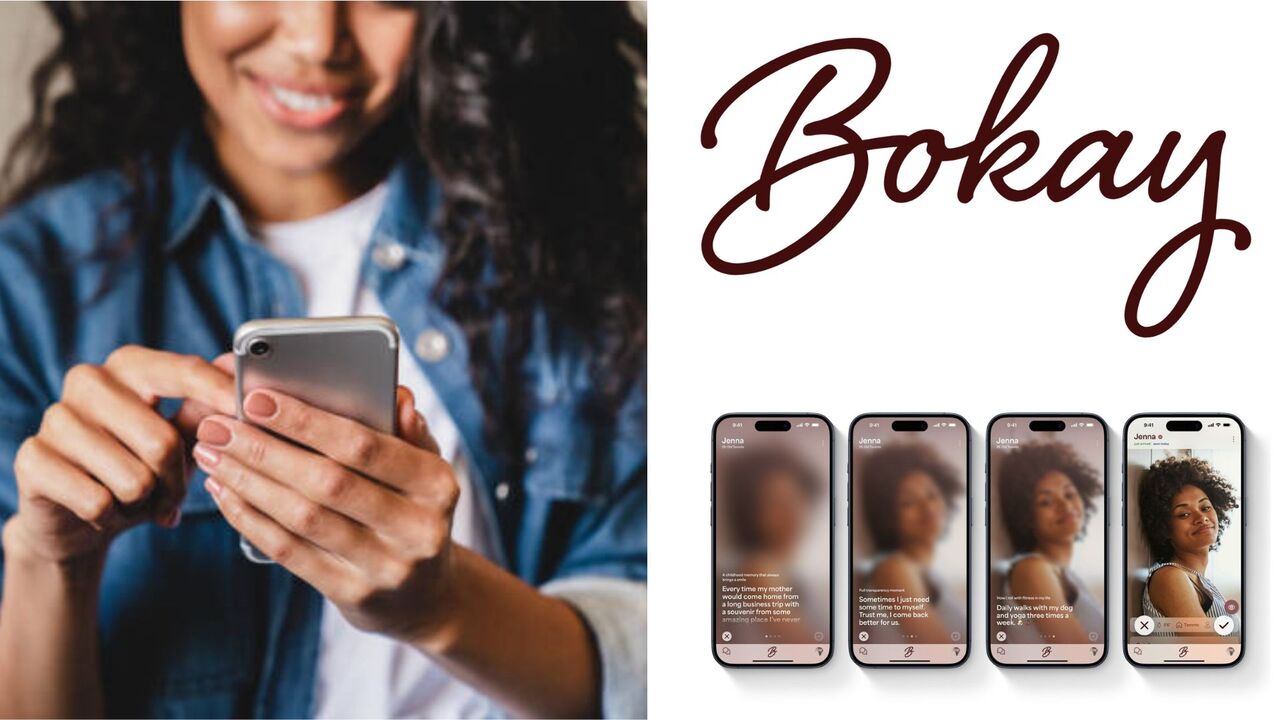
The traditional dating app model, epitomized by the swipe-right-swipe-left mechanic, often prioritizes immediate visual appeal. This can lead to a superficial assessment of potential partners, mirroring the very aspect Love Is Blind seeks to dismantle. However, the tech world, driven by user demand and a desire to innovate, has seen a subtle but significant shift. Developers are increasingly recognizing the desire for more substantial interactions, leading to the creation of apps and features that encourage users to reveal their personalities and engage in more thoughtful communication.
Voice and Video as the New Foundation
One of the most direct parallels to Love Is Blind‘s “pods” can be found in apps that integrate voice and video chat features prominently, often before explicit photo reveals. These tools allow users to connect on a sensory level that goes beyond text, capturing nuances in tone, laughter, and conversational flow that are crucial for building rapport.
Voice Notes: The Pod Experience in Your Pocket
Several dating apps have introduced voice note functionalities, allowing users to send and receive short audio messages. This feature offers a significant step up from purely text-based communication. Hearing someone’s voice can convey personality, emotion, and authenticity in a way that written words sometimes struggle to achieve. For users seeking a connection similar to what Love Is Blind contestants experience, voice notes offer a low-barrier entry into understanding someone’s vocal cadence and conversational style, which are key components of attraction and connection. Apps like Bumble have incorporated this, allowing users to send voice notes within chats. This move acknowledges that auditory cues play a vital role in initial connection, much like the limited visual environment of the Love Is Blind pods.
Video Speed Dating: Live Interaction, Blind Beginnings
More sophisticated applications are taking this a step further with integrated video speed dating features. These function similarly to the show’s premise, where users engage in short, timed video calls with multiple potential matches. The key differentiator here is that often, these video calls are initiated before full profiles with clear photos are readily available, or there’s an emphasis on conversation over visual presentation during the initial stages. Platforms like Hinge, with its focus on prompts and detailed profiles, have experimented with video features that encourage more dynamic interactions. While not strictly “blind” in the sense of no photos ever, the spirit of prioritizing conversation and personality during these initial video exchanges mirrors the show’s core concept. The rapid-fire nature of video speed dating also forces users to focus on who the person is, not just what they look like.
Deeper Profiles and Personality-Driven Matching
Beyond immediate sensory input, Love Is Blind heavily emphasizes the compatibility of personalities, values, and life goals. Dating apps that facilitate this by encouraging detailed profiles and employing sophisticated matching algorithms are also strong contenders for resembling the show’s approach.
Beyond the Bio: Prompts and Questionnaires
Apps that move beyond a superficial bio and encourage users to answer thoughtful prompts or detailed questionnaires are crucial. Love Is Blind contestants spend significant time getting to know each other’s answers to deeply personal questions. Dating apps that incorporate similar mechanics allow users to showcase their individuality, sense of humor, and core beliefs. Hinge is a prime example, with its extensive library of prompts designed to elicit more than just standard biographical information. By answering questions like “The most important thing I’m looking for in a partner is…” or “My go-to karaoke song is…”, users provide genuine insights into their personalities, allowing for more informed connections. This is a direct analogue to the deep dives that Love Is Blind participants undertake.
Algorithmic Compatibility: Seeking More Than Shared Interests
While shared interests can be a starting point, true compatibility, as explored in Love Is Blind, delves into deeper psychological and emotional factors. Dating apps that utilize advanced algorithms to match users based on personality traits, communication styles, and even core values are closer to the show’s intention. These algorithms go beyond simple keyword matching and attempt to understand user preferences and compatibility on a more profound level. Some niche apps, often less mainstream than the giants, focus heavily on psychological assessments or detailed questionnaires to build a compatibility score, aiming to connect individuals who are intellectually and emotionally aligned, just as the Love Is Blind couples are encouraged to be.
Apps Embodying the Love Is Blind Ethos
Considering the technological advancements and the shift towards deeper connection, several dating apps stand out as offering an experience closest to the spirit of Love Is Blind. These platforms prioritize conversation, personality, and a journey of discovery before the visual element becomes dominant.
Hinge: “Designed to Be Deleted” Through Meaningful Connections
Hinge has long positioned itself as a dating app that fosters serious relationships, often by encouraging users to move beyond superficial swipes. Its emphasis on prompts and detailed profiles directly aligns with the Love Is Blind philosophy of getting to know someone’s mind and personality first.
Profile Depth: Showcasing Individuality Through Answers
Hinge’s core mechanic revolves around users selecting photos but then responding to prompts to build their profile. These prompts are designed to spark conversation and reveal personality. Instead of a blank slate bio, users are guided to share snippets of their thoughts, humor, and values. For example, a prompt like “A shower thought I recently had…” or “The way to win me over is…” gives potential matches genuine conversation starters and insights into who they are beyond a picture. This mirrors the lengthy conversations Love Is Blind contestants have in the pods, where their answers to questions reveal their compatibility. The emphasis here is on a user’s written personality, which forms the initial basis of attraction.
“Most Compatible” Feature: Algorithmic Serendipity
Hinge’s “Most Compatible” feature uses algorithms to suggest users who are more likely to be a good match based on their profile information and activity. While not completely blind, this feature aims to reduce the amount of swiping and instead presents users with individuals who have a higher probability of genuine connection. This focus on algorithmic compatibility, driven by detailed profile data, is akin to the production team on Love Is Blind attempting to pair individuals who might have a strong underlying connection based on their shared values and personalities, before the visual element is introduced. The goal is to facilitate a deeper, more informed interaction.
Bumble: Empowering Women and Encouraging Conversation
Bumble differentiates itself by requiring women to make the first move, a feature that, while not directly mirroring the “blind” aspect, fosters a more intentional and thoughtful approach to initiating conversations. This can lead to more deliberate connections.
Voice Notes and Video Calls: Bridging the Gap
As mentioned earlier, Bumble’s integration of voice notes allows for richer communication. Furthermore, Bumble has experimented with and offers built-in video call functionalities. This feature allows users to transition from text-based chat to a more personal, real-time interaction, similar to the speed dating segments in Love Is Blind. The ability to hear and see someone before a traditional date can significantly accelerate the process of building comfort and connection, much like the pod experience. This provides an intermediary step that prioritizes personality and conversational chemistry over immediate visual judgment.
Profile Prompts and Detail: Adding Personality Layers
While not as extensive as Hinge, Bumble also incorporates profile prompts that allow users to add more personality to their profiles. These prompts, though perhaps less focused on deep philosophical questions, still encourage users to share aspects of their lives and interests that go beyond basic demographics. This allows for a more nuanced understanding of a potential match and can lead to conversations that are more engaging and revealing, contributing to a connection built on more than just a profile picture.
Other Niche Platforms: Prioritizing Depth Over Breadth
Beyond the mainstream apps, a growing number of niche platforms are explicitly designed for users seeking deeper connections and are willing to invest more time in profile building and personality assessment. These platforms often employ more rigorous matching processes.
Personality-Based Matching: Science-Driven Connections
Some dating apps, often with a smaller user base but a dedicated following, focus heavily on scientifically developed personality assessments. These platforms aim to match users based on psychological compatibility, communication styles, and core values. Examples include apps that utilize models like the “Big Five” personality traits or offer extensive questionnaires to build a comprehensive user profile. This approach directly mirrors the intention of Love Is Blind to find partners who are fundamentally compatible on an emotional and intellectual level, even before visual attraction plays a role. The focus is on the internal landscape of an individual.
Screened and Curated Experiences: The “Less is More” Approach
Certain platforms take a more curated approach, often involving an application process or requiring users to provide more detailed information upfront. This “less is more” philosophy can create a higher-quality pool of users who are serious about finding a meaningful connection. While not entirely “blind,” the emphasis on a more thorough vetting process and the expectation of detailed personal sharing can lead to interactions that feel more akin to the deliberate nature of building a relationship in Love Is Blind. The idea is to filter for individuals who are genuinely looking for substance.
The Future of Connection: Technology’s Role in Authentic Romance
The popularity of Love Is Blind highlights a societal yearning for authentic, deep connections in an increasingly digital world. Dating app developers are responding by integrating features that facilitate personality-driven interactions, move beyond superficial judgments, and encourage genuine conversation. While the dramatic reveal of a visual appearance will likely always be a compelling television trope, the underlying technology is steadily evolving to offer users experiences that prioritize the substance of connection.
The Growing Importance of Audio and Visual Cues
As technology advances, the integration of voice and video will become even more sophisticated. We can expect to see more apps offering advanced communication tools that allow for richer, more nuanced interactions. This could include AI-powered tools that analyze conversational patterns for compatibility, or more immersive video experiences that create a sense of presence and intimacy, all while potentially keeping visual identity secondary in the initial stages of connection. The goal is to replicate the sensory experience of hearing and seeing someone’s genuine personality shine through, even before a full visual reveal.

Beyond the Swipe: A Shift Towards Intentionality
The future of dating apps will likely see a continued move away from endless swiping towards more intentional and curated matching processes. This includes apps that encourage deeper profile building, facilitate meaningful conversations through prompts and interactive features, and utilize sophisticated algorithms to assess compatibility on multiple levels. The success of platforms that mimic the Love Is Blind ethos suggests a growing demand for dating experiences that prioritize personality, emotional connection, and the journey of getting to know someone before physical attraction becomes the primary driver. This shift reflects a desire for more authentic romance in the digital age.
aViewFromTheCave is a participant in the Amazon Services LLC Associates Program, an affiliate advertising program designed to provide a means for sites to earn advertising fees by advertising and linking to Amazon.com. Amazon, the Amazon logo, AmazonSupply, and the AmazonSupply logo are trademarks of Amazon.com, Inc. or its affiliates. As an Amazon Associate we earn affiliate commissions from qualifying purchases.