
The Italian flag, a simple yet powerful tricolor of green, white, and red, is far more than just a national emblem. It’s a potent symbol of Italian identity, a testament to historical evolution, and a compelling case study in how visual design can encapsulate abstract concepts like liberty, faith, and landscape. Understanding the colors and their origins provides a fascinating glimpse into the soul of a nation and the enduring power of strategic branding.
The Genesis of the Tricolor: From Revolution to Republic
The Italian flag, officially known as the Tricolore, wasn’t born overnight. Its roots are deeply embedded in the revolutionary fervor of the late 18th century, a period when democratic ideals swept across Europe, challenging established monarchies. The adoption of tricolor designs became a popular way for nascent republics and movements to signal their break from tradition and embrace a new order.
Napoleonic Influence and the Cispadane Republic
The most direct ancestor of the modern Italian flag emerged during the Napoleonic era. In 1797, the Cispadane Republic, a French client state in northern Italy, officially adopted a horizontal tricolor of green, white, and red. This was a significant moment, as it marked the first widespread official use of these colors as a national symbol for an Italian entity. The inspiration for this combination is often attributed to the French revolutionary flag (blue, white, and red) but with distinct Italian adaptations. The green, white, and red were chosen to represent different ideals, although their precise meanings have evolved and been subject to interpretation over time.
The Risorgimento and the Unification of Italy
The 19th century witnessed the Risorgimento, the powerful nationalist movement that ultimately led to the unification of Italy. During this period of intense political and social upheaval, the Tricolore became a potent symbol of this shared aspiration for a united Italy, free from foreign domination. Various revolutionary groups and armies adopted the flag, solidifying its association with Italian patriotism and the quest for nationhood. When the Kingdom of Italy was proclaimed in 1861, the Tricolore, with the addition of the House of Savoy’s coat of arms, became its official banner. This solidified the flag’s visual identity as the enduring symbol of a unified Italian state, a crucial element in establishing a cohesive national brand.
From Monarchy to Republic: The Modern Flag
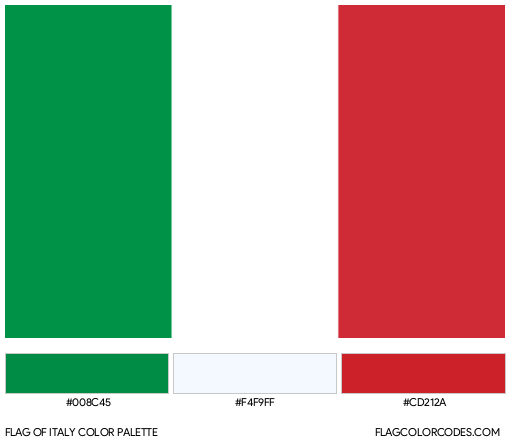
Following World War II and the abolition of the monarchy, Italy transitioned to a republic. The Tricolore was retained, but the coat of arms of the House of Savoy was removed. This final iteration, the plain green, white, and red vertical tricolor, is the flag recognized and flown today. The simplicity of its design, devoid of any monarchical insignia, powerfully communicates the democratic foundation of the modern Italian Republic. This evolution highlights how national flags, much like corporate logos, must adapt to reflect the current identity and values of the entity they represent, ensuring continued relevance and resonance.
Decoding the Palette: The Symbolism and Meaning of the Italian Flag’s Colors
The enduring appeal of the Italian flag lies not just in its visual simplicity but in the layers of meaning attributed to its iconic colors. While historical interpretations vary, a consistent thread of symbolism connects these hues to the Italian landscape, its spiritual heritage, and its aspirations for freedom. These colors function as a powerful, concise visual language, instantly recognizable and deeply resonant for Italians and those familiar with Italian culture.
Green: The Verdant Landscape and Hope
The green band of the Tricolore is often interpreted as representing the lush, fertile landscapes of Italy. From the rolling hills of Tuscany to the dense forests of the Alps, the country is renowned for its natural beauty and agricultural richness. This interpretation connects the flag directly to the tangible essence of the Italian territory. Beyond the natural world, green also carries connotations of hope, growth, and the future. In a nation that has experienced periods of both great prosperity and significant hardship, this hopeful aspect of the color is particularly poignant. It speaks to the resilience of the Italian spirit and the continuous renewal of its national identity. This symbolism is a deliberate choice in branding, aiming to evoke positive associations and a sense of enduring vitality.
White: Faith, Purity, and the Alps
The white stripe is frequently associated with faith and religious conviction, a nod to Italy’s deep Catholic heritage. The Vatican City, the spiritual heart of Catholicism, is an independent state within Rome, underscoring the profound connection between Italian identity and religious tradition. White also symbolizes purity, peace, and innocence, qualities that resonate with ideals of a just and noble society. Another prominent interpretation links the white to the snow-capped peaks of the Italian Alps, another iconic feature of the nation’s geography. This dual symbolism—spiritual and geographical—adds a rich depth to the meaning of the white band, making it a multifaceted representation of Italian values and identity.
Red: Charity, Blood, and Courage

The vibrant red band is typically understood to represent charity, courage, and the blood shed by those who fought for Italian unification and independence. It is a powerful reminder of the sacrifices made to achieve the nation’s freedom and sovereignty. Red is a color universally associated with passion, strength, and vitality, aligning perfectly with the perceived spirit of the Italian people. It can also be interpreted as symbolizing the warmth of Italian hospitality and the effervescence of its culture. This interpretation links the color to fundamental human virtues and the passionate nature often attributed to Italy. The deliberate inclusion of red ensures that the flag not only signifies the land and its spiritual essence but also the human spirit and the historical struggles that shaped the nation.
The Tricolor as a Design Icon: Visual Language and National Identity
The brilliance of the Italian flag lies in its masterful use of visual language. Its simple, yet striking, design has become an internationally recognized icon, embodying the essence of Italy without uttering a single word. This is the hallmark of effective branding – creating a memorable and universally understood symbol that evokes a powerful emotional connection.
Simplicity and Memorability: The Power of the Tricolor
In the realm of branding, simplicity is often the key to memorability. The Italian flag, with its three distinct vertical bands of equal width, is exceptionally easy to recognize and reproduce. This design principle is crucial for widespread adoption and consistent representation. Unlike complex emblems or elaborate crests, the Tricolore is instantly identifiable across various contexts, from formal state occasions to informal sporting events. This visual clarity allows it to function as a powerful shorthand for “Italy,” triggering a cascade of associations related to culture, history, cuisine, and lifestyle. This is a deliberate branding strategy that has, over centuries, cultivated a strong and positive global perception of Italy.
Consistency and Evolution: Adapting the Brand
The evolution of the Italian flag, from its Napoleonic origins to its modern republican form, demonstrates a keen understanding of brand management. While the core colors have remained constant, the removal of the Savoyard coat of arms signaled a significant brand refresh, aligning the visual identity with the new political reality of a republic. This ability to adapt while maintaining core elements is a critical aspect of long-term brand success. It ensures that the brand remains relevant and resonates with contemporary values and aspirations. The Tricolore has successfully navigated these transitions, preserving its fundamental identity while shedding elements that no longer serve its purpose. This adaptability is a testament to its robust design and enduring appeal.
Global Recognition and Cultural Association
The Italian flag has achieved an extraordinary level of global recognition. It is instantly associated with a rich tapestry of cultural elements: world-renowned fashion, exquisite cuisine, groundbreaking art and architecture, and a passion for life. This association is not accidental; it’s the cumulative effect of centuries of cultural output, historical significance, and strategic representation. The flag acts as a powerful ambassador for the Italian brand, evoking feelings of sophistication, passion, and beauty. For marketers and brand strategists, the Italian flag serves as a powerful reminder of how a well-designed visual element, imbued with meaningful symbolism, can become an indelible mark on the global consciousness, transcending mere national representation to become a cultural icon.
The Enduring Brand Equity of the Italian Tricolor
The Italian flag is more than just a piece of cloth; it is a sophisticated brand asset. Its enduring power lies in its harmonious blend of aesthetic simplicity, rich historical narrative, and deeply ingrained symbolism. In the world of branding, where creating a distinct and memorable identity is paramount, the Tricolore offers a masterclass in effective visual communication and the cultivation of national pride.
Beyond National Borders: The Flag in Italian Business and Culture
The influence of the Italian flag extends far beyond its role as a national symbol. It is a constant presence in the branding of Italian businesses, from fashion houses and automotive giants to food producers and artisanal crafts. The colors themselves are frequently incorporated into product design, packaging, and advertising, serving as an implicit endorsement of Italian quality and heritage. When a designer or chef incorporates the green, white, and red into their work, they are not just using colors; they are tapping into the established brand equity of Italy, evoking associations of style, passion, and authenticity. This symbiotic relationship between the flag and Italian commerce reinforces the nation’s global brand perception, making it a desirable destination for both consumers and investors.
The Tricolor as a Catalyst for National Unity and Identity
At its core, the Italian flag is a potent force for forging national unity and reinforcing collective identity. In a country with diverse regional cultures and historical distinctions, the Tricolore serves as a unifying emblem, a common point of reference that binds Italians together. It is flown during national celebrations, sporting victories, and moments of collective mourning, acting as a visual anchor for shared experiences and aspirations. This emotional connection is invaluable for any brand, as it fosters loyalty and a sense of belonging. The flag’s ability to evoke pride and patriotism demonstrates the profound impact that well-crafted visual symbols can have on shaping public perception and fostering a strong sense of national identity.
Lessons for Brand Creation and Management
The enduring success of the Italian flag offers invaluable lessons for contemporary brand creation and management. Firstly, it underscores the importance of simplicity and memorability. A clear, uncluttered design is more likely to be recognized and retained. Secondly, it highlights the power of meaningful symbolism. Colors and elements that resonate with core values and historical narratives create deeper connections with the audience. Thirdly, it demonstrates the necessity of consistency and adaptation. While maintaining a core identity, brands must be willing to evolve to remain relevant. Finally, the Tricolore serves as a testament to how a strong national brand can positively influence economic and cultural spheres. By understanding and respecting the foundations of its visual identity, Italy continues to project a powerful and aspirational image on the global stage, proving that even a simple tricolor can be a remarkably effective and enduring brand.
aViewFromTheCave is a participant in the Amazon Services LLC Associates Program, an affiliate advertising program designed to provide a means for sites to earn advertising fees by advertising and linking to Amazon.com. Amazon, the Amazon logo, AmazonSupply, and the AmazonSupply logo are trademarks of Amazon.com, Inc. or its affiliates. As an Amazon Associate we earn affiliate commissions from qualifying purchases.