
The question of what chicken temperature signifies a fully cooked bird is a cornerstone of safe and enjoyable poultry preparation. While seemingly straightforward, achieving this ideal temperature involves understanding the science behind cooking, the nuances of different cuts, and the reliable tools available to ensure food safety. For the home cook and culinary professional alike, mastering this aspect of cooking is paramount, preventing both undercooked, potentially hazardous meat and overcooked, dry poultry. This article delves into the critical internal temperatures for chicken, the methods for accurate measurement, and the technological advancements that simplify this essential food safety practice.
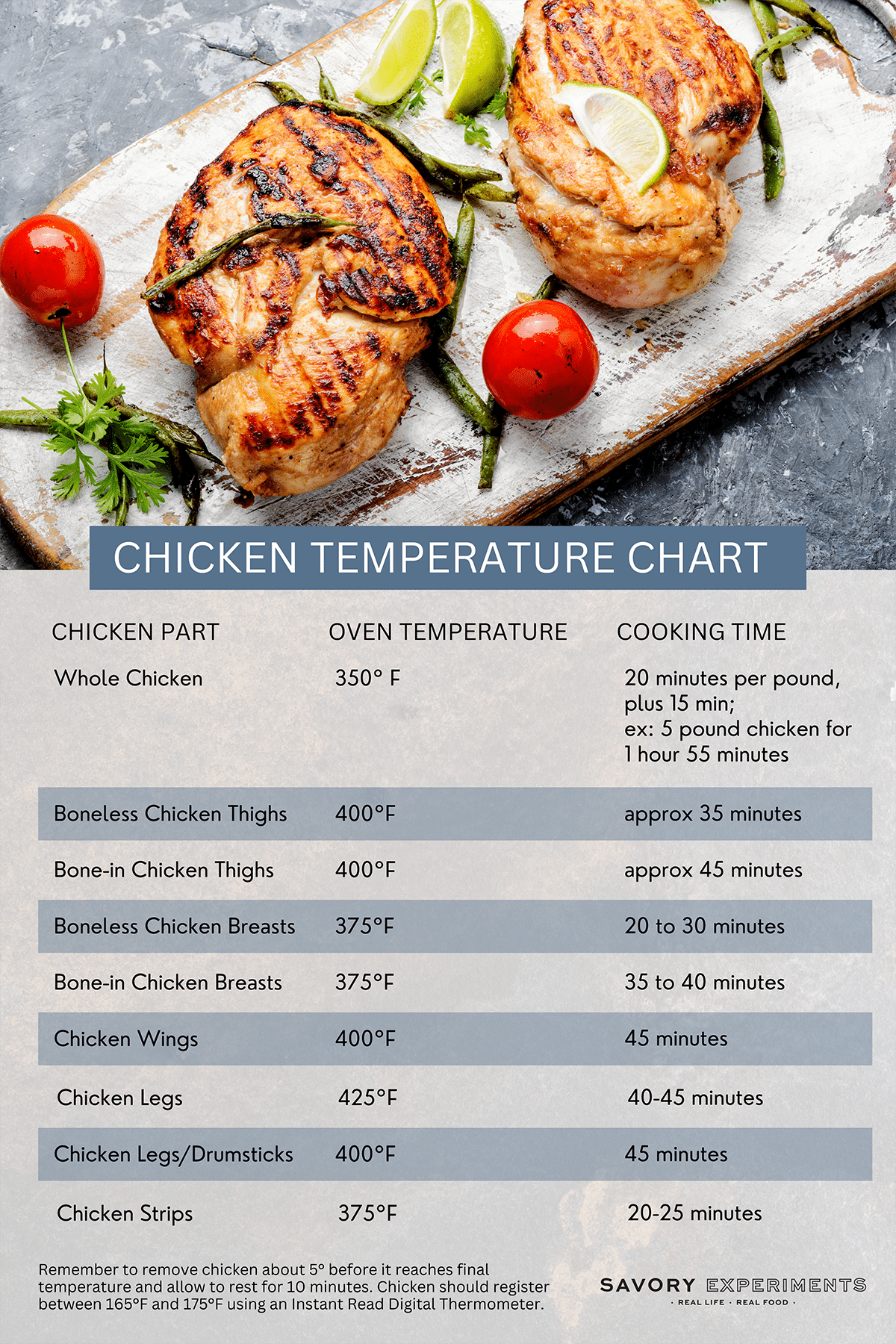
The Science Behind Safe Chicken Temperatures
Ensuring chicken is cooked to a safe internal temperature is not merely a culinary guideline; it’s a public health imperative. The primary concern is the eradication of harmful bacteria such as Salmonella and Campylobacter, which can cause severe foodborne illnesses. These microorganisms are commonly found in raw poultry and are effectively neutralized by heat. The target temperature is not arbitrary; it’s the point at which these pathogens are killed.
Microbial Inactivation and Time-Temperature Relationships
The efficacy of heat in killing bacteria is a function of both temperature and duration. While a very high temperature can kill bacteria quickly, lower temperatures require a longer exposure time. For chicken, regulatory bodies like the United States Department of Agriculture (USDA) have established a minimum safe internal temperature. This temperature has been scientifically validated to ensure that any harmful bacteria present are rendered inactive. It’s crucial to understand that this is the minimum safe temperature. Cooking chicken slightly beyond this temperature is often acceptable and can even contribute to a more tender and juicy final product, provided it doesn’t result in overcooking.
The Universal Minimum: 165°F (74°C)
The widely accepted and safest internal temperature for all types of poultry, including chicken, is 165°F (74°C). This temperature should be measured in the thickest part of the meat, avoiding bone, as bones can conduct heat differently and give a false reading. Reaching 165°F ensures that any potential pathogens that might be present are eliminated. This temperature is particularly important for ground chicken, where bacteria can be distributed throughout the meat. For whole birds and larger cuts, while 165°F is the minimum, some chefs and home cooks prefer to take the meat slightly higher, knowing that residual heat will continue to cook the chicken as it rests, and the texture remains optimal.
Resting Period and Carryover Cooking
It’s important to note that the cooking process doesn’t entirely stop once the chicken is removed from the heat source. During the resting period, the internal temperature of the meat continues to rise, a phenomenon known as “carryover cooking.” This can be as much as 5-10°F (3-6°C) depending on the size and thickness of the cut. Therefore, when using a thermometer, it’s often advisable to pull the chicken from the heat when it reaches a few degrees below the target temperature, allowing the carryover cooking to bring it to the safe minimum. This also helps the juices redistribute throughout the meat, resulting in a more tender and flavorful final product.
Measuring Chicken’s Internal Temperature: Tools and Techniques
Accurately measuring the internal temperature of chicken is the most reliable way to confirm it’s fully cooked. Relying on visual cues like juices running clear or the color of the meat can be misleading. Modern technology offers a range of tools that make this process precise and effortless.
Traditional Thermometers: Dial and Digital
The most basic tool for checking doneness is a food thermometer. Traditional dial thermometers, while historically common, are often less precise and slower to read than their digital counterparts. Digital instant-read thermometers are a significant improvement, providing quick and accurate temperature readings within seconds. These are indispensable for any home cook who wants to ensure food safety and achieve consistent results. When using any thermometer, proper insertion is key: the probe should be inserted into the thickest part of the meat, far from any bone. For whole birds, multiple temperature checks in different locations (breast, thigh, wing joint) are recommended to ensure even cooking.
The Rise of Smart Thermometers and Wireless Technology
The culinary technology landscape has been revolutionized by smart thermometers. These devices offer enhanced convenience and precision. Wireless meat thermometers, often paired with a smartphone app, allow cooks to monitor the internal temperature of their food remotely. This is particularly useful for longer cooking processes like roasting a whole chicken or smoking poultry. The app can provide real-time updates, alert the user when the target temperature is reached, and even offer estimated remaining cooking times. Some advanced models can also track multiple probes simultaneously, which is invaluable when cooking a large quantity of chicken or different cuts at once.
Infrared Thermometers: A Complementary Tool
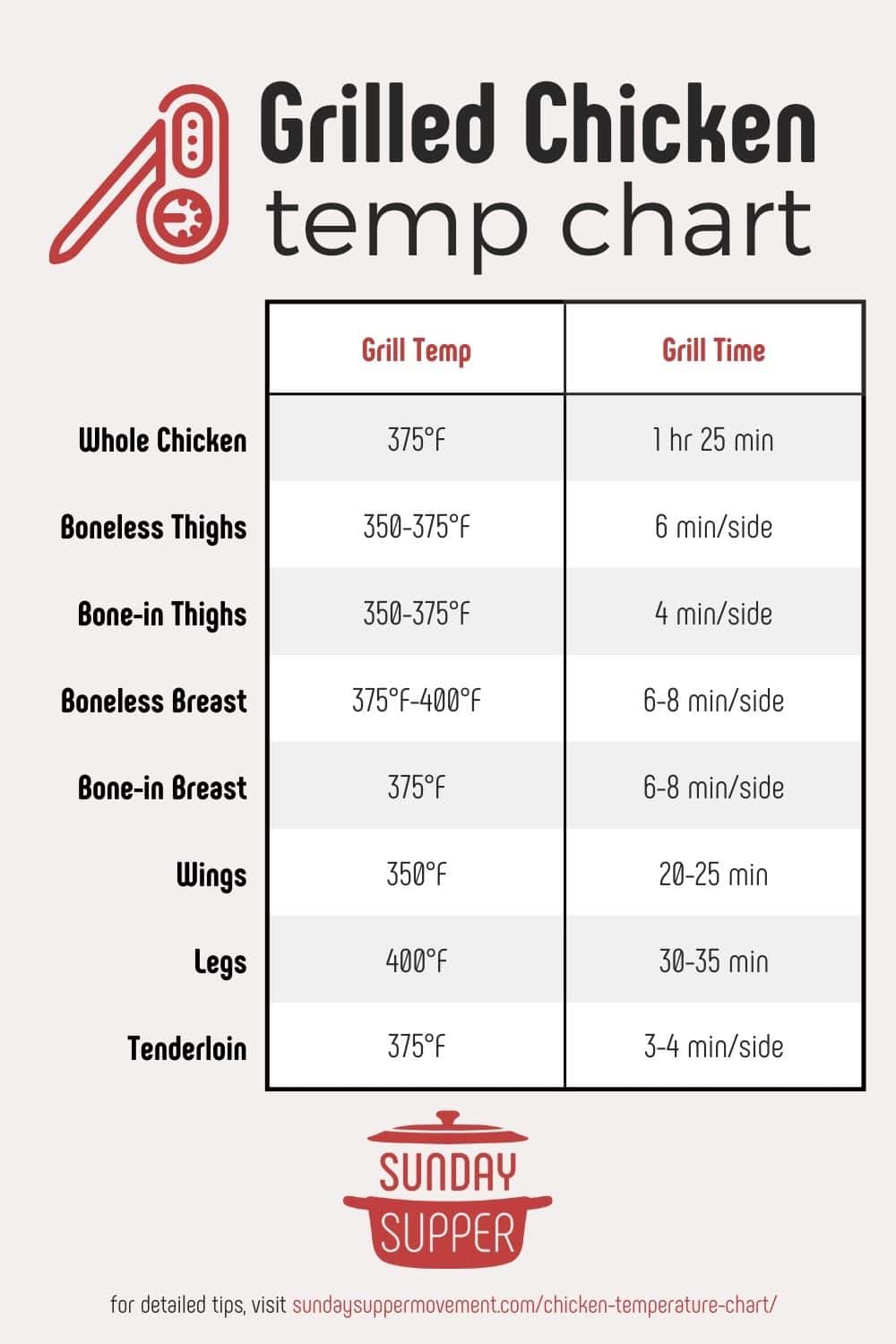
While not ideal for checking the internal temperature of solid meat, infrared thermometers can be useful for quickly assessing the surface temperature of cooking surfaces like grill grates or pans, ensuring they are at the appropriate heat for searing or cooking. They can also provide a quick, non-invasive check of a larger piece of meat’s exterior temperature, but for determining food safety, a probe thermometer inserted into the deepest part of the meat is essential.
Achieving Optimal Doneness for Different Chicken Cuts
While 165°F (74°C) is the universal minimum for safety, the ideal final temperature for taste and texture can vary slightly depending on the cut of chicken. Understanding these nuances allows for a more refined cooking approach.
Breast Meat: The Leaner Choice
Chicken breast is significantly leaner than dark meat, making it more prone to drying out if overcooked. For breast meat, aiming for an internal temperature of 165°F (74°C) is paramount for safety. However, for a juicier outcome, many chefs recommend pulling the breast from the heat when it reaches around 160-162°F (71-72°C). The carryover cooking during resting will then bring it up to the safe minimum of 165°F. Overcooking breast meat beyond 170°F (77°C) will almost certainly result in a dry and tough texture.
Thighs and Legs: The Darker, More Forgiving Option
Chicken thighs and legs (dark meat) contain more fat and connective tissue, making them more forgiving to cook and generally more flavorful and moist. While 165°F (74°C) is still the minimum safe temperature, dark meat can benefit from being cooked slightly higher. Many prefer to cook thighs and legs to an internal temperature of 170-175°F (77-79°C). At this temperature, the connective tissues have broken down, resulting in exceptionally tender and succulent meat. The increased fat content also helps to prevent them from drying out, even at these slightly higher temperatures.
Whole Chicken and Ground Chicken: Considerations for Evenness and Distribution
When cooking a whole chicken, achieving an even internal temperature across all parts can be challenging due to varying thickness and proximity to heat. It’s crucial to check the temperature in multiple locations, particularly the thickest part of the thigh (without touching the bone) and the thickest part of the breast. The USDA recommends that the deepest part of the thigh should register 165°F (74°C). For ground chicken, the entire mass is considered, and therefore, ensuring the entire product reaches 165°F (74°C) throughout is non-negotiable for food safety.
The Role of Technology in Elevating Chicken Cooking
Modern technology plays an increasingly significant role in ensuring not only the safety but also the excellence of cooked chicken. From precision measurement to automated cooking processes, tech has made achieving perfectly cooked chicken more accessible than ever.
Smart Ovens and Sous Vide: Precision Control
Smart ovens, with their advanced temperature probes and pre-programmed settings, can help maintain precise oven temperatures and alert the user when the internal temperature of the chicken is nearing completion. Even more revolutionary is the sous vide cooking method. This technique involves vacuum-sealing chicken in a bag and immersing it in a precisely temperature-controlled water bath. This allows for unparalleled control over the final internal temperature, ensuring that every part of the chicken reaches the desired doneness without any risk of overcooking the exterior. Once the chicken has achieved its target temperature via sous vide, it can be quickly seared for a crispy skin, offering a perfect combination of texture and internal moisture.
AI-Powered Kitchen Gadgets and Recipe Apps
The integration of Artificial Intelligence (AI) into kitchen gadgets is a burgeoning trend. AI-powered meat thermometers can learn your preferences and cooking habits to suggest optimal cooking times and temperatures. Recipe apps are also becoming more sophisticated, offering step-by-step guidance, often integrating with smart kitchen appliances. These apps can guide users through the process of checking chicken temperatures, providing visual cues and auditory alerts based on real-time thermometer data. The goal is to demystify the cooking process and empower home cooks to achieve restaurant-quality results with confidence.
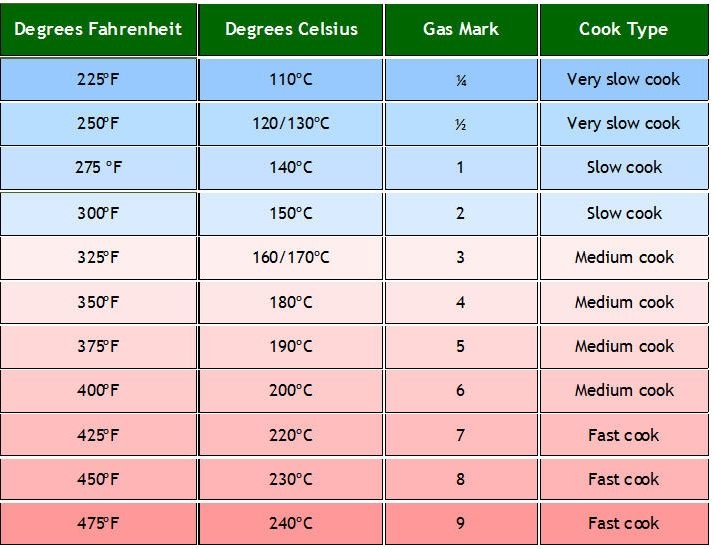
Digital Food Safety Tracking and Compliance
Beyond the home kitchen, technology is vital for food safety in commercial settings. Digital logging systems and food safety management software allow businesses to meticulously track the cooking temperatures of food, ensuring compliance with health regulations. This data can be invaluable for audits and for identifying any potential issues in the food preparation process. The emphasis on data-driven food safety underscores the importance of accurate temperature monitoring for all types of poultry preparation.
In conclusion, understanding and reliably achieving the correct internal temperature for cooked chicken is a fundamental aspect of safe and delicious cooking. Whether using a simple digital thermometer or leveraging advanced smart kitchen technology, consistent and accurate temperature measurement is the key. By adhering to the minimum safe temperature of 165°F (74°C) and considering the specific characteristics of different chicken cuts, cooks can confidently prepare poultry that is both safe to eat and a delight to savor. The continued evolution of culinary technology promises even more innovative solutions to simplify and elevate this essential cooking skill.
aViewFromTheCave is a participant in the Amazon Services LLC Associates Program, an affiliate advertising program designed to provide a means for sites to earn advertising fees by advertising and linking to Amazon.com. Amazon, the Amazon logo, AmazonSupply, and the AmazonSupply logo are trademarks of Amazon.com, Inc. or its affiliates. As an Amazon Associate we earn affiliate commissions from qualifying purchases.