
The I Ching as a Predictive and Navigational Tool for Technological Advancement
The I Ching, often translated as the “Book of Changes,” is an ancient Chinese text that has, for millennia, served as a profound system for understanding the dynamic nature of reality and making decisions in the face of uncertainty. While its origins lie in philosophy and divination, its core principles of cyclical change, interconnectedness, and the interplay of opposing forces resonate remarkably with modern technological paradigms. Far from being a relic of the past, the I Ching offers a unique lens through which to examine the rapid evolution of technology, providing a framework for prediction, strategy, and ethical consideration in an increasingly complex digital landscape. This article will explore the I Ching not as a mystical artifact, but as a powerful conceptual tool for navigating the ever-shifting currents of technological innovation.
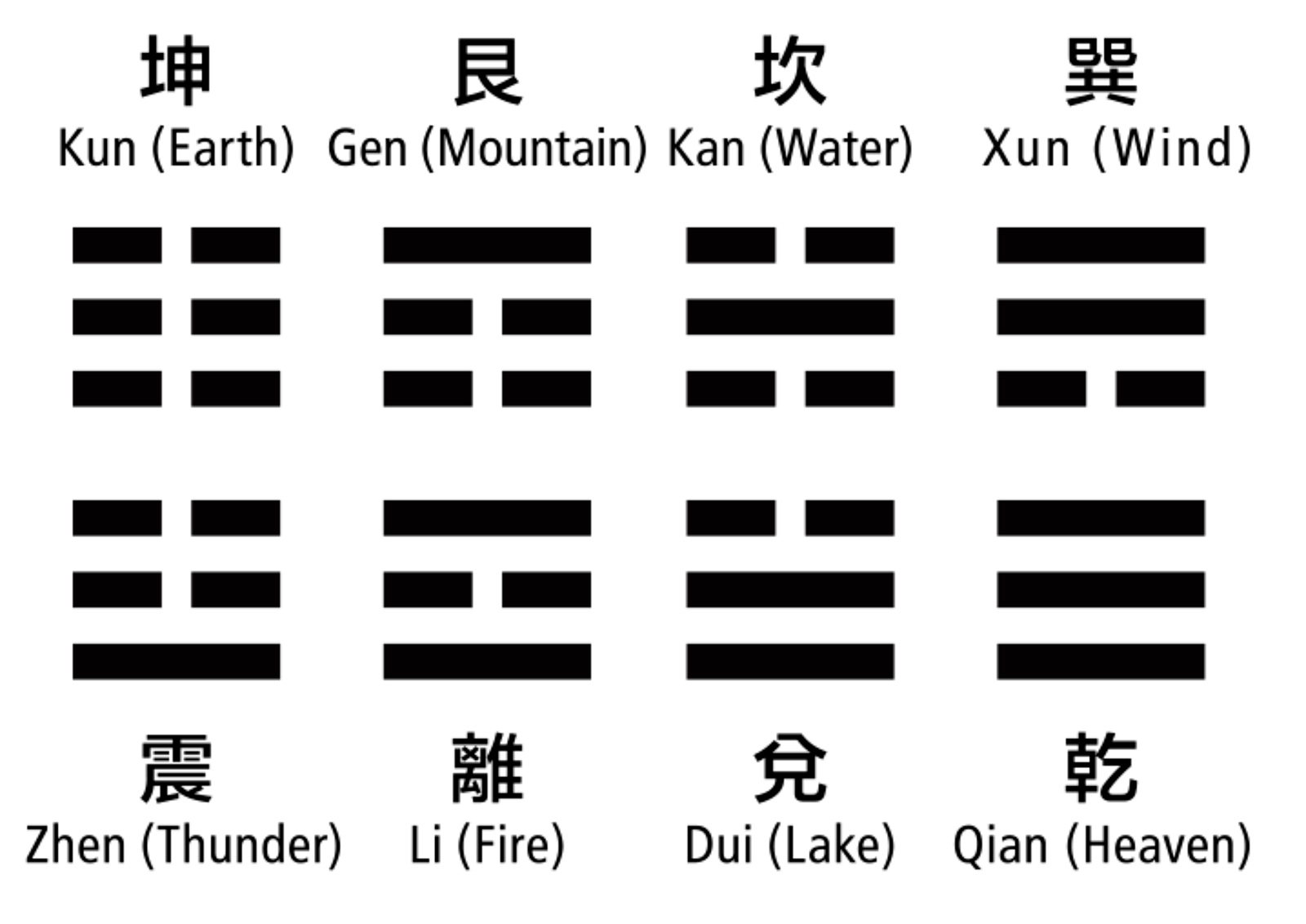
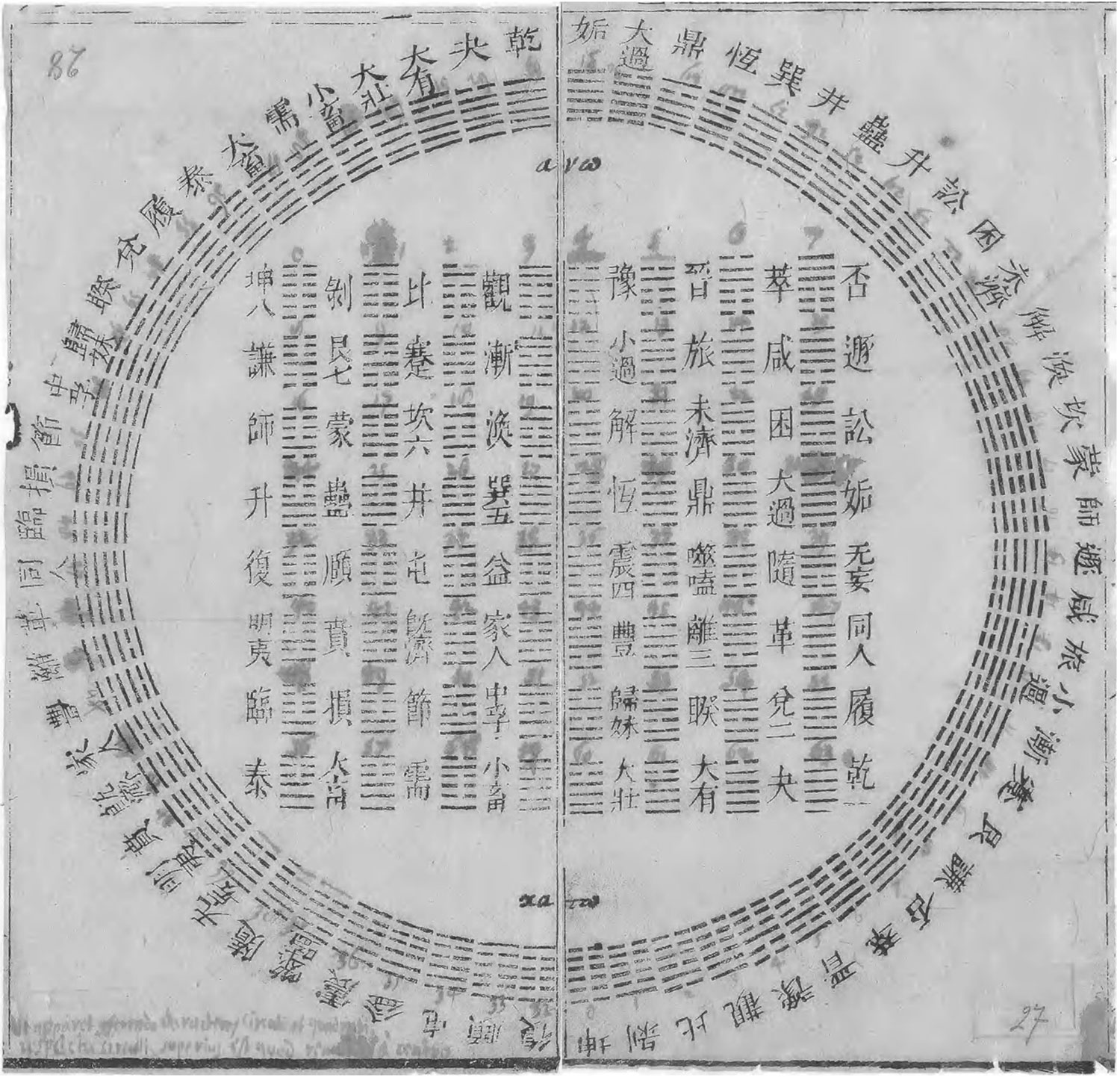
The I Ching’s fundamental premise is that the universe is in a constant state of flux, characterized by the interplay of two primary, opposing forces: Yin and Yang. These forces, symbolized by broken and unbroken lines respectively, combine to form hexagrams, each representing a specific situation or stage of change. The 64 hexagrams, derived from all possible combinations of six lines, offer a nuanced vocabulary to describe the myriad transformations occurring in the world. This concept of dynamic equilibrium and continuous change is directly mirrored in the technological realm, where innovation is relentless, and what is cutting-edge today can be obsolete tomorrow.
Understanding the Hexagrams: Patterns of Technological Evolution
The 64 hexagrams are the heart of the I Ching system, each carrying a unique interpretation and advice for navigating the specific “moment” it represents. In the context of technology, these hexagrams can be seen as archetypal patterns of development, adoption, and obsolescence.
Hexagrams as Archetypes of Innovation Cycles
Each hexagram can be mapped onto the typical lifecycle of a technological innovation. For instance, a hexagram representing “The Beginning” might describe the nascent stages of a disruptive technology, characterized by uncertainty, potential, and the need for careful exploration. Conversely, a hexagram signifying “The Fullness” could represent a mature technology that has reached its peak, with widespread adoption and established infrastructure. Hexagrams like “The Decadence” or “The Retreat” might symbolize the decline of older technologies, facing obsolescence as newer, more advanced alternatives emerge. By understanding these archetypal patterns, technologists, entrepreneurs, and strategists can gain a predictive insight into where a particular technology might be heading, allowing for proactive adaptation and strategic pivots.
The Dynamic Interplay of Yin and Yang in Tech Development
The Yin (broken line) and Yang (unbroken line) are not static entities but represent fluid energies. In technology, this translates to the constant push and pull between established paradigms and disruptive innovations, between incremental improvements and revolutionary leaps. A new technology often begins as a nascent “Yin” force, subtle and perhaps undervalued, before growing into a dominant “Yang” force that reshapes the market. Conversely, established technologies, once “Yang,” can become more “Yin” as they are superseded. The I Ching’s emphasis on the dynamic interplay of these forces helps us to recognize that technological progress is rarely a linear march but a complex dance of creation, transformation, and eventual decline.
The I Ching as a Framework for Strategic Decision-Making in Tech
The I Ching’s practical application lies in its ability to guide decision-making through its symbolic language and philosophical underpinnings. This is directly transferable to the strategic challenges faced in the technology sector, where choices made today can have profound long-term consequences.
Predictive Analysis Through I Ching Consultation
While not a literal fortune-telling device, the I Ching can be used as a sophisticated analog system for scenario planning and risk assessment. By posing specific questions about the potential trajectory of a new technology, the challenges of market entry, or the implications of a strategic partnership, and then consulting the hexagrams through a systematic method (historically involving yarrow stalks or coins), one can receive symbolic insights. These insights can highlight potential pitfalls, emerging opportunities, and the prevailing “energies” surrounding a particular technological venture. This process encourages a deeper contemplation of the situation, moving beyond purely quantitative analysis to consider qualitative factors and unforeseen variables. For example, a hexagram might suggest that a new AI development, while promising, currently faces significant “obstacles” (Yin) due to ethical concerns or public perception, advising a period of careful development and community engagement before full-scale deployment.
Navigating Technological Disruptions with I Ching Wisdom
The rapid pace of technological disruption can be disorienting. The I Ching’s emphasis on understanding the underlying patterns of change provides a valuable mental model for navigating these shifts. It encourages an acceptance of impermanence and a focus on adaptability. Instead of resisting change, the I Ching teaches us to understand its flow and to align our strategies with its direction. This can be applied to issues like the adoption of new programming languages, the integration of emerging hardware, or the strategic response to competitive advancements. The wisdom embedded in the I Ching’s hexagrams can foster a more resilient and forward-thinking approach, enabling individuals and organizations to not just react to disruption but to proactively shape their response.
Ethical Considerations and the I Ching’s Influence on Tech Development
Beyond strategy and prediction, the I Ching offers profound ethical insights that are increasingly relevant in the development and deployment of advanced technologies, particularly in areas like Artificial Intelligence and data management.
The Principle of Harmony and Balance in Tech Implementation
A core principle in the I Ching is the pursuit of harmony and balance. When applied to technology, this translates to ensuring that innovations serve human well-being and societal progress, rather than leading to imbalance or harm. The I Ching’s warnings against excess and imbalance can serve as a cautionary tale for technologies that, if unchecked, could lead to societal divides, environmental degradation, or erosion of privacy. For instance, the development of powerful AI systems necessitates a mindful consideration of their impact on employment, bias, and autonomy. The I Ching encourages a holistic perspective, urging us to consider the broader consequences of our technological creations and to strive for a harmonious integration with human values and the natural world.

The I Ching’s Role in Fostering Responsible Innovation
The I Ching’s emphasis on understanding the consequences of actions and the interconnectedness of all things can foster a more responsible approach to innovation. By consulting the principles embodied within its hexagrams, developers and leaders can be prompted to ask critical questions about the ethical implications of their work. Is this technology promoting growth or stagnation? Is it creating connections or isolation? Is it fostering understanding or conflict? This introspective process, guided by ancient wisdom, can help steer the course of technological development towards more beneficial outcomes for humanity. It encourages a long-term perspective, moving beyond immediate gains to consider the enduring legacy of our technological endeavors.
In conclusion, the I Ching, when viewed through a modern, analytical lens, transcends its ancient origins to offer a powerful framework for understanding and navigating the complex, ever-evolving landscape of technology. Its principles of cyclical change, dynamic balance, and the interconnectedness of forces provide a unique perspective on innovation cycles, strategic decision-making, and the ethical considerations that must guide our technological advancements. By embracing the wisdom of the I Ching, we can foster a more insightful, adaptable, and responsible approach to building the future.
aViewFromTheCave is a participant in the Amazon Services LLC Associates Program, an affiliate advertising program designed to provide a means for sites to earn advertising fees by advertising and linking to Amazon.com. Amazon, the Amazon logo, AmazonSupply, and the AmazonSupply logo are trademarks of Amazon.com, Inc. or its affiliates. As an Amazon Associate we earn affiliate commissions from qualifying purchases.