
The unemployment rate is a critical economic indicator, reflecting the health of a labor market and providing insights into the financial well-being of a state’s population. For Florida, a state known for its dynamic economy driven by tourism, real estate, and a growing retiree population, understanding its unemployment rate is paramount for policymakers, businesses, and individuals alike. This article delves into the current Florida unemployment rate, its historical context, influencing factors, and the broader economic implications.
Understanding the Florida Unemployment Rate: Key Metrics and Definitions
The unemployment rate is not simply the number of people without jobs. It’s a carefully calculated statistic that provides a nuanced view of the labor market. At its core, the unemployment rate is the percentage of the labor force that is jobless, actively seeking employment, and available to work.
Defining the Labor Force
To grasp the unemployment rate, we first need to understand the concept of the labor force. The labor force comprises all individuals aged 16 and over who are either employed or unemployed. Crucially, this definition excludes individuals who are not actively seeking work, such as students, retirees, and those who are unable to work due to disability. The labor force participation rate, another important metric, measures the proportion of the working-age population that is either employed or actively looking for work. A high labor force participation rate generally signifies a robust economy.
Calculating the Unemployment Rate
The formula for the unemployment rate is straightforward:
Unemployment Rate = (Number of Unemployed / Labor Force) * 100
The data for these calculations is typically gathered through surveys, most notably the Current Population Survey (CPS) conducted by the U.S. Census Bureau on behalf of the Bureau of Labor Statistics (BLS). This survey interviews a representative sample of households across the nation, collecting information on employment status. State labor departments then use this data, along with other administrative data, to produce state-level unemployment figures.
Distinguishing Between Different Types of Unemployment
It’s also important to recognize that not all unemployment is the same. Economists generally categorize unemployment into several types, each with different implications:
- Frictional Unemployment: This refers to the temporary unemployment that occurs when individuals are transitioning between jobs. It’s a natural part of a healthy economy, as people take time to find roles that best match their skills and career aspirations.
- Structural Unemployment: This type of unemployment arises from a mismatch between the skills of the workforce and the demands of the labor market. It can be caused by technological advancements, changes in industry, or geographic shifts in job availability. Addressing structural unemployment often requires retraining and education initiatives.
- Cyclical Unemployment: This is unemployment that rises during economic downturns (recessions) and falls during periods of economic expansion. It’s directly tied to the business cycle. When demand for goods and services decreases, businesses reduce production and lay off workers.
- Seasonal Unemployment: This occurs in industries that experience predictable fluctuations in demand throughout the year, such as agriculture, tourism, and construction. For a state like Florida, with its strong tourism sector, seasonal unemployment can be a more prominent factor.
Understanding these distinctions helps paint a more comprehensive picture of the labor market dynamics in Florida.
Current Florida Unemployment Rate and Historical Trends
The unemployment rate in Florida, like in any state, is a dynamic figure that fluctuates based on various economic, social, and even seasonal factors. Tracking its current status and understanding its historical trajectory provides invaluable context for economic analysis.
The Latest Figures: A Snapshot in Time
As of the most recent available data (which can vary depending on the reporting cycle), Florida’s unemployment rate typically hovers around a certain percentage. It’s crucial to consult official sources, such as the Florida Department of Economic Opportunity (now CareerSource Florida) or the U.S. Bureau of Labor Statistics, for the most up-to-date figures. These reports are usually released monthly, offering a near real-time glimpse into the state’s labor market performance.
For instance, a recent report might indicate that Florida’s unemployment rate has fallen to a new low, signaling a strong job market and robust economic activity. Conversely, an uptick in the rate could suggest a slowdown in hiring or an increase in job losses. These figures are often compared to national averages to gauge Florida’s performance relative to the rest of the country.
Historical Performance: Booms, Busts, and Recoveries
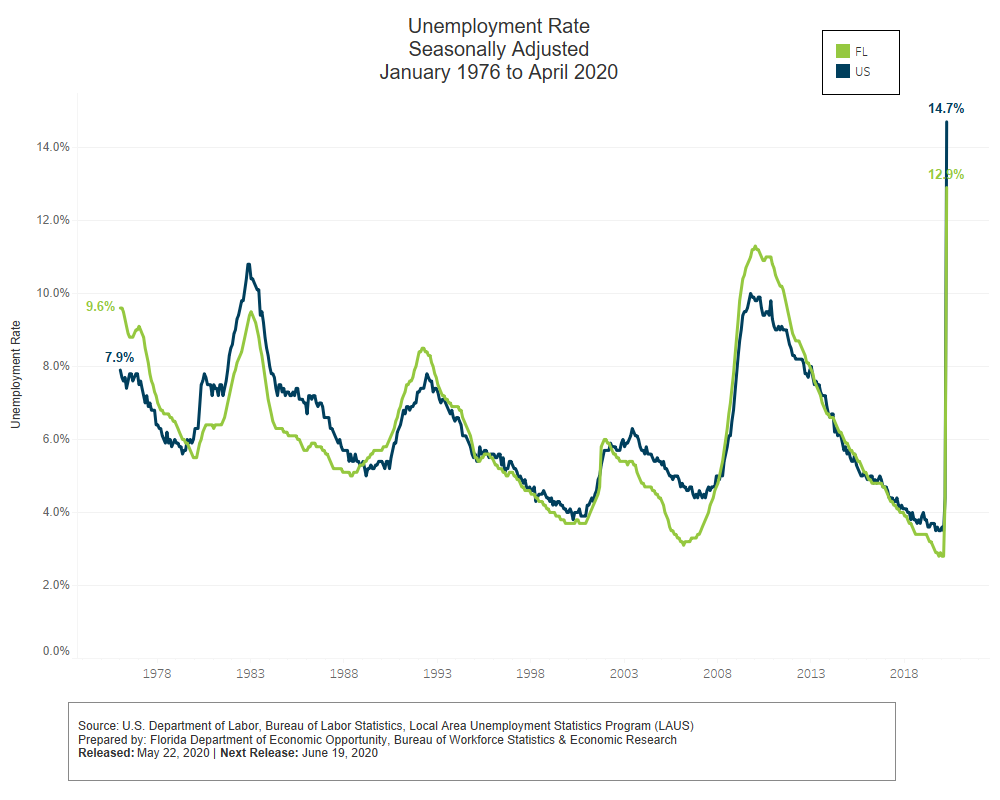
Florida’s unemployment rate has experienced its share of fluctuations over the decades, mirroring national economic trends and influenced by unique state-specific events.
- Pre-2008 Financial Crisis: Leading up to the Great Recession, Florida experienced a period of significant economic growth, often reflected in low unemployment rates. The housing boom played a substantial role in this expansion.
- The Great Recession (2007-2009): Like the rest of the nation, Florida was severely impacted by the housing market collapse and subsequent financial crisis. This led to a sharp increase in unemployment as construction, real estate, and related industries shed jobs.
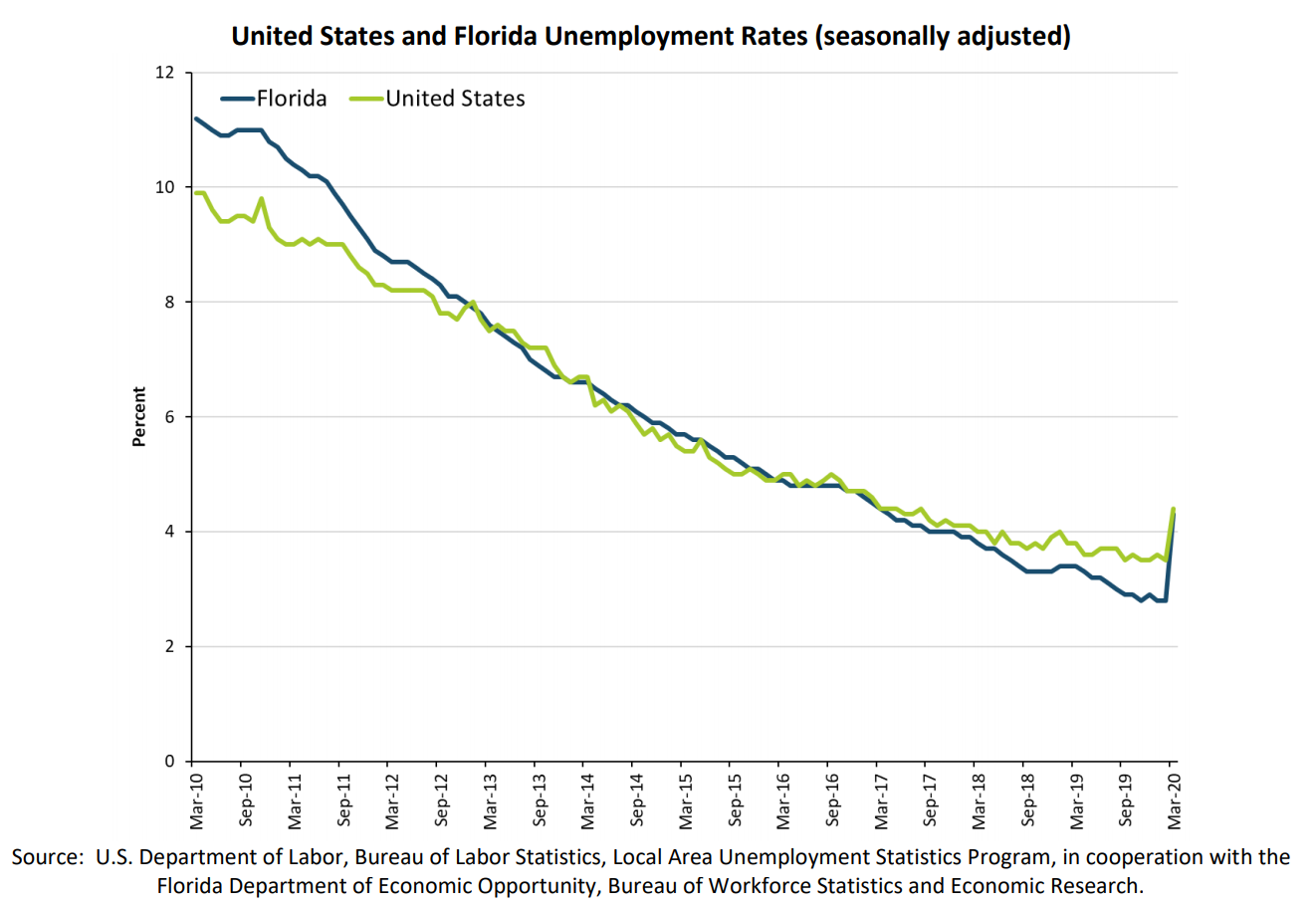
- Post-Recession Recovery: In the years following the Great Recession, Florida embarked on a path of recovery. As the housing market stabilized and the state’s diverse economy began to rebound, the unemployment rate gradually declined. Sectors like healthcare, professional services, and technology started to contribute more significantly to job creation.
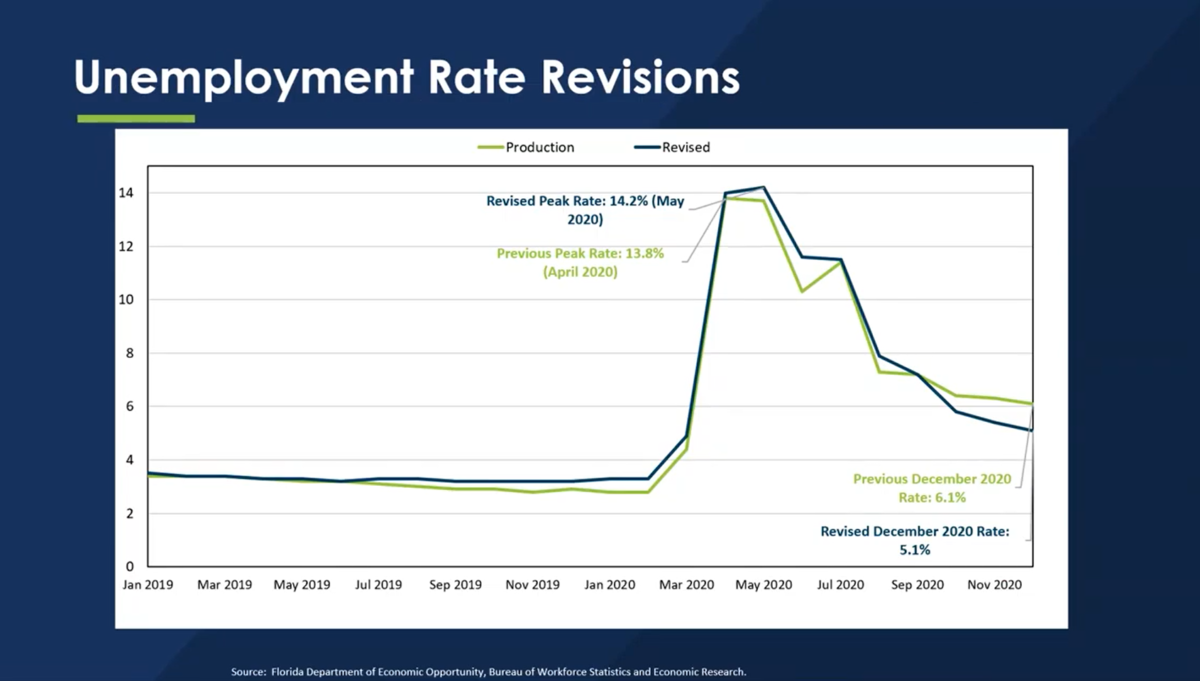
- Impact of the COVID-19 Pandemic: The COVID-19 pandemic in 2020 caused unprecedented disruption to economies worldwide, including Florida’s. The state experienced a sharp, albeit temporary, surge in unemployment as businesses closed or scaled back operations, particularly in leisure and hospitality. However, Florida’s economic resilience and the subsequent reopening efforts led to a relatively swift recovery in employment compared to some other states.
Examining these historical periods highlights Florida’s economic adaptability and its susceptibility to broader economic cycles.
Seasonal Variations in Florida’s Labor Market
Given Florida’s prominent tourism and agriculture sectors, seasonal unemployment is a factor that cannot be overlooked. During peak tourist seasons, the demand for labor in hospitality, food service, and entertainment industries surges, leading to lower unemployment. Conversely, during off-peak seasons, some of these jobs may be reduced, potentially causing a temporary increase in unemployment, especially for seasonal workers. Agricultural employment also follows seasonal patterns, with higher demand during planting and harvesting periods. Understanding these seasonal trends helps provide a more accurate interpretation of monthly unemployment figures.
Factors Influencing the Florida Unemployment Rate
Numerous elements contribute to the ebb and flow of Florida’s unemployment rate. These factors can be broadly categorized into economic, demographic, and policy-driven influences.
Economic Drivers: Industry Health and Job Growth
The strength and composition of Florida’s economy are primary determinants of its unemployment rate. Key sectors play a significant role:
- Tourism and Hospitality: As a major tourist destination, Florida’s economy is heavily reliant on its robust tourism and hospitality sector. This industry provides a substantial number of jobs, from hotel staff and restaurant servers to attraction employees. Fluctuations in tourism demand, both domestically and internationally, directly impact employment in this sector.
- Construction and Real Estate: Florida has historically experienced significant growth in its construction and real estate markets. Periods of rapid development lead to job creation in construction, manufacturing, and related services. Conversely, downturns in these sectors can lead to job losses.
- Healthcare and Pharmaceuticals: With an aging population and a growing demand for medical services, the healthcare sector in Florida is a consistent source of employment. This includes hospitals, clinics, research facilities, and pharmaceutical companies.
- Professional and Business Services: This sector, encompassing areas like finance, insurance, legal services, and management consulting, is often indicative of a healthy, diversified economy. Growth in this sector suggests expansion and increased demand for skilled labor.
- Technology and Innovation: Florida is increasingly becoming a hub for technology and innovation. The growth of tech companies and startups contributes to job creation in fields such as software development, cybersecurity, and data analytics.
The overall pace of job creation across these and other industries directly influences the unemployment rate. When job growth outpaces the growth of the labor force, unemployment tends to decrease.
Demographic Shifts: Population Growth and Workforce Dynamics
Florida’s unique demographic profile also plays a crucial role in its unemployment figures.
- Population Growth: Florida is one of the fastest-growing states in the U.S., attracting new residents from across the country and abroad. This influx of people increases the labor force, meaning more individuals are seeking employment. For the unemployment rate to remain stable or decrease, job creation must keep pace with this population growth.
- Aging Population: The state has a significant retiree population. While retirees are generally not part of the labor force, their presence can influence the demand for certain services, such as healthcare and leisure activities, which in turn affects employment.
- Labor Force Participation: The rate at which individuals are choosing to participate in the labor force (i.e., employed or actively seeking employment) is also a key demographic factor. Changes in participation rates can influence the unemployment rate even if the number of jobs remains constant. For example, if more people decide to retire or stay home, the labor force shrinks, which can lower the unemployment rate.
Government Policies and Economic Incentives
Government policies at both the state and federal levels can significantly impact Florida’s unemployment rate.
- Job Training and Workforce Development Programs: State-funded initiatives aimed at providing job training, skill development, and career counseling can help reduce structural unemployment by equipping individuals with the skills needed for in-demand jobs.
- Economic Development Incentives: Policies designed to attract new businesses to Florida through tax incentives, grants, and regulatory streamlining can foster job creation and reduce unemployment.
- Unemployment Benefits: The structure and generosity of unemployment insurance benefits can influence how long individuals remain unemployed. While intended as a safety net, excessively generous benefits could, in some economic theories, disincentivize a rapid return to work.
- Fiscal and Monetary Policy: Broader economic policies enacted by the federal government, such as interest rate adjustments by the Federal Reserve or federal spending initiatives, have a ripple effect on state economies, including Florida, influencing job growth and unemployment.
Implications of Florida’s Unemployment Rate for Businesses and Individuals
The unemployment rate is more than just a number; it has tangible consequences for both the business community and the individual citizens of Florida.
For Businesses: Labor Availability and Wage Pressures
A low unemployment rate in Florida generally signifies a tight labor market. This presents both opportunities and challenges for businesses:
- Labor Availability: When unemployment is low, businesses may find it more difficult to attract and retain qualified employees. This can lead to longer hiring processes and a greater need for effective recruitment strategies.
- Wage Pressures: In a competitive labor market, businesses may need to offer higher wages and more attractive benefits packages to secure and keep talent. This can increase operating costs but also lead to a more motivated and productive workforce.
- Investment and Expansion: A strong labor market, indicated by low unemployment, can signal a healthy economy, encouraging businesses to invest in expansion and new projects, further stimulating job growth.
- Skills Gap: A persistently low unemployment rate can also highlight a skills gap, where the available jobs require qualifications that are not readily found in the workforce. This necessitates a focus on education and training partnerships.
For Individuals: Job Opportunities and Economic Security
For individuals, the unemployment rate directly impacts their economic well-being and career prospects.
- Job Opportunities: A low unemployment rate generally translates to more job openings and greater opportunities for individuals seeking employment or looking to switch careers. The job search process is often quicker and more successful in such an environment.
- Wage Growth: As businesses compete for a smaller pool of available workers, individuals may experience upward pressure on their wages, leading to increased earning potential and improved economic security.
- Career Advancement: In a thriving job market, individuals may have more opportunities for career advancement, promotions, and professional development.
- Economic Security and Confidence: A stable or declining unemployment rate contributes to a sense of economic security and confidence among individuals, encouraging consumer spending and contributing to overall economic stability. Conversely, high unemployment can lead to financial hardship, reduced consumer spending, and increased social challenges.
Broader Economic Impact: Consumer Spending and Economic Growth
The collective impact of these individual and business-level dynamics on the broader Florida economy is significant.
- Consumer Spending: When more people are employed and earning a steady income, consumer spending tends to increase. This drives demand for goods and services, benefiting businesses and contributing to economic growth.
- Tax Revenue: A higher employment rate leads to increased income tax revenue for the state and local governments, providing resources for public services, infrastructure development, and other vital programs.
- Poverty and Social Welfare: Low unemployment rates are often correlated with lower poverty levels and reduced reliance on social welfare programs, contributing to a more stable and equitable society.
In conclusion, the Florida unemployment rate is a multifaceted indicator that offers a vital lens through which to view the state’s economic health. Its fluctuations are influenced by a complex interplay of economic trends, demographic shifts, and policy decisions, with profound implications for businesses, individuals, and the overall prosperity of the Sunshine State. Continuous monitoring and analysis of this key metric are essential for informed decision-making and sustainable economic development.
aViewFromTheCave is a participant in the Amazon Services LLC Associates Program, an affiliate advertising program designed to provide a means for sites to earn advertising fees by advertising and linking to Amazon.com. Amazon, the Amazon logo, AmazonSupply, and the AmazonSupply logo are trademarks of Amazon.com, Inc. or its affiliates. As an Amazon Associate we earn affiliate commissions from qualifying purchases.