
The sun, an inexhaustible source of energy, has long been revered by civilizations. Today, with the advent of sophisticated photovoltaic (PV) technology, harnessing this power is not just an ecological ideal but a smart financial and technological move for homeowners and businesses alike. The transition to solar energy represents a pivotal shift towards sustainability, independence, and efficiency. This guide delves into the intricate process of solar panel installation, interwoven with insights from the realms of technology, branding, and finance, ensuring you’re equipped to make an informed decision in this booming sector.
The Dawn of Solar Power: Why Now is the Time to Invest in Renewable Energy
The global energy landscape is undergoing a monumental transformation, with solar power at its vanguard. Driven by technological advancements, increasing environmental awareness, and compelling economic incentives, the decision to go solar has never been more attractive. It’s a decision that impacts not just your utility bill, but your property’s value, your environmental footprint, and even your personal or corporate brand.
The Technological Leap: Efficiency and Innovation in Solar PV
Modern solar technology is light-years ahead of its predecessors. Gone are the days of bulky, inefficient panels that barely offset a fraction of energy consumption. Today’s photovoltaic systems boast impressive efficiencies, converting a higher percentage of sunlight into usable electricity. This technological evolution is powered by continuous research and development in material science, cell design, and manufacturing processes.
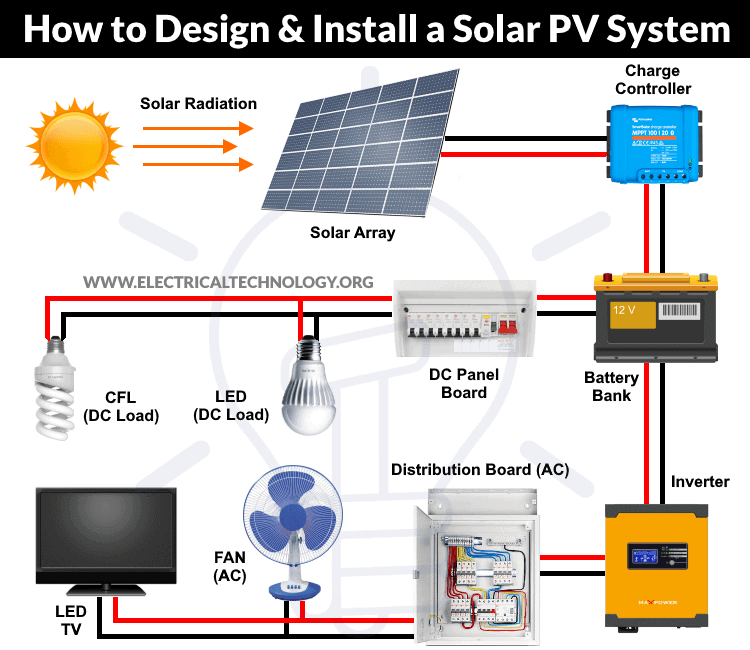
For the Tech enthusiast, understanding the components is key. High-efficiency monocrystalline and polycrystalline panels are now standard, offering robust performance even in less-than-ideal conditions. Crucially, inverters—the brains of your solar system—have evolved significantly. String inverters, microinverters, and power optimizers each offer distinct advantages in terms of energy harvest, monitoring capabilities, and system resilience. Microinverters, for instance, convert DC to AC power at each panel, mitigating the impact of partial shading and providing granular monitoring of individual panel performance, which can be invaluable for diagnosing issues and optimizing output. Moreover, advancements in mounting hardware have made installations quicker, more secure, and aesthetically pleasing, integrating seamlessly with various roof types and architectural styles. The convergence of solar with smart home technology allows for real-time energy monitoring, predictive analytics, and even AI-driven energy management systems that optimize consumption based on weather patterns, electricity prices, and user habits, enhancing both productivity and digital security of your home’s energy ecosystem.
Financial Sunshine: Understanding ROI, Incentives, and Property Value
From a Money perspective, solar panel installation is an investment with a tangible return. The immediate benefit is a significant reduction, if not elimination, of your monthly electricity bills. This predictable cost saving provides financial stability, insulating you from volatile utility rate increases. However, the financial advantages extend far beyond just savings.
Government incentives, such as federal tax credits (e.g., the ITC in the U.S.), state rebates, and local programs, can substantially offset the initial installation cost, making solar remarkably accessible. These programs are designed to accelerate renewable energy adoption and often present a limited-time opportunity to maximize your savings. Beyond upfront savings, many regions offer net metering policies, allowing you to sell excess electricity generated by your panels back to the grid, sometimes even turning your home into a micro-power plant and generating online income. This mechanism effectively credits you for the power you produce but don’t consume, further enhancing your return on investment (ROI). Furthermore, studies consistently show that homes equipped with solar panels command higher property values and sell faster than comparable non-solar homes. This added value is often greater than the cost of the system itself, making solar an appreciating asset rather than a depreciating utility expense. Understanding the financial tools available, from solar loans and leases to Power Purchase Agreements (PPAs), is crucial for choosing the path that best aligns with your personal finance goals.
Branding Your Future: Environmental Responsibility and Modern Living
Going solar is more than an energy decision; it’s a powerful statement about your values and a boost for your Brand. For individuals, it signals a commitment to environmental stewardship, positioning you as a forward-thinking and responsible member of the community. In an era where sustainability is increasingly valued, a solar-powered home enhances your personal brand and resonates with a growing demographic of eco-conscious consumers.
For businesses, the impact is even more profound. Corporate identity is increasingly tied to ESG (Environmental, Social, and Governance) factors. Adopting solar energy demonstrates a tangible commitment to sustainability, improving your corporate identity and reputation. This can lead to increased customer loyalty, attract top talent, and even open doors to new markets and partnerships that prioritize green initiatives. Marketing your business as solar-powered isn’t just a feel-good story; it’s a strategic move that differentiates you from competitors and appeals to a socially aware consumer base. Case studies abound of companies leveraging their solar investments to enhance their public image and bottom line simultaneously. In essence, solar power becomes a visible emblem of progress and responsibility, a hallmark of modern living and responsible business practices.
Navigating the Installation Journey: From Concept to Clean Energy
The journey to solar power is a multi-faceted process that transforms your property into an energy-independent hub. It involves several critical stages, each requiring careful planning, expert execution, and an understanding of regulatory frameworks.
Initial Assessment and System Design: Leveraging AI and Software
The first and arguably most critical step in solar panel installation is a thorough site assessment. This is where Tech truly shines. Reputable solar installers leverage advanced software and AI tools for detailed irradiance mapping, shade analysis, and energy consumption profiling. Drone technology can provide high-resolution imagery and precise measurements of your roof, feeding data into sophisticated design software that simulates panel placement, optimizes tilt and azimuth angles, and estimates annual energy production with remarkable accuracy. This ensures maximum efficiency and energy output for your specific location.
During this phase, your energy needs are carefully evaluated. How much electricity do you consume? When are your peak usage times? This data, combined with local weather patterns and sunlight availability, informs the custom design of your solar array. The right system size balances your energy demands with cost-effectiveness, preventing both under-sizing (leading to continued utility dependence) and over-sizing (an unnecessary expense). Considerations such as roof material, structural integrity, electrical panel capacity, and future expansion possibilities (e.g., EV charging, battery storage) are all factored into the design, ensuring a robust and future-proof solution.
Permitting and Regulatory Compliance: A Smooth Path to Installation
Navigating the labyrinth of local, state, and national regulations is a crucial, though often overlooked, aspect of solar installation. This is where the Brand strength of your chosen installer becomes invaluable. A reputable solar company will have extensive experience and established relationships with local authorities, ensuring a streamlined permitting process. They handle all the necessary paperwork, from obtaining building permits and electrical permits to ensuring compliance with homeowners’ association (HOA) rules and zoning ordinances.
This phase is vital for both legality and safety. Without proper permits, your system could be deemed non-compliant, leading to fines, project delays, or even forced removal. A professional installer acts as your guide through this administrative maze, ensuring that every detail, from electrical wiring to structural attachments, meets stringent safety codes and local building requirements. Their expertise minimizes potential roadblocks, safeguarding your investment and providing peace of mind. This commitment to compliance reinforces their brand as reliable and trustworthy, allowing you to focus on the benefits rather than the bureaucracy.
The Installation Process: Components and Best Practices
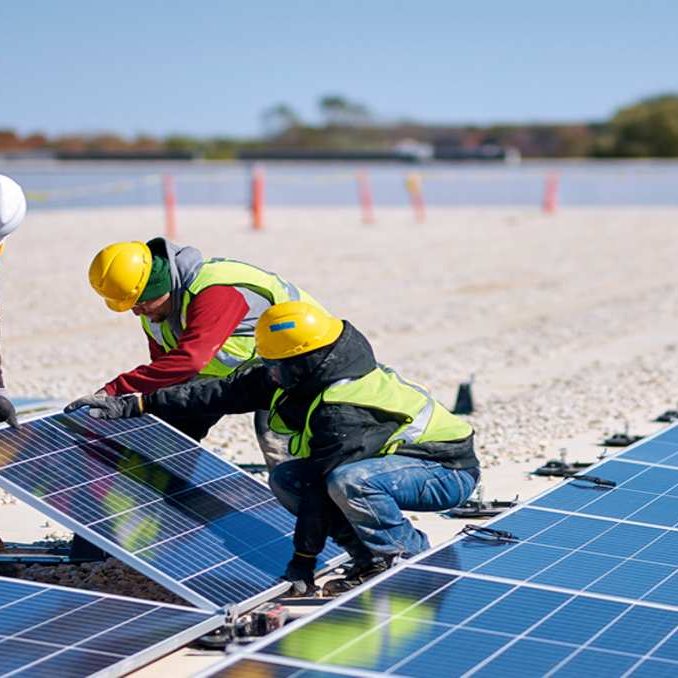
Once designs are finalized and permits secured, the physical installation begins. This hands-on phase is a testament to skilled craftsmanship and precision Tech integration.
The process typically involves:
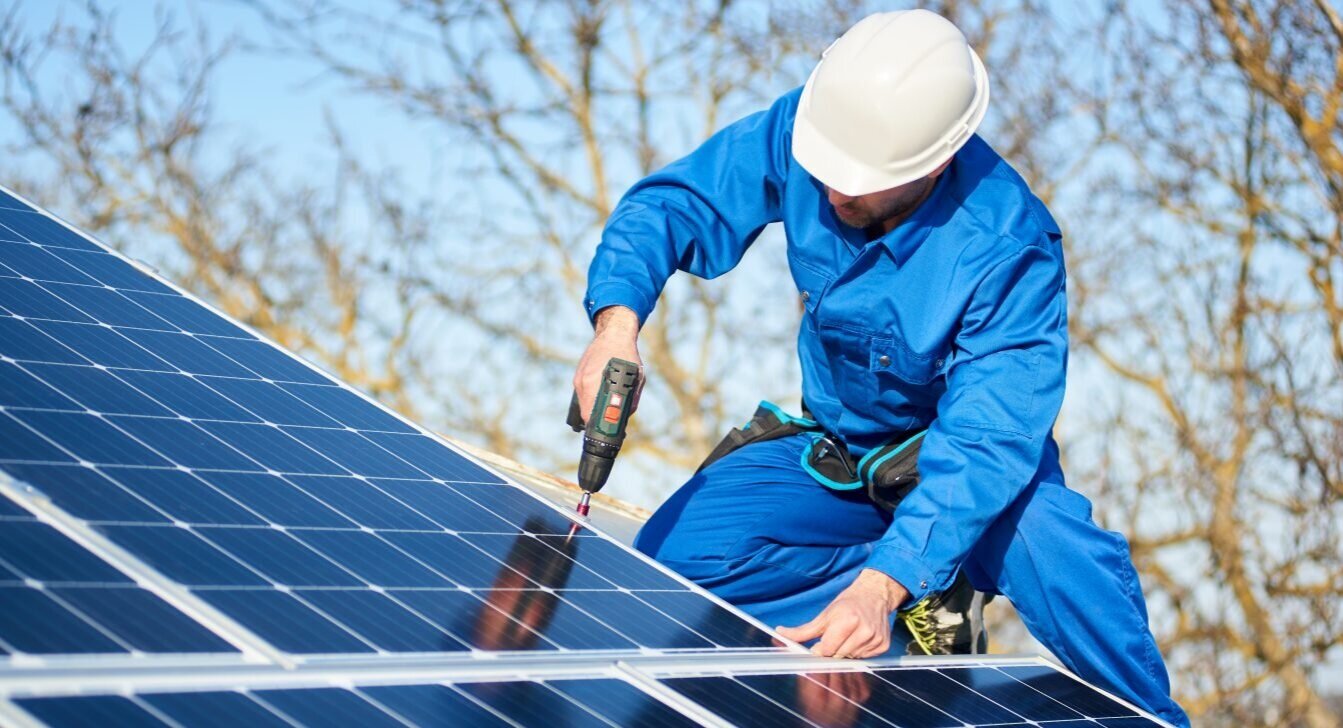
- Mounting System Installation: Racking systems are securely attached to your roof. These are designed to withstand local weather conditions, including wind, snow, and seismic activity. The choice of mounting system varies based on roof type (shingle, tile, metal, flat) and aesthetic preferences.
- Panel Placement: Solar panels are carefully lifted and fastened onto the racking. Installers ensure proper spacing for optimal ventilation and access.
- Electrical Wiring: This involves connecting the panels to each other in series or parallel, depending on the inverter type, and then running the DC wiring to the inverter. If microinverters are used, the AC wiring is then run to a central junction. All wiring is meticulously managed for safety and efficiency.
- Inverter Installation: The inverter(s) are mounted in a suitable location, typically near your electrical panel or garage, converting the DC electricity from the panels into usable AC electricity for your home.
- Electrical Hookup: The AC output from the inverter is connected to your home’s main electrical panel, integrating the solar system seamlessly with your existing electrical infrastructure. This often requires an upgrade to the main service panel, especially for older homes.
Best practices during installation include meticulous attention to safety protocols, ensuring all connections are watertight and secure, and minimizing disruption to your property. Qualified, certified electricians and installers are paramount, adhering to industry standards and manufacturer specifications to guarantee system longevity and performance.
Grid Connection and System Activation: Turning on the Power
The final steps involve rigorous inspections and official activation. After your system is physically installed, local utility companies and/or electrical inspectors will perform a final inspection to ensure everything complies with safety codes and utility requirements. This critical step verifies that your system is safe, correctly installed, and ready for grid interconnection.
Once all inspections pass, the utility company grants “Permission to Operate” (PTO). This is the moment your solar journey culminates. Your system is officially switched on, and you begin generating your own clean electricity. For those with net metering, this also means your meter starts tracking both the electricity you consume from the grid and the excess electricity you send back, impacting your Money through bill credits or potential earnings. Many modern systems come with integrated monitoring apps (a key Tech feature) that allow you to track your real-time energy production and consumption, offering transparency and control over your new power source.
Optimizing Your Solar Investment: Beyond Installation
Installing solar panels is just the beginning of your sustainable energy journey. To truly maximize the benefits and ensure the longevity of your investment, ongoing management, smart financial planning, and strategic partnerships are essential.
Smart Monitoring and Maintenance: Keeping Your System Peak
Post-installation, robust monitoring and occasional maintenance are crucial for peak performance and safeguarding your Money investment. Modern solar systems come equipped with sophisticated Tech monitoring platforms, often accessible via smartphone apps or web portals. These tools provide real-time data on energy production, identify performance anomalies, and can even alert you to potential issues like a shaded panel or an inverter malfunction. Regular checks of this data can help detect problems early, preventing significant energy losses.
While solar panels require minimal maintenance – rain often does the job of washing away dirt and dust – occasional cleaning, especially in dusty or pollen-heavy environments, can boost efficiency. Annual or biennial professional inspections can identify loose connections, wiring issues, or potential wear and tear on components, ensuring system safety and maximizing its lifespan. Proactive maintenance is a small ongoing cost that protects a much larger investment, guaranteeing your system operates at its optimal capacity for decades, thus maximizing your savings and ROI.
Financial Planning and Long-Term Savings: Maximizing Your Return
To fully realize the Money benefits of your solar system, a long-term financial perspective is essential. Beyond the initial savings on utility bills, consider how your solar investment integrates with your broader financial planning. For instance, understanding your local electricity rates and how they might fluctuate allows you to optimize your consumption patterns. Time-of-use (TOU) tariffs, which charge different rates at different times of the day, can be strategically managed by shifting high-consumption activities to periods of peak solar production.
Explore options for energy storage, such as battery backup systems. While an additional upfront cost, batteries can further enhance your financial independence by storing excess solar energy generated during the day for use at night or during grid outages. This reduces reliance on expensive peak-hour electricity from the grid and provides energy security, potentially turning your home into a resilient microgrid. Continuously monitor available incentives, as new programs may emerge that further enhance your financial returns or provide opportunities for upgrades. Maximizing these aspects ensures your solar panels remain a high-performing financial asset.
Choosing the Right Partner: Installer Reputation and Brand Trust
The success and longevity of your solar investment heavily depend on the expertise and integrity of your installer. This is where the Brand of your chosen company becomes paramount. Selecting a reputable solar installer isn’t just about getting the job done; it’s about establishing a long-term partnership with a company you can trust.
Look for installers with a strong track record, positive customer reviews, and relevant certifications (e.g., NABCEP certification in North America). A transparent installer will provide detailed quotes, explain all components, outline the installation process clearly, and be upfront about warranties and guarantees on both equipment and workmanship. Check their licensing and insurance to ensure you’re protected. A strong company brand signifies reliability, quality craftsmanship, and excellent customer service—qualities that are crucial for post-installation support, maintenance, and any warranty claims. Your installer’s reputation directly impacts your experience and the long-term performance of your solar system. They are essentially selling you peace of mind alongside cutting-edge technology.
Future-Proofing with Technology: Battery Storage and Smart Home Integration
The future of solar energy is deeply intertwined with advancements in Tech. Battery storage systems, once prohibitively expensive, are becoming more accessible and efficient. Integrating a battery backup system with your solar panels offers unparalleled energy independence, protecting you from power outages and allowing you to store surplus energy for use when the sun isn’t shining. This is particularly appealing for those looking to maximize their self-consumption and further reduce reliance on the grid.
Beyond batteries, the synergy between solar and smart home technology is rapidly expanding. Smart energy management systems can learn your energy consumption patterns, predict future needs based on weather forecasts, and automatically optimize power flows between your solar panels, battery, and the grid. This level of automation enhances both convenience and efficiency. Furthermore, the rise of electric vehicles (EVs) creates another compelling reason for solar. Charging an EV with solar power from your home reduces your carbon footprint even further and maximizes the financial benefits of your solar array. Investing in solar today means not just addressing current energy needs but also preparing your home or business for a more connected, sustainable, and technologically advanced future.
In conclusion, solar panel installation is a transformative undertaking that transcends simple energy production. It’s a strategic embrace of cutting-edge technology, a savvy financial decision, and a powerful statement about one’s commitment to a sustainable future. By understanding the intricate steps involved and leveraging insights from the realms of technology, finance, and branding, you can confidently embark on your solar journey, unlocking a world of clean energy, smart savings, and enhanced value.
aViewFromTheCave is a participant in the Amazon Services LLC Associates Program, an affiliate advertising program designed to provide a means for sites to earn advertising fees by advertising and linking to Amazon.com. Amazon, the Amazon logo, AmazonSupply, and the AmazonSupply logo are trademarks of Amazon.com, Inc. or its affiliates. As an Amazon Associate we earn affiliate commissions from qualifying purchases.