
In the realm of personal finance, travel is often one of the most significant discretionary expenses a household faces. Whether it is a cross-continental business trip or a long-awaited family vacation, the cost of airfare can fluctuate wildly, sometimes changing by hundreds of dollars within a single twenty-four-hour cycle. Understanding the financial mechanics behind these fluctuations is not merely a matter of convenience; it is a critical skill in capital preservation and budget optimization.
For the modern traveler, the question of “when” to book a flight is a puzzle of data points, market trends, and economic psychological factors. To maximize the return on your travel investment, one must move beyond old wives’ tales and look at the hard financial realities of the aviation industry. This article explores the strategic timing and fiscal tools required to secure the best possible rates in an era of volatile pricing.
The Financial Anatomy of Airfare Pricing
Before one can master the timing of a purchase, it is essential to understand why prices move the way they do. Airlines operate on some of the thinnest profit margins in the corporate world, leading them to employ sophisticated revenue management systems designed to extract the maximum “willingness to pay” from every passenger.
Dynamic Pricing and Its Impact on Your Wallet
Airlines utilize dynamic pricing algorithms that adjust fares in real-time based on supply, demand, and competitor moves. From a personal finance perspective, this means that airfare is a “soft commodity.” Unlike a fixed-price retail good, a flight seat’s value is depreciating; once the plane takes off, an empty seat has a value of zero.
To mitigate the risk of empty seats while maximizing profit, airlines categorize seats into “fare buckets.” As the cheaper buckets fill up, the price automatically jumps to the next level. For the consumer, the goal is to identify the moment when the most affordable buckets are open before the scarcity of time forces a move into premium-priced “last-minute” tiers.
The Myth of the “Tuesday Afternoon” Rule
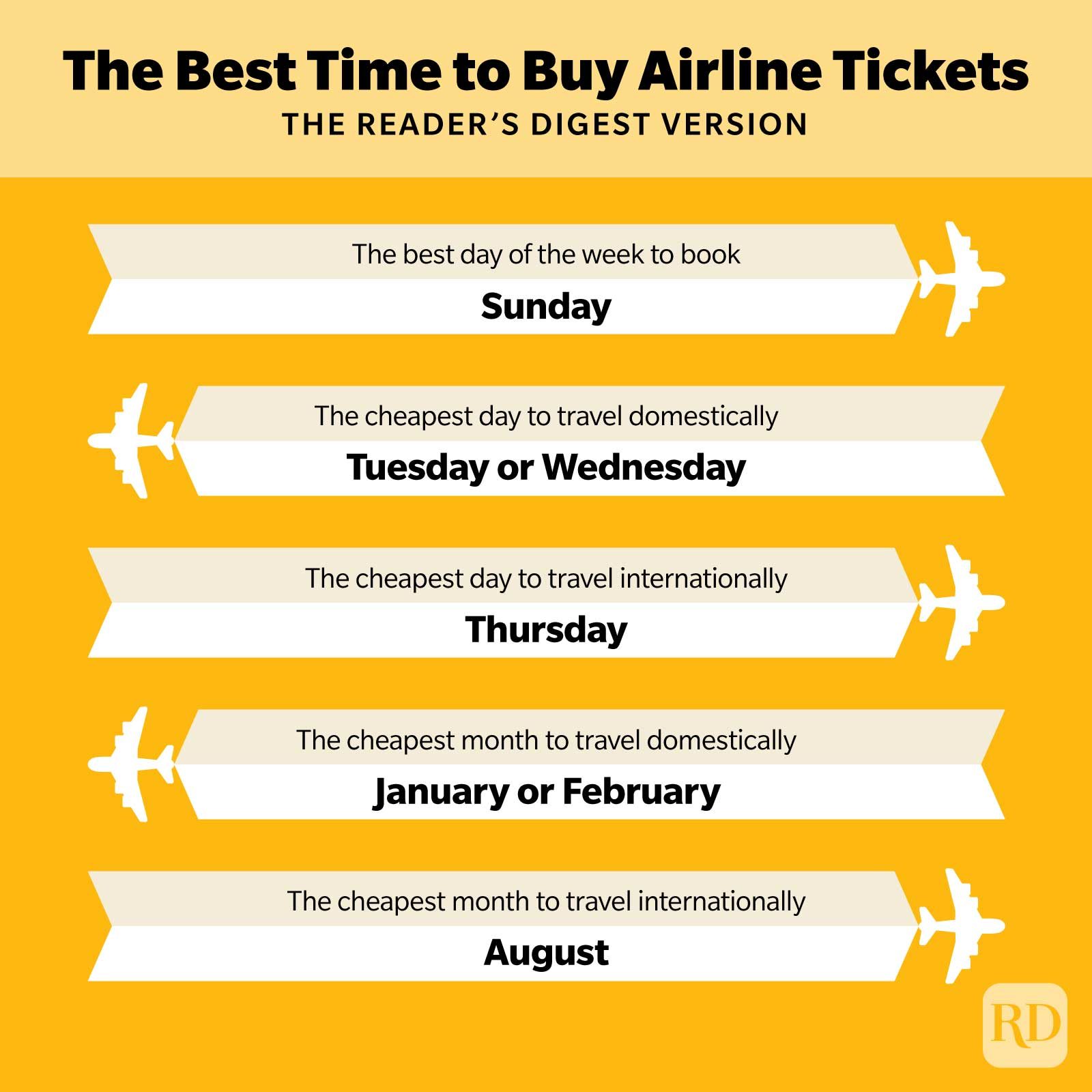
For years, a popular piece of financial advice suggested that booking on a Tuesday at 3:00 PM was the golden rule for savings. While this may have held some truth a decade ago when airlines manually loaded fares into systems early in the week, modern AI-driven pricing has rendered this “rule” largely obsolete.
In today’s economy, the day of the week you book is far less important than the day of the week you fly and how far in advance you commit your capital. The financial focus should shift from “what day of the week is it today?” to “how many days remain until departure?” and “what is the current trend of the market?”
Strategic Booking Windows: Timing Your Purchase for Maximum ROI
The most effective way to reduce the cost of travel is to hit the “Goldilocks Zone”—the window of time where the airline has stopped offering early-bird discounts but hasn’t yet begun to capitalize on the desperation of late-notice travelers.
The Goldilocks Zone: Domestic vs. International
From a budget management standpoint, domestic and international flights require different lead times. For domestic travel, historical data suggests that the financial sweet spot usually lies between one and three months before departure. During this window, airlines have a clear picture of their load factors and will often lower prices to fill remaining seats.
International travel requires a longer-term investment strategy. Because these routes involve higher operational costs and more complex logistics, the “prime booking window” typically opens six to eight months in advance. Booking too early (more than ten months out) can actually be counterproductive, as airlines often set high baseline prices before they begin to compete on price closer to the date.
Seasonality and the Premium of Convenience
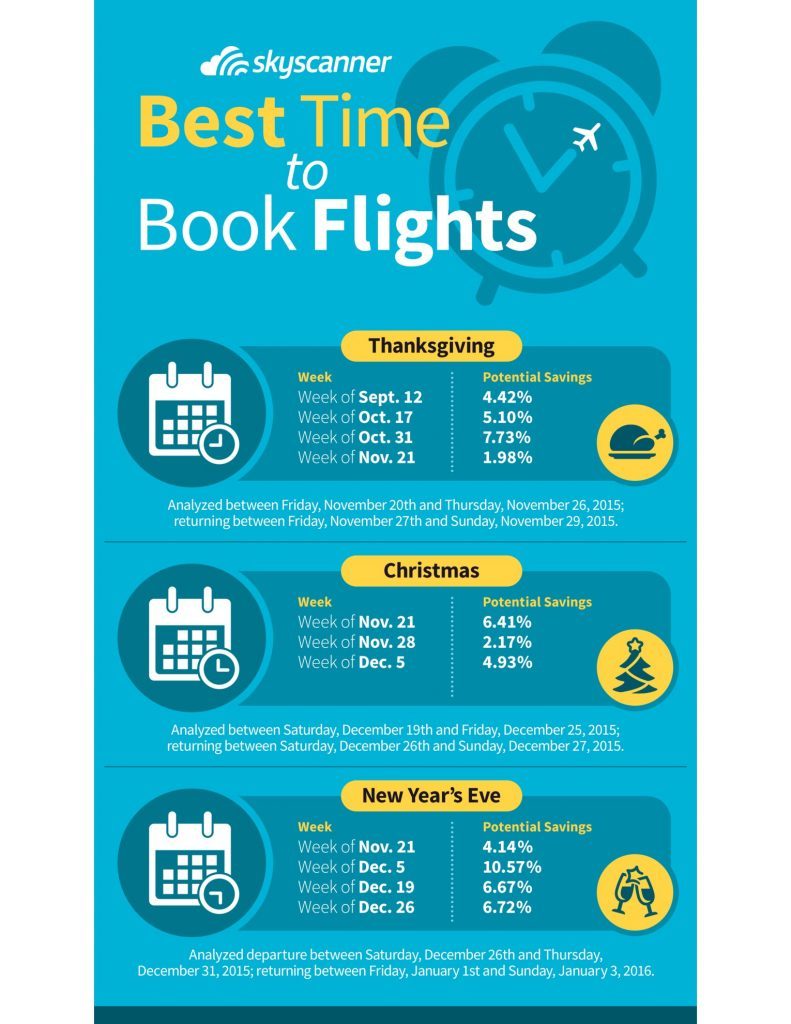
In finance, timing is everything, and the same applies to the calendar of the year. Booking a flight for mid-July in January might save money, but the “when” also applies to the travel dates themselves. To optimize your travel budget, you must account for the “shoulder season”—the period between peak and off-peak travel.
Traveling during peak holidays like Christmas or mid-summer is a guaranteed way to pay a premium. However, by shifting your travel window by just two weeks into the shoulder season (such as late September or early May), you can often reduce your flight expenditure by 30% to 50%. This is a high-yield financial move that requires little effort other than a flexible schedule.

Leveraging Financial Tools and Credit Optimization
The “best time” to book a flight isn’t just about the date on the calendar; it is also about the state of your financial toolkit. Utilizing the right financial instruments can provide a “rebate” on your travel costs through rewards and protections.
Maximizing Travel Rewards and Point Valuations
For those focused on online income and savvy personal finance, credit card points are a form of alternative currency. The best time to book a flight is often when you can achieve a high “cents per point” (CPP) valuation. If a flight costs $500 or 25,000 points, you are getting a 2-cent-per-point value—generally considered a solid return.
Strategic travelers use “transfer partners” to move credit card points to airline loyalty programs during promotional periods. If an airline offers a 30% transfer bonus, your “cost” in points drops significantly, making that the optimal financial moment to execute the transaction, regardless of the cash price.
Price Protection and Travel Insurance as Risk Management
Modern financial tools allow you to hedge against price drops. Some high-end credit cards and travel booking engines offer “price drop protection.” If you book a flight and the price decreases within a certain timeframe, the service refunds the difference.
Furthermore, from a risk management perspective, the “best time” to book is also the time you can afford to protect the investment. Utilizing travel insurance—either purchased separately or included in your credit card benefits—protects your capital against unforeseen cancellations. In the world of finance, protecting your downside is just as important as finding the lowest entry price.
Advanced Money-Saving Tactics Beyond the Calendar
To truly master the cost of airfare, one must look at advanced strategies that treat flight booking like a sophisticated market trade.
Currency Arbitrage and Regional Pricing Strategies
Airlines often price tickets differently depending on the “point of sale.” This is a form of geographic price discrimination. A savvy traveler with a global financial mindset might find that booking a flight through an airline’s version of their website for a different country (e.g., the Mexican version of an airline site instead of the U.S. version) allows them to pay in a weaker currency or benefit from local promotions.
While this requires a credit card with no foreign transaction fees, the savings can be substantial. It is essentially a form of currency arbitrage applied to the travel industry. However, one must be careful to ensure that the terms and conditions do not prohibit such practices for non-residents.
The Role of Airfare Tracking and Automation
In the same way that investors use “limit orders” to buy stocks at a specific price, travelers should use airfare tracking tools. Setting a price alert allows you to outsource the monitoring process. This removes the emotional impulse to “buy now” out of fear of rising prices and allows you to wait for a dip that hits your predetermined budget target.
Financially speaking, automation is the enemy of emotional spending. By setting a target price based on historical averages for a route, you can ensure that you only commit your capital when the market conditions align with your financial goals.
Conclusion: Building a Long-Term Travel Budget Strategy
Identifying the best time to book a flight is not a one-off task but a component of a broader financial strategy. It requires a blend of historical data analysis, an understanding of market psychology, and the disciplined use of financial tools.
To recap, the best time to book is rarely a specific day of the week, but rather a calculated window—roughly 1-3 months for domestic and 2-8 months for international flights. This should be combined with the strategic use of travel rewards to lower the “cash out of pocket” and the use of tracking tools to catch market dips.
By treating airfare as a variable-price asset rather than a fixed cost, you can significantly lower your annual travel expenditures. This frees up capital for other investments, side hustles, or future experiences, ensuring that your passion for travel enhances your financial health rather than detracting from it. In the end, the most successful traveler is the one who understands that the “best time” to book is whenever the price aligns with a well-researched and disciplined financial plan.
aViewFromTheCave is a participant in the Amazon Services LLC Associates Program, an affiliate advertising program designed to provide a means for sites to earn advertising fees by advertising and linking to Amazon.com. Amazon, the Amazon logo, AmazonSupply, and the AmazonSupply logo are trademarks of Amazon.com, Inc. or its affiliates. As an Amazon Associate we earn affiliate commissions from qualifying purchases.