
The Nintendo 3DS, a console that captivated a generation of gamers with its unique glasses-free 3D technology and an impressive library of titles, continues to hold a special place in the hearts of many. For those who have ventured into the world of console modification, a common question arises: can you install and play Nintendo DS games on a hacked 3DS? The answer, in short, is a resounding yes, but the journey involves understanding the underlying technologies, the legalities, and the practical steps involved. This exploration delves into the fascinating intersection of retro gaming, technological advancement, and the vibrant homebrew community that makes such feats possible.
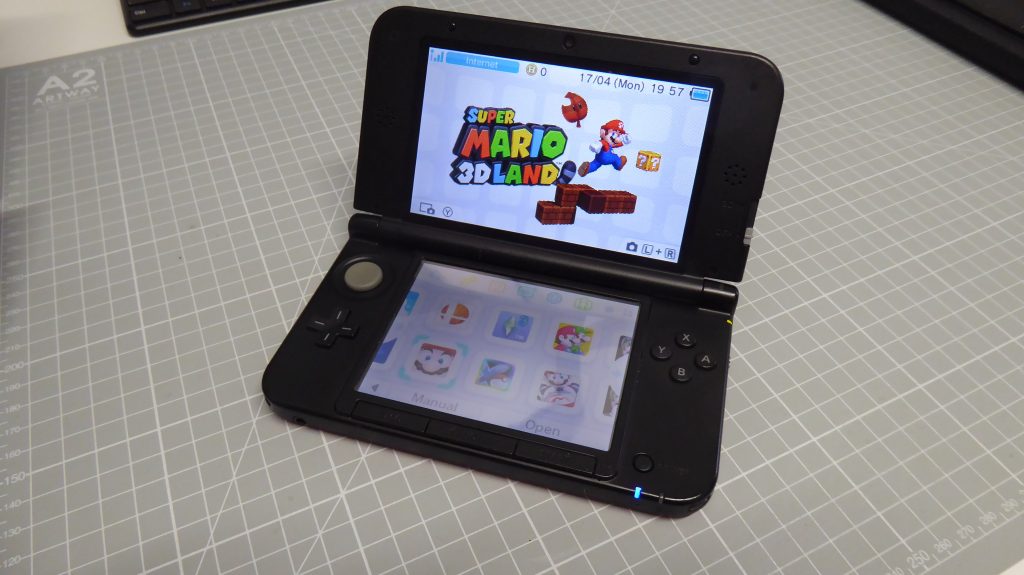
The allure of playing classic DS titles on the more portable and arguably more refined hardware of the 3DS is undeniable. Imagine having access to your entire DS library, alongside the 3DS’s native games, all on one device. This possibility is not a distant dream; it’s a reality for those who have unlocked the potential of their 3DS through custom firmware and homebrew applications. This article will guide you through the process, demystifying the technical aspects and offering insights into the broader implications of this capability.
The Technical Foundation: How DS Games Run on a 3DS
The Nintendo 3DS is a marvel of backward compatibility, a feature that extends beyond its own native library. Nintendo, in its wisdom, designed the 3DS with hardware and software components capable of emulating or directly running Nintendo DS games. This wasn’t just a software patch; it was a foundational aspect of the console’s architecture.
Hardware and Software Synergy
At its core, the 3DS possesses the necessary processing power and memory to handle the demands of DS games. Unlike pure emulation on a PC, which often requires significant processing overhead to mimic different hardware, the 3DS has a degree of direct compatibility. This is because the 3DS essentially houses a “DS within a DS.” It has dedicated hardware for running DS software, allowing for a near-native experience.
When you boot a DS game on a 3DS (either through a physical cartridge or, as we’ll discuss, through homebrew), the 3DS transitions into a “DS mode.” In this mode, it prioritizes DS-specific operations, allocating resources and utilizing the hardware in a way that is perfectly optimized for the older console’s games. This inherent capability is the bedrock upon which homebrew solutions are built.
The Role of Custom Firmware (CFW)
The ability to install and run DS games through homebrew methods is facilitated by custom firmware (CFW). CFW effectively unlocks the full potential of the 3DS, allowing it to run unsigned code, which includes applications and game backups not officially sanctioned by Nintendo.
Think of CFW as a master key that grants you access to the deepest levels of the 3DS’s operating system. Without CFW, the console is restricted to its official functionalities, including playing Nintendo-approved DS cartridges. However, with CFW, the door opens to a world of possibilities, including the ability to manage and launch DS game ROMs.
The installation of CFW itself is a multi-step process that requires careful adherence to guides and tutorials. It’s a journey that many have undertaken, and the rewards include not only playing DS games but also accessing a plethora of other homebrew applications, emulators for even older consoles, and custom themes.
Homebrew Solutions: The Path to DS Game Installation
Once your 3DS is running custom firmware, the door to installing DS games is effectively open. This is primarily achieved through the use of specific homebrew applications designed to manage and launch DS ROMs.
Introducing DS Emulators and Launchers
The primary tool for this purpose is a DS emulator or launcher specifically designed for the 3DS homebrew scene. These applications are developed by talented individuals within the community and are designed to interface with the 3DS’s hardware and CFW to load and run DS game ROM files.
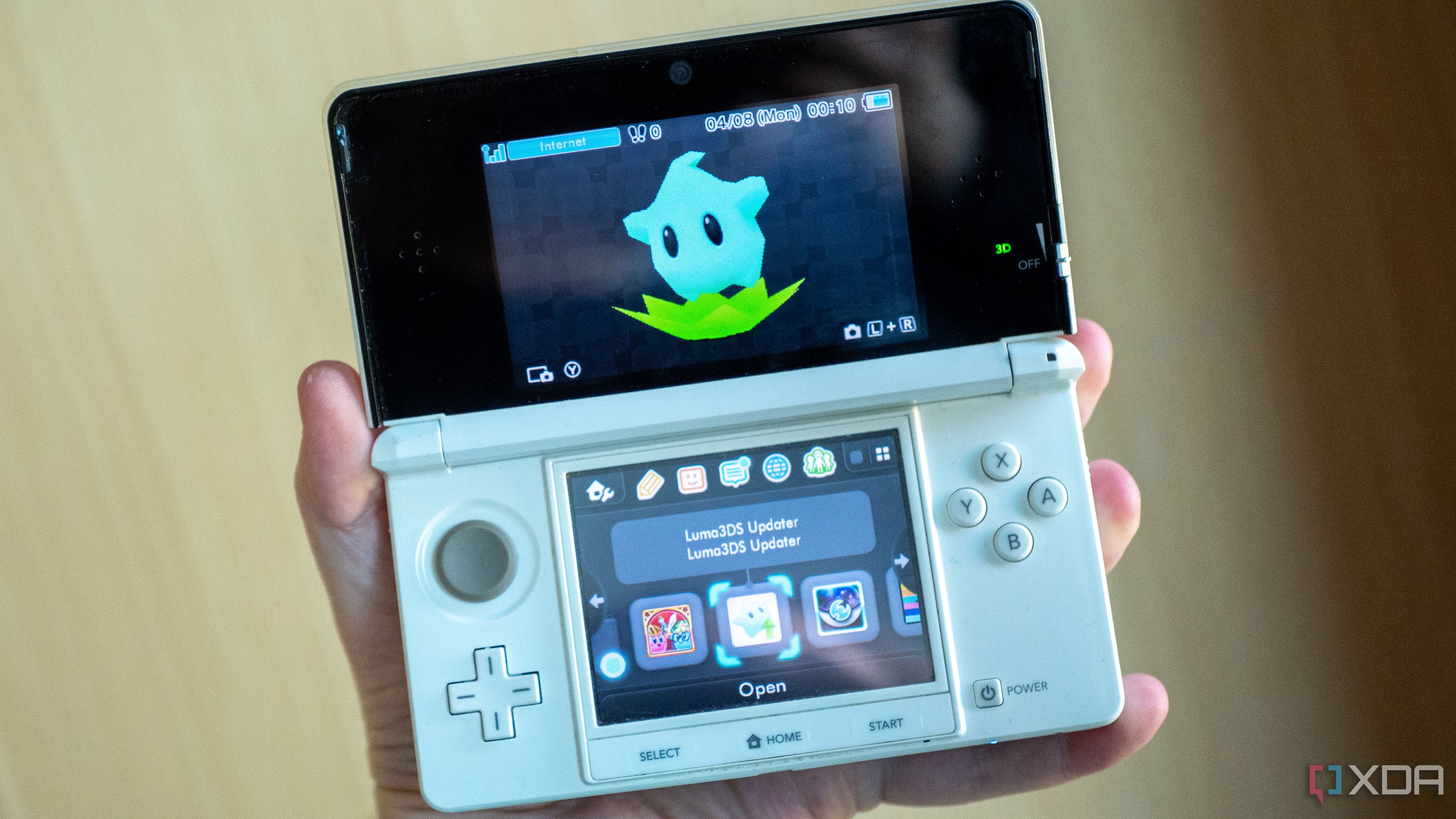
One of the most popular and widely used solutions is Twilight Menu++. This sophisticated homebrew application acts as a powerful replacement for the original 3DS menu and, crucially, includes robust support for running DS games. It allows you to browse your collection of DS ROMs, select a game, and launch it directly on your 3DS.
Twilight Menu++ doesn’t just play DS games; it offers a rich user experience. It often supports features like:
- Game Saves: Management of save data for your DS titles.
- Customization: Options to tweak performance settings, display preferences, and even apply cheats.
- DSiWare Support: The ability to run DSiWare titles, further expanding your playable library.
- User-Friendly Interface: A navigable menu that makes managing your ROMs straightforward.
Other similar homebrew solutions might exist or emerge within the community, but Twilight Menu++ has become a de facto standard due to its stability, feature set, and ongoing development.
Acquiring and Managing DS Game ROMs
The technical aspect of playing DS games on a hacked 3DS hinges on having access to the game files themselves, commonly known as ROMs. It’s imperative to address the legal and ethical considerations surrounding ROM acquisition.
The Legal and Ethical Landscape:
It is crucial to understand that downloading ROMs for games you do not own is generally considered copyright infringement and is illegal in most jurisdictions. The prevailing legal and ethical consensus in the retro gaming and homebrew community is to only use ROMs for games that you legally own. This typically involves:
- Ripping ROMs from your own physical cartridges: If you own a physical copy of a DS game, you can use specialized homebrew software on your hacked 3DS to create a digital backup (ROM) of that game. This is the most legally sound method.
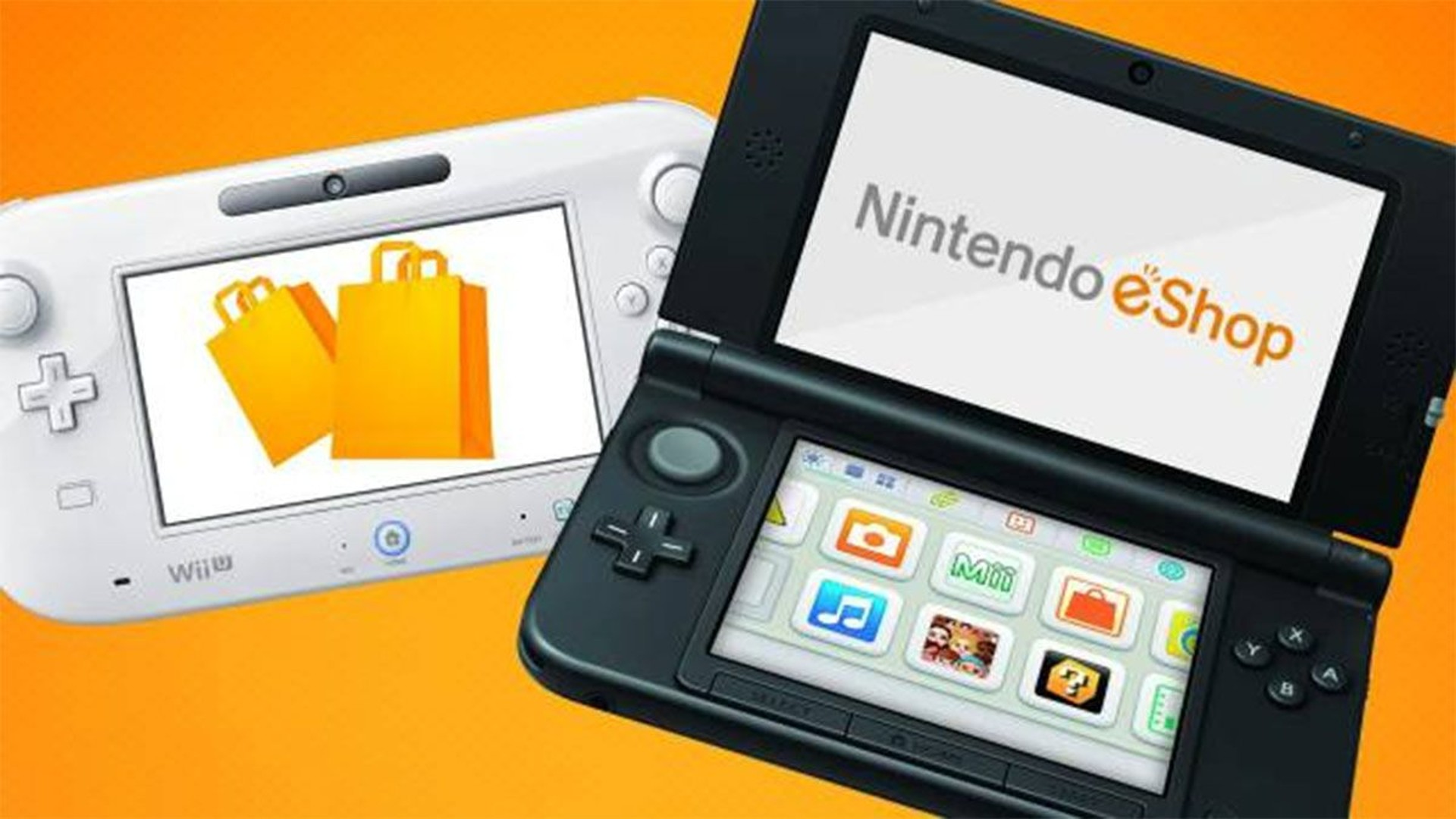
- Purchasing digital copies: While less common for DS games specifically on the 3DS (as the eShop for DS titles is no longer actively supported), the principle of owning the game digitally or physically before creating or obtaining a ROM is paramount.
Organizing Your ROMs:
Once you have legally obtained your DS game ROMs (typically in .nds format), you’ll need to organize them for easy access. This usually involves:
- Formatting your SD Card: Your 3DS’s SD card will be the storage location for your homebrew applications and game ROMs. Ensure it’s formatted correctly (usually FAT32).
- Creating a dedicated folder: Within your SD card’s file structure, you’ll typically create a folder (often named “roms” or “nds”) where you’ll store all your
.ndsfiles. - Transferring ROMs: Use a reliable file transfer method (like a USB connection to your computer or an FTP client if your CFW supports it) to move your ROMs into the designated folder on your SD card.
The homebrew launcher, like Twilight Menu++, will then scan this folder and display your games in its interface, ready for selection and playback.
Benefits and Considerations of Playing DS Games on a 3DS
The ability to play DS games on a hacked 3DS brings a host of advantages, but it’s also important to be aware of potential downsides and best practices.
Enhanced Gaming Experience
The 3DS offers several improvements over the original DS hardware that enhance the DS gaming experience:
- Superior Screen: The 3DS’s screens are generally sharper, brighter, and have higher resolution than the original DS or DS Lite. This translates to a clearer and more vibrant visual presentation for DS games.
- Improved Controls: The D-pad and face buttons on the 3DS are often considered more tactile and responsive than those on older DS models.
- Larger Screen Real Estate: While not dramatically different, the slightly larger screens can offer a more immersive experience.
- Portability and Convenience: Having your entire DS library accessible on a single device, alongside your 3DS games, offers unparalleled convenience for gamers on the go. No more juggling multiple cartridges.
- Access to a Vast Library: Many DS games are no longer readily available or are prohibitively expensive to purchase physically. Homebrew allows enthusiasts to rediscover and enjoy these lost gems.
Important Considerations and Potential Drawbacks
While the benefits are significant, there are crucial factors to keep in mind:
- Legality and Ethics: As stressed before, only use ROMs for games you legally own. The homebrew community largely operates on this principle, and respecting copyright is essential for its continued existence and acceptance.
- Risk of Bricking (if not careful): While installing CFW is generally safe when following reputable guides, there’s always a small risk of “bricking” your console (rendering it inoperable) if the process is not followed correctly. This risk is significantly mitigated by using well-established and up-to-date tutorials.
- Performance Variations: While most DS games run exceptionally well on the 3DS due to the native hardware support, some exceptionally demanding or uniquely coded DS titles might exhibit minor performance differences or compatibility issues. The homebrew community is constantly working to improve compatibility, so updates to emulators and launchers can often resolve these issues.
- Battery Life: Running DS games, especially those that are graphically intensive, might consume more battery power compared to native 3DS games.
- The Homebrew Community: The success and longevity of these homebrew solutions rely heavily on the dedication and skill of the developers and the wider community. Staying informed about updates and best practices is beneficial.
Conclusion: Unlocking a Legacy of Gaming
The question “Can you install DS games on a hacked 3DS?” is answered with a resounding yes. This capability is a testament to the ingenuity of the homebrew community and the inherent design of the Nintendo 3DS. By leveraging custom firmware and powerful homebrew applications like Twilight Menu++, players can breathe new life into their classic Nintendo DS libraries, enjoying them on a more modern and capable handheld.
The process, while requiring some technical aptitude and a commitment to responsible digital ownership, opens up a world of gaming nostalgia and discovery. It allows for the preservation of gaming history and the enjoyment of titles that might otherwise be lost to time or prohibitive costs.
As with any exploration into the realm of console hacking, a mindful and informed approach is crucial. Understanding the legalities of ROM acquisition, following installation guides meticulously, and staying engaged with the supportive homebrew community will ensure a smooth and rewarding experience. The Nintendo 3DS, already a beloved console, becomes an even more versatile gaming powerhouse when its full potential is unlocked, allowing you to seamlessly blend the best of both DS and 3DS eras into a single, incredible handheld device.
aViewFromTheCave is a participant in the Amazon Services LLC Associates Program, an affiliate advertising program designed to provide a means for sites to earn advertising fees by advertising and linking to Amazon.com. Amazon, the Amazon logo, AmazonSupply, and the AmazonSupply logo are trademarks of Amazon.com, Inc. or its affiliates. As an Amazon Associate we earn affiliate commissions from qualifying purchases.