
In the world of modern retail, few entities possess the cultural resonance and logistical agility of Spirit Halloween. As the leaves begin to turn and the air grows crisp, the ubiquitous orange-and-black banners appear almost overnight in abandoned storefronts across North America. Yet, as quickly as they appear, they vanish. For consumers, the question “When does Spirit Halloween close?” is a matter of securing last-minute clearance deals. For brand strategists and marketing professionals, however, the answer to that question reveals a masterclass in seasonal brand lifecycle management, scarcity marketing, and corporate identity.

The closing of Spirit Halloween is not merely an operational deadline; it is the final act of a carefully choreographed brand performance that maximizes revenue and cultural relevance within a hyper-specific window. By examining the brand strategy behind their opening and closing cycles, we can uncover how Spirit Halloween has become the definitive case study for the “pop-up” business model.
The Architecture of a Pop-Up Empire: Building a Seasonal Identity
Spirit Halloween, owned by Spencer Gifts, does not operate like a traditional retailer. Its brand strategy is predicated on the “here today, gone tomorrow” philosophy. This ephemeral nature is not a weakness; it is the core of their brand identity.
From Niche Idea to Cultural Icon
Founded in 1983, Spirit Halloween recognized a gap in the market for a comprehensive, one-stop shop for all things macabre. Over the decades, the brand has evolved from a simple costume shop into a cultural touchstone. Its identity is built on the concept of “The Spirit of Halloween”—a persona that is festive, slightly rebellious, and deeply immersive. By focusing exclusively on a single holiday, the brand positions itself as the ultimate authority, a strategy that builds immense trust and brand equity despite its limited physical presence throughout the year.
The Psychology of Scarcity
The brand’s lifecycle is a textbook application of the scarcity principle. Because consumers know that Spirit Halloween stores are temporary, the “closing” date acts as a ticking clock that drives foot traffic. Unlike a permanent retailer that can rely on year-round sales, Spirit must condense a year’s worth of brand engagement into roughly ten weeks. This creates a high-intensity brand experience where every visit feels urgent, and every purchase is framed by the knowledge that the opportunity will soon disappear.
When the Spirit Leaves: The Science of the “Closing Date”
While the exact date can vary slightly by location based on lease agreements and inventory levels, Spirit Halloween traditionally begins its exit strategy immediately following the holiday. For the majority of locations, the doors officially close on November 1st or November 2nd.
The November 1st Transition: Brand Liquidation
The day after Halloween represents the most significant shift in the brand’s annual lifecycle. On November 1st, Spirit Halloween transitions from a “premium experience” brand to a “liquidation” brand. This is the day of the legendary “50% Off Everything” sale. From a branding perspective, this serves two purposes. First, it ensures that the physical inventory is cleared out, minimizing storage costs. Second, it rewards brand loyalists, ensuring that the final interaction a consumer has with the brand for the year is one of extreme value and satisfaction.
Post-Season Brand Hibernation
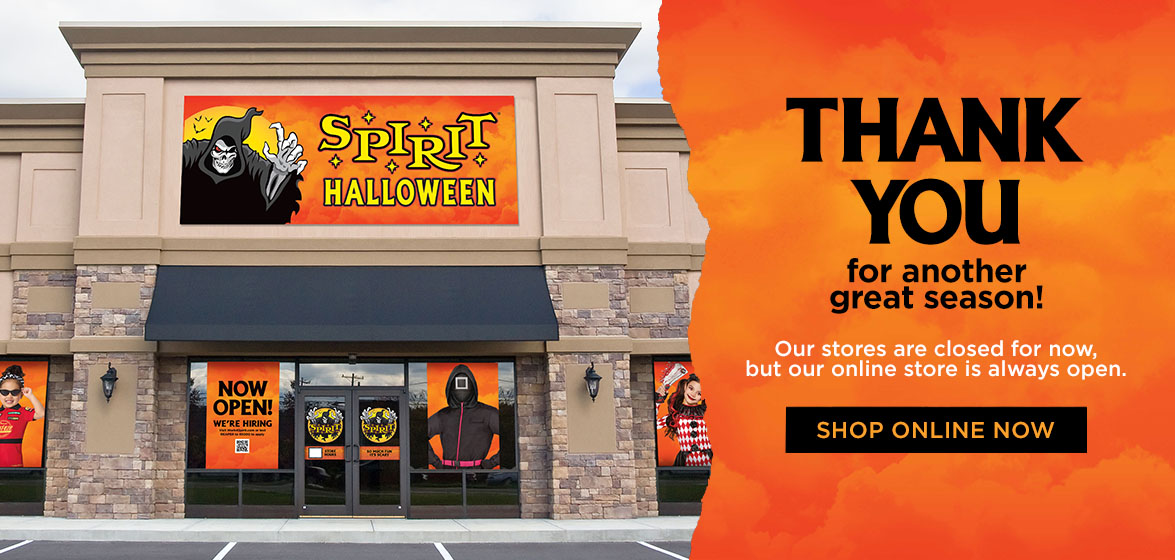
Once the physical stores close their doors in early November, the brand does not die; it enters hibernation. The closing of the physical stores allows the brand to shift its focus entirely to its digital presence and the planning of the next season. The strategic closure is essential for maintaining the brand’s “specialness.” If Spirit Halloween remained open year-round, its identity would be diluted, and it would become just another novelty shop. The closure protects the brand’s prestige as a seasonal phenomenon.
Leveraging Visual Identity and “Meme Branding”
One of the most impressive aspects of the Spirit Halloween brand strategy is its ability to stay relevant in the digital age through a very specific visual identity and a willingness to embrace internet culture.
The Viral Power of the Orange Banner
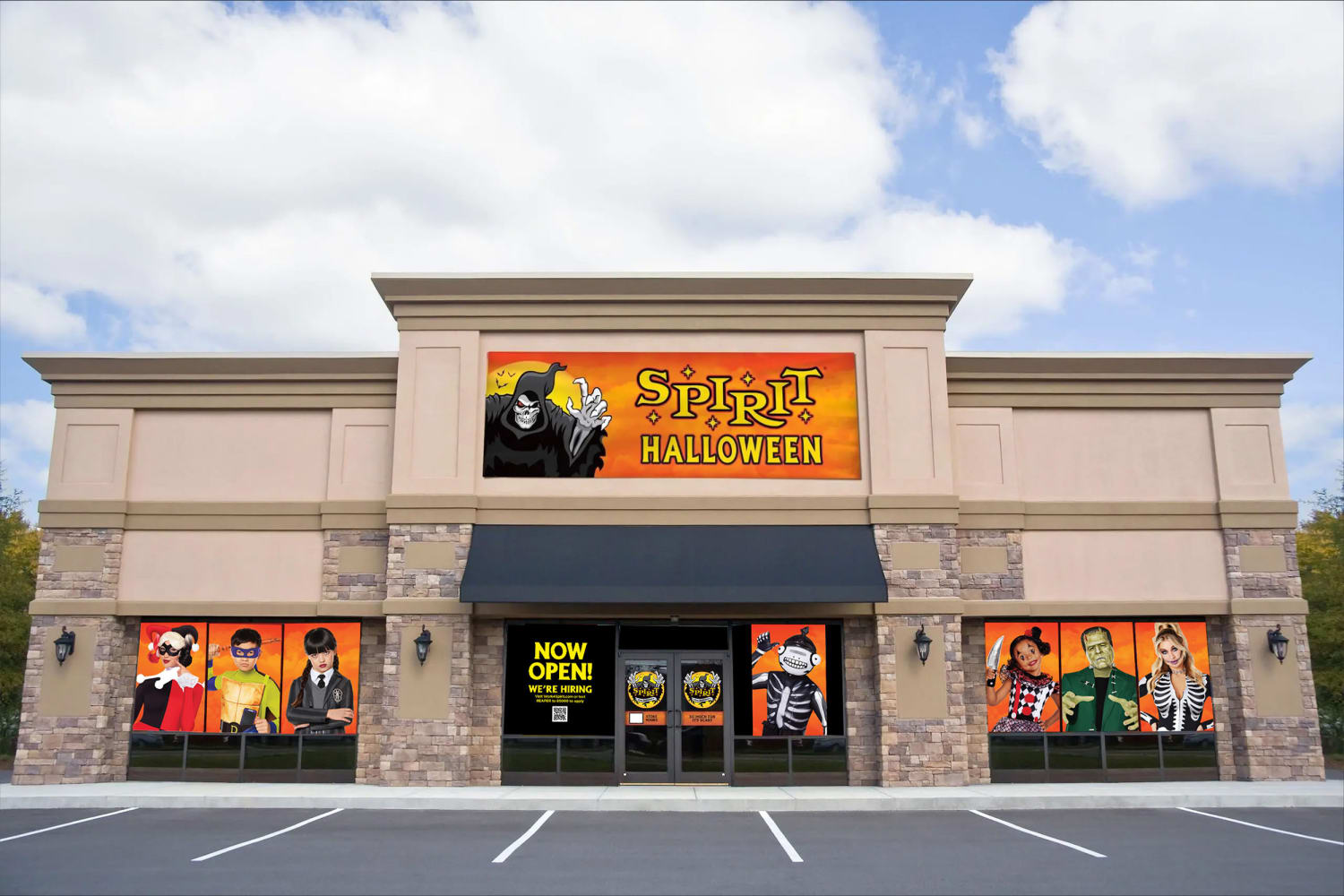
The Spirit Halloween logo and the specific shade of orange used in their banners are instantly recognizable. This visual shorthand is so powerful that the brand doesn’t even need traditional advertising in many markets. The sight of a Spirit Halloween sign being hoisted onto a defunct Big Box store has become a viral signal that autumn has arrived. This is “low-cost, high-impact” branding at its finest—utilizing existing infrastructure to broadcast a brand’s arrival.
User-Generated Content as Brand Fuel
In recent years, Spirit Halloween has ascended to the level of “meme-tier” branding. The internet is flooded with “fake costume” memes using the Spirit Halloween packaging template. Rather than issuing cease-and-desist orders, the brand has leaned into this. By allowing the community to play with its visual identity, Spirit Halloween has achieved a level of organic brand reach that most corporate entities spend millions to cultivate. When the stores close in November, the brand lives on through these digital artifacts, keeping the “Spirit” alive in the collective consciousness until the next August.
The “Zombie Store” Model: Corporate Identity and Real Estate Branding
A critical component of Spirit Halloween’s brand strategy is its relationship with the “ghosts” of retail past. Their business model relies on occupying vacant storefronts—former Sears, Toys “R” Us, or Bed Bath & Beyond locations.
Occupying the Ghosts of Retail Past
This real estate strategy is a brilliant piece of brand positioning. By moving into the “corpses” of failed retailers, Spirit Halloween reinforces its “spooky” and “resurrection” themes. It is a brand that literally thrives on the decline of traditional retail. This creates a narrative of resilience and agility. Consumers associate Spirit Halloween with the ability to bring life back to a neighborhood’s shopping center, even if only for a few months. This “zombie store” model has become an integral part of their corporate identity.
Brand Resilience in a Shifting Economic Landscape
The ability to negotiate short-term leases and set up a fully branded retail experience in a matter of days is a testament to the brand’s operational excellence. Spirit Halloween has perfected the “kit of parts” branding approach, where every shelf, sign, and animatronic is designed for rapid deployment and rapid removal. This agility allows the brand to remain profitable even as the broader retail industry struggles with the rise of e-commerce. It proves that a strong brand identity can thrive in a physical space if the experience is curated, timely, and focused.
Conclusion: Lessons from Spirit Halloween’s Seasonal Mastery
The question of when Spirit Halloween closes is more than a logistical detail; it is the bookend to a sophisticated seasonal brand strategy. By closing its doors in early November, the brand preserves its scarcity, clears its inventory, and begins the cycle of anticipation for the following year.
For brand strategists, Spirit Halloween offers several key takeaways:
- Embrace Scarcity: Limitation can be a powerful driver of brand engagement and consumer urgency.
- Own a Moment: By focusing on one specific holiday, Spirit Halloween has become the undisputed leader of that cultural space.
- Visual Consistency: A simple, recognizable visual identity can turn a vacant building into a brand destination in hours.
- Cultural Agility: Embracing memes and user-generated content allows a brand to stay relevant even when its physical doors are locked.
As the banners come down this November, the “Spirit” doesn’t truly disappear. It merely retreats, its brand equity intact, waiting for the first hint of autumn to rise once again. Spirit Halloween’s closing is not an end, but a strategic pause in one of the most successful recurring branding campaigns in retail history.
aViewFromTheCave is a participant in the Amazon Services LLC Associates Program, an affiliate advertising program designed to provide a means for sites to earn advertising fees by advertising and linking to Amazon.com. Amazon, the Amazon logo, AmazonSupply, and the AmazonSupply logo are trademarks of Amazon.com, Inc. or its affiliates. As an Amazon Associate we earn affiliate commissions from qualifying purchases.