
The news would ripple instantly across the globe, a seismic event not just for billions of Catholics but for the intricate web of geopolitics, culture, and global markets. The passing of a Pope, a spiritual leader to over a billion people and a significant moral voice on the world stage, transcends mere religious observance; it triggers a complex cascade of events affecting everything from technology’s role in information dissemination to the very brand identity of one of the world’s oldest institutions, and even the subtle shifts in global financial landscapes. In an era defined by instant connectivity and blurred lines between spiritual and secular, understanding the multifaceted impact of such a profound transition requires looking through the lenses of technology, brand, and money.

At its heart, the death of a Pope is a moment of profound spiritual reflection and continuity for the Catholic Church. Yet, for the wider world, it’s a crucible, testing the robustness of global communication networks, challenging the resilience of institutional branding, and causing ripples through economies that might seem far removed from the Vatican’s hallowed halls. This article delves into these contemporary implications, exploring how modern advancements and global interconnectedness redefine “what happens now” in an age where information travels at the speed of light, brands are meticulously managed, and every major event has an economic footnote.
The Digital Aftermath: Technology’s Unseen Hand in a Papal Transition
In the 21st century, no event of global magnitude occurs without an immediate and pervasive digital footprint. The passing of a Pope would be an unprecedented test for information systems, digital security, and the very fabric of global online discourse. From the initial announcement to the subsequent rituals and the eventual election of a successor, technology would play an indispensable role, shaping perceptions and managing the narrative.
Rapid Information Dissemination and the Battle Against Misinformation
The moment the news breaks, billions of smartphones would light up. Traditional news outlets, social media platforms, and myriad digital channels would become conduits for an unimaginable volume of information. The Vatican’s own digital media team would be on high alert, poised to issue official statements across its multilingual social media accounts, websites, and potentially even dedicated apps. This immediate digital response is crucial for controlling the narrative and ensuring accurate information reaches the widest audience.
However, the speed of digital dissemination comes with an inherent challenge: the proliferation of misinformation. In the absence of official updates, or even alongside them, rumors, fake news, and speculative content would invariably emerge. AI tools, often employed by social media giants to monitor trends and filter content, would be put to their ultimate test, attempting to identify and flag misleading posts in real-time. For individuals and organizations, digital security becomes paramount; phishing scams, fake donation requests, and politically motivated disinformation campaigns would likely escalate, preying on public sentiment and confusion. The sheer volume of digital traffic, from heartfelt tributes to critical commentary, would also strain internet infrastructure, demanding robust digital security measures to prevent cyberattacks and ensure continuity of essential communication channels. The digital world would transform into a simultaneous memorial, newsroom, and battleground for truth.
Preserving Legacy and Engaging Audiences in the Digital Age
Beyond the immediate news cycle, technology plays a vital role in preserving the legacy of the deceased pontiff and engaging the faithful in a period of transition. Digital archives, meticulously curated by the Vatican and various academic institutions, would become primary sources for accessing encyclicals, speeches, and images from the Pope’s tenure. Websites dedicated to his life and teachings would see unprecedented traffic, acting as virtual pilgrimage sites for those unable to travel.
Furthermore, digital tools would facilitate remote participation in memorial services and the subsequent papal election (the Conclave). Live streams of ceremonies, virtual prayer groups organized through apps, and interactive forums would allow Catholics worldwide to feel connected to the heart of the Church, regardless of geographical distance. This digital engagement not only honors the past leader but also helps maintain community cohesion and provides a sense of shared experience during a time of global mourning. For the Vatican, leveraging these digital platforms effectively is key to demonstrating transparency, accessibility, and continuity to a globally dispersed congregation. Podcasts, explainer videos, and interactive infographics would likely be deployed to educate and inform, ensuring complex ecclesiastical procedures are understood by a broader, digitally native audience.
Cybersecurity and the Vulnerability of Global Attention
A global event of this magnitude presents a prime target for malicious actors. Cybersecurity experts would brace for an onslaught of phishing attempts, malware distribution disguised as official announcements, and distributed denial-of-service (DDoS) attacks aimed at critical information infrastructure. The Vatican’s own digital assets, as well as those of major news organizations and influential religious charities, would be at heightened risk.
Governments and international bodies would also be vigilant, monitoring for state-sponsored disinformation campaigns or cyber intrusions seeking to exploit the period of instability for political gain. The digital security community would likely issue urgent advisories, guiding users on how to identify legitimate sources of information and protect themselves from online scams. This intense period underscores the critical need for robust digital security protocols, not just for institutions but for every individual navigating the digital landscape during a global crisis. The integrity of information and the security of personal data become paramount when the world’s attention is singularly focused.
The Papacy as a Global Brand: Navigating Succession and Reputation
The Catholic Church, led by the Pope, is arguably one of the most enduring and globally recognized “brands” in human history. It possesses an immense legacy, a distinct corporate identity, and a profound emotional connection with its audience. The death of a Pope initiates a critical period of brand management, succession planning, and reputation navigation that mirrors, in many ways, challenges faced by any global corporation, albeit with spiritual dimensions.
Managing the Ultimate Corporate Identity Crisis
The Papacy’s brand is built on continuity, tradition, and a consistent message of faith and morality. The death of its leader creates an immediate void, akin to a major corporation losing its CEO without a clear, publicly announced successor. This is not just a leadership transition; it is a moment where the very identity and messaging of the institution come under intense scrutiny. How the Church communicates this transition, the messages it conveys about stability and its future direction, directly impacts its global perception.
Strategic communications during this period would focus on reinforcing the enduring nature of the institution itself, emphasizing that the Church’s mission transcends any single individual. Statements from cardinals and other Church leaders would aim to project unity, continuity, and a clear vision for the future, even as the process for selecting a new leader unfolds. This is a delicate balance of mourning a beloved figure while reassuring the faithful and the wider world of the institution’s unwavering purpose. The brand’s resilience is tested by its ability to manage this transition gracefully, maintain trust, and uphold its core values in the public eye.
The Personal Brand of the Pontiff: From Legacy to New Leadership
Each Pope cultivates a unique “personal brand” through his actions, teachings, and public persona. Pope Francis, for example, built a brand around humility, social justice, and a focus on the marginalized. His predecessor, Benedict XVI, was known for his theological depth and traditionalism. Upon a Pope’s death, this personal brand undergoes a transformation from an active, living presence to a legacy. The Church, and the world, reflect on his contributions, controversies, and the enduring impact he left behind.
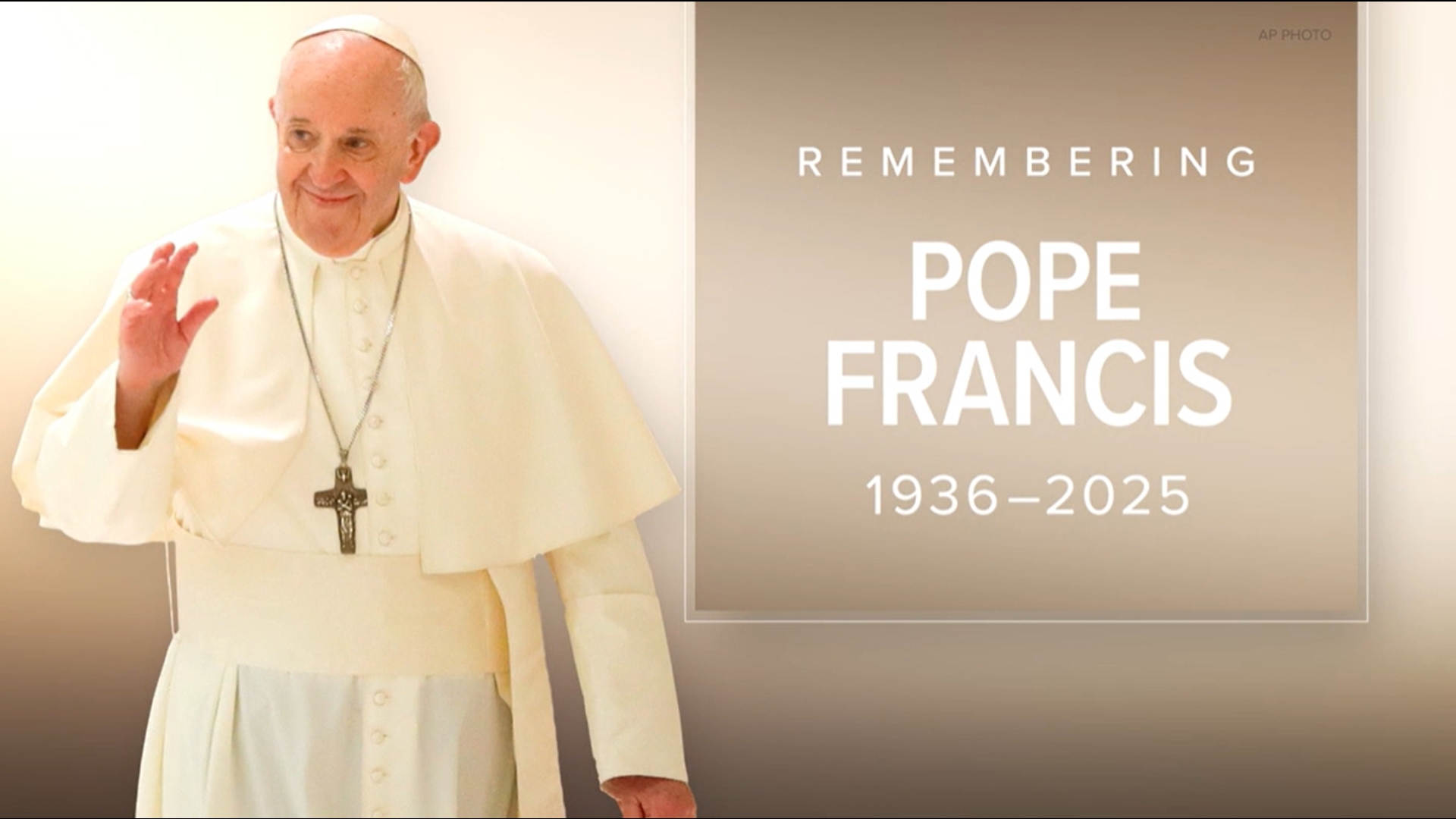
The period following a Pope’s death is also a preparatory phase for the emergence of a new personal brand. The Conclave, the process of electing a new Pope, is essentially a high-stakes search for a leader who can not only embody the core values of the institution but also articulate a vision that resonates with contemporary challenges. The new Pope’s initial actions, sermons, and choices of symbolism—from his papal name to his first public address—will immediately begin to shape his personal brand. This branding, developed in concert with the existing institutional brand, will be critical for engaging with a diverse global audience and navigating the complex issues of the modern world. The challenge is to find a leader whose personal brand can invigorate and adapt the ancient institution to new realities, without betraying its timeless essence.
Strategic Communications and Global Outreach in a New Era
In an increasingly secular and interconnected world, the Church’s ability to engage effectively through strategic communications is paramount. The death of a Pope and the subsequent election of a new one provide a unique opportunity, as well as a significant challenge, for global outreach. Every statement, every ceremony, and every papal address will be analyzed, critiqued, and shared across countless platforms.
The Church’s communications strategy would need to be sophisticated, multilingual, and culturally sensitive. It would leverage digital platforms not just for announcements, but for storytelling, education, and fostering a sense of global community. Social media campaigns might be launched to introduce the new Pope, explain the Conclave process, or highlight key aspects of the Church’s mission. Beyond internal communications to the faithful, the Vatican would engage with international media, political leaders, and interfaith organizations to project stability and convey its ongoing commitment to peace and humanitarian efforts. This is a moment when the institution’s capacity for global leadership and its relevance in contemporary discourse are put to the test, demanding a strategic and adaptive approach to brand storytelling and public engagement.
Economic Reverberations: Money, Markets, and Philanthropy
While the immediate impact of a Pope’s death is primarily spiritual and political, such a significant global event inevitably sends ripples through the economic sphere. From the subtle shifts in financial markets to the more direct implications for charitable giving and the Vatican’s own financial operations, money plays an often-overlooked role in the aftermath of a papal transition.
Financial Markets and Global Stability: A Brief Jolt?
Major geopolitical or humanitarian events often trigger immediate, albeit usually short-lived, reactions in global financial markets. The death of a Pope, particularly one who has been a significant global voice or whose pontificate has influenced international relations, could lead to a brief period of uncertainty. Investors might react to the perceived instability or potential shifts in global soft power influence. Stock markets could see minor fluctuations, and certain sectors, such as tourism or specific luxury goods (e.g., related to religious souvenirs), might experience temporary shifts in demand.
However, given the non-economic nature of the event and the robust succession planning within the Catholic Church, any market reaction would likely be minimal and temporary. Analysts would quickly assess the likelihood of any broader geopolitical implications. The primary economic impact would likely be more localized, affecting Rome’s tourism sector temporarily as pilgrims and dignitaries converge for funeral rites and the Conclave. Yet, the larger takeaway is that in our interconnected world, even events seemingly confined to the religious sphere are monitored by market participants for any signal of broader global stability or instability.
The Economics of Faith: Charitable Giving and Vatican Finances
The death of a Pope often inspires a surge of charitable giving, as individuals seek to honor the memory of the deceased pontiff or support the ongoing mission of the Church. Religious charities and aid organizations connected to the Vatican’s mission might see an increase in donations, particularly those aligned with the social justice causes championed by the late Pope. This influx of philanthropy is crucial for funding humanitarian efforts, educational programs, and the maintenance of religious sites around the world.
From the perspective of the Vatican’s own finances, the transition period presents specific administrative and financial considerations. While the Vatican’s treasury is not directly tied to the individual Pope, the change in leadership necessitates internal financial reviews and adjustments. The Vatican Bank (IOR) and other financial entities within the Holy See would ensure continuity in their operations, adhering to established protocols for financial governance during the interregnum. Transparency in financial dealings, a recurring theme in recent pontificates, would remain a critical focus, ensuring public trust during this sensitive period.
Detecting and Deterring Digital Financial Scams
Unfortunately, periods of global mourning and elevated public sentiment are often exploited by fraudsters. The death of a Pope would almost certainly lead to a surge in digital financial scams, including fake donation appeals, phishing emails disguised as official Vatican communications, and investment schemes promising “papal blessings” or exclusive access to commemorative items. These scams would target individuals globally, attempting to capitalize on their grief, faith, or desire to contribute.
Financial institutions, cybersecurity agencies, and online payment platforms would need to be highly vigilant, issuing warnings and actively working to identify and shut down fraudulent operations. Users would be advised to exercise extreme caution, verify the legitimacy of any donation requests directly through official Church channels, and be wary of unsolicited communications. The financial well-being of individuals and the integrity of charitable giving depend on a collective effort to detect and deter these illicit activities, ensuring that genuine compassion is not exploited for criminal gain.
Beyond the Immediate: Shaping Future Trends and Perceptions
The passing of a Pope is not merely an endpoint; it is a catalyst for introspection and reorientation, impacting how faith interacts with modern society, how institutions adapt to technological change, and how financial resources are aligned with evolving missions. The response to such an event offers a glimpse into future trends.
Tech’s Role in Future Religious Leadership and Engagement
The digital transformation that accelerates during a papal transition will likely continue, embedding technology even deeper into religious practice and leadership. Future Popes might be expected to be more digitally savvy, utilizing platforms like TikTok or virtual reality for evangelization. AI tools could assist in analyzing global sentiment towards Church teachings, helping shape more resonant messaging. The experience of navigating a papal death in the digital age will likely inform strategies for maintaining relevance and connection in an increasingly virtual world, pushing for innovative ways to bridge ancient traditions with modern communication.

The Evolving Brand of Faith in a Secular World
The scrutiny accompanying a papal transition forces the Catholic Church to re-evaluate and reinforce its global brand in a rapidly changing, often secular, world. The new Pope’s leadership will be pivotal in defining the Church’s voice on critical contemporary issues, from climate change to social justice and interfaith dialogue. The brand of faith itself is continually evolving, adapting to societal shifts while striving to maintain its core identity. This period of change offers an opportunity for renewal, to articulate a compelling vision that resonates with a new generation, demonstrating how an ancient institution can remain a vital, relevant moral compass in an increasingly complex global landscape.
In conclusion, “what happens now that the Pope died” is a question that unravels into a tapestry of technological innovation, meticulous brand stewardship, and subtle economic recalibrations. It is a moment where the ancient meets the ultra-modern, where spiritual guidance intertwines with digital dissemination, and where an institution’s legacy is preserved while its future is forged. The event underscores the profound interconnectedness of our world, demonstrating that even the most sacred of transitions send echoes through every facet of global human experience.
aViewFromTheCave is a participant in the Amazon Services LLC Associates Program, an affiliate advertising program designed to provide a means for sites to earn advertising fees by advertising and linking to Amazon.com. Amazon, the Amazon logo, AmazonSupply, and the AmazonSupply logo are trademarks of Amazon.com, Inc. or its affiliates. As an Amazon Associate we earn affiliate commissions from qualifying purchases.