
The disappearance of Zuko’s mother, Ursa, stands as one of the most poignant and persistent mysteries woven into the rich tapestry of Avatar: The Last Airbender. For an entire generation of fans, her fate was a tantalizing question mark, fueling countless theories and discussions long after the initial series finale. More than just a plot device, Ursa’s unknown whereabouts became the emotional bedrock for Prince Zuko’s transformative journey from villain to hero, shaping his identity, his pursuit of honor, and ultimately, his destiny as Fire Lord.
Yet, Ursa’s story transcends the mere bounds of a fictional narrative. In the modern media landscape, it serves as a powerful case study in the intersection of compelling storytelling with contemporary themes of brand strategy, the digital ecosystem of fan engagement, and the significant financial implications of intellectual property. This article will delve into the narrative specifics of Ursa’s fate, explore how her mystery became a cornerstone of the Avatar franchise’s enduring brand, and examine the technological and economic forces that allowed her story to captivate and monetize a global audience for years.
The Unraveling Mystery: A Narrative Deep Dive into Ursa’s Fate
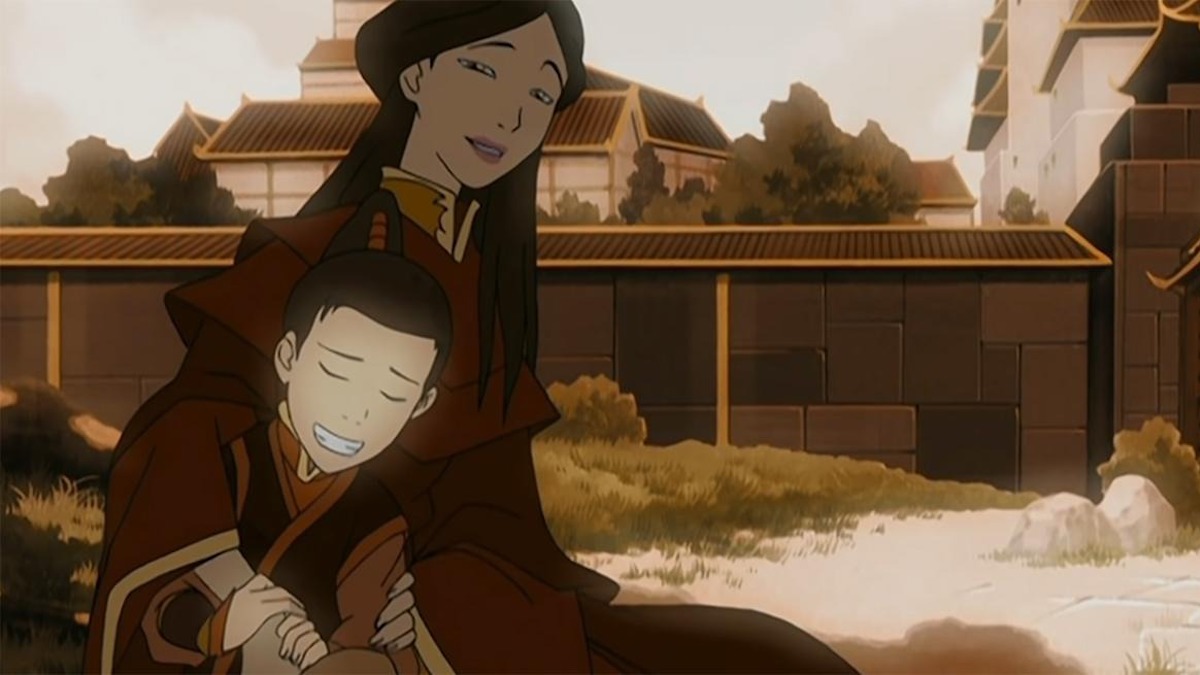
Ursa’s story is one of sacrifice, love, and a desperate struggle against the suffocating tyranny of Fire Lord Ozai. Her presence, though often unseen, was deeply felt throughout Avatar: The Last Airbender, particularly through its profound impact on her children, Zuko and Azula.
Ursa’s Early Life and Sacrifice
Born in the humble Fire Nation village of Hira’a, Ursa was a talented playwright and an empathetic soul, deeply in love with Ikem, a fellow artist. Their idyllic life was shattered when Fire Lord Azulon, Ozai’s father, orchestrated Ursa’s marriage to his younger son, Ozai, after a prophecy suggested that Ozai’s bloodline was destined to produce a Fire Lord with unparalleled power. This forced union was the beginning of Ursa’s torment within the Fire Nation royal palace, a gilded cage where she was constantly subjected to Ozai’s cruelty and the insidious manipulations of his father.
Her children, Zuko and Azula, became the central figures in Ozai’s twisted game of succession. When Zuko, still a child, overheard Ozai plotting to kill him to usurp Iroh’s birthright to the throne, Ursa intervened. In a heartbreaking act of maternal sacrifice, she struck a deal with Ozai: she would use her knowledge of ancient Fire Nation poisons to eliminate Fire Lord Azulon, ensuring Ozai’s ascension, in exchange for Zuko’s life being spared. Following Azulon’s mysterious death, Ursa was banished from the Fire Nation, warned never to return, and had her memory of her children—and theirs of her—erased through a powerful spiritual entity. This act, while saving Zuko, cemented his lifelong trauma and the mystery that would drive his narrative arc.
The Promise and The Search: Ursa’s Reappearance in the Comics
For years, Ursa’s ultimate fate remained unknown to fans, a lingering question that the television series explicitly left open. This unresolved thread proved to be a powerful brand asset, fostering anticipation for future content. The answer finally came in the official comic series, The Search, which directly followed the events of the show.
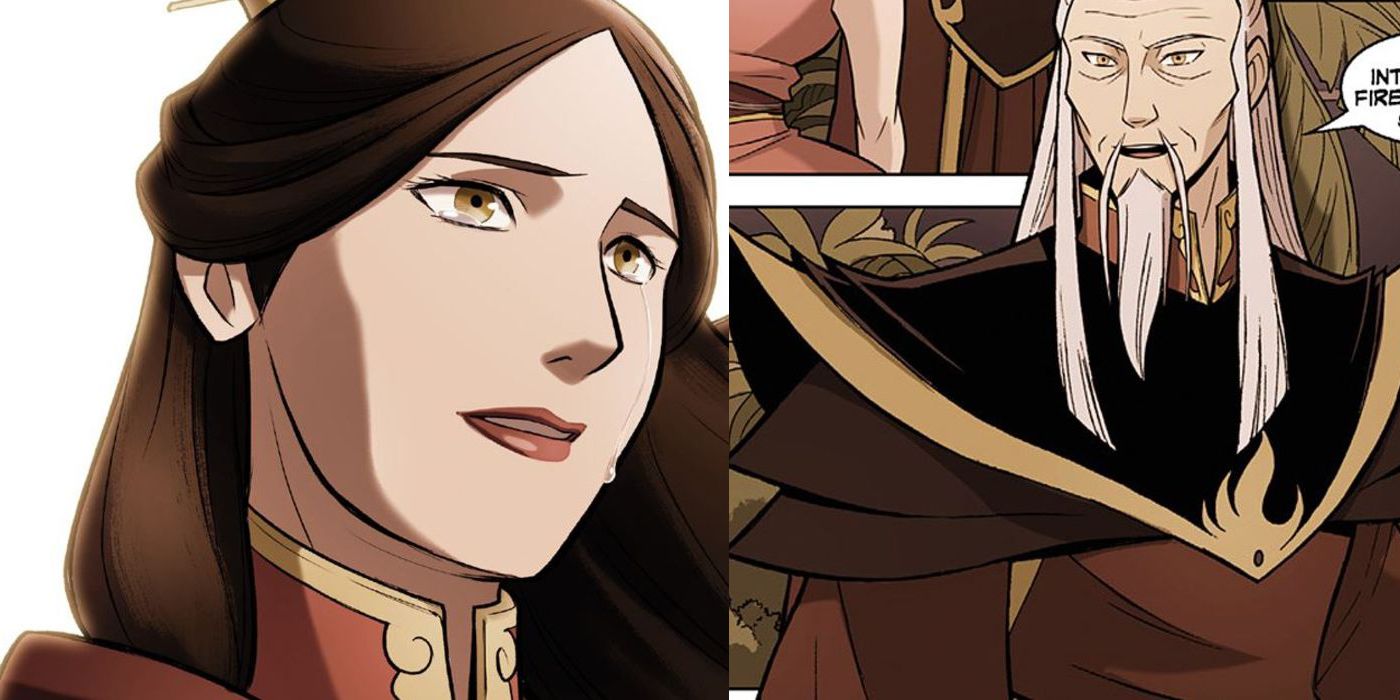
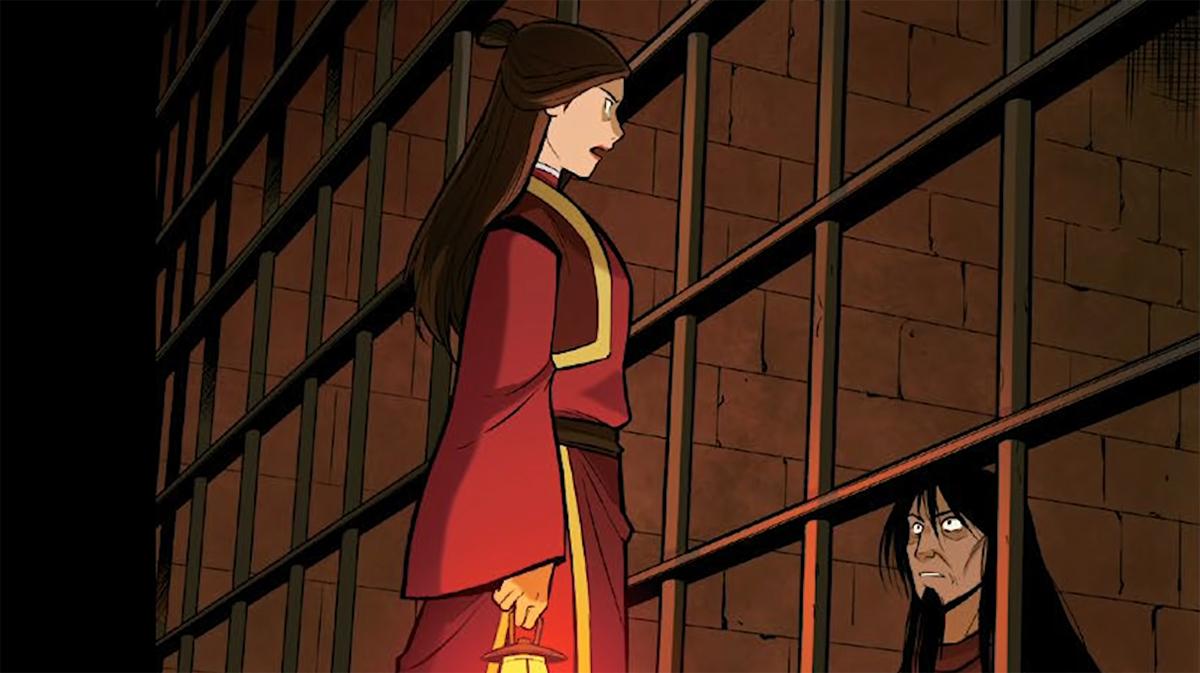
In The Search, Fire Lord Zuko, haunted by his mother’s absence and spurred by a vision from his mother in the Spirit World, embarks on a quest to find her. Accompanied by Team Avatar, and surprisingly, a reluctant Azula, Zuko traces his mother’s footsteps back to Hira’a. There, they discover the existence of the Mother of Faces, a powerful spirit capable of altering human appearances. It is revealed that after her banishment, Ursa, devastated by her separation from her children and desperate for a new life, sought out the Mother of Faces. The spirit granted her a new face and a new identity, renaming her Noriko and erasing her painful memories.
Under this new guise, Ursa/Noriko returned to Hira’a, reunited with her original love, Ikem, who had also sought the Mother of Faces for a new identity, and together they built a quiet, happy life, raising a new daughter named Kiyi. The reunion between Zuko and his mother, though initially complicated by her altered appearance and memory, was deeply emotional and brought a much-needed closure to Zuko’s personal quest. She eventually chose to revert to her original face and memories, fully embracing her past while cherishing her new life.
Psychological Impact on Zuko and Azula: Branding a Character’s Journey
Ursa’s disappearance profoundly impacted both of her children, shaping their individual “brand” identities within the narrative. For Zuko, her memory was a constant, driving force. His longing for her, coupled with Ozai’s cruel treatment, fueled his initial misguided pursuit of the Avatar and his eventual redemption arc. The absence of his loving mother left a void that he desperately tried to fill with honor and purpose. His search for Ursa was not just a physical journey but a quest for self-discovery, defining his “personal brand” as a compassionate leader driven by a moral compass.
Azula, on the other hand, interpreted her mother’s departure as abandonment, reinforcing her existing insecurities and her father’s manipulative influence. Ursa’s perceived favoritism towards Zuko, though born of a desperate need to protect him, led Azula to believe she was unloved and unwanted. This trauma, combined with Ozai’s relentless pressure for perfection, contributed to Azula’s descent into madness and her ultimate failure. Her character’s “brand” became one of fear, power, and instability, a stark contrast to Zuko’s eventual wisdom. The psychological depth derived from Ursa’s story elevated the characters beyond simple archetypes, making them resonate deeply with the audience.
Beyond the Narrative: The Avatar Franchise as a Modern Brand Phenomenon
The mystery of Ursa, and its eventual resolution, showcases how meticulously crafted lore can elevate a fictional universe into a powerful and enduring brand, demonstrating astute “brand strategy” long after a series concludes.
The Brand Power of Unresolved Mysteries
The creators of Avatar: The Last Airbender masterfully utilized the “unresolved mystery” trope as a potent tool for brand engagement. By leaving Ursa’s fate ambiguous in the original series, they created a continuous conversation point, keeping the franchise relevant and fostering a deep sense of attachment among fans. This approach is a classic example of effective “content marketing” and “brand building.” The constant speculation on online forums, fan wikis, and social media platforms (a direct result of evolving tech infrastructure) kept the Avatar “brand” alive and thriving, even during hiatuses. It signaled to the audience that there was always more to discover, more stories to tell, directly contributing to the franchise’s long-term value. This sustained engagement is invaluable for any brand looking to cultivate a loyal community.
Leveraging Lore: IP and Content Strategy
The Avatar universe itself is a highly valuable piece of intellectual property (IP), and the deep lore surrounding characters like Ursa is a significant asset that directly impacts the “money” generated by the franchise. Nickelodeon and Paramount Global have consistently understood the financial and cultural capital tied to this IP. The decision to expand the story through official comic series, animated films, and live-action adaptations is a testament to a shrewd “content strategy.” Each new installment, particularly those that address long-standing mysteries like Ursa’s fate, reignites fan interest, drives sales of new media, and brings in new audiences.
The Avatar franchise’s ability to evolve and expand, fueled by its rich narrative foundation, allows for diversified revenue streams. From merchandise sales (toys, apparel, collectibles), to streaming rights on platforms like Netflix (tech facilitating broader access), to physical media sales of comics and DVDs, every piece of lore contributes to the overall “money-making” potential. The resolution of Ursa’s story in The Search comics wasn’t just a fan service; it was a strategic move to extend the brand’s narrative, offer new consumption opportunities, and consolidate its status as a premium IP in the entertainment industry.
The Digital Age of Fandom: Tech, Tools, and Community in Uncovering Lore
The journey of uncovering Ursa’s fate is also a testament to the power of digital technology and online communities in shaping and extending fictional narratives.
Fan Theories and Digital Forensics
Before The Search comics provided definitive answers, the mystery of Ursa was a fertile ground for “fan theories” that flourished on various digital platforms. Online forums, wikis, Reddit threads, and early social media groups became virtual detective agencies, where fans meticulously analyzed every frame, every line of dialogue, and every character interaction for clues. This collective “digital forensics” approach, facilitated by easy access to streaming content and collaborative online tools, allowed a global community to engage in real-time “investigation” of the lore.
The ability to pause, rewind, re-watch, and instantly share observations across vast distances demonstrates the critical role of modern tech in shaping fandom. It turned passive viewing into active participation, creating a dynamic feedback loop between creators and audience. One could even imagine how advanced AI tools in the future might process vast amounts of narrative data, character dialogue, and even animation details to predict plot outcomes or generate new theories with unprecedented speed and complexity – though for Avatar, human ingenuity and passion reigned supreme. This collaborative “knowledge building” among fans directly strengthened the brand by fostering a sense of ownership and community.
Monetizing Engagement: From Merchandise to Streaming Revenue
The deep engagement fostered by mysteries like Ursa’s fate directly translates into significant “money” for the franchise. Fan loyalty, cultivated through compelling storytelling and ongoing narrative expansion, is the bedrock of a successful commercial enterprise. The demand for more Avatar content, fueled by years of speculation, directly informed the production of the comics, animated movies, and live-action series, each representing substantial financial investments and returns.
Merchandise—from Zuko-themed apparel to collector’s items—benefits from the emotional resonance of these characters and their journeys. Streaming platforms, leveraging cutting-edge tech, have revitalized older content like Avatar: The Last Airbender, introducing it to new generations and allowing long-time fans to re-experience it. This accessibility generates significant “streaming revenue” and keeps the IP at the forefront of popular culture. The “economy” of fan creations, while often non-official, also demonstrates the immense value of this engagement, inspiring a wealth of fan art, fanfiction, analytical videos, and podcasts, further amplifying the franchise’s cultural footprint and indirect “brand” visibility.
The Enduring Legacy and Its Financial and Cultural Footprint
Ursa’s story, now fully revealed, has done more than just resolve a plot point; it has enriched the Avatar universe, solidified its legacy, and affirmed its financial viability as a prime piece of intellectual property.
Ursa’s Story: A Catalyst for Character Growth and Franchise Expansion
Ultimately, Ursa’s fate is far more than just “what happened” to a supporting character. Her absence and eventual return served as a powerful narrative catalyst. For Zuko, it was the ultimate test of his growth and commitment to understanding his past, solidifying his “personal brand” as a compassionate and wise Fire Lord. For Azula, it was a mirror reflecting her deepest insecurities, highlighting the tragic consequences of unchecked ambition and emotional neglect.
More broadly, Ursa’s story demonstrated the Avatar franchise’s commitment to deep, nuanced character development, a core aspect of its strong brand identity. This depth is precisely what allows the franchise to continually expand, not just with new adventures but with a rich emotional core that resonates across various media. The willingness to delve into the complicated family dynamics of the Fire Nation royal family underscores the sophisticated storytelling that underpins the entire Avatar narrative, making it a compelling subject for ongoing content creation and franchise diversification.
The ROI of Rich Storytelling
In an era of rapid content consumption and fleeting attention spans, the story of Ursa offers valuable lessons on the “Return on Investment (ROI)” of rich, complex storytelling. Investing time and creativity into developing compelling backstories, intricate character relationships, and lingering mysteries pays dividends not only in audience engagement but also in long-term financial returns. The money generated by the Avatar franchise decades after its original airing is a testament to this principle.
The “brand loyalty” that Avatar commands is a direct result of its well-crafted narrative. Fans are willing to invest their time, attention, and “money” into a universe that respects their intelligence and offers profound emotional resonance. This emotional investment ensures the brand’s longevity and adaptability across new technological platforms and evolving media landscapes. Ursa’s journey, from enigmatic absence to poignant reunion, encapsulates the very essence of what makes Avatar: The Last Airbender not just a beloved animated series, but a powerful, enduring, and incredibly valuable global entertainment brand.
In conclusion, Ursa’s fate in Avatar: The Last Airbender is a prime example of how a narrative mystery can transcend its fictional origins to become a cornerstone of a successful media brand. It highlights the strategic importance of deep lore, the power of digital communities fueled by modern tech, and the significant money generated when captivating stories are meticulously crafted and wisely managed as intellectual property. Her journey, ultimately a tale of sacrifice, love, and redemption, continues to shape not only the Fire Nation but also the ever-evolving landscape of global entertainment.
aViewFromTheCave is a participant in the Amazon Services LLC Associates Program, an affiliate advertising program designed to provide a means for sites to earn advertising fees by advertising and linking to Amazon.com. Amazon, the Amazon logo, AmazonSupply, and the AmazonSupply logo are trademarks of Amazon.com, Inc. or its affiliates. As an Amazon Associate we earn affiliate commissions from qualifying purchases.