
The roar of transforming metal, the clash of titanic forces, and the endless war between Autobots and Decepticons have defined the Transformers cinematic universe for generations. Yet, amidst the spectacular CGI and earth-shattering battles, a seemingly ordinary high school student named Sam Witwicky served as the audience’s primary gateway into this incredible world. For the first three films of Michael Bay’s blockbuster saga, Sam was the human heart, the relatable everyman caught in an intergalactic struggle. But then, almost as abruptly as Bumblebee’s first transformation, he vanished. “What happened to Witwicky in Transformers?” remains a persistent question, not just for fans pondering cinematic lore, but for those interested in the intricate interplay of technology, brand strategy, and the colossal financial machinery behind one of Hollywood’s most enduring franchises.
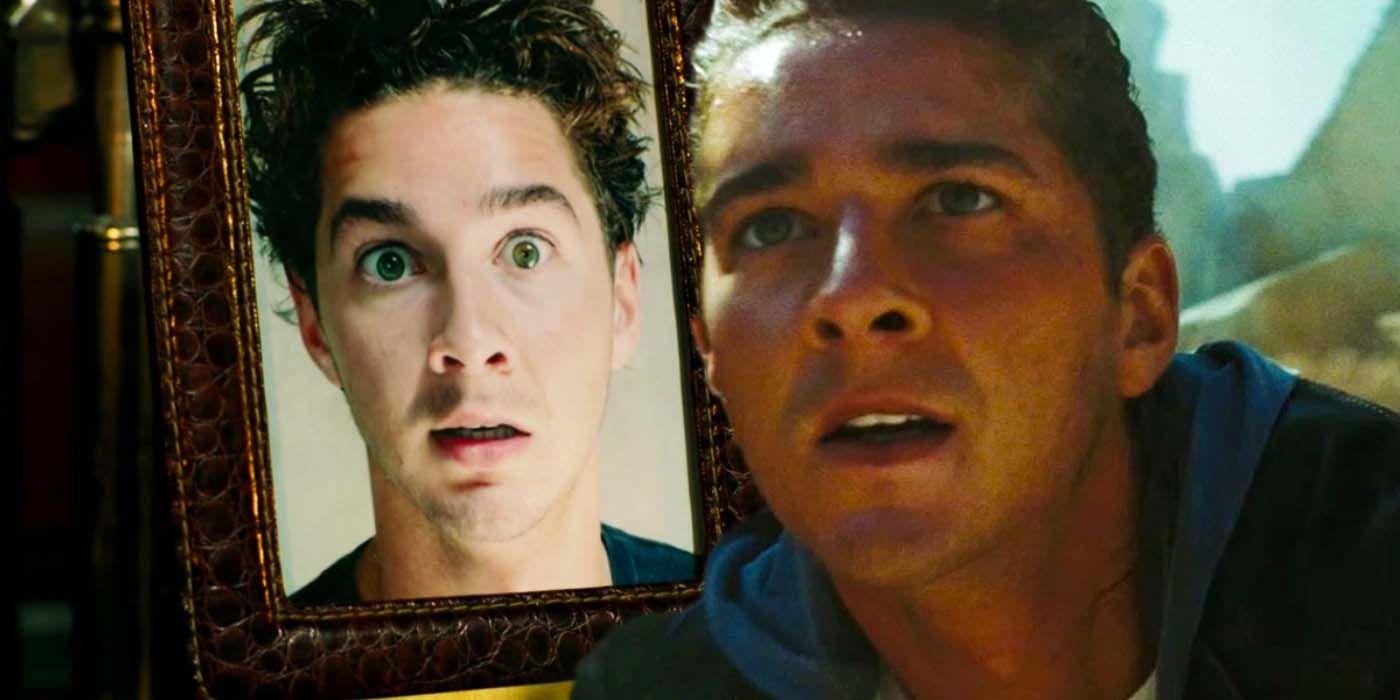
Sam Witwicky’s disappearance from the lead role is a narrative pivot that underscores broader industry trends. It touches upon the evolution of digital storytelling, the critical role of actor brand management, and the financial tightropes studios walk when continuing a multi-billion-dollar enterprise. To truly understand Witwicky’s fate, we must delve beyond the script and into the real-world dynamics that shape such cinematic sagas.
The Boy Who Befriended a Robot: Sam Witwicky’s Cinematic Journey
Sam Witwicky, portrayed by Shia LaBeouf, was introduced to audiences in 2007’s Transformers. He was a typical, slightly awkward teenager whose biggest concerns were getting a car and winning over the girl of his dreams. Little did he know, the beat-up Camaro he bought was an Autobot scout named Bumblebee, and his family heirloom glasses held a map to the Allspark, an artifact capable of creating life or ending it. This unassuming beginning propelled Sam into the heart of the Autobot-Decepticon war, making him an unlikely, yet crucial, hero.
From Unassuming Teen to Earth’s Savior
Sam’s journey through Transformers (2007), Revenge of the Fallen (2009), and Dark of the Moon (2011) was one of escalating stakes and personal growth. He wasn’t a soldier or a scientist, but his courage, quick thinking, and unparalleled bond with the Autobots often proved instrumental in humanity’s survival. He became Optimus Prime’s confidante and Earth’s designated voice in the struggle. His character arc saw him mature from a gawky kid desperate for “eBay money” to a young man willing to sacrifice everything for his metallic friends and the planet. He developed a deep connection with Mikaela Banes (Megan Fox) and later Carly Spencer (Rosie Huntington-Whiteley), grounding the fantastical elements with relatable human drama and a touch of romance.
By the end of Dark of the Moon, Sam had participated in saving Earth three times over, witnessed the death of his beloved mentor, Optimus Prime (albeit temporarily), and seemed poised for a future intertwined with the Autobots. However, the franchise took a sharp turn, and Sam’s narrative thread was effectively severed.
The Vanishing Act: Sam’s Absence Post-Dark of the Moon
When Transformers: Age of Extinction hit theaters in 2014, Sam Witwicky was conspicuously absent. The film introduced an entirely new human cast, led by Cade Yeager (Mark Wahlberg), and a narrative that largely disregarded the events of the previous trilogy, save for the continued presence of Optimus Prime and Bumblebee. Within the film’s dialogue, Sam’s fate was vaguely alluded to, with a character stating, “Witwicky was a great guy, but he’s gone.” This cryptic line provided little closure for fans invested in his story.
Later, in Transformers: The Last Knight (2017), the Witwicky family legacy was brought back into focus through the narrative of Viviane Wembly (Laura Haddock), a descendant of the ancient Order of Witwiccans. In this installment, it was more explicitly, though still off-handedly, implied that Sam Witwicky had passed away, as Viviane was stated to be the “last of the Witwiccans.”
The real reason for Sam’s departure from the franchise, however, lies not in Cybertronian lore, but in the realm of creative decisions and personal branding. Shia LaBeouf, the actor behind Sam, expressed a desire to move on from blockbuster filmmaking and pursue more independent, character-driven roles. Michael Bay and Paramount Pictures, in turn, decided to reboot the human element of the series, aiming for a fresh perspective and perhaps a way to extend the franchise’s longevity without being tied to previous character arcs or actor commitments. This decision, while common in long-running series, had significant implications for fan engagement, the brand’s continuity, and the financial trajectory of subsequent films.
The Technological Tapestry: Witwicky’s World and Real-World Innovations
The Transformers universe is, at its core, a celebration of technology – from alien advancements to human ingenuity. Sam Witwicky’s journey was not only shaped by this tech but also, paradoxically, brought to life by cutting-edge technology behind the scenes, bridging the gap between fictional foresight and real-world innovation.
Fictional Foresight: The Tech of Cybertron and Human Integration
Within the films, Sam was constantly interacting with technology far beyond human comprehension. The Allspark, the Matrix of Leadership, and the various Cybertronian artifacts he encountered represented a level of technological advancement that both fascinated and terrified humanity. His role often involved deciphering alien technology or protecting it from falling into the wrong hands. The concept of “protoforms” – the raw, shapeless states of Transformers before scanning an alt-mode – exemplified a fluid, adaptive robotics that pushed the boundaries of sci-fi imagination.
As the series progressed, human technology began to integrate with, and even emulate, Cybertronian tech. The establishment of NEST (Non-biological Extraterrestrial Species Treaty) saw humans working alongside Autobots, leveraging their combined technological might. Later, KSI (Kinetic Solutions Incorporated) in Age of Extinction attempted to create human-made Transformers using “Transformium,” a programmable metal. While Sam wasn’t directly involved in KSI’s endeavors, his earlier encounters and understanding of alien technology laid the conceptual groundwork for such human-led initiatives within the universe. His legacy, in a way, informed the direction of the human-alien tech dynamic, moving from mere discovery to attempted replication and control.
Behind the Scenes: The Tech That Built Witwicky’s Reality
Sam Witwicky’s very existence as a character interacting with massive, sentient robots was a monumental feat of real-world technology. Industrial Light & Magic (ILM), the visual effects powerhouse, was at the forefront of bringing the Transformers to life. The CGI work required to render the intricate transformations, the realistic textures of metal, and the physics of interaction between giant robots and the human world was groundbreaking. Software like Autodesk Maya, ZBrush, and proprietary rendering engines were pushed to their limits to create believable, weighty, and emotionally expressive characters out of digital polygons.
Every scene where Sam ran alongside Bumblebee, dodged a Decepticon blast, or climbed onto Optimus Prime’s hand was a meticulous blend of live-action footage, motion capture, and complex animation. Digital security protocols would have been paramount in protecting these multi-million dollar assets and intellectual property during production. Furthermore, the sheer data management involved in storing, processing, and rendering gigabytes of CGI assets for multiple films highlights the scale of the digital infrastructure required. These technological advancements not only made Sam Witwicky’s fantastical world plausible but also set new benchmarks for what was achievable in blockbuster filmmaking, influencing subsequent action and sci-fi productions.
The Digital Echo: Witwicky’s Continued Presence in Gaming and Digital Media
Even after his cinematic departure, Sam Witwicky’s influence, and indeed his very presence, persisted in various digital forms. The Transformers franchise has a rich history in video games, and characters from the films, including Sam, often appear in these adaptations. Games like Transformers: The Game, based directly on the 2007 film, allowed players to step into Sam’s shoes or play alongside him. While later games like Transformers: War for Cybertron and Fall of Cybertron explored Cybertronian lore pre-Earth, the initial film-tie-in games ensured Sam’s digital immortality.
Beyond official games, Sam’s story continues to thrive in the vast digital landscape of fan culture. Online wikis meticulously document his every appearance and line of dialogue. Fan fiction writers explore alternative fates or imagine his return. Dedicated fan communities on platforms like Reddit, Twitter, and YouTube continuously discuss his legacy, dissect his character arc, and debate his implied demise. AI tools and generative algorithms are even beginning to explore creating new fan content, potentially generating new narratives or visual representations of Sam Witwicky in scenarios never seen on screen. This digital echo ensures that even if he’s absent from new films, Sam remains a significant part of the Transformers digital fabric, a testament to the power of digital media in preserving and extending character legacies.
Brand Resonance and Evolution: Witwicky’s Impact on a Global Franchise
The Transformers brand is a multimedia behemoth, spanning toys, comics, animated series, and, most prominently, live-action films. Sam Witwicky played an instrumental role in shaping the brand’s identity during a crucial period, and his eventual absence forced a significant strategic pivot for a franchise built on global recognition and consistent revenue.
Building a Brand Identity: Sam as the Human Anchor

When the first Transformers film launched in 2007, its primary challenge was to translate a beloved 1980s toy line into a compelling modern cinematic experience. Sam Witwicky was the key to this translation. He served as the audience’s surrogate, making the unbelievable believable. His youthful energy, relatable anxieties, and genuine awe provided an emotional anchor that allowed audiences to connect with the giant, transforming robots on a personal level.
Sam’s presence helped to humanize the often-abstract concept of a robot war, broadening the franchise’s appeal beyond existing fans of the G1 cartoons and comics. He was the “everyman” who discovered the extraordinary, making the Transformers brand accessible to new generations who might not have grown up with Optimus Prime and Megatron. His struggles, his triumphs, and his budding relationships provided a narrative through-line that balanced the spectacle, effectively building a brand identity that was both action-packed and emotionally resonant. His image, alongside Bumblebee, became synonymous with the early success of the film series, critical for establishing the initial corporate identity of the live-action franchise.
The Shifting Sands of Stardom: Actor Personal Branding and Franchise Continuity
The success of a major franchise is often inextricably linked to the personal branding of its lead actors. Shia LaBeouf’s portrayal of Sam Witwicky launched him into global superstardom. His involvement brought a youthful, edgy appeal to the films. However, an actor’s personal brand is dynamic and can evolve in ways that impact a long-running series. LaBeouf’s desire to move away from tentpole franchises and explore different artistic avenues was a personal branding decision that directly influenced the Transformers narrative.
For Paramount and Hasbro, this presented a significant challenge in brand strategy and continuity. How do you replace a beloved lead without alienating a massive fan base? The decision to write out Sam Witwicky and introduce an entirely new human cast was a risky one. It highlighted the tension between maintaining a consistent character presence (which is crucial for brand loyalty) and the practical realities of actor availability and creative evolution. The “reputation management” for the franchise involved navigating fan expectations, explaining the shift, and working to build a new connection with audiences through new characters like Cade Yeager and his daughter Tessa. This move, in essence, was an attempt to prove that the Transformers brand was bigger than any single human character, relying instead on the enduring appeal of the robots themselves.
Reinventing the Narrative: Marketing Without the Original Hero
Following Sam’s departure, the Transformers brand had to strategically reinvent its marketing and narrative approach. The focus shifted heavily back to the Autobots and Decepticons, showcasing new robot designs, more elaborate transformations, and deeper dives into Cybertronian lore. The human characters became more supporting roles, acting as facilitators rather than central figures in the intergalactic conflict.
Marketing campaigns for Age of Extinction and The Last Knight emphasized the scale of the robot battles, the evolving threat, and the continued presence of fan-favorite Transformers like Optimus Prime and Bumblebee. The brand diversified its offerings with spin-offs like Bumblebee (2018), which took a different narrative and tonal approach, focusing on a smaller-scale, more character-driven story. This spin-off, featuring a new young female lead, demonstrated a successful strategic shift, proving that the brand could thrive by exploring different facets of its universe. This ongoing evolution in brand strategy is vital for maintaining relevance and financial viability in a crowded entertainment market, showing an adaptability to consumer tastes and industry trends, even if it meant saying goodbye to the original human hero.
The Financial Footprint: Witwicky’s Role in a Billion-Dollar Saga
The Transformers film series is not just a cultural phenomenon; it’s a financial powerhouse, a testament to the staggering returns possible in global entertainment. Sam Witwicky’s era, in particular, established the franchise as a consistent box office titan, generating immense wealth for studios, toy manufacturers, and a multitude of related industries.
Box Office Titans: The Commercial Success of the Witwicky Era
The three films starring Sam Witwicky were colossal commercial successes, laying the foundation for the entire cinematic universe.
- Transformers (2007): Grossed over $709 million worldwide on a budget of $150 million.
- Transformers: Revenge of the Fallen (2009): Despite mixed reviews, it soared to over $836 million worldwide on a $200 million budget.
- Transformers: Dark of the Moon (2011): Broke the $1 billion mark, grossing over $1.12 billion worldwide on a $195 million budget.
These numbers are staggering. Sam Witwicky, as the human protagonist, was a key element in attracting such massive audiences. His relatability, combined with the groundbreaking visual effects and action, created a potent formula for commercial success. These films were not merely profitable; they cemented Transformers as a tentpole franchise for Paramount Pictures, justifying massive investments and sequels. The investment in these initial films paid off handsomely, illustrating how effective a relatable lead can be in monetizing a high-concept sci-fi property.
Merchandise and Monetization: Beyond the Silver Screen
The financial impact of the Transformers franchise extends far beyond box office receipts. Its roots are in toys, and the films catalyzed an explosion in merchandising. Action figures, collectibles, video games, apparel, comic books, and even theme park attractions generated billions in ancillary revenue. Hasbro, the original creator of Transformers, saw a massive resurgence in its toy sales, directly benefiting from the renewed interest sparked by the films.
Sam Witwicky’s character often appeared on product packaging, in promotional materials, and as part of the narrative for video games. His presence on screen translated directly into tangible assets for monetization. Every time a child bought a Bumblebee toy, or a fan purchased a DVD with Sam on the cover, it added to the franchise’s formidable financial footprint. This interconnected web of media and merchandise exemplifies how a well-executed brand, anchored by compelling characters, can generate diverse income streams and create significant online income opportunities for content creators and resellers in the secondary market.
The Economic Calculus of Character Departure: Weighing Costs and Benefits
The decision to write out Sam Witwicky and bring in a new lead was undoubtedly a calculated economic one. While LaBeouf’s departure was personal, studios constantly weigh the financial benefits and drawbacks of maintaining or changing lead actors. Star salaries can be substantial, and negotiating multiple film contracts can be complex and costly. Introducing a new lead, especially one with a strong existing fan base like Mark Wahlberg, can potentially inject fresh energy and attract new demographics without the escalating costs associated with a long-term lead.
However, there are also significant risks. Fan alienation can lead to diminished box office returns, as seen with Age of Extinction ($1.10 billion) and especially The Last Knight ($605 million), which saw a sharp decline from the billion-dollar peaks of the Witwicky era. This decline suggests that while the brand itself is powerful, the original human connection provided by Sam Witwicky was a more significant factor in the franchise’s peak financial performance than initially anticipated. The “economic calculus” involves a delicate balance between talent costs, brand refresh, and potential audience loyalty, a complex equation where the answer isn’t always clear until after the financial results are tallied.
The Enduring Legacy and Future Possibilities
Sam Witwicky’s story might have concluded on screen, but his impact, both within the fictional universe and on the real-world industries of tech, brand, and money, continues to resonate. His journey serves as a microcosm for understanding the evolving landscape of modern blockbusters and fan engagement.
Fan Theories and the Power of Community Engagement
Even years after his last starring role, Sam Witwicky remains a vibrant topic among the Transformers fandom. Online forums, social media groups, and fan wikis are rife with discussions about his true fate, potential retcons, or dream scenarios for his return. These active fan communities demonstrate the profound power of collective engagement in keeping characters alive, even if they’ve been written out of official canon. This communal storytelling, often driven by digital tools and platforms, acts as a continuous feedback loop for studios, highlighting which elements resonate most deeply with audiences and influencing future creative decisions. The persistence of “What happened to Witwicky?” is a testament to the character’s resonance and the enduring power of a well-told story.

AI, Storytelling, and the Potential for Digital Revivals
Looking ahead, the future of character longevity might increasingly involve advanced technology. With the rapid evolution of AI tools, particularly in generative AI and deepfake technology, the possibilities for character revival or continued storytelling are expanding. Imagine an AI-generated Transformers short film exploring Sam’s adventures post-Dark of the Moon, or an interactive narrative game where fans can influence his path. AI could be used to generate scripts, animate digital likenesses, or even craft entirely new voice performances that emulate the original actor.
While ethical considerations and intellectual property rights would be paramount, AI offers a potential avenue for studios to revisit beloved characters without requiring the original actor’s direct involvement or to explore non-canonical stories that satisfy fan curiosity. This intersection of technology trends and digital storytelling could very well provide a new chapter for characters like Sam Witwicky, allowing his legacy to evolve and continue entertaining audiences in novel and immersive ways, ensuring that the boy who befriended a robot never truly fades away.
In conclusion, Sam Witwicky’s disappearance from the Transformers movies is more than just a plot point; it’s a multifaceted narrative that intertwines creative ambition, technological innovation, shrewd brand management, and the undeniable financial pressures of Hollywood. His story reminds us that even in a world dominated by giant alien robots, the human element – and the real-world factors that shape its portrayal – remains central to the blockbuster experience.
aViewFromTheCave is a participant in the Amazon Services LLC Associates Program, an affiliate advertising program designed to provide a means for sites to earn advertising fees by advertising and linking to Amazon.com. Amazon, the Amazon logo, AmazonSupply, and the AmazonSupply logo are trademarks of Amazon.com, Inc. or its affiliates. As an Amazon Associate we earn affiliate commissions from qualifying purchases.