
The allure of CB radio, with its crackling transmissions and direct line to fellow travelers, has persisted for decades. While often associated with truckers and hobbyists, understanding its underlying technology, its place in the broader communication landscape, and even its financial implications offers a fascinating glimpse into a world beyond smartphones. This article will demystify the frequencies used by CB radio, exploring the technological principles, how its brand has evolved, and the financial considerations for those looking to engage with this classic communication method.
Understanding the Radio Waves: The Technological Core of CB
At its heart, CB radio operates on a specific slice of the radio frequency spectrum. This isn’t some mystical ether; it’s a carefully allocated band of electromagnetic waves that allow for the transmission and reception of audio signals. The core technology behind CB radio is Amplitude Modulation (AM), although Single Sideband (SSB) is also prevalent on higher channels, offering a more efficient use of bandwidth.
The 27 MHz Spectrum: The Dedicated Bandwidth
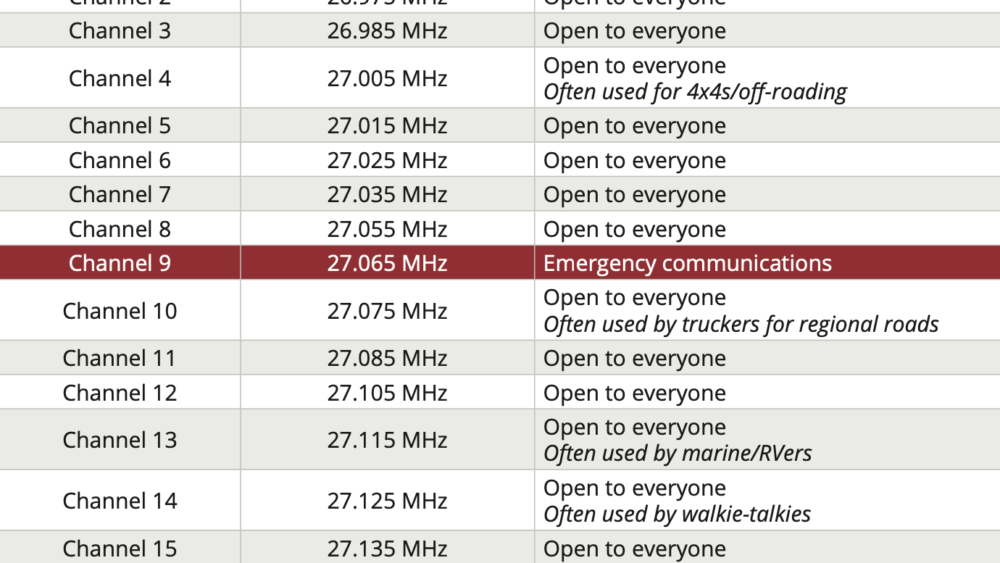
The primary frequency range allocated for Citizens Band (CB) radio is 27 megahertz (MHz). This band is further divided into numerous channels, each with a designated frequency.
- Channel 9: Perhaps the most famous of all CB channels, Channel 9 is legally designated for emergency use. This means it’s reserved for reporting accidents, traffic jams, breakdowns, and other urgent situations. While recreational use is strictly forbidden on this channel, its presence underscores CB radio’s role as a lifeline in specific circumstances.
- Channel 19: Another highly recognized channel, especially among long-haul truckers, Channel 19 is traditionally used for general traffic and information sharing. This is where drivers often coordinate on road conditions, speed traps, and potential hazards.
- Other Channels: Beyond the well-known, the 27 MHz band is divided into 40 channels. These channels are used for a variety of purposes, from casual conversations between hobbyists to specialized communication within communities like off-road enthusiasts or farmers. The specific frequencies within the 27 MHz band are precisely defined and managed by regulatory bodies to prevent interference.
How Amplitude Modulation (AM) and Single Sideband (SSB) Work
- Amplitude Modulation (AM): In AM, the amplitude (the “height” or intensity) of the radio wave is varied in accordance with the audio signal being transmitted. Think of it like changing the volume of a constant tone. AM is simpler to implement and generally less expensive for radio manufacturers, which contributed to its widespread adoption in early CB radios. However, AM is more susceptible to noise and interference from electrical sources and other radio transmissions.
- Single Sideband (SSB): SSB is a more advanced modulation technique that significantly improves efficiency and clarity, especially for longer distances. Instead of transmitting the entire AM signal, SSB transmits only one of the “sidebands” (which are frequency components above or below the main carrier wave) and suppresses the carrier wave itself. This effectively doubles the range of a transmitter with the same power output and dramatically reduces interference. While SSB-equipped CB radios are typically more expensive, they offer a superior communication experience for those prioritizing range and audio quality. The 27 MHz band includes channels designated for SSB operation, often referred to as “upper channels.”
The Importance of Frequency Allocation and Channel Planning
The allocation of the 27 MHz band for CB radio is a deliberate act by governments and international regulatory bodies. This ensures that different radio services can operate without interfering with each other. The strict adherence to designated frequencies and channel plans is crucial for the effective and legal use of CB radio. Violating these regulations can lead to fines and confiscation of equipment.
The Evolving Brand of CB Radio: From Necessity to Niche
The brand associated with CB radio has undergone a significant transformation since its inception. Initially, it was a tool of necessity, a vital communication link for industries and individuals. Over time, its image has shifted, embracing both its utilitarian roots and its appeal as a hobbyist pursuit.
From Professional Tool to Personal Connection
In its early days, CB radio was indispensable for professions like trucking, construction, and emergency services. It provided a reliable and relatively inexpensive way to communicate over short to medium distances, coordinating logistics and ensuring safety. The brand was synonymous with reliability, practicality, and a sense of community among those who depended on it for their livelihoods.
The Rise of the Hobbyist and the “Rebel” Image

As personal communication technologies like cellular phones began to emerge, the necessity of CB radio diminished for many. However, it found a new lease on life within various hobbyist communities. Off-roaders used it to stay in touch on remote trails, while amateur radio enthusiasts explored its capabilities. This period also saw CB radio develop a somewhat “rebellious” or counter-culture image, often depicted in movies and music as a tool for freedom and independent communication, separate from official channels.
Modern Branding: Utility, Hobby, and Nostalgia
Today, the brand of CB radio is multifaceted:
- Utility: It remains a vital tool for truckers, RVers, and anyone operating in areas with limited or no cellular coverage. For these users, the brand is still about practical, on-the-road communication.
- Hobby: For enthusiasts, the brand represents a connection to a classic technology, a passion for radio waves, and the enjoyment of communicating with like-minded individuals. This segment often embraces the technical aspects, upgrading antennas and radios for optimal performance.
- Nostalgia: There’s also a strong element of nostalgia. CB radio evokes memories of a simpler time and a different way of connecting. This appeals to individuals who appreciate its history and its unique charm.
The marketing and branding of CB radio products often leverage these different aspects. You’ll find rugged, professional-looking radios emphasizing durability and reliability, alongside more specialized equipment for hobbyists, and even retro-styled units that tap into the nostalgia market.
The Financial Landscape of CB Radio: Investment and Opportunity
Engaging with CB radio involves various financial considerations, from the initial investment in equipment to the potential for economic benefits for businesses and even the inherent value of reliable communication.
Initial Investment: Radios, Antennas, and Accessories
The cost of getting started with CB radio can vary significantly.
- Basic Handheld Transceivers: These are the most affordable options, often costing between $50 and $150. They are portable and convenient for short-range communication.
- Mobile Radios: Designed for vehicles, these units are more powerful and offer better performance. Prices can range from $100 to $300 or more, depending on features and brand.
- Base Station Radios: For home use, base stations are more robust and often include advanced features. These can cost anywhere from $150 to $500, with high-end models exceeding that.
- Antennas: A good antenna is crucial for effective communication. Mobile antennas can cost from $30 to $100, while base station antennas can range from $50 to $200 or more.
- Accessories: Power supplies, microphone upgrades, SWR meters (for tuning antennas), and coaxial cables add to the overall cost, typically ranging from $20 to $100 per item.
The investment is generally a one-time purchase, with ongoing costs being minimal (primarily electricity for base stations). This makes CB radio an attractive option for individuals and businesses looking for a cost-effective communication solution compared to recurring cellular plans, especially in areas where cellular service is unreliable.
Economic Benefits for Businesses and Individuals
While not a direct revenue-generating tool for most users, CB radio offers indirect economic benefits:
- Increased Efficiency for Businesses: For businesses reliant on mobile fleets (delivery services, construction companies, agricultural operations), CB radio can improve coordination, reduce downtime, and enhance operational efficiency. This translates into cost savings and increased productivity.
- Enhanced Safety and Reduced Costs: In remote or hazardous work environments, the ability to quickly communicate emergencies can prevent accidents, saving lives and potentially averting costly damage or legal liabilities.
- Cost Savings on Communication: For individuals who require communication beyond cellular networks, CB radio eliminates the need for expensive satellite phones or complex mobile data plans. This is particularly relevant for long-distance travelers or those in rural areas.
- Potential for Side Hustles and Community Services: While not common, some individuals have used their CB radio expertise to offer technical support or set up communication networks for local events, creating small side income streams. Furthermore, the community aspect can lead to informal networks that offer mutual assistance, saving members time and resources.

The Value of Reliability and Independence
In an era dominated by centralized communication networks, CB radio offers a decentralized and independent alternative. This reliability is invaluable in situations where traditional infrastructure may fail, such as during natural disasters or widespread power outages. The financial value of being able to communicate when all else is silent cannot be overstated, offering peace of mind and the potential to safeguard assets and lives.
In conclusion, while the question “what frequency is CB radio” might seem simple, delving into its technological underpinnings, its evolving brand identity, and its financial implications reveals a surprisingly rich and enduring aspect of modern communication. From the precise 27 MHz band to the practicalities of investment and the enduring value of independent communication, CB radio continues to carve out its niche in our interconnected world.
aViewFromTheCave is a participant in the Amazon Services LLC Associates Program, an affiliate advertising program designed to provide a means for sites to earn advertising fees by advertising and linking to Amazon.com. Amazon, the Amazon logo, AmazonSupply, and the AmazonSupply logo are trademarks of Amazon.com, Inc. or its affiliates. As an Amazon Associate we earn affiliate commissions from qualifying purchases.