
In an increasingly health-conscious world, dietary restrictions are becoming more common, and understanding the nuances of what we eat is paramount. For millions globally, adhering to a gluten-free diet isn’t just a trend; it’s a necessity driven by conditions like celiac disease, gluten sensitivity, or wheat allergies. While staples like bread and pasta often come to mind, hidden sources of gluten can lurk in unexpected places, and salad dressings are a prime example. Navigating the grocery store aisle for a safe, delicious, and gluten-free dressing can feel like a daunting task, requiring a sharp eye for labels and an understanding of ingredients.
However, the journey to a gluten-free lifestyle extends beyond mere ingredient lists. In today’s interconnected environment, the approach to managing such a diet is profoundly influenced by advancements in technology, the strategic branding of food products, and the financial implications of specialized eating. This comprehensive guide will not only illuminate which dressings are inherently gluten-free or safely certified but will also explore how leveraging tech tools, understanding brand commitments, and making astute financial choices can transform the gluten-free experience from a challenge into an empowered, informed, and even economically savvy endeavor. By integrating insights from the worlds of technology, brand strategy, and personal finance, we aim to provide a holistic perspective on thriving with a gluten-free diet, starting with the seemingly simple but surprisingly complex world of salad dressings.
Decoding Gluten-Free Dressings: Essential Knowledge and Label Literacy
For anyone managing a gluten-free diet, the devil is often in the details – specifically, the ingredient list. Salad dressings, designed to add flavor and moisture, can inadvertently introduce gluten through a variety of components, some obvious, some less so. Becoming a savvy label reader is the first, most crucial step in ensuring your dressings are safe.
The Hidden Culprits: Ingredients to Watch For
Gluten is a protein found in wheat, barley, and rye. While wheat flour is an obvious source, many processed ingredients derived from these grains can also contain gluten. In salad dressings, these can manifest in several forms:
- Thickeners and Stabilizers: Ingredients like modified food starch, often derived from wheat, can be a hidden source. Dextrin, while sometimes corn-based, can also be wheat-derived. Guar gum and xanthan gum are typically safe, but cross-contamination during processing is always a potential concern if not certified.
- Flavorings and Extracts: Malt, a common ingredient for flavor, is typically derived from barley and is a definite no-go. Malt vinegar, for example, is made from malted barley and contains gluten. Caramel coloring can sometimes contain gluten, although in many regions (like the US and EU) it is often gluten-free by law or common practice. However, it’s always best to verify.
- Soy Sauce: A pervasive ingredient in many Asian-inspired dressings (teriyaki, soy-ginger), traditional soy sauce is made with wheat. Tamari, a Japanese soy sauce alternative, is usually gluten-free, but always check the label to ensure it’s specifically marked GF.
- Marinades and Seasoning Blends: Some pre-made marinades or seasoning mixes used as a base for dressings might contain gluten-containing spices or anti-caking agents.
- Cross-Contamination: Even if all ingredients are individually gluten-free, the manufacturing facility might also process gluten-containing products. This risk of cross-contamination is why certification is so important.
To mitigate these risks, always scrutinize the ingredient list for wheat, barley, rye, malt, brewer’s yeast, and any ambiguous “natural flavors” or “spices” unless further clarified by a gluten-free claim.
Certified Gluten-Free: The Gold Standard
While an ingredient list might appear clean, the most reliable way to ensure a dressing is truly gluten-free is to look for official certifications. These certifications indicate that the product has been tested and meets stringent standards, typically containing less than 20 parts per million (ppm) of gluten – the internationally recognized threshold for “gluten-free.”
- Certification Logos: In North America, look for the “Certified Gluten-Free” symbol from organizations like the Gluten-Free Certification Organization (GFCO) or the NSF Gluten-Free certification. These symbols provide an extra layer of assurance beyond a simple “gluten-free” claim.
- “Gluten-Free” Claims: In countries like the U.S., the FDA regulates the term “gluten-free,” meaning products bearing this label must contain less than 20 ppm of gluten. While generally reliable, certified products often undergo more rigorous auditing and testing protocols.
- Inherently Gluten-Free Options: Many simple, homemade dressings are naturally gluten-free. Basic vinaigrettes made with olive oil, vinegar (balsamic, red wine, apple cider – ensuring no malt vinegar), herbs, spices, salt, and pepper are safe bets. Lemon juice and fresh garlic can also form the base of excellent GF dressings. For creamy options, dressings based on plain Greek yogurt, avocado, or tahini (sesame paste) are often safe, provided other ingredients are checked.
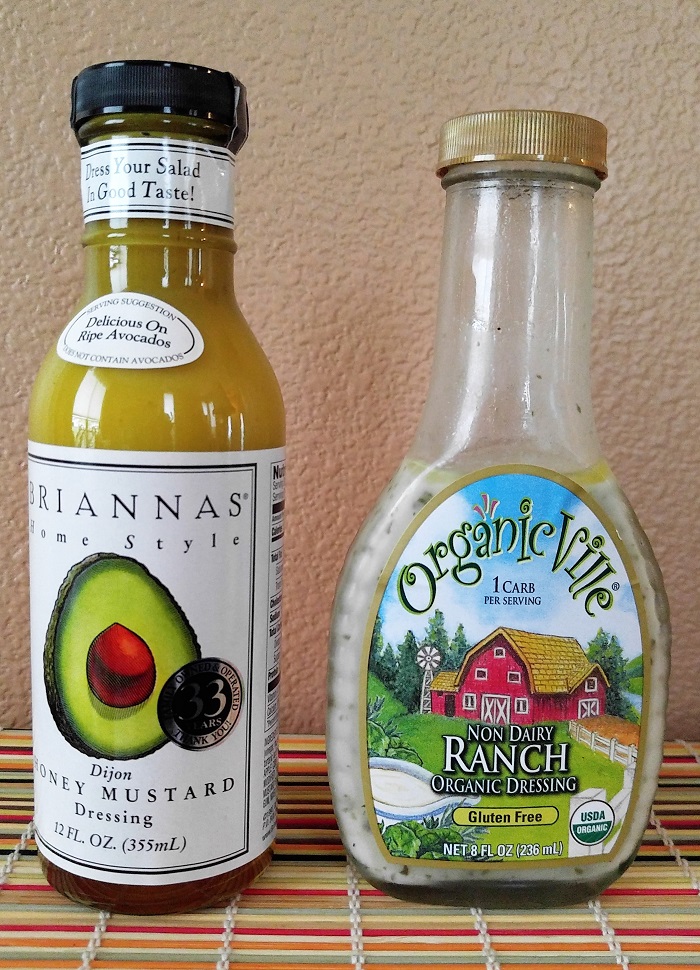
- Commonly Safe Commercial Brands/Types: Many brands specifically cater to the gluten-free market or have clear labeling for their GF options. Examples often include pure olive oil and vinegar, most vinaigrettes (check for malt vinegar/soy sauce), and specialized brands like Primal Kitchen, Tessemae’s, and Annie’s Naturals (check individual labels as not all products are GF). Ranch dressings can be tricky; many traditional versions contain modified food starch or other binders, so opt for explicitly labeled GF versions. Italian, French, and Thousand Island dressings also vary widely, necessitating careful label reading or seeking certified options.
By understanding potential gluten sources and prioritizing certified products, individuals can confidently select safe and delicious dressings, laying the foundation for a more manageable gluten-free diet.
Leveraging Technology for a Seamless Gluten-Free Lifestyle
In the digital age, managing a gluten-free diet has moved beyond just reading labels at the grocery store. Technology now offers an invaluable suite of tools, from sophisticated apps to advanced e-commerce platforms, designed to simplify, streamline, and even enhance the gluten-free journey. Integrating these technological solutions can significantly reduce stress and increase the efficiency of finding, preparing, and enjoying gluten-free foods, including those elusive safe salad dressings.
Apps and AI: Your Digital Diet Companions
The proliferation of mobile applications and the rise of artificial intelligence have revolutionized personal health management, and dietary restrictions are no exception. For gluten-free living, these digital tools serve as personal assistants, label scanners, and recipe curators all rolled into one.
- Dedicated GF Scanning Apps: Applications like “Spoonful” or “Fig” allow users to scan product barcodes directly with their smartphone cameras. These apps then instantly analyze the ingredient list against a comprehensive database, highlighting potential gluten-containing ingredients and indicating whether the product is considered gluten-free, often pulling data from certified sources or user communities. This capability is a game-changer for on-the-spot decision-making in grocery aisles, especially when deciphering complex dressing labels.
- AI-Powered Diet Assistants and Meal Planners: Advanced AI tools can go beyond simple scanning. By inputting dietary preferences, allergies, and specific needs (like gluten-free), AI can generate personalized meal plans, suggest suitable recipes, and even create grocery lists that prioritize gluten-free ingredients, including recommended safe dressings. Some platforms use AI to analyze restaurant menus for GF options, a particularly useful feature when dining out. The intelligence behind these tools continually learns from user feedback and updated food databases, making them increasingly accurate and helpful.
- Digital Security and Privacy: While immensely beneficial, the use of such apps often involves sharing sensitive dietary and health information. It’s crucial for users to be aware of the privacy policies of these applications. Understanding how their data is stored, used, and protected is a key aspect of digital security in a tech-driven health management world. Choosing apps from reputable developers with strong privacy commitments is essential to safeguard personal information.
- Productivity Boosters: By automating ingredient checks, meal planning, and grocery list generation, these apps significantly boost productivity. The time saved from exhaustive label reading and recipe hunting can be redirected towards other activities, making gluten-free meal preparation less time-consuming and more enjoyable.
E-commerce and Digital Platforms: Expanding Your GF Options
The online marketplace has transformed how consumers access specialized food products, offering unprecedented convenience and variety for those on a gluten-free diet.
- Online Grocery Shopping and Delivery: Major online grocery retailers (Amazon Fresh, Instacart, Walmart Grocery, etc.) and specialized health food e-commerce sites (Thrive Market, Vitacost) have extensive filters for “gluten-free” products. This allows users to browse and purchase a wide array of GF dressings from the comfort of their homes, often with detailed ingredient lists and user reviews available before purchase. This is particularly beneficial for those living in areas with limited access to specialty GF stores.
- Subscription Boxes: The rise of curated subscription boxes catering to specific dietary needs, including gluten-free, provides a convenient way to discover new GF products, often including unique dressings not found in local stores. These services introduce variety and often provide cost savings compared to individual purchases.
- Digital Communities and Reviews: Online forums, social media groups, and dedicated gluten-free blogs and websites offer invaluable platforms for sharing recommendations, reviews, and tips on finding safe and delicious gluten-free dressings. Consumer reviews on e-commerce sites also play a vital role, providing real-world feedback on taste, ingredient transparency, and gluten-free safety from fellow consumers.
- Food Tech Innovations: Beyond retail, broader food tech innovations are continually improving the availability and quality of gluten-free options. This includes advancements in ingredient sourcing, food processing technologies to prevent cross-contamination, and the development of novel gluten-free alternatives that enhance the flavor and texture of prepared foods, ultimately benefiting the gluten-free dressing market.
By fully embracing these technological advancements, individuals on a gluten-free diet can transform their experience, making it more efficient, informed, and enjoyable, ensuring that delicious and safe dressing options are always within reach.
The Brand Dimension: Trust, Marketing, and the Gluten-Free Market
In the competitive food industry, particularly within the specialized gluten-free segment, brand strategy, identity, and marketing play a pivotal role. For consumers, a brand’s commitment to gluten-free integrity is paramount, influencing purchasing decisions far beyond taste or price. For companies, effectively communicating this commitment builds invaluable trust and loyalty.
Building Brand Trust: Transparency and Certification
In the gluten-free market, trust is the ultimate currency. Consumers are not just buying a product; they are buying peace of mind. Brands that prioritize transparency and third-party validation stand out.
- Importance of Clear Labeling and Certification: A clear “Certified Gluten-Free” label is a brand’s most powerful statement of trust. It signals to consumers that the product has undergone rigorous testing and adheres to strict standards, minimizing the risk of accidental gluten exposure. Brands that visibly display certifications from recognized organizations (like GFCO, NSF) demonstrate a proactive commitment to consumer safety, building confidence and reinforcing their corporate identity as a reliable source for dietary needs. This goes beyond mere compliance; it’s a strategic move to build an honest and reputable image.
- Corporate Identity and Commitment: A strong brand identity for gluten-free products is built on more than just the logo. It encompasses the entire ethos of the company. Brands that consistently produce high-quality, safe gluten-free options and clearly communicate their processes (e.g., dedicated gluten-free facilities, strict ingredient sourcing) foster a sense of genuine care. This commitment permeates their brand image, from their website’s “About Us” section to their customer service interactions, demonstrating that catering to the gluten-free community is a core value, not just a market segment to exploit.
- Reputation Management: In the age of social media, a brand’s reputation can be made or broken by a single consumer experience. For gluten-free brands, maintaining an impeccable reputation for safety and quality is crucial. Negative feedback regarding gluten contamination or unclear labeling can spread rapidly, leading to a significant loss of trust and market share. Proactive reputation management involves not only ensuring product integrity but also engaging with customer feedback transparently, addressing concerns promptly, and demonstrating a continuous commitment to improvement. Case studies of brands that have successfully navigated this include those known for consistent quality and clear communication, becoming household names within the gluten-free community.
Marketing Gluten-Free: Design, Messaging, and Consumer Engagement
Effective marketing for gluten-free dressings requires a nuanced understanding of the target demographic, leveraging design and messaging to communicate both safety and desirability.
- Packaging Design for Impact: The visual design of packaging plays a critical role in attracting gluten-free consumers. Beyond the certification logo, design elements can subtly or overtly convey “health,” “natural,” and “safe.” Clean labels, natural color palettes, and clear, easy-to-read ingredient lists are often preferred. The design should immediately convey the product’s gluten-free status without sacrificing aesthetic appeal, making it stand out positively on a crowded shelf.
- Targeted Messaging and Digital Marketing: Gluten-free marketing needs to resonate with consumers who are often highly informed and actively seek out specific products. Digital marketing strategies, including targeted social media campaigns, influencer collaborations with gluten-free advocates, and content marketing (blogs with recipes, dietary tips), are highly effective. Messaging should emphasize the benefits beyond just “gluten-free,” such as taste, natural ingredients, and versatility, appealing to both those with dietary restrictions and health-conscious consumers.
- Understanding the GF Consumer Demographic: The gluten-free consumer is diverse, ranging from those with severe medical conditions to individuals choosing the diet for perceived health benefits. Effective marketing understands these different motivations and tailors messages accordingly. Engaging with this demographic through online communities, surveys, and direct feedback channels helps brands understand evolving needs and preferences, fostering a stronger connection.
- Case Studies of Successful GF Dressing Brands: Brands like Primal Kitchen and Tessemae’s have excelled by focusing on clean ingredients, clear gluten-free labeling, and innovative flavor profiles. Their marketing highlights not just the absence of gluten but the presence of high-quality, often paleo or keto-friendly, components. They use digital channels extensively, partnering with health influencers and creating appealing content that showcases their products as integral to a healthy, flavorful lifestyle. This approach demonstrates how branding in the gluten-free space can transcend mere dietary compliance to build a lifestyle connection.
By meticulously crafting their brand identity, prioritizing transparent communication, and employing targeted marketing strategies, companies can effectively build trust and loyalty within the gluten-free market, turning safe dressings into cherished components of a healthy diet.
Financial Implications: Budgeting and Investing in the GF World
Adopting a gluten-free diet often carries an implicit financial dimension. From the perceived higher cost of specialized products to the broader economic landscape of the gluten-free market, understanding these monetary aspects is crucial for sustainable adherence. This section explores how to manage the costs associated with gluten-free dressings and how the growing demand for GF products presents unique financial opportunities.
Navigating the Cost: Budgeting for Gluten-Free Dressings
One of the most common concerns for individuals transitioning to a gluten-free diet is the potential increase in grocery bills. Specialized gluten-free products, including dressings, can often command a higher price point due to production costs, ingredient sourcing, and market demand.
- The Perceived Higher Cost: Gluten-free alternatives often come with a premium. This is due to several factors: smaller production runs, specialized ingredients, the need for dedicated gluten-free manufacturing facilities to prevent cross-contamination, and certification costs. For dressings, this might mean a GF-certified ranch costs more than its conventional counterpart.
- Tips for Saving Money:
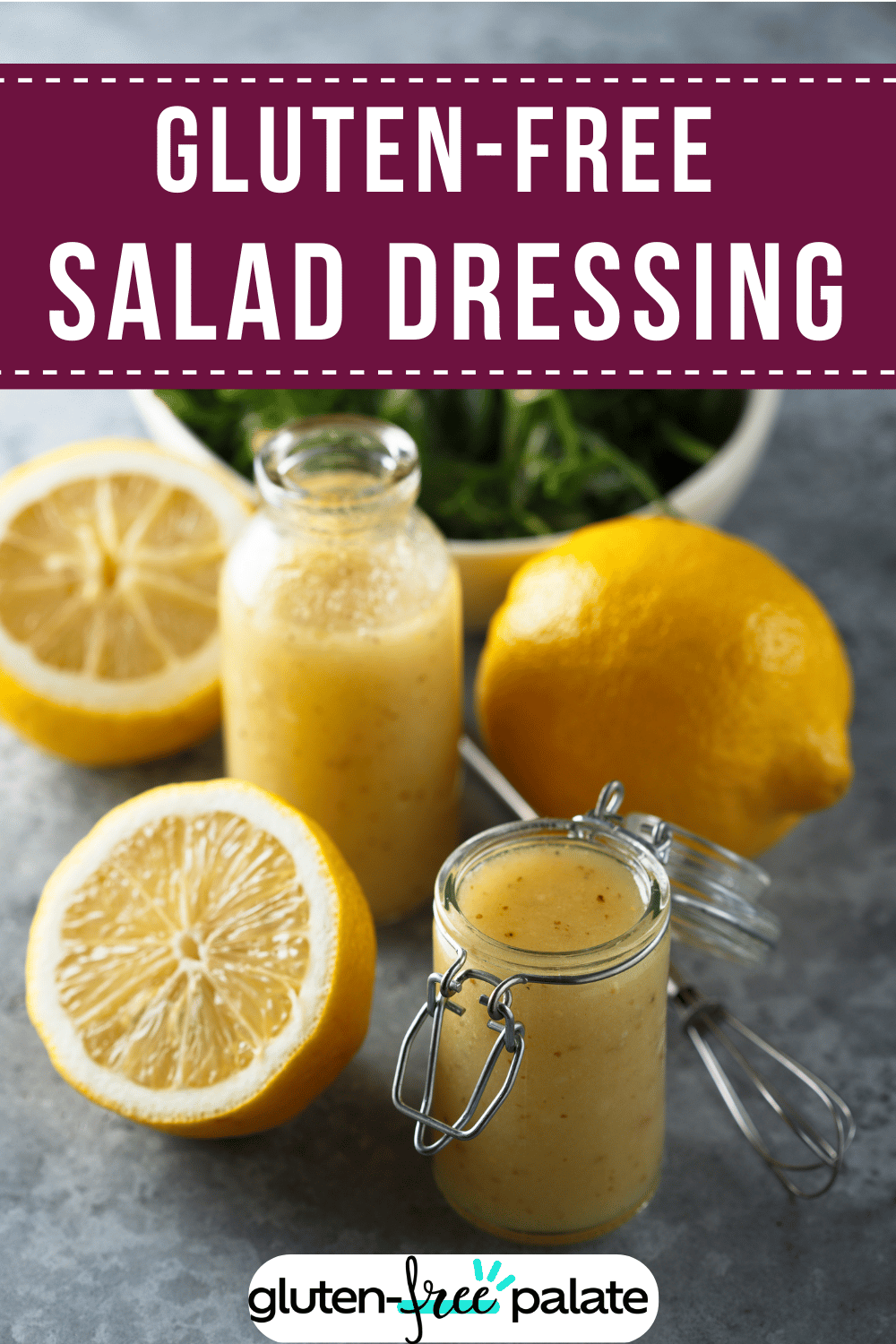
- Making Your Own: The most cost-effective solution for gluten-free dressings is often to make them from scratch. Basic ingredients like olive oil, vinegars, fresh herbs, spices, lemon juice, and mustard are naturally gluten-free and typically less expensive than pre-made specialty dressings. This also allows for complete control over ingredients and customization.
- Buying in Bulk: For non-perishable GF staples and often-used ingredients (e.g., olive oil, apple cider vinegar), purchasing in larger quantities can yield significant savings over time.
- Seeking Sales and Discounts: Keep an eye out for sales, coupons, and loyalty programs at your local grocery store or online retailers specializing in health foods. Subscription services or bulk ordering from GF-specific online stores can also offer better pricing.
- Store Brands: Many grocery store chains now offer their own gluten-free lines, which can be more affordable than national brands while still adhering to GF standards. Always check for explicit gluten-free labeling.
- Financial Tools for Tracking Food Expenses: Utilizing personal finance apps or budgeting software can help track food expenditures, including those for gluten-free items. Tools like Mint, YNAB (You Need A Budget), or even simple spreadsheets allow users to categorize spending, identify areas where costs can be cut, and ensure that the gluten-free diet remains within a manageable budget. Understanding where your money goes is the first step towards smarter financial planning for your diet.
- Cost-Benefit Analysis: While GF products might be more expensive upfront, for individuals with celiac disease or severe gluten sensitivity, the health benefits (reduced symptoms, improved gut health, prevention of long-term complications) significantly outweigh the financial outlay. Framing the cost as an investment in health can help justify the expenditure.

The Gluten-Free Economy: Investment and Entrepreneurial Opportunities
Beyond personal budgeting, the burgeoning gluten-free market presents intriguing opportunities for investors and aspiring entrepreneurs. The sustained growth of this niche indicates a robust economic sector.
- Investment Opportunities: The gluten-free food market has seen consistent growth, fueled by increased diagnosis rates, greater consumer awareness, and a wider acceptance of GF products by the general public. This presents opportunities for investors:
- Publicly Traded Companies: Investing in major food corporations that have strong gluten-free product lines (e.g., General Mills, Hain Celestial Group) or smaller, dedicated GF brands that are publicly traded.
- ETFs and Mutual Funds: Some exchange-traded funds (ETFs) or mutual funds focus on health and wellness, natural foods, or consumer staples, which may include companies heavily invested in the gluten-free sector.
- Startups: For accredited investors, investing in promising gluten-free food startups could offer high returns, though it comes with higher risk.
- Online Income and Side Hustles: The demand for gluten-free knowledge and products also creates avenues for online income and side hustles:
- Gluten-Free Recipe Blogs/Content Creation: Developing and monetizing a blog or YouTube channel focused on gluten-free recipes (including homemade dressings), meal planning, and lifestyle tips. Income can be generated through advertising, sponsored content, and e-book sales.
- Affiliate Marketing: Partnering with gluten-free food brands (including dressing manufacturers) or online retailers to promote their products. Earning commissions on sales generated through unique affiliate links.
- Selling Homemade GF Products: For those with culinary skills, creating and selling certified gluten-free dressings or other food items (adhering to local food safety regulations) can be a viable small business or side hustle.
- Gluten-Free Consulting/Coaching: Offering services as a gluten-free lifestyle coach, helping others navigate the diet, find products, and develop meal plans.
- Business Finance for GF Startups: For entrepreneurs looking to enter the GF dressing market, understanding business finance is critical. This includes market analysis, securing funding (venture capital, angel investors, small business loans), managing production costs, marketing budgets, and navigating the complexities of certification and distribution. The growth trajectory of the GF market suggests a fertile ground for innovation and expansion, but requires sound financial planning and execution.
In conclusion, managing a gluten-free diet, particularly when it comes to finding safe and delicious dressings, is a multi-faceted endeavor. By adopting a proactive approach – armed with knowledge about ingredients, leveraging the power of technology, understanding brand promises, and making informed financial decisions – individuals can transform the gluten-free challenge into a manageable, healthy, and even economically astute lifestyle. Embracing this holistic perspective ensures that living gluten-free isn’t just about restriction, but about empowerment, discovery, and enjoying a life full of flavor, safely and smartly.
aViewFromTheCave is a participant in the Amazon Services LLC Associates Program, an affiliate advertising program designed to provide a means for sites to earn advertising fees by advertising and linking to Amazon.com. Amazon, the Amazon logo, AmazonSupply, and the AmazonSupply logo are trademarks of Amazon.com, Inc. or its affiliates. As an Amazon Associate we earn affiliate commissions from qualifying purchases.