
The human brain is an intricate network of billions of neurons communicating through complex electrical and chemical signals. Understanding how substances interact with this delicate system is crucial for both medical advancement and personal well-being. While often prescribed to alleviate anxiety and panic disorders, Xanax, a benzodiazepine, profoundly impacts brain function. This article delves into the neurological mechanisms behind Xanax’s effects, exploring how it alters neurotransmitter activity, affects brain regions, and the potential consequences for cognitive function and mental health, all within the context of how technology, branding, and financial decisions can influence our understanding and interaction with such substances.

The Neurotransmitter Symphony: How Xanax Hijacks GABA
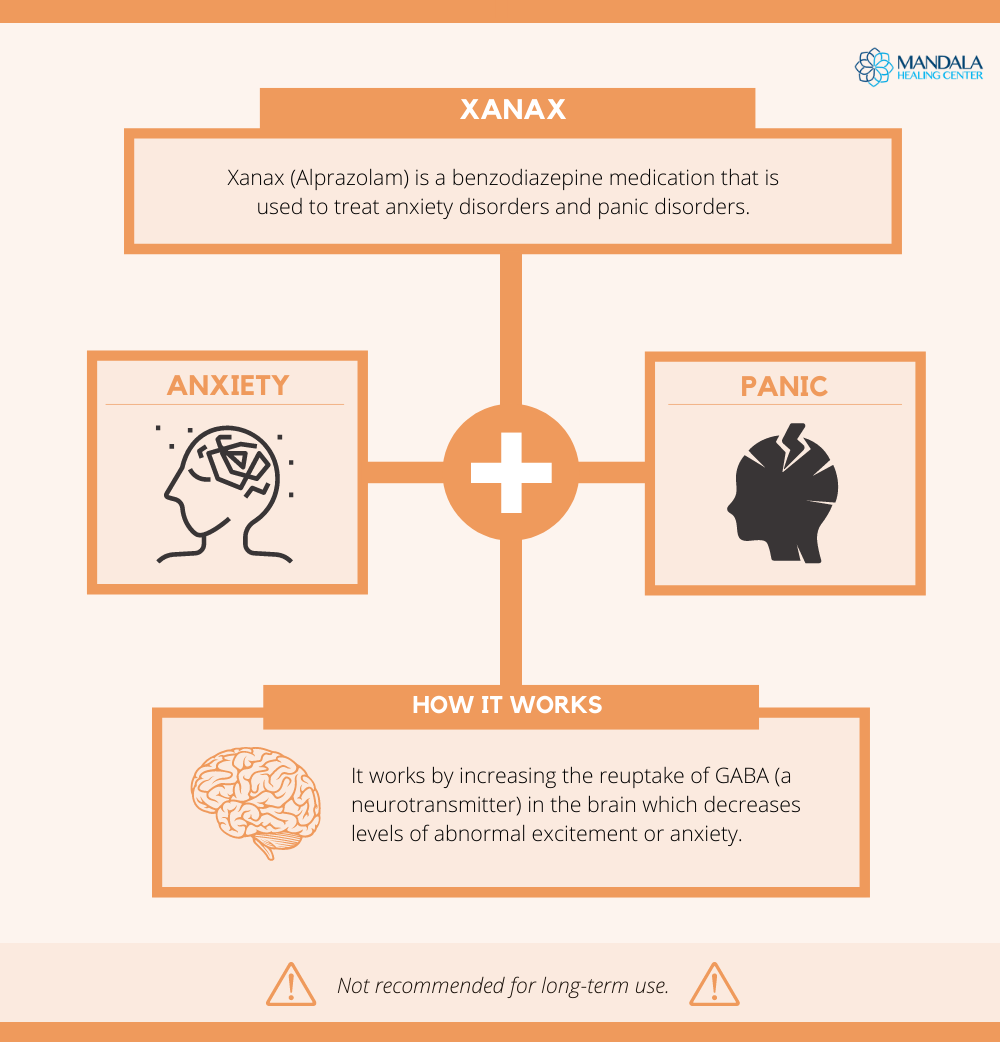
At its core, Xanax (alprazolam) exerts its effects by amplifying the action of a crucial neurotransmitter in the brain: gamma-aminobutyric acid (GABA). GABA is the primary inhibitory neurotransmitter, meaning it acts as the brain’s “brake pedal,” slowing down neural activity. Think of it as the dimmer switch for your brain’s excitability. When GABA binds to its receptors, it opens channels that allow chloride ions to enter neurons. This influx of negatively charged ions makes the neuron less likely to fire, effectively calming down the nervous system.
Xanax doesn’t directly produce GABA; instead, it enhances GABA’s natural signaling. It does this by binding to a specific site on the GABA-A receptor, a protein complex embedded in the neuronal membrane. This binding causes a conformational change in the receptor, making it more sensitive to GABA. Consequently, even a small amount of GABA can have a more significant inhibitory effect. This amplified inhibition is what leads to Xanax’s anxiolytic (anxiety-reducing), sedative, and muscle-relaxant properties.
The Role of GABA-A Receptors
The GABA-A receptor is a fascinating molecular machine with multiple binding sites for different molecules. These sites include:
- The GABA binding site: Where GABA itself docks.
- Benzodiazepine binding sites: Where drugs like Xanax attach.
- Barbiturate binding sites: For a different class of sedatives.
- Steroid binding sites: For endogenous neurosteroids.
When Xanax binds to its allosteric site (a site distinct from the main GABA binding site), it increases the frequency of chloride channel opening in response to GABA. This is in contrast to barbiturates, which primarily increase the duration of channel opening. This difference in mechanism contributes to the distinct pharmacological profiles of these drug classes.
The Impact on Neural Excitability
By boosting GABAergic inhibition, Xanax effectively dampens the overall excitability of neuronal circuits. This is particularly relevant in areas of the brain associated with anxiety, such as the amygdala and the prefrontal cortex. In individuals experiencing anxiety, these brain regions can become hyperactive. Xanax’s ability to reduce this overactivity provides relief from feelings of unease, fear, and panic.
However, this widespread dampening effect is also responsible for some of Xanax’s less desirable side effects. Over-inhibition can lead to:
- Sedation and drowsiness: As overall brain activity slows down.
- Impaired motor coordination: Affecting the cerebellum, which controls movement.
- Cognitive impairment: Impacting the prefrontal cortex, responsible for higher-level thinking.
Brain Regions Under the Influence of Xanax
Xanax doesn’t act uniformly across the brain. Its effects are most pronounced in specific regions that play a key role in regulating mood, anxiety, cognition, and behavior.
The Amygdala: The Fear Center’s Calming
The amygdala is a pair of almond-shaped structures deep within the temporal lobes that are central to processing emotions, especially fear and anxiety. When faced with a perceived threat, the amygdala becomes highly active, triggering the “fight or flight” response. Xanax’s ability to enhance GABAergic signaling in the amygdala effectively mutes this alarm system, reducing feelings of panic and hypervigilance. This is a primary reason why Xanax is so effective in treating panic attacks and generalized anxiety disorder.
The Prefrontal Cortex: Navigating Thoughts and Decisions
The prefrontal cortex (PFC) is the executive control center of the brain, responsible for complex cognitive functions such as decision-making, planning, working memory, and impulse control. Xanax’s impact on the PFC can be a double-edged sword. While it can help reduce anxious rumination and racing thoughts by calming overactive neural pathways, it can also impair the very functions it aims to regulate. This is why individuals taking Xanax might experience difficulties with concentration, memory recall, and making sound judgments.
The Hippocampus: Memory Formation Under Siege
The hippocampus, located in the medial temporal lobe, is critical for forming new memories. Xanax, particularly at higher doses or with prolonged use, can interfere with hippocampal function, leading to anterograde amnesia – the inability to form new memories. This is a significant concern for individuals taking Xanax, as it can impact their ability to learn and recall everyday events. The precise mechanisms are still being investigated, but it’s believed that the disruption of neural plasticity and synaptic transmission within the hippocampus plays a role.
The Cerebellum: Motor Control and Coordination’s Stumble
The cerebellum, situated at the back of the brain, is primarily responsible for coordinating voluntary movements, posture, balance, and speech. Xanax’s sedative and muscle-relaxant effects are partly mediated by its influence on the cerebellum. By increasing GABAergic inhibition, it can lead to a reduction in muscle tone and coordination, resulting in symptoms like dizziness, unsteadiness, and difficulty with fine motor skills.
Navigating the Digital Landscape of Xanax Information: Technology, Branding, and Financial Implications
The information surrounding Xanax, its effects, and its use is vast and complex, a landscape increasingly shaped by digital technologies, sophisticated branding strategies, and significant financial underpinnings. Understanding these forces is as important as understanding the drug’s neurological impact itself.
Technology: From AI-Driven Diagnoses to Digital Detoxes
Technology plays a multifaceted role in how we perceive, access, and manage medications like Xanax.
- AI and Diagnostics: Artificial intelligence is revolutionizing how mental health conditions are diagnosed. Machine learning algorithms can analyze vast datasets of patient symptoms, genetic predispositions, and even neuroimaging data to identify patterns indicative of anxiety disorders. This can lead to more accurate and timely diagnoses, potentially guiding treatment decisions, including the consideration of medications like Xanax. However, the ethical implications of AI in mental health, including data privacy and the potential for algorithmic bias, are critical considerations.
- Online Information and Misinformation: The internet offers unprecedented access to information about Xanax. Websites provide detailed explanations of its mechanism of action, side effects, and treatment protocols. However, this accessibility also opens the door to misinformation and potentially harmful advice. Users may encounter inaccurate portrayals of the drug’s effects, leading to misguided self-medication or unwarranted fear. Digital literacy and critical evaluation of online sources are paramount.
- Telemedicine and Remote Prescribing: The rise of telemedicine has made accessing healthcare more convenient, including consultations with mental health professionals. This can facilitate the prescribing of medications like Xanax. While convenient, it also raises questions about the depth of assessment possible remotely and the potential for over-prescription or insufficient monitoring. Robust digital security measures are also crucial to protect sensitive patient information exchanged through these platforms.
- Digital Tools for Management and Support: A growing number of apps and digital tools aim to support individuals managing anxiety and medication use. These can include mood trackers, mindfulness exercises, medication reminders, and access to online support communities. While potentially beneficial, it’s important to ensure these tools complement, rather than replace, professional medical advice and treatment plans.
Branding: The Pharmaceutical Narrative and Personal Identity
The pharmaceutical industry is a master of branding, and Xanax is no exception. The way a drug is presented, marketed, and perceived significantly influences public and professional attitudes.
- Corporate Identity and Trust: Pharmaceutical companies invest heavily in building a strong corporate identity that conveys trustworthiness, scientific rigor, and a commitment to patient well-being. This brand image influences how prescribers and patients view their products. The “Xanax” brand itself has become synonymous with anxiety relief for many, a testament to effective marketing and its widespread clinical use.
- Marketing Strategies and Perceptions: Historically, pharmaceutical marketing has evolved from direct-to-physician promotion to increasingly sophisticated direct-to-consumer advertising in some regions. The way Xanax is portrayed – its effectiveness in swiftly alleviating distressing symptoms – can create a powerful brand association. This can lead to patients seeking out the brand name specifically, sometimes overriding discussions about alternative treatments or generic options. The ethical boundaries of such marketing, particularly concerning the potential for creating demand for medications, are a constant subject of debate.
- Personal Branding and Self-Medication: In an era where personal branding is increasingly important, individuals might feel pressure to appear calm, composed, and productive. Anxiety can be perceived as a personal failing that hinders this image. This can, unfortunately, lead some individuals to self-medicate with substances like Xanax, viewing it as a “quick fix” to achieve the desired personal brand. This bypasses essential medical evaluation and can lead to dependency.
Money: The Financial Ecosystem of Medication
The financial aspects surrounding Xanax are complex and deeply intertwined with its neurological effects and availability.
- Prescription Costs and Access: The cost of Xanax, both branded and generic, can be a significant barrier for some individuals seeking treatment. Insurance coverage, co-pays, and out-of-pocket expenses create a financial ecosystem that influences who can access this medication. Financial strain can exacerbate anxiety, creating a vicious cycle. Discussions about financial tools and insurance can be crucial for ensuring equitable access to necessary treatment.
- The Pharmaceutical Industry’s Financial Power: The pharmaceutical industry is a multi-billion dollar sector. The development, manufacturing, and marketing of drugs like Xanax represent substantial financial investments and generate considerable profits. This financial power influences research priorities, lobbying efforts, and the availability of information. Understanding the business models behind medication production is vital for a comprehensive view.
- Side Hustles and the Illicit Market: Unfortunately, the demand for Xanax has also fueled an illicit market. Individuals seeking to profit may engage in “side hustles” involving the diversion and illegal sale of prescription medications. This poses significant risks, as these substances may be counterfeit, contaminated, or sold without proper medical guidance, leading to unpredictable and dangerous neurological outcomes. Exploring the financial incentives behind illicit drug markets highlights a critical public health concern.
- Financial Implications of Addiction and Withdrawal: The financial toll of Xanax addiction and withdrawal can be devastating. Costs associated with rehabilitation, lost productivity, and legal issues can be immense. Understanding the long-term financial consequences underscores the importance of responsible prescribing and seeking appropriate treatment for dependence.
The Long-Term Neurological Landscape: Tolerance, Dependence, and Withdrawal
While Xanax can offer significant relief in the short term, its prolonged use can lead to a cascade of neurological adaptations that are critical to understand.
Tolerance: The Brain’s Adaptation
With consistent use, the brain begins to adapt to the presence of Xanax. Neurons can become less sensitive to the drug’s effects, meaning that the same dose becomes less effective over time. This phenomenon, known as tolerance, often prompts individuals to increase their dosage to achieve the desired level of anxiety relief. This escalation can inadvertently increase the risk of dependence and more severe side effects. The brain essentially recalibrates its GABAergic system, requiring a higher concentration of the drug to maintain the same level of inhibition.
Dependence: The Brain’s Reliance
As tolerance develops, the brain can also develop physical dependence on Xanax. This means that the body has become accustomed to functioning with the drug present, and its sudden absence can trigger withdrawal symptoms. Dependence is not necessarily synonymous with addiction, although the two can co-occur. Dependence refers to the physiological need for the drug to avoid withdrawal, while addiction involves compulsive drug-seeking behavior despite negative consequences.
Withdrawal: The Rebound Effect
When Xanax is stopped abruptly or the dosage is reduced too quickly, individuals can experience withdrawal symptoms. This occurs because the brain, having adapted to the drug’s inhibitory influence, becomes hypersensitive and overactive once the drug is removed. Symptoms can range from mild to severe and can include:
- Rebound anxiety and insomnia: The original anxiety symptoms can return with increased intensity.
- Irritability and restlessness: A heightened state of agitation.
- Muscle aches and tremors: Physical manifestations of the nervous system’s dysregulation.
- Nausea and vomiting: Gastrointestinal distress.
- Seizures: In severe cases, particularly with abrupt cessation of high doses, seizures can occur, highlighting the profound impact on the central nervous system.
The withdrawal process can be prolonged and challenging, often requiring medical supervision and a carefully managed tapering schedule to minimize discomfort and prevent dangerous complications.

Conclusion: A Nuanced Understanding for Informed Decisions
Xanax profoundly impacts the brain by enhancing the inhibitory effects of GABA, leading to a calming of neural activity. This mechanism offers relief for anxiety and panic disorders but can also result in sedation, cognitive impairment, and motor coordination issues. The brain regions most affected include the amygdala, prefrontal cortex, hippocampus, and cerebellum, each playing a vital role in mood, cognition, memory, and movement.
Navigating the world of Xanax requires a nuanced understanding that extends beyond its direct neurological effects. Technology shapes how we learn about and access such medications, from AI-driven diagnostics to the omnipresent threat of online misinformation. Branding strategies influence our perceptions and expectations, while the financial ecosystem surrounding prescription drugs, from costs to illicit markets, plays a significant role in access and consequences.
Ultimately, understanding what Xanax does to the brain necessitates a holistic approach that considers its pharmacological actions, its impact on brain regions, and the broader societal, technological, and financial forces that shape our relationship with this powerful medication. Informed decisions about its use, whether as a prescriber or a patient, require vigilance, critical thinking, and a commitment to evidence-based practices.
aViewFromTheCave is a participant in the Amazon Services LLC Associates Program, an affiliate advertising program designed to provide a means for sites to earn advertising fees by advertising and linking to Amazon.com. Amazon, the Amazon logo, AmazonSupply, and the AmazonSupply logo are trademarks of Amazon.com, Inc. or its affiliates. As an Amazon Associate we earn affiliate commissions from qualifying purchases.