
In the fast-paced world of digital communication, acronyms and abbreviations are the undisputed kings of brevity. From “LOL” to “BRB,” they save precious seconds and characters, allowing us to convey complex ideas with minimal effort. Yet, this efficiency often comes at a price: ambiguity. Few acronyms embody this challenge as perfectly as “SA.” While seemingly innocuous, its meaning in texting is far from singular, often demanding careful contextual analysis and sometimes leading to significant misunderstandings. This seemingly simple question, “what does SA mean in texting?”, opens a gateway to broader discussions on the evolution of technology, the nuances of personal and corporate branding, and even the financial implications of clear communication in our increasingly digital lives.
Decoding “SA”: Beyond the Acronym
The ambiguity of “SA” is a perfect microcosm of the modern communication dilemma. In a world where every character counts, and attention spans are fleeting, conciseness is king. However, this pursuit of brevity can often lead to a lack of clarity, turning a simple message into a puzzle that requires decoding. Understanding “SA” in its various forms is not just about memorizing a list of meanings, but about developing a critical approach to digital literacy that recognizes the inherent limitations and potential pitfalls of shorthand.
The Literal Interpretations and Contextual Clues
At its core, “SA” is an initialism, and like many others, it can represent a multitude of phrases depending on the context. Without additional information, it’s virtually impossible to pinpoint its exact meaning. Some of the most common interpretations encountered in everyday texting include:
- South Africa: This is perhaps one of the most geographically straightforward uses. If you’re discussing travel plans, current events, or a friend who lives abroad, “SA” might easily refer to this nation.
- Sexual Assault: This is a critically important and highly sensitive interpretation. In discussions pertaining to personal safety, news, or support groups, “SA” is frequently used to refer to sexual assault, often to maintain a degree of anonymity or to avoid using explicit language in certain settings. Given the gravity of this meaning, extreme caution and sensitivity are paramount if this interpretation seems plausible.
- Student Association: In academic or collegiate contexts, “SA” could refer to a student organization, council, or administrative body. Conversations about campus events, university policies, or club meetings might employ this abbreviation.
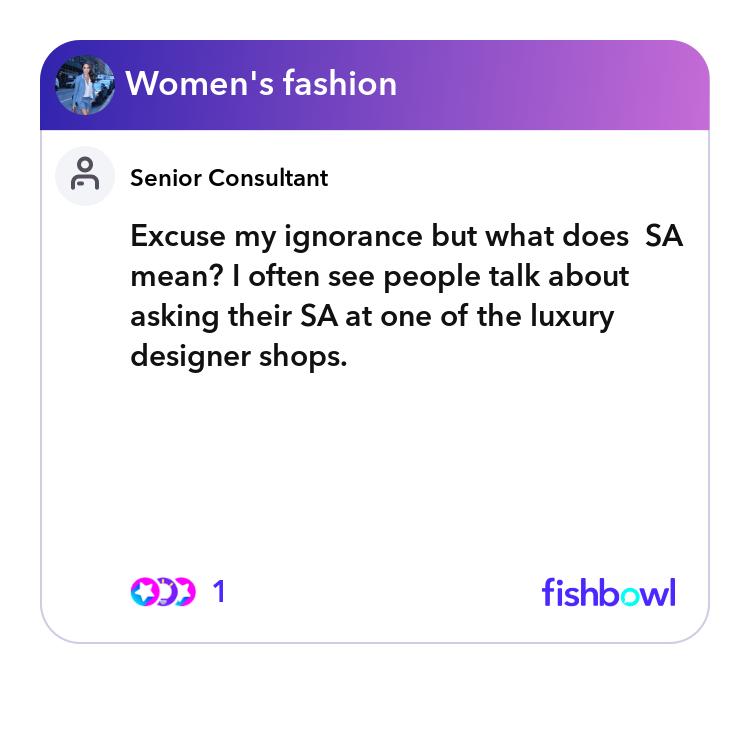
- Sales Associate/Sales Agreement: In a professional or retail context, “SA” might mean “Sales Associate” (referring to a store employee) or “Sales Agreement” (a formal contract).
- Specific Advantage/Special Arrangement: In strategic discussions, problem-solving, or negotiations, “SA” could denote a particular benefit or a unique deal being discussed.
- Social Anxiety: In conversations about mental health, personal feelings, or social events, “SA” might refer to social anxiety, a condition where individuals experience intense fear or discomfort in social situations.
The key to deciphering “SA” lies not in memorizing this list, but in acutely observing the surrounding textual clues. Who is sending the message? What was the previous topic of conversation? Is there an emoji or a follow-up sentence that sheds light on the sender’s intent? The capitalization can sometimes offer a subtle hint – acronyms for proper nouns or formal entities are often capitalized, whereas more casual phrases might appear in lowercase. Ultimately, if doubt persists, the best practice is always to directly ask the sender for clarification.
Why Ambiguity Reigns in Digital Shorthand (Tech Focus)
The proliferation of ambiguous shorthand like “SA” is deeply rooted in the technological evolution of communication. When SMS (Short Message Service) first became prevalent, character limits (typically 160 characters per message) forced users to be extremely concise. This constraint fostered a culture of abbreviation, where every letter saved was a victory. While modern messaging apps have largely removed these character limits, the habit of using shorthand has persisted, evolving into a fundamental aspect of digital fluency.
Moreover, the speed and immediacy of texting contribute to this phenomenon. Users prioritize rapid information exchange over meticulous linguistic precision. There’s an expectation that recipients can “fill in the blanks” or infer meaning from minimal input. This mental shortcut, while efficient, inherently increases the potential for misinterpretation. Emoji and GIF keyboards were introduced partly to combat this lack of nuance, allowing users to convey emotion, tone, and context that plain text often fails to capture. However, they are supplements, not replacements, for clear verbal articulation. The technological infrastructure, from the early days of limited SMS to today’s rich media platforms, has shaped a communication landscape where ambiguity is an accepted, if sometimes problematic, byproduct of efficiency.
The Broader Implications of Digital Communication on Tech and Society
The seemingly trivial question of “what does SA mean?” quickly expands into a crucial examination of how technology influences our daily interactions, shapes understanding, and impacts society at large. Our digital communications are no longer mere exchanges of words; they are complex ecosystems influenced by algorithms, security protocols, and evolving social norms.
The Tech Landscape: From SMS to AI-Powered Communication
The journey of digital messaging has been remarkable. From the rudimentary SMS, where every character was a premium, we’ve transitioned to sophisticated platforms like WhatsApp, Messenger, iMessage, Discord, and Slack. These platforms offer rich media capabilities, group chats, voice and video calls, and a host of integrated features. This technological progression has dramatically altered how we communicate, fostering both greater connectivity and new challenges in information clarity.
One of the most significant technological advancements impacting communication is the rise of Artificial Intelligence (AI). AI tools are now embedded in various aspects of our digital interactions, from predictive text on our smartphones to sophisticated grammar checkers and sentiment analysis tools. These AI systems are designed to understand, anticipate, and even generate language, aiming to make communication more efficient and less error-prone. However, in cases of ambiguity like “SA,” AI’s role can be complex. While AI might help clarify context by analyzing surrounding words and user history, it can also propagate misunderstandings if its algorithms are not sufficiently nuanced or trained on diverse datasets. For instance, an AI might incorrectly prioritize a common interpretation of “SA” over a contextually relevant but less frequent one, or it might struggle to discern the sensitivity associated with certain acronyms.
Furthermore, the prevalence of digital communication brings forth critical discussions around digital security and privacy. The misinterpretation of an acronym like “SA” could potentially have security implications. For example, if “SA” were to be misinterpreted in a data breach notification or a phishing attempt, it could lead to users revealing sensitive information or falling victim to scams. The security protocols of messaging apps, from end-to-end encryption to two-factor authentication, are crucial in protecting the integrity of our conversations, ensuring that even ambiguous messages are exchanged within a secure environment.
Navigating Nuance: Tools and Best Practices for Clarity
Given the inherent ambiguity of digital shorthand, developing strategies for clear communication is paramount. This isn’t just about avoiding misinterpretations but about fostering effective and respectful interactions.
The most straightforward best practice remains: when in doubt, ask for clarification. Instead of making assumptions, a simple “What do you mean by SA?” can prevent misunderstandings. Beyond this, consider the context and audience. For formal or professional communications, it’s almost always advisable to use full words and phrases, avoiding acronyms unless they are universally understood within that specific domain. Proofreading messages before sending, especially those with significant implications, can also catch potential ambiguities.
Technological aids are increasingly valuable in this endeavor. Spell checkers and grammar tools (like Grammarly) can highlight awkward phrasing or suggest clearer alternatives, although they might not always catch context-dependent acronym misuses. Features like “read receipts” or “typing indicators” offer a subtle layer of meta-communication, indicating if a message has been seen or is being responded to, which can sometimes mitigate anxiety caused by delayed responses to ambiguous messages. Voice notes, increasingly popular on messaging platforms, provide an excellent way to add tone and nuance that plain text lacks, significantly reducing the chances of misinterpretation for complex or sensitive topics.
Ultimately, navigating the nuance of digital communication requires developing a strong sense of “digital etiquette.” This involves understanding the unspoken rules of various platforms, knowing when to be concise and when to be explicit, and always considering the potential impact of your words on the recipient.

“SA” and Its Echoes in Branding and Professional Worlds
The seemingly simple question of “what does SA mean in texting?” transcends casual conversation, extending its implications deeply into the realms of personal and corporate branding. In today’s interconnected professional landscape, every digital interaction, however informal, contributes to one’s overall image and reputation.
Personal Branding in a Text-Driven World
In an era where personal brands are meticulously crafted and constantly on display, the clarity of your communication, even in casual texts, holds significant weight. The “SA” example underscores the necessity of clear communication as a cornerstone of a strong personal brand. If you’re consistently unclear, rely heavily on obscure shorthand, or frequently cause misunderstandings, it can subtly erode trust and professional credibility. For instance, a quick, ambiguous text to a colleague might be perceived as unprofessional or careless, even if unintended.
Maintaining a clear distinction between professional and informal communication styles is crucial. While acronyms might be acceptable among close friends, using them indiscriminately in networking messages, professional emails, or even LinkedIn DMs can project an image of informality that may not align with your desired personal brand. Ambiguous shorthand, especially in sensitive contexts, can carry significant reputational risks. Imagine a situation where a potential employer sees a screenshot of a text conversation where you used “SA” in a way that could be misinterpreted as insensitive or unprofessional. Such instances can have lasting negative impacts on career prospects and professional relationships. The ability to communicate with precision, whether in a formal report or a quick text, is a highly valued skill that contributes directly to one’s perceived competence and reliability.
Corporate Identity and Communication Strategy
For businesses, the stakes of ambiguous communication are even higher. Corporate identity, trust, and efficiency are inextricably linked to how clearly and consistently a brand communicates, both internally and externally.
Internally, misinterpretation of shorthand in corporate chat tools (like Slack or Microsoft Teams) can lead to significant inefficiencies and errors. A project manager might use “SA” in a message referring to a “Situation Analysis,” but a team member might interpret it as a “Sales Agreement,” leading to misallocated resources, incorrect priorities, or missed deadlines. These communication breakdowns can ripple through an organization, causing lost productivity, rework, and even direct financial losses. Therefore, establishing clear internal communication guidelines and training employees on best practices for digital interaction becomes a critical aspect of operational efficiency and risk management.
Externally, a brand’s public messaging, marketing campaigns, and customer service interactions are the frontline of its corporate identity. Using jargon or ambiguous acronyms that are not universally understood by the target audience can alienate customers, create confusion, and damage brand perception. For example, a customer service agent using an internal “SA” abbreviation in a chat might leave a customer feeling misunderstood or frustrated. Brands strive to project an image of clarity, reliability, and approachability. Ambiguous communication undermines these efforts, potentially leading to negative customer experiences, decreased loyalty, and a tarnished reputation.
Moreover, in regulated industries, ambiguous shorthand in official communications can pose severe legal and compliance risks. Misinterpreted terms in contracts, financial disclosures, or regulatory filings could lead to legal disputes, penalties, or reputational damage that takes years and significant financial investment to repair. Thus, a robust communication strategy that prioritizes clarity, consistency, and professional language is not just good practice; it’s a fundamental requirement for maintaining a strong corporate identity and safeguarding against multifaceted business risks.
The Financial Dimensions of Digital Clarity and Miscommunication
While “what does SA mean in texting?” seems like a casual query, its underlying themes of clarity and ambiguity have tangible financial implications that resonate across personal finance, business operations, and investment strategies. Effective communication isn’t just a soft skill; it’s a critical asset with a measurable return on investment.
Economic Impact of Communication Gaps
The financial consequences of miscommunication, stemming from ambiguous shorthand like “SA,” can be surprisingly substantial. One of the most pervasive impacts is the loss of productivity. When an employee misinterprets an instruction because of ambiguous language, they might spend hours working on the wrong task, leading to wasted time, duplicated efforts, and delayed project completion. The cumulative effect of such minor misinterpretations across an organization can translate into significant financial losses due to inefficiencies and missed opportunities. Time spent clarifying ambiguous messages, correcting errors, and redoing work directly impacts the bottom line.
Beyond productivity, ambiguity can be exploited in the realm of financial fraud and security. Phishing scams, for instance, often rely on creating a sense of urgency or confusion. If an attacker uses an ambiguous abbreviation like “SA” in a deceptive email (e.g., “urgent SA matter requires your attention”), it could prompt an unsuspecting individual to click on a malicious link or reveal sensitive information. Similarly, in social engineering attacks, a lack of clarity in communication can be leveraged to manipulate individuals into making financially detrimental decisions.
In the fast-paced world of investment and trading, misinterpretation can have immediate and severe financial consequences. In financial chats or reports, “SA” could potentially stand for “Stock Analyst,” “Security Alert,” “Sell Asset,” or even “Strategic Alliance.” Imagine a scenario where a trader misinterprets “SA” in a rapid-fire communication as “Sell Asset” instead of “Strategic Alliance,” leading to an erroneous trade that results in substantial losses. The speed required in financial markets leaves little room for ambiguity, and any lack of clarity can quickly translate into direct monetary impacts.

Investing in Clear Communication: A Financial Return
Recognizing these economic impacts underscores the critical importance of investing in clear communication strategies and tools. For businesses, this investment yields a tangible financial return.
Firstly, training employees in clear communication and establishing strict guidelines for internal and external messaging can significantly reduce productivity losses. This includes discouraging ambiguous shorthand in professional contexts, promoting the use of full phrases, and encouraging direct clarification when needed. The ROI on such training comes from increased efficiency, fewer errors, and improved project completion rates.
Secondly, adopting robust communication platforms and tools that enhance clarity is a financial imperative. This includes enterprise-grade messaging apps with features that support document sharing, structured conversations, and clear topic segmentation. Tools that offer AI-powered grammar checks, spell checkers, and even sentiment analysis can help employees craft clearer messages and identify potential misunderstandings before they escalate.
Finally, proactive investment in clear communication safeguards against reputational damage and legal issues, both of which carry immense financial costs. A company known for its transparent and unambiguous communication is more likely to build customer trust, attract talent, and maintain positive relationships with stakeholders. Conversely, a track record of communication failures can lead to public relations crises, consumer boycotts, and expensive litigation, all of which directly erode financial value. By prioritizing clarity, businesses protect their financial assets, enhance their brand equity, and ensure smoother, more efficient operations.
In conclusion, the seemingly straightforward question, “what does SA mean in texting?”, serves as a potent reminder of the complexities inherent in our digital communications. It highlights the ongoing tension between the desire for brevity and the necessity of clarity. As technology continues to evolve, shaping how we connect, brand ourselves, and manage our finances, the ability to communicate effectively and unambiguously will remain a cornerstone of success and security in the digital age.
aViewFromTheCave is a participant in the Amazon Services LLC Associates Program, an affiliate advertising program designed to provide a means for sites to earn advertising fees by advertising and linking to Amazon.com. Amazon, the Amazon logo, AmazonSupply, and the AmazonSupply logo are trademarks of Amazon.com, Inc. or its affiliates. As an Amazon Associate we earn affiliate commissions from qualifying purchases.