
The title “Mayberry R.F.D.” instantly evokes images of simpler times, close-knit communities, and the gentle humor characteristic of the fictional North Carolina town. For many, it’s a nostalgic journey back to a bygone era of television. But beyond the warmth and familiarity, the “R.F.D.” in the title holds a significant historical and logistical meaning that, perhaps surprisingly, offers profound insights when viewed through the modern lenses of technology, branding, and personal finance. “R.F.D.” stands for Rural Free Delivery, a revolutionary service introduced by the United States Post Office Department in the late 19th and early 20th centuries. It promised to bring mail directly to the doorsteps of rural Americans, who previously had to travel to distant post offices to retrieve their correspondence. While a seemingly simple postal service, its impact on rural life, commerce, and communication was immense, fundamentally altering the fabric of American society. In the context of the beloved television series, “Mayberry R.F.D.” not only signaled a continuation of the Mayberry universe after The Andy Griffith Show but also subtly underscored the values of community, connection, and the foundational services that bind them. Today, as we navigate a world transformed by digital innovation, powerful branding strategies, and complex financial landscapes, the legacy of R.F.D. and the enduring appeal of Mayberry can serve as a unique framework for understanding our contemporary challenges and opportunities.
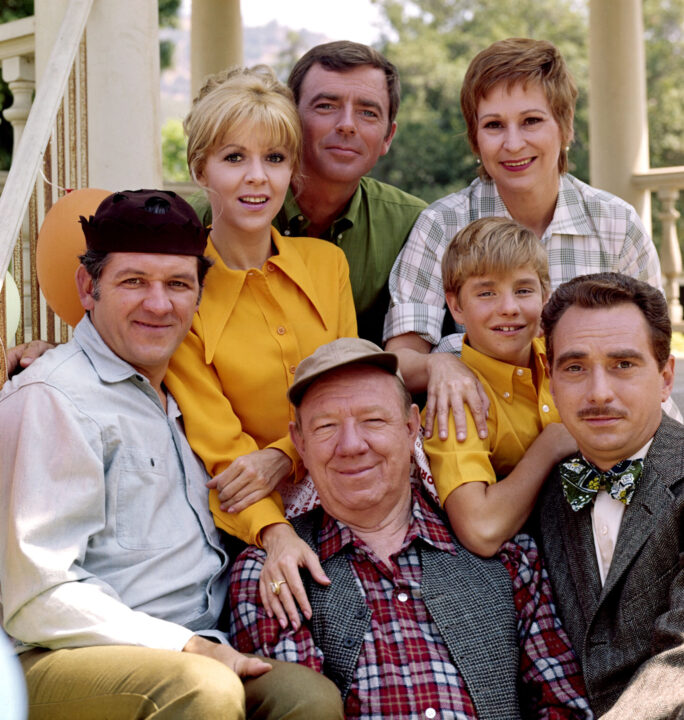
The Legacy of R.F.D.: A Historical Innovation and Enduring Brand
The concept of R.F.D. was far more than just a convenience; it was a societal game-changer. Its introduction addressed a critical need for connectivity in a predominantly agrarian nation, laying groundwork that still resonates in how we think about access and infrastructure today. The show Mayberry R.F.D., in turn, built upon this foundation of connection, crafting a brand identity rooted in authenticity and community spirit that continues to captivate audiences.
Unpacking “Rural Free Delivery”
Before Rural Free Delivery, the lives of Americans living outside of towns and cities were vastly different. Farmers and their families often had to travel several miles, sometimes by horse and buggy, to the nearest post office to send or receive mail. This wasn’t just an inconvenience; it was a barrier to communication, commerce, and information. The lack of reliable mail service hindered the growth of rural economies, isolated communities, and limited access to news, agricultural updates, and educational materials.
The idea of R.F.D. was initially met with resistance, largely due to concerns about cost and feasibility. However, advocates argued passionately for its benefits, highlighting how it would democratize access to information and foster a more integrated national identity. Pilot programs began in 1896, and by the early 20th century, R.F.D. had become a permanent and rapidly expanding service. Mail carriers became familiar figures, traversing often challenging routes, delivering not just letters, but also newspapers, magazines, and parcels directly to rural homes. This service dramatically reduced isolation, empowered farmers with timely market information, facilitated mail-order commerce, and even helped curb illiteracy by making reading materials more accessible. R.F.D. was, in essence, a foundational piece of infrastructure that paved the way for future advancements in rural connectivity, from telephone lines to broadband internet.
The “Mayberry” Brand: Nostalgia, Authenticity, and Cultural Resonance
The enduring popularity of The Andy Griffith Show and its sequel, Mayberry R.F.D., is a testament to the power of a well-defined and authentic brand. “Mayberry” isn’t just a fictional town; it’s a cultural symbol. It represents a simpler, kinder, more community-focused way of life, where neighbor helps neighbor, moral dilemmas are resolved with gentle wisdom, and the pace of life allows for genuine human connection. The show’s brand identity is built on several key pillars:
- Nostalgia: For many, Mayberry offers an escape to an idealized past, a time free from the complexities and anxieties of modern life. It taps into a universal longing for innocence and security.
- Authenticity: Despite its idealized portrayal, the characters and their struggles felt real and relatable. The humor was gentle, the lessons learned were genuine, and the relationships were portrayed with warmth and sincerity. This authenticity forged a deep connection with viewers.
- Community: The show celebrated the strength and support found in a close-knit community. From Andy Taylor’s calm leadership to Barney Fife’s well-intentioned blunders and Aunt Bee’s nurturing presence, every character contributed to the rich tapestry of Mayberry life, demonstrating the value of mutual respect and collective well-being.
- Timeless Values: Themes of honesty, integrity, friendship, and responsibility are central to the Mayberry narrative. These values transcend generations, giving the brand a timeless appeal that continues to resonate with audiences today.
The transition from The Andy Griffith Show to Mayberry R.F.D. aimed to continue this beloved brand, albeit with a shifting focus. While Andy Griffith’s character moved into the background, the core values and the idyllic setting remained, demonstrating the resilience of the Mayberry brand even with changes in its central figures.
Branding Lessons from a Bygone Era
In today’s hyper-competitive market, where brands constantly vie for attention across digital platforms, the success of the Mayberry brand offers invaluable lessons.
- The Power of Narrative: Mayberry excelled at storytelling. Each episode offered a complete narrative arc, often with a moral lesson. Modern brands can learn to craft compelling stories that connect emotionally with their audience, going beyond mere product features to convey purpose and values.
- Consistency is Key: For decades, the Mayberry brand has consistently delivered on its promise of wholesome entertainment and nostalgic comfort. Brands that maintain a consistent message, visual identity, and core values across all touchpoints build trust and lasting recognition.
- Authenticity Over Artifice: In an age of sophisticated marketing tactics, consumers are increasingly drawn to brands that feel genuine. Mayberry’s authenticity was its superpower. Brands that are transparent, honest, and truly embody their stated values will forge deeper connections.
- Community Building: Mayberry showcased the strength of community. Modern brands can cultivate their own communities, fostering engagement through social media, online forums, and shared experiences. This not only builds loyalty but also transforms customers into advocates.
- Emotional Connection: Ultimately, the Mayberry brand succeeded because it made people feel good. Brands that understand and tap into their audience’s emotions – whether it’s joy, security, aspiration, or nostalgia – create powerful and memorable experiences.
By understanding the historical impact of R.F.D. and analyzing the enduring brand of Mayberry, we gain perspective on how foundational services and consistent values continue to shape our world, even as technology rapidly evolves.
From Rural Routes to Digital Highways: Technology’s Evolving Role in Connection
The original R.F.D. was a monumental leap in connecting rural America. It utilized the best available technology and infrastructure of its time—horses, wagons, and a growing network of roads—to bridge geographical divides. Today, the fundamental challenge of connection persists, but the tools and scale of “delivery” have undergone a profound digital transformation, impacting everything from communication to commerce.
R.F.D. 1.0: A Precursor to Modern Logistics
The implementation of Rural Free Delivery was a logistical marvel for its era. It required meticulous route planning, the development of reliable rural roads, and a dedicated workforce. Mail carriers had to navigate diverse terrains, often in challenging weather conditions, ensuring timely and consistent service. This system laid the groundwork for many of the logistical principles we take for granted today.
R.F.D. demonstrated the critical importance of a last-mile delivery network, where the final leg of a journey ensures goods reach their ultimate destination. It highlighted the challenges of serving sparsely populated areas efficiently and cost-effectively. The Post Office Department collected vast amounts of data on routes, delivery times, and costs, constantly refining its operations—an early form of data-driven optimization. This historical context reveals that the drive for efficient, widespread delivery is not new; it simply manifests with different technologies in different eras. The spirit of R.F.D. – connecting people and fostering commerce through reliable delivery – is a direct ancestor of modern e-commerce and logistics networks.
The Digital Transformation of “Delivery”
The 21st century has seen an unprecedented acceleration in the digital transformation of virtually every aspect of life, including “delivery.” While physical goods still need to be transported, the concept of delivery now extends exponentially to information, services, and experiences.

- E-commerce and Smart Logistics: Where R.F.D. delivered newspapers and mail-order catalogs, today’s logistics networks deliver everything from groceries to high-tech gadgets directly to our doors, often within hours. AI-powered route optimization, drone delivery trials, and robotic warehouses are pushing the boundaries of efficiency. Companies like Amazon and countless smaller e-commerce businesses are the direct beneficiaries of R.F.D.’s pioneering spirit in “last-mile delivery,” scaled up by unimaginable technological advancements.
- Bridging the Digital Divide (Digital R.F.D.): The modern equivalent of R.F.D. is the ongoing effort to bring high-speed internet and digital services to all corners of the globe, including underserved rural areas. Just as physical mail brought information to isolated farms, broadband connectivity delivers educational resources, remote work opportunities, telehealth services, and global communication. Governments and private companies are investing in initiatives to ensure “digital free delivery”—reliable and affordable internet access for everyone—recognizing it as a fundamental utility in the information age. Technologies like satellite internet (e.g., Starlink) are literally creating new “digital routes” where traditional infrastructure is too costly or difficult to deploy.
- AI Tools and Apps for Productivity & Connectivity: Beyond infrastructure, technology has revolutionized how we connect and operate. AI tools optimize everything from marketing campaigns to agricultural yields, while apps facilitate instant communication, collaboration, and learning. Remote work, once a niche concept, became mainstream through video conferencing apps and cloud-based software, effectively allowing people to “deliver” their work from anywhere, akin to R.F.D. allowing mail to be delivered anywhere.
- Digital Security and Privacy: With the explosion of digital delivery comes new challenges. Just as physical mail required security against theft, digital information requires robust cybersecurity measures to protect personal data and privacy. Digital security tools, secure communication platforms, and regulatory frameworks are the modern equivalents of locked mailboxes and postal regulations.
Tech for Preserving & Experiencing Nostalgia
Ironically, the same technology that propels us into the future also allows us to revisit and preserve the past. For fans of Mayberry R.F.D. and its ilk, technology has become an indispensable tool for experiencing nostalgia.
- Streaming Services: Platforms like Netflix, Hulu, and Paramount+ offer vast libraries of classic television, making shows like Mayberry R.F.D. readily accessible to new generations and long-time fans alike. This ensures cultural touchstones remain alive and relevant.
- Digital Archives and Restoration: Advanced digital tools are used to restore and preserve old films and television episodes, improving picture and sound quality. AI-enhanced upscaling can breathe new life into classic content, making it enjoyable on modern high-definition screens.
- Fan Communities and Social Media: Online forums, fan websites, and social media groups dedicated to Mayberry allow enthusiasts to connect, share insights, discuss theories, and celebrate their shared love for the show. These digital spaces foster a sense of community that echoes the very values portrayed in Mayberry.
- Gadgets and Apps for Engagement: From smart TVs that seamlessly integrate streaming to apps that offer trivia games or behind-the-scenes content, technology enhances the nostalgic experience, making it interactive and immersive.
Thus, while the horse-drawn carriage of R.F.D. has been replaced by fiber optics and AI, the core mission of connecting people, delivering information, and enriching lives remains the same, driven now by an ever-accelerating pace of technological innovation.
The Economics of Mayberry and Modern Money-Making in Rural Settings
The world of Mayberry R.F.D. presented an idealized, somewhat insulated economic environment. It was characterized by local commerce, strong community ties, and a perceived simplicity that stands in stark contrast to today’s globalized, digitally driven financial landscape. Yet, by examining Mayberry’s implicit economics and contrasting it with contemporary rural money-making strategies, we can glean insights into enduring principles of wealth generation, community support, and financial resilience.
Mayberry’s Economic Landscape: Simplicity and Self-Reliance
The Mayberry economy was largely local and self-contained. Main Street bustled with small businesses: Floyd’s Barber Shop, Walker’s Drug Store, and a variety of general stores. Barter and informal exchanges likely played a role, alongside cash transactions. The town’s residents exemplified a degree of self-reliance, often skilled in various trades, and the community supported its own, from local farmers providing produce to skilled craftsmen offering services.
Key characteristics of this “Mayberry economy” included:
- Local Commerce: Money circulated primarily within the town. This fostered strong relationships between business owners and customers, building trust and loyalty.
- Community Support: In Mayberry, if a neighbor was in need, the community often rallied to help, whether through direct assistance or by patronizing their struggling business. This social safety net was a crucial, albeit informal, economic stabilizer.
- Lower Cost of Living (Implied): While not explicitly stated, the simple lifestyle and absence of large-scale consumerism implied a lower cost of living compared to bustling urban centers. Financial security often came from steady work, prudent saving, and living within one’s means.
- Limited External Influence: The Mayberry economy was relatively insulated from the broader national and international markets. This provided stability but also limited opportunities for rapid growth or diversification.
This model, while charming, highlights the foundational economic principles of local production, community consumption, and mutual support—lessons that still hold relevance even in our complex financial world.
Modern Rural Entrepreneurship: Leveraging Tech for Online Income
The isolation that once characterized rural economies, even with R.F.D. connecting them, has been significantly eroded by the internet. Today, technology empowers individuals in rural areas to participate actively in the global economy, creating diverse avenues for online income and side hustles that were unimaginable in Mayberry’s time.
- E-commerce and Artisan Markets: Just as mail-order catalogs benefited from R.F.D., modern rural entrepreneurs can leverage platforms like Etsy, Shopify, or even their own websites to sell handmade goods, local produce, or specialty products to a global audience. This transforms local craftsmanship into viable online businesses, bridging geographical gaps.
- Remote Work and Digital Nomads: The rise of high-speed internet and collaborative software has made remote work a reality for millions. Individuals living in rural areas can secure well-paying jobs in tech, marketing, customer service, and other fields, working for companies located anywhere in the world. This brings urban wages and diverse career opportunities to rural settings, reducing the need for migration to big cities.
- Content Creation and Influencer Economy: Rural life itself can be a valuable asset for online income. Bloggers, YouTubers, and social media influencers can create content about farming, sustainable living, outdoor adventures, or simply the charm of rural existence, monetizing their platforms through advertising, sponsorships, and merchandise.
- Online Services and Freelancing: Many skills are now “deliverable” digitally. Rural residents can offer freelance services in graphic design, writing, web development, virtual assistance, and online tutoring, connecting with clients globally through platforms like Upwork or Fiverr.
- Smart Farming and Agri-tech: Technology isn’t just about digital services; it’s also transforming traditional rural industries. Precision agriculture, using drones, IoT sensors, and AI to optimize crop yields and livestock management, offers new revenue streams and efficiencies for farmers.
These examples demonstrate how technology acts as a modern-day “digital R.F.D.,” delivering economic opportunities directly to rural doorsteps, enabling individuals to build wealth and diversify their income streams without leaving their communities.
Financial Wisdom from Simpler Times
While Mayberry’s economy seems idyllic, the financial principles underpinning it are timeless and highly relevant to personal finance today.
- Budgeting and Living Within Means: Mayberry residents, generally, weren’t depicted as extravagant. They lived within their means, prioritized necessities, and saved. Modern financial tools like budgeting apps (e.g., Mint, YNAB) and online banking can help individuals achieve this same disciplined approach, tracking expenses and setting financial goals.
- Community Investing: While not formal “investing” in the Wall Street sense, Mayberry’s economic health depended on residents supporting local businesses. Today, this translates to ethical investing, supporting local ventures, or investing in community development funds. For personal investing, the same principles of patience and long-term vision apply, whether investing in stocks, real estate, or one’s own business.
- Valuing Experiences Over Possessions: The joy in Mayberry came from simple pleasures, strong relationships, and community events, not from excessive consumption. This aligns with modern financial philosophies that advocate for mindful spending, prioritizing experiences, and investing in assets that genuinely enhance quality of life, rather than accumulating depreciating liabilities.
- Financial Tools for Rural Empowerment: Just as R.F.D. brought the mail, modern financial tools bring access. Online banking, robo-advisors for investing, and digital payment platforms democratize financial services, enabling rural residents to manage their money effectively, save for retirement, and invest in their future, often with lower fees and greater convenience than traditional options.
By bridging the gap between Mayberry’s folksy charm and today’s sophisticated financial tools, we recognize that the core tenets of financial well-being—prudence, community support, and a clear understanding of value—remain constant, regardless of the era.

The Enduring Appeal: Connecting Past Values with Future Innovations
The phrase “What Does R.F.D. Stand For in Mayberry R.F.D.?” opens a fascinating portal through time, allowing us to connect the foundational postal innovation of Rural Free Delivery and the nostalgic embrace of the Mayberry television universe with the dynamic forces of modern technology, branding, and personal finance. From a simple logistical service that bridged physical distances, we see parallels in how technology now bridges digital divides, offering unprecedented access and opportunities. The enduring brand of Mayberry, built on authenticity, community, and timeless values, provides a potent reminder for contemporary businesses striving to create meaningful connections with their audiences. And the economic principles, both explicit and implicit, within Mayberry offer valuable lessons for navigating personal finance and leveraging digital tools for wealth creation in today’s globalized economy, especially for those in traditionally underserved rural areas.
Ultimately, R.F.D. represents more than just mail delivery; it embodies the human desire for connection, information, and a thriving community. Whether delivered by horse-drawn carriage or high-speed internet, the essence of progress lies in empowering individuals and fostering collective well-being. By understanding our past, particularly its ingenious solutions and its enduring cultural touchstones, we are better equipped to shape a future where technology, strategic branding, and sound financial practices converge to create a world that, in its own modern way, might still capture some of Mayberry’s beloved simplicity and sense of belonging.
aViewFromTheCave is a participant in the Amazon Services LLC Associates Program, an affiliate advertising program designed to provide a means for sites to earn advertising fees by advertising and linking to Amazon.com. Amazon, the Amazon logo, AmazonSupply, and the AmazonSupply logo are trademarks of Amazon.com, Inc. or its affiliates. As an Amazon Associate we earn affiliate commissions from qualifying purchases.