
In an age defined by rapid technological advancements, the meticulous crafting of brand narratives, and the ceaseless pursuit of financial acumen, it might seem counterintuitive to delve into the ancient spiritual traditions of Hinduism and Buddhism. Yet, these venerable systems, originating from the same fertile intellectual soil of ancient India, offer far more than mere historical curiosity. They present profound frameworks, akin to sophisticated operating systems, that can illuminate our approach to personal growth, ethical conduct, and the very definition of success – concepts intrinsically linked to our modern obsessions with tech, branding, and money.
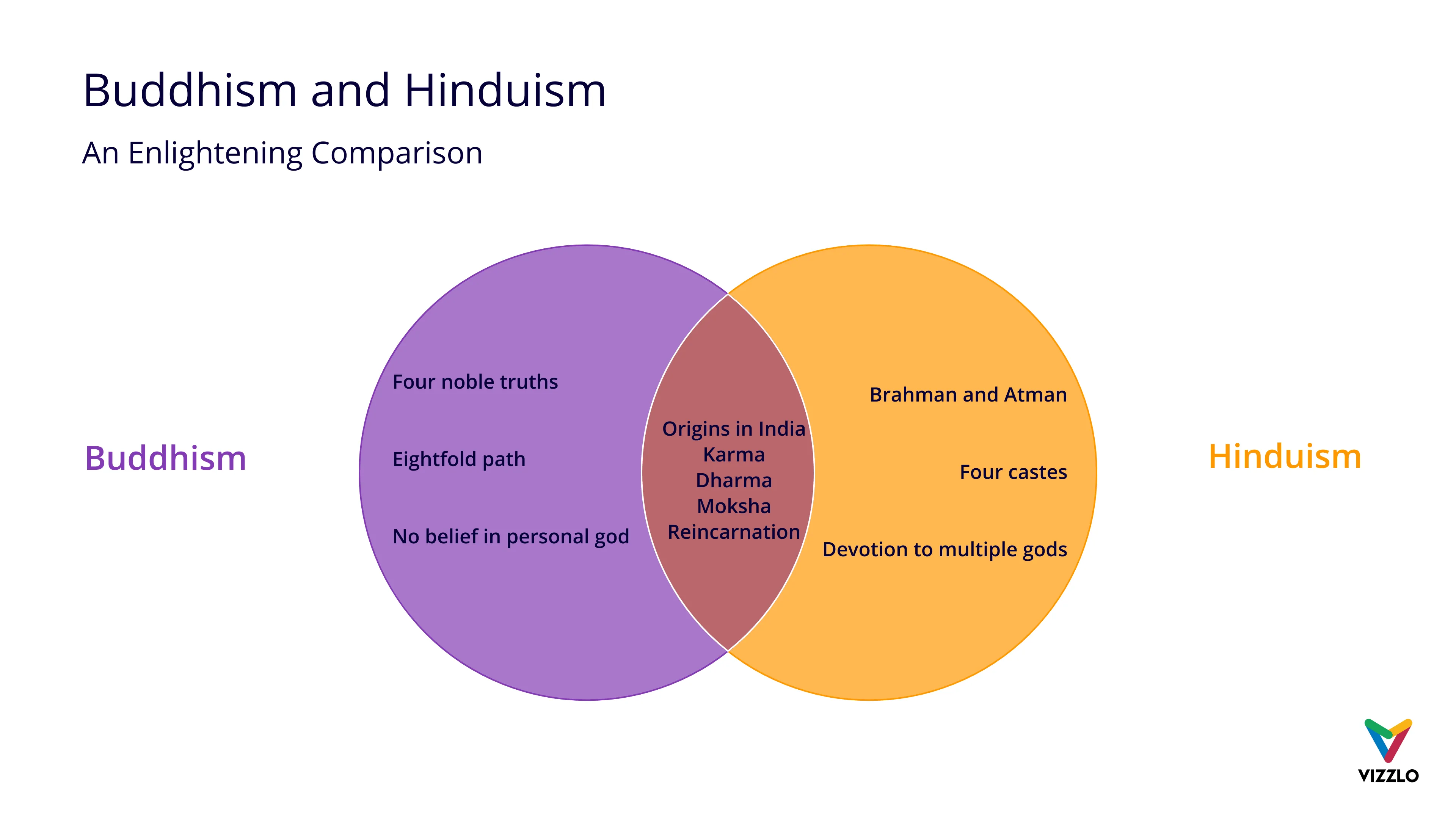
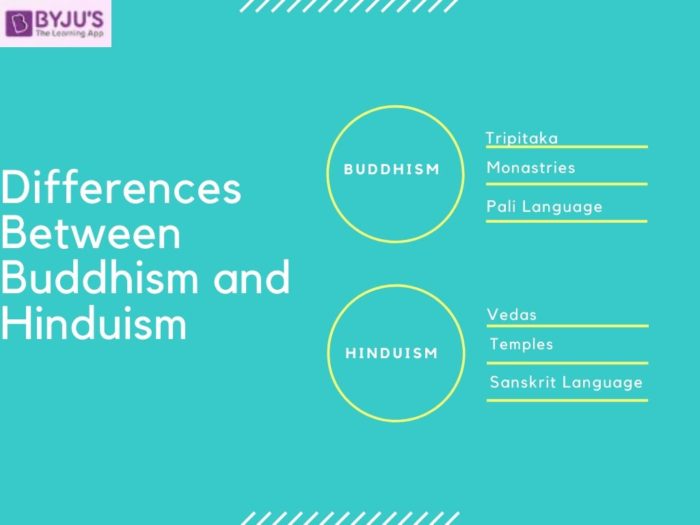
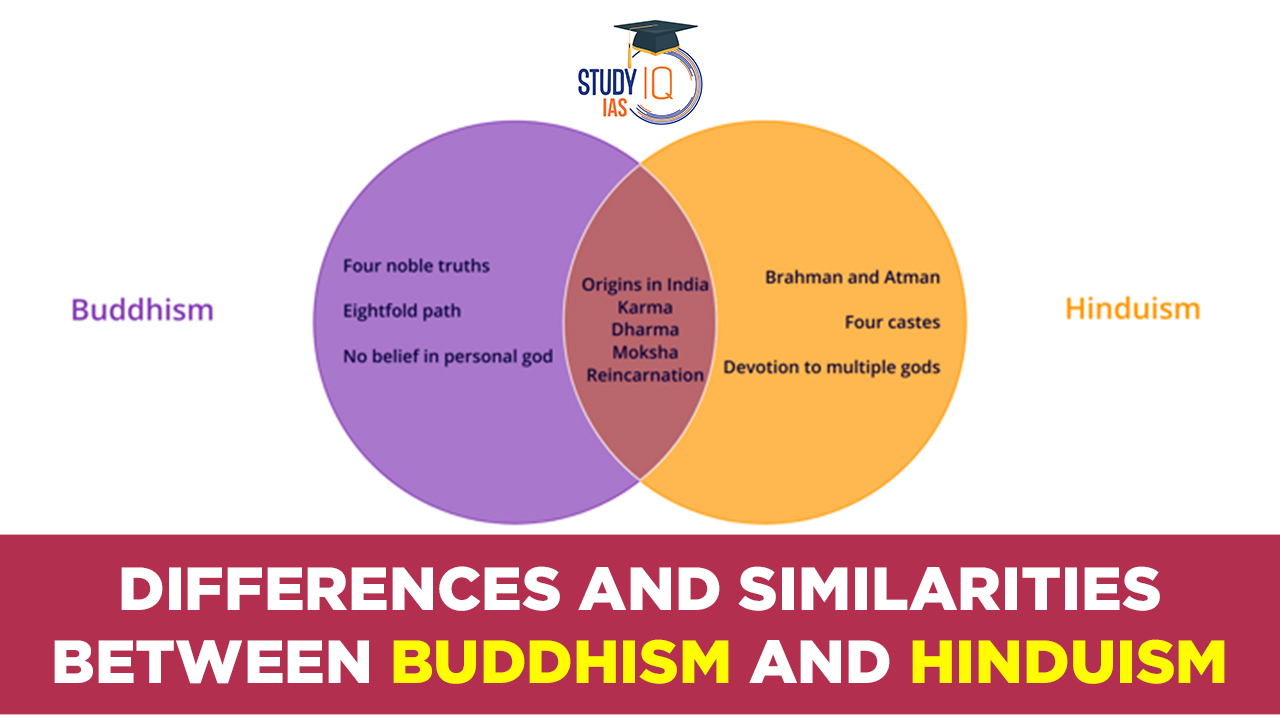
While distinct in their development and practices, Hinduism and Buddhism share a foundational bedrock of philosophical principles, ethical precepts, and a common understanding of the human condition. They offer not just spiritual pathways but what we might today call “life algorithms” – systematic approaches to navigating existence, understanding causality, and optimizing for a state of well-being that transcends material gain. By exploring their commonalities, we uncover timeless wisdom that, surprisingly, can inform how we build resilient brands, develop ethical technology, and cultivate sustainable financial prosperity.
Shared Philosophical Foundations: The Cosmic Algorithms of Existence
Both Hinduism and Buddhism emerge from a worldview that understands reality as cyclical, interconnected, and governed by universal laws. They describe a cosmos where actions have consequences, and where the individual’s journey is part of a larger, ongoing process of evolution and discovery. These shared ideas form the “core protocols” that define existence and guide the path to liberation.
Karma and Reincarnation: The Ultimate Feedback Loop
Perhaps the most universally recognized commonality is the belief in Karma and Reincarnation (Samsara). In both traditions, Karma is not merely fate but the universal law of cause and effect: every action, thought, and word (kriya) generates a corresponding reaction. It’s an intricate, self-regulating feedback system, a cosmic algorithm ensuring that inputs lead to predictable outputs, albeit not always immediately visible. This isn’t divine punishment, but an intrinsic property of the universe, much like a meticulously coded software program. Positive, ethical actions generate positive karma, while negative actions generate negative karma.
Reincarnation, or the cycle of rebirth, is the vehicle through which karma plays out across multiple lifetimes. It’s an iterative process, a continuous series of “system reboots” or “software updates” for the soul or consciousness. Each life offers a new opportunity to learn, evolve, and refine one’s actions, working towards a state of ultimate liberation. From a technological perspective, one might view this as continuous integration and deployment (CI/CD) for the self, with each life cycle representing a new build to test and refine the “user experience” of consciousness.
Integration with Modern Concepts:
In the realm of money and business, the principle of Karma has direct implications. It underscores the importance of ethical business practices, transparency, and integrity. Investing in sustainable ventures, treating employees fairly, and offering genuine value to customers are all actions that generate positive “business karma,” leading to long-term trust, reputation, and ultimately, sustainable profit. Conversely, cutting corners, exploiting labor, or engaging in deceptive marketing might yield short-term gains but inevitably sow seeds for future setbacks – a negative feedback loop that can damage a brand’s equity and financial stability. Understanding Karma encourages long-term strategic thinking, where the “return on investment” isn’t just financial, but also reputational and societal.
Dharma: The Blueprint for Right Living and Purpose
Another cornerstone shared by both traditions is the concept of Dharma. While its interpretation varies slightly, in essence, Dharma refers to righteous conduct, cosmic law, moral order, and one’s duty or purpose in life. For Hindus, it often relates to caste duties (though this aspect is complex and debated) or universal ethical principles, while for Buddhists, it more commonly refers to the teachings of the Buddha and the path to enlightenment. Regardless of the specific context, Dharma provides a blueprint for living in harmony with the universe and one’s true nature. It’s the “user manual” for ethical and meaningful existence.
Integration with Modern Concepts:
For branding and personal identity, Dharma offers a profound framework. Understanding one’s Dharma is akin to discovering one’s authentic brand purpose and mission. What is your unique contribution? What values define your actions? Living in alignment with one’s Dharma means operating with integrity and authenticity, which are critical components of a strong and resonant brand – be it a personal brand, a corporate brand, or a product brand. A brand built on a clear, ethical Dharma inspires trust, fosters loyalty, and creates a lasting legacy. It provides a moral compass that guides decision-making, ensuring that actions align with stated values, a critical factor for reputation management in today’s hyper-connected digital landscape.
From a tech perspective, Dharma can be seen as the underlying architecture or design principles for a robust and ethical system. Just as good software design follows certain principles to ensure functionality, scalability, and security, Dharma provides the foundational principles for a well-ordered individual life or society. Adhering to these principles ensures that the “system” (individual or organization) operates smoothly and effectively.
The Pursuit of Liberation: Optimizing for Inner Peace
Both Hinduism and Buddhism diagnose the fundamental problem of human existence as entanglement in a cycle of suffering and rebirth, and both offer pathways to liberation from this cycle. Their ultimate goals, Moksha (Hinduism) and Nirvana (Buddhism), represent a state of profound inner peace, freedom, and enlightenment achieved through self-realization and the cessation of craving or attachment.
Samsara and Dukkha: Diagnosing the Human Condition
Both traditions recognize that ordinary existence within Samsara (the cycle of rebirth) is characterized by Dukkha (suffering, dissatisfaction, unease). For Hindus, Dukkha is often linked to Avidya (ignorance) of one’s true self (Atman), leading to attachment and desire. For Buddhists, Dukkha is the First Noble Truth, stemming from craving (Tanha) and attachment, which are inherently unsatisfying because everything is impermanent. This shared diagnosis highlights a core problem: our inherent human tendency to seek lasting happiness in transient phenomena, leading to perpetual discontent. From a technological perspective, one might describe Dukkha as a persistent “bug” in the human operating system, causing system instability and a suboptimal “user experience.”
Integration with Modern Concepts:
In the context of money and personal finance, understanding Dukkha provides a crucial insight. While wealth can provide comfort and security, both traditions teach that attachment to wealth and the relentless pursuit of more will inevitably lead to suffering. The fleeting nature of material possessions and the insatiable nature of desire mean that true financial freedom isn’t just about accumulation, but about detachment and mindful spending. It encourages a shift from mere financial gain to financial well-being, where resources are used to foster security and purpose, rather than becoming a source of anxiety and insatiable craving. This perspective champions sustainable finance over reckless pursuit of profit.
Ahimsa: The Core Protocol of Non-Violence
The principle of Ahimsa, or non-harm/non-violence towards all living beings, is a paramount ethical value in both Hinduism and Buddhism. While more emphasized in Jainism, its influence is profound in both the Hindu yogic traditions and the Buddhist precepts. It extends beyond physical violence to include non-harm in thought, word, and deed, fostering compassion and empathy. Ahimsa serves as a foundational ethical protocol, ensuring that actions are conducted with minimal negative impact on oneself and others.
Integration with Modern Concepts:
For brand strategy and corporate social responsibility (CSR), Ahimsa is incredibly relevant. Companies adopting an Ahimsa-driven approach prioritize ethical sourcing, sustainable production, fair labor practices, and environmentally conscious operations. This builds a strong, trustworthy brand identity that resonates with increasingly conscious consumers. Brands that embody non-harm not only mitigate risks but also enhance their reputation and create deeper connections with stakeholders. It translates into responsible AI development, ensuring technology does not perpetuate biases or cause societal harm. In terms of money and investing, Ahimsa guides ethical investing, steering capital away from industries that cause harm (e.g., weapons, exploitative labor) and towards those that contribute positively to society and the environment. This alignment of values with financial decisions represents a mindful approach to wealth creation.
Inner Engineering: Meditation and Mindfulness as Productivity Tools
Both Hinduism and Buddhism place immense value on internal practices for self-transformation. Meditation and mindfulness are not merely spiritual rituals but sophisticated tools for cognitive restructuring, emotional regulation, and deep self-awareness. They represent ancient forms of “inner technology” designed to optimize the human mind.
The Mind as a High-Performance System: Meditation’s Role
Meditation is central to both traditions. In Hinduism, various forms of Dhyana (meditation) are practiced to calm the mind, concentrate awareness, and ultimately realize the Atman (true self) or connect with the divine. In Buddhism, meditation (Bhavana) is crucial for developing concentration (Samatha) and insight (Vipassana), leading to the eradication of defilements and the realization of emptiness. Both view the untrained mind as chaotic and easily distracted, akin to an inefficient, cluttered computer system. Meditation serves as a powerful “firmware update” or “defragmentation tool” for the brain, enhancing focus, reducing mental noise, and improving overall cognitive performance.
Integration with Modern Concepts:
For tech professionals and entrepreneurs, meditation offers significant advantages. It’s a powerful productivity tool that enhances focus, boosts creativity, improves problem-solving abilities, and drastically reduces stress. In a world saturated with digital distractions, the ability to cultivate sustained attention through meditation is a competitive edge. It allows for clearer decision-making, better management of complex projects, and the mental resilience needed to navigate the demanding landscape of innovation and business. Regular meditation can be seen as a strategic investment in one’s cognitive capital, providing a substantial “return on inner investment” in terms of efficiency and well-being.
Cultivating Mindfulness: A Strategic Approach to Presence
Closely related to meditation is Mindfulness, the practice of being fully present and aware of the current moment, without judgment. While often associated with Buddhism (Sati), its principles are deeply embedded in many Hindu practices, particularly Yoga, which emphasizes heightened awareness of body, breath, and thought. Mindfulness trains the mind to observe its processes, understand impermanence, and respond skillfully rather than react impulsively.
Integration with Modern Concepts:
Mindfulness in branding and leadership translates into authentic presence and conscious communication. Mindful leaders are more empathetic, make well-considered decisions, and inspire greater trust. Mindful marketing focuses on genuinely connecting with customer needs and values rather than manipulative tactics. In personal finance, mindfulness fosters conscious spending and investing. It helps individuals avoid impulsive purchases driven by emotion or external pressures, allowing for more strategic financial planning. By being mindful of one’s financial habits and goals, one can cultivate a sense of security and reduce financial stress, thereby optimizing their “money operating system.”
Ancient Wisdom in Modern Application: Building a Resilient Self and Sustainable Success
The enduring commonalities between Hinduism and Buddhism are not confined to historical texts; their principles offer practical, actionable insights for navigating the complexities of modern life. They provide a blueprint for a balanced existence where technological prowess, brand integrity, and financial intelligence are harmonized with inner peace and purpose.
Spiritual Principles as “Brand Assets” for Personal and Professional Life
Integrity, compassion, purpose, and ethical conduct – values deeply ingrained in both traditions – are invaluable brand assets in today’s transparent world. A personal brand built on these timeless principles fosters trust, credibility, and a positive reputation. Similarly, corporate brands that genuinely embody these values, rather than merely paying lip service, cultivate lasting customer loyalty and attract top talent. When a company’s “Dharma” (its purpose and ethical framework) aligns with its “Karma” (its actions and impact), it creates a powerful and resilient brand identity that withstands market fluctuations and ethical scrutiny. This isn’t just about good PR; it’s about establishing an authentic foundation that resonates on a deeper human level, making the brand both impactful and enduring.
Mindful Wealth and the “Return on Inner Investment”
The pursuit of wealth, unmoored from ethical considerations or inner well-being, is a path fraught with Dukkha. Both Hinduism and Buddhism encourage a perspective on money that transcends mere accumulation. They advocate for detachment (non-attachment to outcomes), generosity (Dāna), and using resources for the greater good. This translates into mindful wealth management, where investments align with one’s values (ethical investing), financial decisions are made with long-term sustainability in mind, and prosperity is viewed as a means to contribute positively to the world. The “Return on Investment” here isn’t solely financial; it encompasses the “Return on Inner Investment” – the peace of mind, sense of purpose, and positive impact generated by conscious financial choices. It’s about building a financial system that supports a flourishing life, not one that dictates it.
Designing a Purpose-Driven Life: An Algorithmic Approach to Well-being
Ultimately, the shared wisdom of Hinduism and Buddhism provides a systematic, almost algorithmic, approach to designing a purpose-driven and fulfilling life. By understanding the principles of Karma (causality), Dharma (purpose and right action), and the reality of Dukkha (suffering from attachment), individuals can develop a personal “life operating system.” Meditation and mindfulness act as “debugging tools” and “optimization processes,” enhancing cognitive function and emotional resilience. This holistic framework empowers individuals to make conscious choices, align their actions with their values, and navigate the complexities of life – including the demands of tech, branding, and money – with greater clarity, integrity, and inner peace. It’s about building an internal architecture that supports not just survival, but true thriving.
In conclusion, while Hinduism and Buddhism carved distinct paths, their common journey reveals profound insights into the nature of reality, the human mind, and the pursuit of ultimate freedom. These ancient systems, far from being relics of the past, offer timeless frameworks – call them spiritual technologies, brand blueprints, or financial wisdom algorithms – that can profoundly enrich our modern lives, guiding us towards a more mindful, ethical, and purposeful existence amidst the ever-evolving landscapes of technology, branding, and money. They remind us that the greatest innovations often stem from understanding the fundamental truths of ourselves and the universe.
aViewFromTheCave is a participant in the Amazon Services LLC Associates Program, an affiliate advertising program designed to provide a means for sites to earn advertising fees by advertising and linking to Amazon.com. Amazon, the Amazon logo, AmazonSupply, and the AmazonSupply logo are trademarks of Amazon.com, Inc. or its affiliates. As an Amazon Associate we earn affiliate commissions from qualifying purchases.