
For millennia, gold has captivated humanity, a lustrous metal symbolizing power, beauty, and enduring value across cultures and civilizations. Its intrinsic worth has made it a bedrock of economic systems, a coveted adornment, and a potent metaphor in literature and philosophy. Within the sacred texts of the Bible, gold transcends its material properties to embody profound spiritual truths, divine attributes, and human frailties. Far from being a mere commodity, gold in Scripture serves as a powerful symbol, a cautionary tale, and a glimpse into the divine.
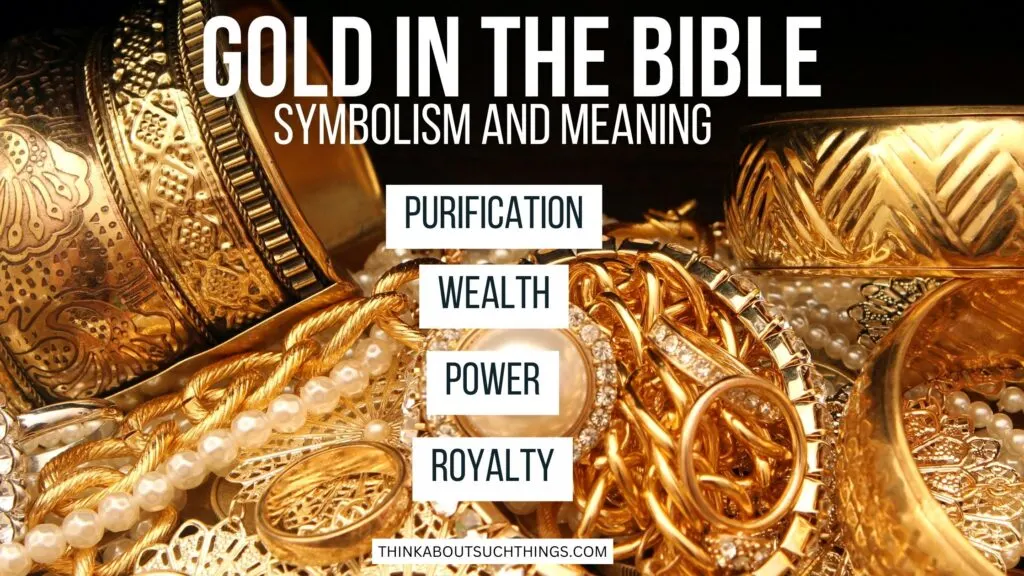
In an era defined by rapid technological advancement, complex branding strategies, and ever-evolving financial landscapes, understanding these ancient meanings might seem an esoteric pursuit. Yet, the timeless wisdom embedded in the biblical perception of gold offers surprisingly relevant insights. It challenges us to reconsider our relationship with material wealth, to build “brands” based on enduring character, and to discern true value amidst the digital dazzle. This article will delve into the multifaceted meaning of gold in the Bible, bridging ancient spiritual truths with the contemporary currents of technology, branding, and money, demonstrating how a metal revered in antiquity continues to illuminate our modern quest for significance and security.
The Literal and Symbolic Significance of Gold in Scripture
Gold’s presence in the Bible is pervasive, appearing in narratives, laws, prophecies, and poetic verses. Its usage spans from literal applications in sacred artifacts and royal accouterments to profound metaphorical representations of divinity, purity, and spiritual excellence.
Gold as a Material Manifestation of Divinity and Royalty
From the earliest books of the Old Testament, gold is intrinsically linked to the divine presence and the sanctity of worship. The detailed blueprints for the Tabernacle, God’s mobile dwelling place among the Israelites, are replete with instructions for using gold. The Ark of the Covenant, the mercy seat, the menorah, the altars, and the priests’ garments were either made of pure gold or overlaid with it (Exodus 25-30). This extensive use of gold wasn’t for ostentation; it was a deliberate choice to signify the holiness, glory, and perfection of God. Gold, being incorruptible and lustrous, perfectly mirrored the unchanging and radiant nature of the Almighty. Its purity represented God’s absolute moral perfection, while its value underscored the immeasurable worth of His presence and His covenant with His people. The Tabernacle, and later Solomon’s magnificent Temple, became an earthly manifestation of divine majesty, meticulously crafted with gold to reflect the glory of the Creator.
Beyond divine worship, gold was also the quintessential symbol of earthly royalty and power. Kings were adorned with golden crowns and scepters, and their palaces were often decorated with gold to reflect their wealth, authority, and prestige. King Solomon, renowned for his wisdom and immense wealth, famously accumulated vast quantities of gold, transforming his throne and temple into unparalleled spectacles of golden splendor (1 Kings 10:14-27). This association solidified gold’s meaning as a sign of kingship, sovereignty, and the highest honor. Even in the New Testament, the Magi brought gifts of gold, frankincense, and myrrh to the infant Jesus, acknowledging His royal status as the “King of the Jews,” a gift fitting for a monarch. These literal uses establish a foundational understanding: gold is inherently linked to that which is sacred, sovereign, and supremely valuable.
Gold as a Metaphor for Purity, Wisdom, and Faith
Beyond its physical presence, gold holds immense symbolic weight in the Bible, often serving as a powerful metaphor for intangible spiritual qualities. One of its most prevalent symbolic meanings is purity and refinement. The process of refining gold, which involves intense heat to burn away impurities (dross), became a powerful analogy for God’s work in purifying His people. Malachi 3:3 describes God as a “refiner and purifier of silver,” who “will purify the sons of Levi and refine them like gold and silver.” Similarly, Job, in his suffering, declares, “When he has tested me, I will come forth as gold” (Job 23:10). This imagery teaches that trials and tribulations, though painful, are ultimately meant to refine character, remove spiritual dross, and produce a faith that is stronger and purer – a faith “more precious than gold that perishes” (1 Peter 1:7).
Moreover, gold symbolizes wisdom, understanding, and the enduring value of God’s Word. Proverbs repeatedly exalts wisdom, declaring it “more precious than rubies, and nothing you desire can compare with her” (Proverbs 3:15), and stating that “the gain from her is better than gain from silver and her profit better than gold” (Proverbs 3:14). This comparison elevates spiritual and intellectual wealth far above material riches. The Law of the Lord, too, is described as “more precious than gold, than much pure gold” (Psalm 19:10), emphasizing the invaluable nature of divine instruction and truth. This symbolism posits that true, lasting wealth is found not in earthly possessions but in spiritual purity, profound wisdom, and an unwavering faith, qualities that endure far beyond the fleeting glitter of material gold.
Gold’s Dual Nature: Admonitions Against Idolatry and Earthly Accumulation
While gold signifies divine glory and spiritual excellence, the Bible also presents a sobering counter-narrative, highlighting the dangers inherent in the human covetousness for this precious metal. Its allure often leads to misplaced worship and the pursuit of fleeting earthly treasures over eternal ones.
The Golden Calf and the Peril of Misplaced Worship
Perhaps the most infamous biblical episode involving gold is the story of the Golden Calf (Exodus 32). While Moses was on Mount Sinai receiving the Ten Commandments, the Israelites, growing impatient, compelled Aaron to fashion an idol for them to worship. With their golden earrings and ornaments, they created a calf, attributing their deliverance from Egypt to this lifeless image. This act of idolatry was a profound betrayal of their covenant with God, illustrating humanity’s propensity to turn valuable resources into objects of worship, elevating creation above the Creator. The Golden Calf incident serves as a stark warning: while gold itself is neutral, the human heart’s attachment to it can transform it into an instrument of spiritual downfall. It underscores the peril of misplaced worship, where the symbols of wealth and power become gods in themselves, distracting from the true source of all blessing and security. This ancient narrative resonates even today, reminding us how easily we can invest our time, energy, and adoration into material possessions, status, or even technological innovations, making them idols that promise fulfillment but ultimately deliver emptiness.
True Riches vs. Earthly Treasures: A Financial Perspective
The biblical narrative consistently contrasts the ephemeral nature of earthly wealth with the enduring value of spiritual treasures. Jesus famously admonished His followers: “Do not store up for yourselves treasures on earth, where moths and vermin destroy, and where thieves break in and steal. But store up for yourselves treasures in heaven, where moths and vermin do not destroy, and where thieves do not break in and steal. For where your treasure is, there your heart will be also” (Matthew 6:19-21). This teaching isn’t an outright condemnation of wealth or financial planning but rather a reordering of priorities. It challenges the human tendency to find ultimate security and identity in material possessions, including gold.
From a financial perspective, this biblical wisdom offers a profound commentary on the true meaning of investment. While modern financial advice often emphasizes diversification, asset accumulation, and risk management to secure our future, the Bible urges a deeper evaluation of what constitutes lasting security. It encourages stewardship of resources and a generosity that invests in the well-being of others and the advancement of God’s purposes. The accumulation of gold, or any material asset, becomes problematic when it consumes the heart’s devotion, leading to greed, self-reliance, and neglect of spiritual and relational wealth. The Bible encourages us to see gold not as an end in itself, but as a resource to be managed wisely, and its ultimate value pales in comparison to the “unfading inheritance” (1 Peter 1:4) found in a relationship with God.
Gold in the Eschatological Vision: The Heavenly City
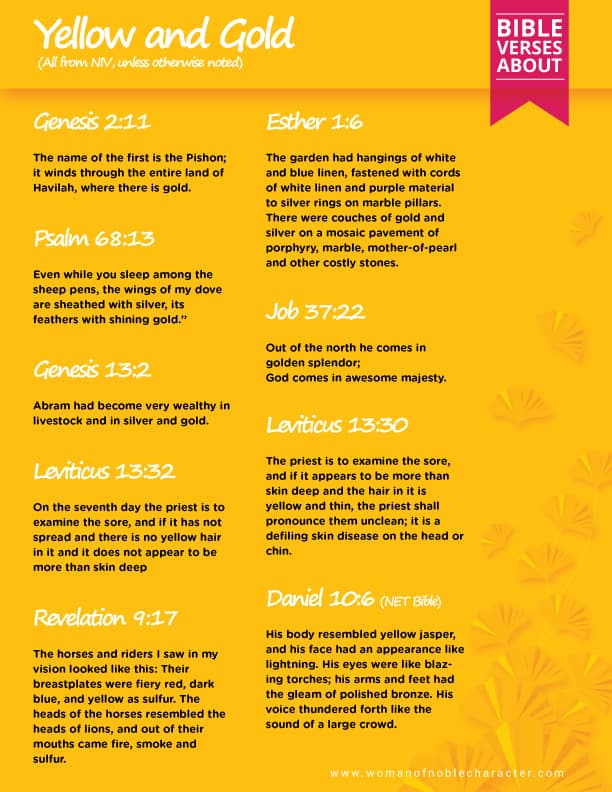
The culmination of gold’s symbolism in the Bible reaches its zenith in the apocalyptic visions of the New Testament, particularly in the Book of Revelation. Here, gold is not merely an earthly treasure or a religious artifact, but a fundamental component of the new heavens and new earth, embodying divine perfection and eternal glory.
The New Jerusalem: Gold as a Symbol of Divine Perfection and Eternal Glory
In Revelation 21, the Apostle John describes his vision of the New Jerusalem descending from heaven, a city of unimaginable beauty and splendor. The city’s street is “of pure gold, like transparent glass” (Revelation 21:21), and the city itself, along with its great wall, is “pure gold, like clear glass” (Revelation 21:18). This imagery is striking. While earthly gold is opaque, beautiful but subject to tarnish and theft, the gold of the New Jerusalem is pure to the point of transparency, reflecting perfect light and utterly devoid of impurity. This isn’t gold as we know it; it’s a celestial gold that surpasses all earthly measure and expectation.
This depiction elevates gold from a material asset to a symbol of ultimate divine perfection, glory, and holiness. The transparent gold signifies that in God’s eternal kingdom, there will be no hiddenness, no corruption, no darkness—only absolute purity, truth, and radiant light. It represents the perfect state of being in God’s presence, where everything is aligned with divine will and beauty. The New Jerusalem, with its streets of transparent gold, paints a picture of a kingdom where true value is intrinsic, where glory is eternal, and where the “brand” of God’s perfect reign is manifest in every detail. It serves as a powerful reminder that while we navigate the complexities and impermanence of earthly life, a future of unblemished, eternal glory awaits, epitomized by a gold that transcends all earthly imperfections.
Bridging Ancient Symbolism with Modern Realities: Tech, Brand, and Money
The rich tapestry of gold’s meaning in the Bible provides a profound foundation for understanding enduring values. While the contexts of technology, brand, and money have dramatically evolved, the underlying principles of purity, worth, stewardship, and the dangers of misplaced devotion remain acutely relevant.
The Gold Standard of Character: Personal Branding in a Digital Age
In the contemporary landscape, “personal branding” is a pervasive concept, referring to the deliberate effort to create and influence public perception of an individual. Much like gold, a personal brand can be refined, tarnished, or held in high esteem. The biblical understanding of gold as a metaphor for purity and refinement offers a powerful “gold standard” for personal branding in our digital age. True brand equity, whether for an individual or a corporation, ultimately hinges on integrity, authenticity, and transparency – qualities that are tested and refined over time, much like gold in the furnace.
Our online presence, our digital footprint, and our interactions across various platforms collectively form our “digital gold.” This can be meticulously curated for superficial appeal, or it can be a genuine reflection of character built through consistency and ethical conduct. The Bible’s emphasis on enduring wisdom and faith “more precious than gold” encourages us to prioritize developing a character brand that is resilient, trustworthy, and authentically valuable, rather than simply pursuing fleeting online popularity or superficial influence. Just as gold’s value stems from its inherent properties, a strong personal brand derives its strength from intrinsic qualities like honesty, reliability, and genuine contribution. In a world saturated with digital noise, an authentic, refined character becomes an invaluable and unfading asset.
From Physical Gold to Digital Assets: Modern Financial Paradigms
Historically, gold has been the ultimate physical store of value, a tangible hedge against inflation and economic instability. Its role as a financial bedrock is echoed in the Bible’s discussions of wealth. Today, however, the financial landscape includes digital assets, cryptocurrencies, and blockchain technology, which are often touted as a new form of “digital gold.” Cryptocurrencies like Bitcoin are celebrated for their scarcity, immutability, and decentralization – characteristics that resonate with gold’s traditional appeal. The concept of “tokenized gold” or gold-backed stablecoins represents a direct technological link, leveraging blockchain for transparent, secure, and fractional ownership of physical gold.
The ancient wisdom about gold’s dual nature – its value and its potential for idolatry – remains relevant. While technology provides new avenues for preserving wealth and enhancing financial security, the biblical warnings against absolute reliance on earthly treasures hold true. The pursuit of digital assets, much like physical gold, can become an all-consuming endeavor if it leads to neglecting spiritual and relational wealth. The Bible encourages a perspective of stewardship over ownership, reminding us that true security is not found in the accumulation of any asset, physical or digital, but in aligning our financial endeavors with principles of generosity, justice, and faith. This timeless guidance invites us to critically evaluate the ethical implications and long-term societal impact of new financial technologies, ensuring they serve humanity rather than enslaving it.
Refining Our Digital Age: Purity and Purpose in Technology
The biblical metaphor of gold being refined by fire to remove impurities offers a powerful lens through which to examine our relationship with technology. Just as gold is purified, so too must our digital tools, platforms, and AI systems be subjected to a “refining fire” of ethical scrutiny and purposeful design. The “dross” in the digital age can be misinformation, algorithmic bias, privacy intrusions, or technology designed for addiction rather than empowerment.
The quest for wisdom, described as more precious than gold in Proverbs, is paramount in an era defined by artificial intelligence and vast data streams. How do we ensure that our AI tools are developed with integrity and transparency? How do we refine our algorithms to eliminate bias and promote equitable outcomes? How do we use technology to cultivate truth and understanding, rather than amplify division and falsehoods? The biblical emphasis on purity and divine purpose for gold challenges us to seek a similar standard for our technological creations. It calls for intentional design, ethical oversight, and a commitment to leveraging technology for human flourishing, reflecting a purity of intent that benefits all, echoing the unblemished gold of the New Jerusalem.

Conclusion
The meaning of gold in the Bible is a multifaceted tapestry, woven with threads of divine glory, human aspiration, and cautionary tales. From its literal use in the Tabernacle symbolizing God’s purity and sovereignty, to its metaphorical representation of refined character, enduring wisdom, and precious faith, gold holds a profound spiritual significance. Yet, the biblical narrative also provides a stark reminder of gold’s potential to become an idol, distracting humanity from true spiritual wealth and ultimately leading to misplaced devotion.
In our rapidly evolving world of technology, brand strategy, and complex financial markets, these ancient insights offer timeless wisdom. The biblical “gold standard” for character encourages us to cultivate personal and corporate brands built on integrity and authenticity. The lessons about true riches challenge us to critically evaluate our pursuit of financial security, whether through traditional investments or new digital assets, always prioritizing stewardship and purpose. And the metaphor of refining gold serves as a powerful call to purify our technological endeavors, ensuring they are developed with ethical intent and used for the betterment of humanity. Ultimately, the Bible teaches that while gold may glitter, true, unfading value is found not in material possessions, but in spiritual purity, enduring wisdom, and a profound connection to the divine, an eternal treasure far more precious than any earthly gold.
aViewFromTheCave is a participant in the Amazon Services LLC Associates Program, an affiliate advertising program designed to provide a means for sites to earn advertising fees by advertising and linking to Amazon.com. Amazon, the Amazon logo, AmazonSupply, and the AmazonSupply logo are trademarks of Amazon.com, Inc. or its affiliates. As an Amazon Associate we earn affiliate commissions from qualifying purchases.