
For many, the air conditioner is synonymous with one thing: cooling. As the mercury rises, we instinctively reach for that remote, toggle it to the snowflake icon, and brace for the refreshing chill. Yet, hidden among the familiar “Cool” and “Fan” settings on almost every modern air conditioning unit lies another, often overlooked, function: “Dry.” Far from being a mere placeholder, the dry mode is a sophisticated feature designed to tackle a fundamental aspect of indoor comfort and air quality that goes beyond just temperature: humidity.
In a world increasingly focused on smart homes, energy efficiency, and holistic well-being, understanding the nuances of our gadgets is more critical than ever. The “dry” mode in an aircon unit isn’t just about making the air feel less sticky; it’s a testament to clever engineering, offering significant benefits for your comfort, your wallet, and even the longevity of your property. This article will delve into the technological underpinnings of dry mode, explore its tangible advantages, analyze its financial implications, and touch upon how brands are leveraging this feature to differentiate their offerings in a competitive market.

Unpacking the “Dry” Function: A Technological Deep Dive
At its core, an air conditioner is a heat exchanger, designed to move heat from one place to another. While “Cool” mode primarily focuses on lowering the ambient temperature, “Dry” mode shifts its priority.
Beyond Cooling: The Science of Dehumidification
Humidity refers to the amount of water vapor present in the air. High humidity makes us feel hotter than the actual temperature because it hinders the evaporation of sweat from our skin, which is our body’s natural cooling mechanism. This is why a 30°C day can feel stifling in a humid climate but perfectly comfortable in a dry one. Excessive indoor humidity can also lead to a host of problems, from mold growth and musty odors to damage to electronics and wooden furniture.
The “dry” mode in an air conditioner is essentially a specialized dehumidification function. While all air conditioners dehumidify to some extent when they cool (as cold air holds less moisture, causing condensation), dry mode optimizes this process without significantly dropping the room’s temperature. It’s a targeted approach to moisture removal, making the air feel lighter and more comfortable without the energy expenditure of aggressive cooling.
How Dry Mode Works: Sensors, Coils, and Algorithms
When you select dry mode, your air conditioner employs a slightly different operational strategy compared to its cooling counterpart.
- Temperature and Humidity Sensors: Modern AC units are equipped with sophisticated sensors that constantly monitor both the ambient temperature and, crucially for dry mode, the relative humidity in the room.
- Compressor and Fan Adjustment: Unlike cool mode, where the compressor runs continuously to lower the temperature, in dry mode, the compressor cycles on and off more frequently and for shorter durations. The fan also typically operates at a lower speed.
- Enhanced Condensation: The evaporator coil inside the indoor unit gets cold, causing moisture in the air passing over it to condense into liquid water. Because the fan speed is lower, the air spends more time in contact with the cold coil, allowing for more efficient moisture extraction.
- Recirculation and Drainage: The dehumidified air is then recirculated back into the room. The collected water (condensate) is drained out of the unit, usually through a pipe to the exterior.
- Maintaining Temperature: The clever aspect of dry mode is its ability to extract moisture while keeping the temperature relatively stable. The reduced compressor run time and lower fan speed prevent the room from becoming too cold, making it ideal for mild but humid days or nights. The unit often cycles between short cooling bursts and fan-only operation to achieve this balance.
Distinguishing Dry Mode from Cool and Fan Modes
Understanding the distinctions is key to maximizing your aircon’s potential:
- Cool Mode: Primary goal is temperature reduction. The compressor runs frequently, and the fan operates at higher speeds to circulate cold air. Dehumidification is a secondary effect.
- Fan Mode: Only circulates existing air in the room using the fan. The compressor is off, so there’s no cooling or dehumidification. It’s useful for ventilation or simply moving air around.
- Dry Mode: Primary goal is dehumidification. The compressor cycles intermittently, and the fan runs at a low speed to maximize moisture removal while minimizing temperature drop. It makes the air feel cooler by reducing humidity, even if the actual temperature changes only slightly.
The Tangible Benefits: Why Dry Mode Matters for Your Home and Health
The implications of effectively managing indoor humidity extend far beyond just feeling less sticky. Dry mode contributes significantly to overall comfort, property preservation, and personal well-being.
Enhancing Comfort and Air Quality
The most immediate benefit of dry mode is the enhanced sense of comfort it provides. By reducing humidity, the air feels lighter, less oppressive, and cooler, even if the thermostat reading hasn’t plummeted. This improved thermal comfort means you can often set your AC to a slightly higher temperature than you would in cool mode, yet still feel perfectly at ease. Furthermore, by tackling excess moisture, dry mode helps prevent the musty odors often associated with damp environments, contributing to fresher, cleaner indoor air quality.
Protecting Your Property and Possessions
High humidity is a silent destroyer of homes and belongings. Wood furniture can warp and rot, paint can peel, and electronics are susceptible to moisture damage. Crucially, high humidity creates an ideal breeding ground for mold, mildew, and dust mites. These unwelcome guests can cause unsightly stains, unpleasant smells, and structural damage over time.
Regular use of dry mode proactively combats these issues. By maintaining optimal indoor humidity levels (ideally between 40-60%), you extend the lifespan of your furnishings, protect your valuable electronics, and preserve the structural integrity of your home. This preventative measure can save you significant repair and replacement costs in the long run.
Health Implications of Optimal Humidity
The impact of humidity on health is often underestimated. For individuals with respiratory conditions like asthma or allergies, high humidity can exacerbate symptoms by promoting the growth of mold spores and dust mites, both common allergens. Dry mode helps to mitigate these triggers, creating a healthier living environment.
Conversely, overly dry air can also cause discomfort, leading to dry skin, irritated throats, and static electricity. Dry mode, by maintaining a balanced level rather than aggressively dehydrating the air, helps to avoid these extremes, promoting a more comfortable and healthier atmosphere for all occupants.
The Financial Case for Dry Mode: Saving Money and Adding Value
While the initial focus on technology and comfort is crucial, the financial benefits of utilizing dry mode are compelling, touching upon energy efficiency, maintenance, and even property value. This aligns perfectly with sound personal and business finance principles.
Energy Efficiency: A Clear Path to Lower Bills
This is where dry mode truly shines from a “Money” perspective. When an air conditioner is in cool mode, the compressor, which is the most energy-intensive component, runs frequently and at high power to achieve rapid temperature drops. In dry mode, the compressor cycles on and off, and the fan operates at a lower speed. This significantly reduces the overall power consumption compared to running the unit in cool mode for an equivalent period.
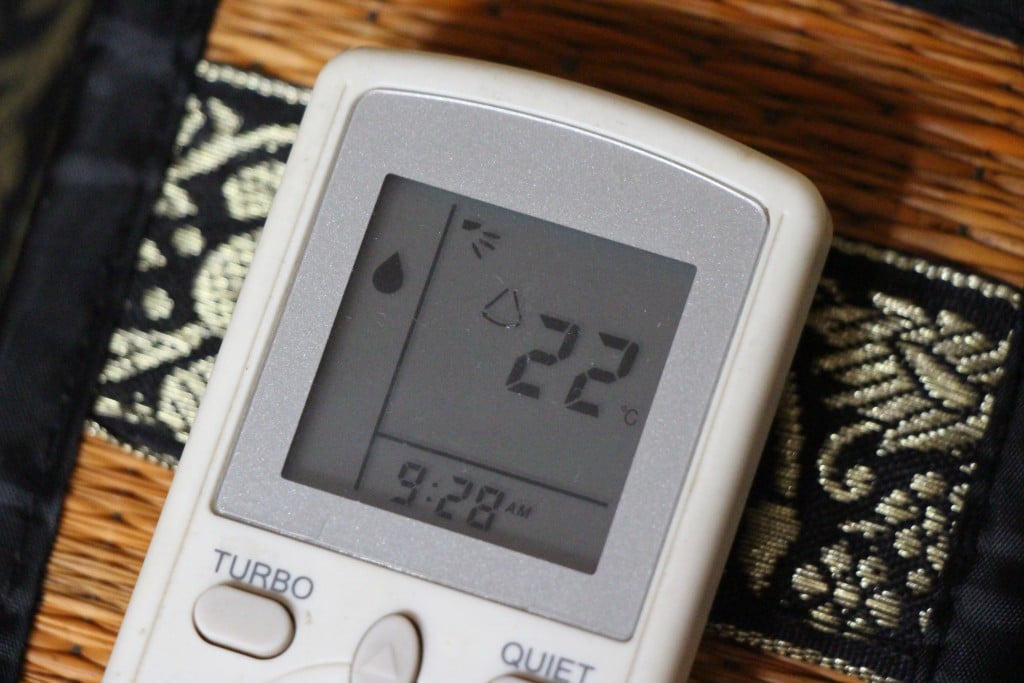
Consider a moderately warm but very humid day. Instead of blasting your AC on cool at 22°C, which would require substantial energy, you could set it to dry mode at 24°C or 25°C. The reduction in humidity will make the higher temperature feel just as comfortable, if not more so, yet the energy consumed will be substantially less. Over weeks and months, especially in humid climates, this translates into noticeable savings on your electricity bills, freeing up cash for other investments or expenses.
Long-Term Savings: Preventing Damage and Reducing Maintenance
As mentioned, high humidity is detrimental to property. The cost of repairing water-damaged walls, replacing warped wooden floors, or dealing with extensive mold remediation can be staggering. By consistently using dry mode to maintain healthy humidity levels, you are actively preventing these costly issues. This is a form of proactive financial management for your home or business.
Moreover, a well-maintained, humidity-controlled environment can reduce wear and tear on other household items and even the AC unit itself. Less mold and mildew mean less strain on air filters and coils, potentially extending the lifespan of your appliance and reducing the frequency of professional cleanings or repairs. This contributes to a healthier budget by minimizing unexpected expenses.
Smart Investment: ACs, Dehumidifiers, and Your Wallet
For those living in extremely humid regions, the question often arises: should I buy a dedicated dehumidifier, or is my AC’s dry mode sufficient? While dedicated dehumidifiers are highly efficient at moisture removal and often come with precise humidity control settings, they represent an additional appliance purchase and another item consuming electricity.
For many households, especially where humidity is an issue for only part of the year, a well-performing AC with a robust dry mode can be a smart, all-in-one solution. It leverages existing technology to perform a dual function, potentially saving you the upfront cost of a separate appliance and the operational cost of running two machines simultaneously. When purchasing an AC, considering the effectiveness of its dry mode can be a valuable investment criterion, impacting your long-term comfort and financial health.
Brands and Beyond: Marketing, Innovation, and the Future of Humidity Control
In today’s competitive market, appliance manufacturers are constantly looking for ways to differentiate their products and cater to evolving consumer needs. The “dry” mode, once a standard but underappreciated feature, is now becoming a point of innovation and a key aspect of brand strategy.
How Brands Differentiate Their Dry Mode Offerings
Leading air conditioner brands are no longer just listing “dry mode” as a feature; they are actively enhancing and marketing it. This includes:
- Intelligent Dry Modes: Some brands offer “smart dry” or “AI dry” functions that use advanced sensors and algorithms to automatically adjust humidity levels based on real-time conditions and user preferences, optimizing for comfort and energy efficiency.
- Faster Dehumidification: Manufacturers are developing technologies to accelerate the dehumidification process without excessive cooling, catering to regions with extremely high humidity.
- Quiet Operation: A common complaint with dehumidifiers is noise. Brands are investing in quieter compressors and fan designs specifically for dry mode, making it more suitable for nighttime use.
- Aesthetics and Integration: Beyond functionality, brands are integrating humidity control seamlessly into sleek, modern designs that fit contemporary interiors, often with smart home connectivity.
For consumers, understanding these brand-specific enhancements allows for a more informed purchasing decision, choosing an AC unit that aligns with their specific needs for comfort, energy savings, and technological sophistication.
The Intersection of Smart Tech and Humidity Management
The trend towards smart homes has profoundly impacted air conditioning. Smart ACs, often controlled via smartphone apps or voice assistants, allow users to remotely monitor and adjust humidity settings. Features like geo-fencing can even pre-dehumidify a home before occupants arrive. This level of control not only enhances convenience but also empowers users to optimize energy consumption and indoor air quality more effectively.
AI tools are being integrated to learn user preferences and environmental patterns, automatically switching between cool and dry modes to maintain ideal conditions with minimal human intervention. This represents a significant leap in how we manage our indoor climates, moving towards predictive and adaptive systems.
Making an Informed Purchase: What to Look For
When considering a new air conditioner, especially if humidity is a concern, look beyond just the cooling capacity (BTUs). Investigate the following:
- Dehumidification Capacity: Some manufacturers specify the liters of moisture removed per day, which can indicate efficiency.
- Smart Features: Does it offer intelligent dry modes, smart home integration, or app control?
- Energy Efficiency Rating (EER/SEER): While primarily for cooling, a higher rating often correlates with better overall efficiency, including in dry mode.
- Quiet Operation: Check decibel ratings, especially if you plan to use dry mode overnight.
- Brand Reputation: Look for brands known for reliability and customer support in their AC products.
Choosing an AC unit with an advanced and efficient dry mode is not just a technological upgrade; it’s a strategic investment in long-term comfort, health, and financial prudence.
Maximizing Your Aircon’s Dry Potential: Tips and Best Practices
Understanding “what dry means in aircon” is the first step; effectively using it is the next. Here are some practical tips to get the most out of this valuable feature.
Optimal Settings and Usage Scenarios
- Mildly Warm, High Humidity: This is the quintessential scenario for dry mode. When the temperature isn’t scorching, but the air feels heavy and sticky, switch to dry. You’ll feel cooler without overcooling the room or overworking the compressor.
- Rainy Seasons: During prolonged periods of rain, indoor humidity can skyrocket. Dry mode is perfect for keeping your home comfortable and preventing dampness and mold growth.
- Nighttime Use: If you find yourself too cold with AC on cool mode at night, but still bothered by humidity, dry mode can provide a gentle, quiet dehumidification that promotes better sleep.
- Post-Shower/Cooking: Briefly running dry mode in areas like bathrooms (if equipped) or kitchens can help dissipate excess moisture after activities that generate a lot of steam.
- Combine with Fan Mode: In some units, combining dry mode with a low fan speed can enhance the feeling of freshness, though dry mode inherently uses the fan. Experiment to find your comfort sweet spot.
Maintenance for Peak Performance
Like any technology, your aircon’s dry mode performance relies on good maintenance:
- Clean Filters Regularly: Clogged filters restrict airflow, reducing both cooling and dehumidification efficiency. Clean or replace them according to your manufacturer’s recommendations.
- Inspect and Clean Coils: Over time, evaporator coils can accumulate dust and grime, impeding their ability to condense moisture. Professional cleaning can restore efficiency.
- Check Drainage: Ensure the condensate drain pipe is clear and free from obstructions. A blocked drain can lead to water leakage and reduced dehumidification.
- Annual Servicing: A professional technician can check refrigerant levels, compressor health, and overall system integrity, ensuring all modes, including dry, operate at peak efficiency.

When to Use Dry Mode vs. Other Functions
- Use Dry Mode when: The air feels sticky, clammy, or heavy, but the temperature is not uncomfortably hot (e.g., 24-28°C). It’s also ideal for preventing mold during rainy seasons.
- Use Cool Mode when: The primary goal is to significantly lower the ambient temperature on a hot day (e.g., 28°C+). Dehumidification will occur as a byproduct, but cooling is the main objective.
- Use Fan Mode when: You simply want to circulate air, perhaps to dissipate stuffiness, but neither cooling nor dehumidification is required. This is the most energy-efficient mode as the compressor is off.
By strategically deploying your aircon’s dry mode, you unlock its full potential, transforming your indoor environment into a sanctuary of comfort, health, and efficiency. It’s a testament to how even seemingly small features in our everyday technology can have a profound impact on our quality of life and financial well-being.
aViewFromTheCave is a participant in the Amazon Services LLC Associates Program, an affiliate advertising program designed to provide a means for sites to earn advertising fees by advertising and linking to Amazon.com. Amazon, the Amazon logo, AmazonSupply, and the AmazonSupply logo are trademarks of Amazon.com, Inc. or its affiliates. As an Amazon Associate we earn affiliate commissions from qualifying purchases.