
The question “What does depression feel like?” elicits a cacophony of individual responses, each unique, yet often resonating with a shared core of profound suffering. In an age where digital forums serve as modern town halls for shared human experience, platforms like Reddit have become invaluable repositories of these personal narratives. Stripped of the clinical jargon, the subreddit discussions reveal depression not as a monolithic illness, but as a shapeshifting entity—a relentless fog, a crushing weight, an icy numbness, or a pervasive emptiness. For those grappling with the bewildering symptoms, and for those striving to understand, these unfiltered accounts offer a window into a reality often hidden behind polite smiles and manufactured normalcy.
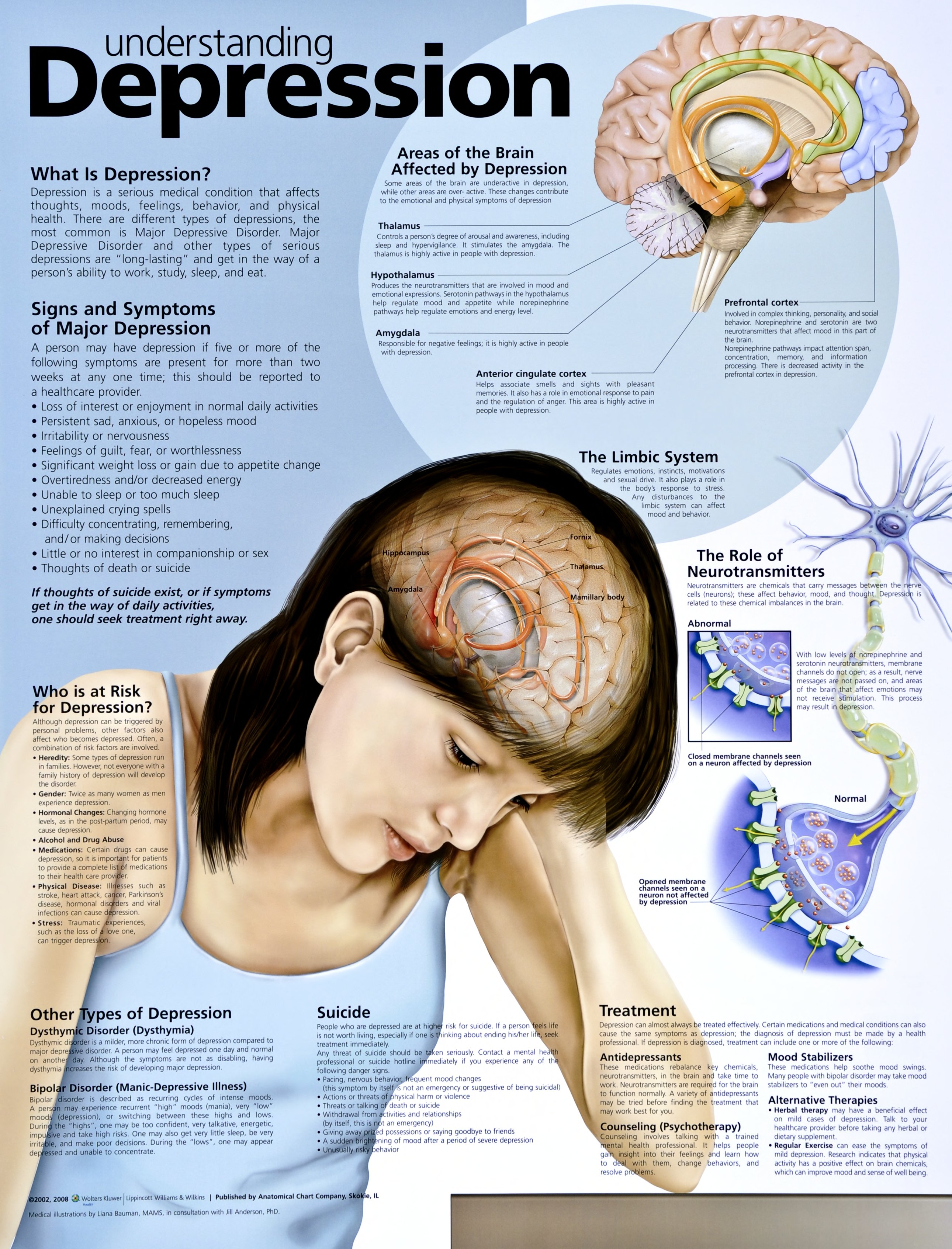
This article delves into the subjective experience of depression, drawing insights from the collective consciousness of Reddit. But beyond simply recounting symptoms, we will critically examine how this often-debilitating condition intersects with the pillars of our modern existence: technology, personal and corporate branding, and the intricate world of personal finance. Understanding depression requires not just empathy, but also a practical recognition of its far-reaching consequences across these critical domains, offering avenues for both coping and recovery that extend beyond traditional clinical approaches.
The Labyrinth of the Mind: Unpacking Depression’s Subjective Realities
The beauty and heartbreak of Reddit’s discussions on depression lie in their raw honesty and immense diversity. Users, often anonymous, describe sensations that defy easy categorization, painting a mosaic of internal states that challenge the public’s often-oversimplified understanding of the illness. This collective outpouring helps to dismantle the myth that depression is merely “feeling sad” or “being down.”
Beyond Sadness: The Multifaceted Symptoms
Reddit threads are replete with attempts to articulate the inexpressible. Many describe anhedonia, the profound inability to experience pleasure, even in activities once loved. “It’s like looking at a vibrant meal but tasting nothing,” one user writes, “or hearing your favorite song but feeling no joy.” This isn’t just a lack of happiness; it’s a complete disconnection from emotional reward systems.
Another pervasive theme is overwhelming fatigue, not just physical tiredness, but a deep, bone-weary exhaustion that sleep cannot resolve. “Every task feels like climbing a mountain,” describes another Redditor, “even getting out of bed requires monumental effort.” This lethargy is often accompanied by a profound cognitive fog, impacting concentration, memory, and decision-making—making even simple daily tasks daunting. This ‘brain fog’ directly impacts productivity, an area where technology often promises solutions, yet can sometimes exacerbate the issue if not managed mindfully.
Physical symptoms are also frequently mentioned: headaches, muscle aches, digestive issues, and changes in appetite or sleep patterns. These somatic manifestations highlight that depression is not solely a “mind” issue but a systemic illness affecting the entire body. The feeling of being “hollow” or “empty” is another common refrain, a deep sense of void where personality and passion once resided. And perhaps most insidious is the internal critic, the relentless negative self-talk that dismantles self-worth and perpetuates feelings of hopelessness, creating a vicious cycle that is incredibly difficult to break. The insights gleaned from these real-world descriptions are crucial for developing more effective support mechanisms, both online and offline.
The Echo Chamber of Empathy: Finding Solace in Shared Stories
For many, Reddit serves as a crucial lifeline, a place where they can articulate their darkest thoughts and find immediate validation. The sheer volume of “me too” comments under posts describing specific depressive symptoms creates an “echo chamber of empathy.” This shared experience reduces the isolating burden of the illness, fostering a sense of community. Users often remark on the relief of realizing they are not alone, that their peculiar symptoms are not signs of personal failure but rather common manifestations of a recognized condition.
This communal sharing is particularly powerful because it sidesteps the stigma often associated with mental illness in real-world interactions. The anonymity of Reddit allows for a level of vulnerability that might be impossible in personal or professional settings. It offers a safe space for people to explore coping mechanisms, share resources, and provide emotional support to others struggling with similar demons. This form of digital solidarity is a powerful counter-narrative to the isolating nature of depression, fostering a sense of belonging and mutual understanding that can be profoundly healing.
Navigating the Digital World: Tech’s Dual Role in Depression
In our hyper-connected era, technology is an inescapable force, weaving its way into nearly every facet of life. For individuals grappling with depression, the digital landscape presents a complex duality: it can be a source of profound connection and support, yet also a catalyst for exacerbating feelings of inadequacy, isolation, and overwhelm. The ongoing technological trends, from AI tools to omnipresent apps, offer both potential pitfalls and promising avenues for mental wellness.
The Double-Edged Sword of Connectivity: Social Media & Digital Fatigue
The same digital platforms that can foster supportive communities on Reddit can also be breeding grounds for comparison and anxiety. Social media, designed to connect, often highlights curated, idealized versions of others’ lives, inadvertently creating a perpetual comparison trap. For someone experiencing depression, the relentless parade of seemingly happy, successful individuals can intensify feelings of inadequacy, guilt, and isolation. “Scrolling through Instagram just makes me feel worse,” a common sentiment on Reddit, “like everyone else has their life together except me.”
Moreover, the sheer volume of information and constant notifications can contribute to “digital fatigue.” The pressure to be constantly available, to respond promptly, and to maintain an online presence can be draining, especially when cognitive function and energy levels are already compromised by depression. The endless stream of news, both personal and global, can feel overwhelming, feeding into a sense of helplessness. Concerns about digital security and privacy can also add an extra layer of anxiety for those already struggling with a compromised mental state, making them hesitant to engage even with beneficial online resources. This highlights a crucial challenge in software design: how to create engaging platforms that don’t inadvertently contribute to mental health decline.
Leveraging Tech for Wellness: Apps, AI, and Digital Support Systems
Despite its potential downsides, technology offers significant promise in the realm of mental health support. A burgeoning ecosystem of mental health apps provides tools for mood tracking, journaling, meditation, and guided cognitive behavioral therapy (CBT) exercises. These apps, ranging from simple mood check-ins to comprehensive self-help programs, offer accessible, often affordable, resources that can supplement professional care. For instance, productivity apps designed to break down large tasks into smaller, manageable steps can be invaluable for individuals struggling with the executive dysfunction often associated with depression.

AI tools are also emerging as powerful allies. AI-powered chatbots and virtual companions offer non-judgmental listening and can guide users through therapeutic techniques, providing support during moments of crisis or loneliness when human interaction is unavailable. While not a replacement for human therapists, these AI companions can bridge gaps in care and offer accessible initial support. Furthermore, telemedicine platforms have revolutionized access to professional mental health services, allowing individuals to connect with therapists and psychiatrists from the comfort and privacy of their homes, mitigating barriers like travel, cost, and social anxiety.
The integration of wearable tech and biometric data tracking also opens doors for early detection and personalized interventions. Monitoring sleep patterns, heart rate variability, and activity levels can provide objective data points that complement subjective self-reporting, offering a more holistic view of an individual’s mental state. These technological advancements, when used mindfully and integrated into a broader mental wellness strategy, can empower individuals to better understand, manage, and ultimately navigate their journey through depression.
The Mask We Wear: Depression’s Impact on Brand and Identity
In a world increasingly focused on personal branding and corporate identity, the invisible struggle of depression poses unique challenges. It forces individuals to perform, to project an image of capability and resilience, even when their inner world is in turmoil. This constant vigilance to maintain a “brand” can be incredibly taxing, impacting everything from career trajectory to social interactions.
Personal Branding Under Duress: Maintaining Professional Façades
For many experiencing depression, the effort to maintain a professional facade is exhausting. The workplace demands consistent performance, enthusiasm, and a positive attitude—qualities that are often severely compromised by the illness. This leads to a constant internal battle: the desire to appear competent and engaged versus the profound fatigue and cognitive difficulties that make even simple tasks feel insurmountable. “Smiling and pretending to be okay at work feels like a full-time job on top of my actual job,” one Reddit user lamented.
This pressure to conform to professional expectations can impact personal branding significantly. Networking events become sources of intense anxiety, career development opportunities are missed due to lack of motivation or energy, and the ability to articulate one’s skills and aspirations can diminish. For those in leadership roles, the challenge extends to maintaining corporate identity and inspiring teams, even when struggling internally. The fear of being perceived as weak or unreliable can prevent individuals from seeking the necessary support, trapping them in a cycle of silent suffering that can ultimately lead to job loss or career stagnation, directly impacting their financial stability. The ability to manage reputation becomes a critical, yet draining, task.
Authentic Advocacy: Building a Brand of Resilience and Support
Conversely, the experience of depression, particularly when shared authentically, can paradoxically strengthen one’s personal brand and contribute to a broader corporate identity of empathy and social responsibility. Many individuals, after navigating their own battles, choose to become advocates, leveraging their experiences to destigmatize mental illness. By openly discussing their struggles, often through platforms like Reddit or personal blogs, they transform vulnerability into strength, building a brand around resilience, honesty, and support.
This authentic advocacy can inspire others, fostering communities of support and challenging ingrained societal prejudices. Companies that embrace mental health initiatives and cultivate a culture of openness demonstrate a strong corporate identity rooted in employee well-being, which can attract talent and enhance their public image. Design in marketing materials, case studies of successful mental health interventions, and transparent internal communications all play a role in shaping this perception. When individuals, particularly those in visible positions, choose to share their journey, it shifts the narrative from one of shame to one of courage, ultimately helping to build a more understanding and supportive world where mental health is acknowledged as a crucial component of overall wellness.
The Hidden Costs: Depression’s Financial Footprint
Beyond the emotional and psychological toll, depression exacts a significant financial burden. It subtly, and sometimes overtly, infiltrates every aspect of personal finance, from income generation to daily spending habits, creating a complex web of economic challenges that can exacerbate the very symptoms of the illness.
Productivity Paralysis and Income Erosion: The Economic Burden
One of the most immediate and impactful financial consequences of depression is its effect on productivity. The pervasive fatigue, lack of concentration, and anhedonia directly translate into decreased efficiency at work, increased absenteeism, and an overall reduction in output. This “productivity paralysis” can lead to missed promotions, reduced bonuses, or even job loss, directly eroding stable income sources. For those reliant on online income or side hustles, the lack of motivation and sustained effort required can make these ventures impossible to maintain, further tightening the financial squeeze.
“I used to be so good at managing my money and picking up extra shifts,” a Redditor shared, “now I can barely get through a full week, let alone think about a side hustle. My savings are dwindling.” The cumulative effect of reduced earning potential over time can be devastating, impacting long-term financial planning, retirement savings, and the ability to achieve financial independence. The hidden costs are not just immediate lost wages, but also the compounding interest of missed investment opportunities and a diminished capacity for wealth accumulation.
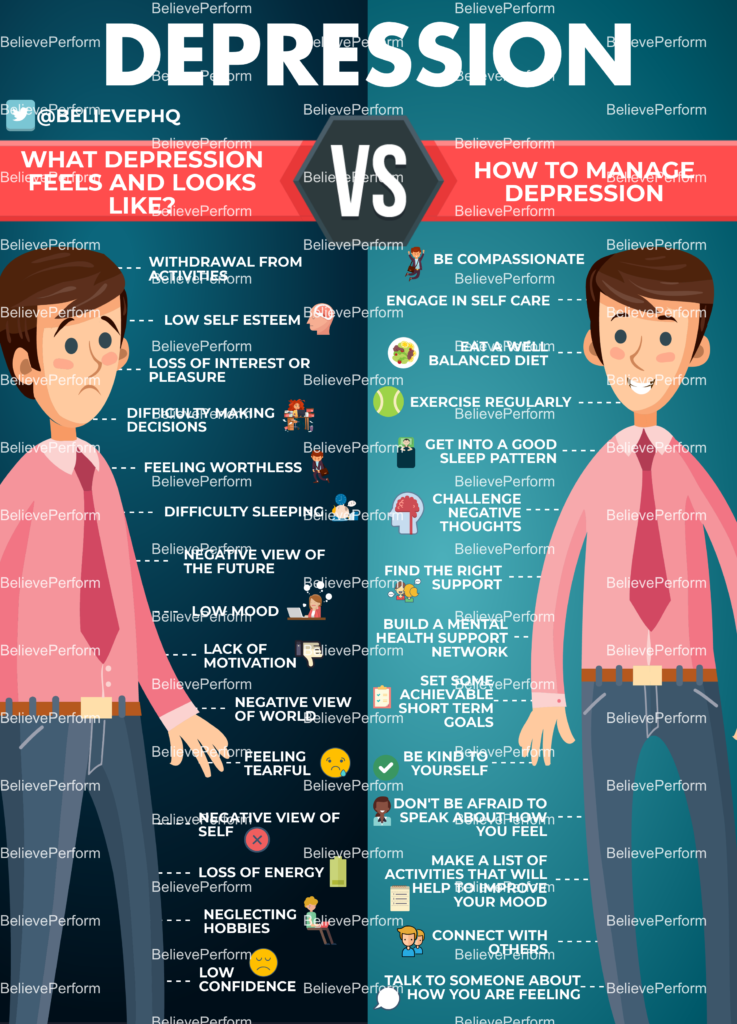
Navigating Financial Wellness in the Shadow of Depression
Managing finances requires cognitive clarity, discipline, and foresight—qualities often severely impaired by depression. Budgeting becomes a monumental task, bill payments are missed, and financial anxiety can spiral out of control. This can lead to debt accumulation, poor financial decisions, and an overall sense of helplessness regarding one’s economic future. The mental energy required to engage with financial tools, online banking, or investment portfolios feels overwhelming, pushing individuals further into a state of inaction.
Furthermore, the direct costs associated with managing depression can be substantial. Therapy sessions, medication prescriptions, and specialized treatments often come with hefty price tags, even with insurance. These expenses can quickly deplete savings, creating additional stress that can worsen depressive symptoms, thus creating a vicious cycle where the illness necessitates costly treatment, which then creates financial strain that intensifies the illness. Financial tools and strategies that focus on automation, simplified budgeting, and low-stress investing can be particularly beneficial. Understanding the interplay between mental health and financial well-being is crucial for both individuals and financial advisors, as addressing one often necessitates addressing the other.
In conclusion, understanding what depression feels like is a deeply personal journey, beautifully illuminated by the collective experiences shared on platforms like Reddit. It’s a journey that extends far beyond emotional states, touching upon the practical realities of our digital lives, our public personas, and our financial stability. By acknowledging the complex interplay between depression and technology, branding, and money, we can move beyond mere empathy to develop more holistic, actionable strategies for support and recovery. Whether it’s leveraging innovative AI tools for mental health, advocating for authenticity in our personal and corporate brands, or implementing practical financial strategies to mitigate economic burdens, a multi-faceted approach is essential. The diverse voices from online communities serve as a powerful reminder that while depression can be isolating, the path to healing is often found in connection, understanding, and the thoughtful application of resources available in our modern world.
aViewFromTheCave is a participant in the Amazon Services LLC Associates Program, an affiliate advertising program designed to provide a means for sites to earn advertising fees by advertising and linking to Amazon.com. Amazon, the Amazon logo, AmazonSupply, and the AmazonSupply logo are trademarks of Amazon.com, Inc. or its affiliates. As an Amazon Associate we earn affiliate commissions from qualifying purchases.