
Navigating the intricate world of tax documentation can often feel like deciphering an ancient scroll. Among the myriad of codes and figures that populate an IRS transcript, one particular entry, “Code 766,” frequently piques taxpayers’ curiosity. Far from being a cryptic warning, understanding Code 766 is actually a critical step toward comprehending your tax liability, anticipating refunds, and ultimately, gaining a clearer picture of your financial standing. In a world increasingly driven by digital insights, personal finance, and strategic branding, knowing what this code signifies empowers you not just to understand your past tax filings, but to proactively manage your financial future.
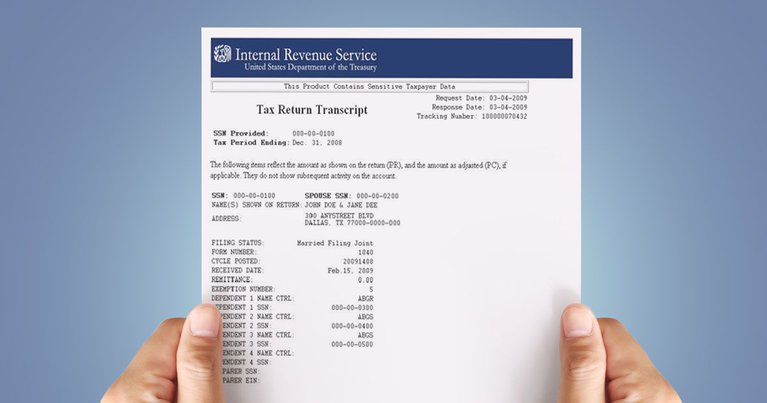
This article will demystify Code 766, exploring its meaning, its implications for your personal finances, and how modern technology can aid in understanding and managing your tax data. We’ll also touch upon how this level of financial literacy contributes to your overall financial “brand” and reputation, demonstrating a proactive approach to your monetary affairs.
Decoding Your IRS Transcript: The Basics of Tax Communication
Before delving specifically into Code 766, it’s essential to understand the broader context of an IRS transcript. These documents are official records of your tax account, providing a detailed summary of your tax return information, payment history, and any adjustments made by you or the IRS. They are vital for various reasons, from applying for a mortgage or student loan to verifying income for government benefits.
Why Your IRS Transcript Matters
Your IRS transcript isn’t just a historical document; it’s a dynamic snapshot of your financial relationship with the government. It records every interaction: tax payments made, credits applied, refunds issued, and any audits or notices. For individuals, understanding your transcript means being able to confirm the IRS has processed your return correctly, identify any discrepancies, and ascertain the status of a pending refund or payment. For businesses, it can be crucial for loan applications, demonstrating compliance, and reconciling internal financial records.
Beyond basic verification, transcripts offer granular detail that isn’t always evident on your tax return summary. They list specific transaction codes, dates, and amounts, providing a comprehensive audit trail. This level of detail is invaluable for financial planning, allowing you to track the flow of money, understand where credits were applied, and forecast future tax obligations. Moreover, in an era where digital security is paramount, proactively checking your transcript can even help detect potential identity theft if unauthorized filings or transactions appear. It’s an essential tool for financial diligence, protecting your assets and ensuring compliance.
Navigating the Labyrinth: How to Access Your Transcript
Accessing your IRS transcript has become significantly easier thanks to technological advancements, though it still requires a careful approach to digital security. The primary method is through the IRS’s official “Get Transcript Online” tool, a secure portal designed for taxpayers to access various transcript types instantly. This platform epitomizes how government services are leveraging technology to enhance accessibility and user experience, moving away from cumbersome paper-based requests.
To use the online tool, you’ll typically need to verify your identity through a multi-factor authentication process, which might involve providing personal information like your Social Security number, date of birth, filing status, and an email address, along with financial account numbers from a credit card, mortgage, student loan, or auto loan. This robust verification process is a critical digital security measure implemented by the IRS to protect sensitive taxpayer data from unauthorized access.
Alternatively, you can request a transcript by mail, which usually takes 5 to 10 calendar days, or by calling the IRS directly. While these traditional methods offer alternatives, the online tool offers unparalleled speed and convenience, fitting seamlessly into the productivity demands of modern life. For financial advisors or tax professionals accessing client transcripts, specific authorization forms (like Form 2848, Power of Attorney) are required, ensuring compliance with privacy regulations. Regardless of the method, understanding how to securely access and interpret these documents is a cornerstone of effective personal finance and responsible digital citizenship.
Code 766 Explained: A Sign of Credits and Financial Relief
At the heart of our discussion lies Code 766. When you see this code on your IRS transcript, it’s generally good news. Code 766 signifies a “Credit to your account,” indicating that the IRS has applied a reduction to your tax liability or credited funds to your account. This reduction could be due to a variety of factors, from refundable tax credits to overpayments made throughout the year. Essentially, it means money is either being returned to you as a refund or being used to offset an amount you owe.
Understanding Code 766 in conjunction with other transaction codes on your transcript helps paint a complete picture. For instance, it often appears before Code 846, which signifies a refund being issued. This sequence confirms that the credits represented by Code 766 have been processed and are leading to a direct payment back to you. It’s a key indicator of financial relief and an affirmation that your tax return has been processed with beneficial outcomes for your financial situation.
Common Scenarios for Code 766 Appearance
Code 766 doesn’t appear in isolation; it’s typically linked to specific financial events or tax provisions. Identifying the underlying cause helps you understand the source of the credit and verify its accuracy. Some of the most common scenarios that result in a Code 766 on your transcript include:
- Tax Credits: This is perhaps the most frequent reason. Many tax credits are designed to provide financial relief to taxpayers for various life events or circumstances. Examples include the Child Tax Credit, the Earned Income Tax Credit (EITC), education credits (like the American Opportunity Tax Credit or Lifetime Learning Credit), residential energy credits, and premium tax credits for health insurance. These credits directly reduce your tax liability, and if they exceed the amount of tax you owe, they can result in a refund, indicated by Code 766.
- Withholding from Wages: If your employer withholds more tax from your paychecks throughout the year than your actual tax liability, this overpayment will be credited back to you. Each payroll deduction contributes to the total amount that will eventually be reconciled, with the excess appearing as a credit.
- Estimated Tax Payments: Self-employed individuals or those with significant income not subject to withholding are often required to make estimated tax payments quarterly. If the total of these payments exceeds your final tax liability, the surplus will be reflected as a Code 766 credit.
- Payments Made with Extension: If you filed an extension for your tax return and made a payment at that time, but your final computed tax liability was less than that payment, the difference would result in a Code 766 credit.
- Prior Year Overpayments Applied: Sometimes, an overpayment from a previous tax year might be applied to your current year’s tax liability or refunded to you, also appearing as a Code 766.
Each of these scenarios illustrates how Code 766 represents a positive adjustment to your account, ultimately benefiting your cash flow or reducing your tax burden.
Differentiating Code 766 from Other Transaction Codes
To fully appreciate Code 766, it’s helpful to understand how it fits into the broader ecosystem of IRS transaction codes. An IRS transcript is a chronological ledger of activity, with each line item assigned a specific code that denotes a particular type of transaction.
- Code 150 (Tax Return Filed): This code is usually the first significant entry, indicating that your tax return has been processed and your tax liability assessed. It sets the baseline for all subsequent transactions.
- Code 766 (Credit to Your Account): As discussed, this is a positive adjustment. It often follows a Code 150 or appears alongside other codes related to specific credits.
- Code 768 (Earned Income Tax Credit): While Code 766 is a general credit, codes like 768 are specific to particular credits, in this case, the EITC. Many specific credit codes (e.g., 740 for child tax credit) contribute to the overall balance reduction, but 766 often summarizes the cumulative effect or represents other less specific credits.
- Code 846 (Refund Issued): This is the code taxpayers are often most eager to see. It signifies that your refund, built up from credits like those indicated by Code 766, has been disbursed.
- Code 971 (Notice Issued): This indicates that a notice has been sent to you by the IRS, which could relate to an adjustment, a request for more information, or an explanation of a credit or debit.
By understanding the interplay between these codes, you can trace the journey of your tax return from submission to refund, or from assessment to payment. Code 766 acts as a pivotal point, clearly signaling where your account has benefited from a reduction in liability or an addition of funds.
Implications for Your Tax Refund and Account Balance
The direct implication of Code 766 on your tax refund and account balance is straightforward: it’s a net positive. Every Code 766 entry reduces the amount of tax you owe or increases the amount of refund you are due. If the total sum of your Code 766 entries (and any other payment credits) exceeds your initial tax liability (Code 150), you are in line for a refund.
For instance, if your Code 150 shows a tax liability of $5,000, and you have various Code 766 entries totaling $7,000 from withholding and child tax credits, your transcript will eventually show an $2,000 refund (Code 846). Conversely, if you have a tax liability and Code 766 entries reduce it but don’t eliminate it entirely, you would still owe the remaining balance.

This direct impact makes understanding Code 766 crucial for personal financial planning. It allows you to accurately predict your tax refund, budget accordingly, or understand why a certain payment was applied. For those awaiting a significant refund, seeing Code 766 entries building up on their transcript offers reassurance that the process is moving forward. It’s a clear indication that the IRS recognizes your entitlement to funds, whether through statutory credits or overpayments.
Beyond the Numbers: Leveraging Technology for Smarter Tax Management
In today’s digital age, managing your taxes effectively goes far beyond simply filing a return. Technology, a core pillar of modern life, offers an unparalleled array of tools to optimize your tax planning, ensure digital security, and boost productivity throughout the tax year.
AI Tools and Software for Tax Planning and Analysis
The advent of Artificial Intelligence (AI) and sophisticated software has revolutionized tax planning. Modern tax preparation software, for example, doesn’t just calculate your taxes; many platforms now incorporate AI algorithms to identify potential deductions and credits you might miss, including those that lead to a Code 766. These tools can analyze your financial data, identify patterns, and even offer predictive insights into your future tax liability based on your income, expenses, and investment activities.
Advanced AI tools can help individuals and small businesses:
- Optimize Credits: By cross-referencing your financial data with thousands of tax codes, AI can highlight obscure credits you qualify for, directly impacting the positive entries on your transcript.
- Scenario Planning: What if you get married, have a child, or buy a house? AI-powered calculators can model different life events to show their tax implications, helping you plan for future Code 766 opportunities.
- Error Detection: AI can spot inconsistencies or potential errors in your data entry that could lead to IRS scrutiny or missed opportunities.
- Automated Expense Tracking: Apps linked to bank accounts categorize transactions, making it easier to claim business expenses or identify eligible tax deductions, building a robust data set for tax software.
These tools transform tax season from a dreaded chore into an ongoing process of smart financial management, ensuring you leverage every available opportunity to your financial advantage.
Digital Security and Protecting Your Financial Data
While technology offers convenience, it also introduces digital security risks that are especially pertinent when dealing with sensitive financial information like IRS transcripts. Protecting your personal and financial data is paramount.
When accessing your IRS transcript online, always ensure you are on the official IRS website (irs.gov). Be wary of phishing scams that mimic government websites or send unsolicited emails requesting personal information. The IRS will never initiate contact with taxpayers via email, text messages, or social media channels to request personal or financial information.
Key digital security practices include:
- Strong, Unique Passwords: Use complex passwords for all financial accounts and the IRS portal, preferably utilizing a password manager.
- Multi-Factor Authentication (MFA): Always enable MFA where available, as it adds an extra layer of security beyond just a password.
- Secure Wi-Fi: Avoid accessing sensitive financial information over public or unsecured Wi-Fi networks.
- Regular Software Updates: Keep your operating system, web browser, and security software updated to protect against the latest vulnerabilities.
- Data Encryption: Consider encrypting sensitive tax documents stored on your computer or cloud drives.
By adopting these habits, you not only protect yourself from identity theft, which can have devastating financial consequences, but also maintain the integrity of your tax records, ensuring that codes like 766 accurately reflect your legitimate credits.
Productivity Hacks for Seamless Tax Season
Tax season doesn’t have to be a scramble. Leveraging technology can significantly boost your productivity, transforming the process into a streamlined operation.
- Cloud Storage Solutions: Utilize services like Google Drive, Dropbox, or OneDrive to digitally store all your tax-related documents (W-2s, 1099s, receipts for deductions, previous year’s returns). This ensures accessibility from anywhere, provides backup, and eliminates clutter.
- Expense Tracking Apps: Apps like Mint, QuickBooks Self-Employed, or Expensify automate the categorization of transactions, making it easy to generate reports for tax deductions. This proactive approach saves countless hours come tax time.
- Digital Calendars and Reminders: Set reminders for important tax deadlines, estimated tax payment dates, and document gathering. Integrating these into your digital calendar ensures you never miss a critical date.
- E-filing: Electronic filing is not only faster and more convenient but also reduces the chance of errors. Many tax software solutions allow for direct e-filing, speeding up the processing of your return and, consequently, your refund (indicated by Code 766).
- OCR (Optical Character Recognition) Tools: Scan physical receipts and documents, using OCR to convert them into searchable digital text. This makes retrieving specific information for tax purposes incredibly efficient.
These productivity tools, when integrated into your financial routine, make managing your taxes a year-round, manageable task rather than a last-minute panic. This efficiency frees up time and mental energy, allowing you to focus on other financial goals.
The “Brand” Perspective: Building Financial Trust and Clarity
While “brand” might seem like an odd concept in the context of IRS transcripts, it profoundly relates to how you manage your financial reputation and foster trust, both personally and professionally. Your approach to understanding and managing your taxes, including decoding codes like 766, is a key component of your financial brand.
Personal Financial Branding: Understanding Your Tax Identity
Your “personal financial brand” isn’t about marketing yourself; it’s about the perception of your financial responsibility and acumen. Proactively understanding your IRS transcript, knowing what codes like 766 mean, and accurately managing your tax obligations demonstrates a high level of financial literacy and responsibility. This isn’t just an internal benefit; it projects outward.
- Trustworthiness: Lenders, potential business partners, or even landlords might request financial records, including tax returns. A clear, well-managed tax history, free of IRS issues, speaks volumes about your reliability and attention to detail.
- Strategic Planning: Someone who understands their tax credits (Code 766) and proactively plans for them is seen as financially astute, capable of optimizing their resources. This forms part of a sophisticated personal brand.
- Reduced Risk: A clean tax record, free of audits or overdue payments, signals reduced financial risk, which can positively impact your creditworthiness and access to capital.
Embracing financial literacy and taking an active role in managing your tax identity contributes significantly to a positive personal financial brand, which can open doors to better financial opportunities.

Building Trust Through Transparency: Your Financial Reputation
Transparency in financial dealings, particularly concerning taxes, is a cornerstone of trust. While your IRS transcript is a private document, the principles of understanding it and being able to clearly articulate your tax position contribute to your broader financial reputation. For entrepreneurs and small business owners, this is particularly vital. How a business handles its tax obligations reflects directly on its corporate identity and brand strategy.
- Investor Confidence: For businesses seeking investment, a history of compliant and transparent tax filings is non-negotiable. Understanding credits received (Code 766 for the business) and how they impact cash flow demonstrates sound financial management to potential investors.
- Client and Partner Trust: Ethical tax practices and clear financial communication build trust with clients, suppliers, and partners. A company known for its integrity, even in its tax affairs, strengthens its overall brand.
- Regulatory Compliance: Meeting tax obligations not only avoids penalties but also burnishes a company’s reputation as a responsible corporate citizen. This helps foster a brand image of reliability and adherence to legal and ethical standards.
For individuals, being transparent and knowledgeable about one’s tax situation, even when discussing personal finances with a spouse or financial advisor, fosters trust and collaborative financial planning. Understanding a positive code like 766, and its implications, allows for clear communication about expected refunds or reduced liabilities, contributing to a more open and trustworthy financial dialogue.
In conclusion, Code 766 on your IRS transcript is far more than just a bureaucratic number. It’s a critical indicator of financial credits and a key component in understanding your tax picture. By leveraging technology for efficient access, management, and security of your tax data, and by adopting a proactive stance toward financial literacy, you not only ensure compliance and optimize your financial outcomes but also bolster your personal and professional financial brand. In an increasingly interconnected and data-driven world, mastering these nuances is not just about taxes; it’s about empowering your financial journey.
aViewFromTheCave is a participant in the Amazon Services LLC Associates Program, an affiliate advertising program designed to provide a means for sites to earn advertising fees by advertising and linking to Amazon.com. Amazon, the Amazon logo, AmazonSupply, and the AmazonSupply logo are trademarks of Amazon.com, Inc. or its affiliates. As an Amazon Associate we earn affiliate commissions from qualifying purchases.