
In today’s fast-paced business landscape, where digital transformation reshapes industries and the “brand” of a company is as vital as its balance sheet, the process of hiring has become increasingly complex. While a resume offers a snapshot of a candidate’s aspirations and a LinkedIn profile hints at their professional journey, neither provides the full picture necessary for informed decision-making. This is where an employee background check steps in—a critical, multi-faceted process designed to mitigate risks, ensure workplace safety, and protect a company’s financial interests and reputation.
For businesses deeply invested in Tech advancements, maintaining a strong Brand presence, and safeguarding their Money through shrewd financial management, a comprehensive background check is more than a formality; it’s a strategic imperative. It’s the due diligence that allows employers to look beyond self-reported information, verifying claims and uncovering potential red flags that could impact productivity, compromise digital security, or tarnish corporate identity. This article delves into the core components of what an employee background check reveals, exploring its evolving nature through technology, and highlighting its undeniable value in building a resilient, trustworthy workforce.
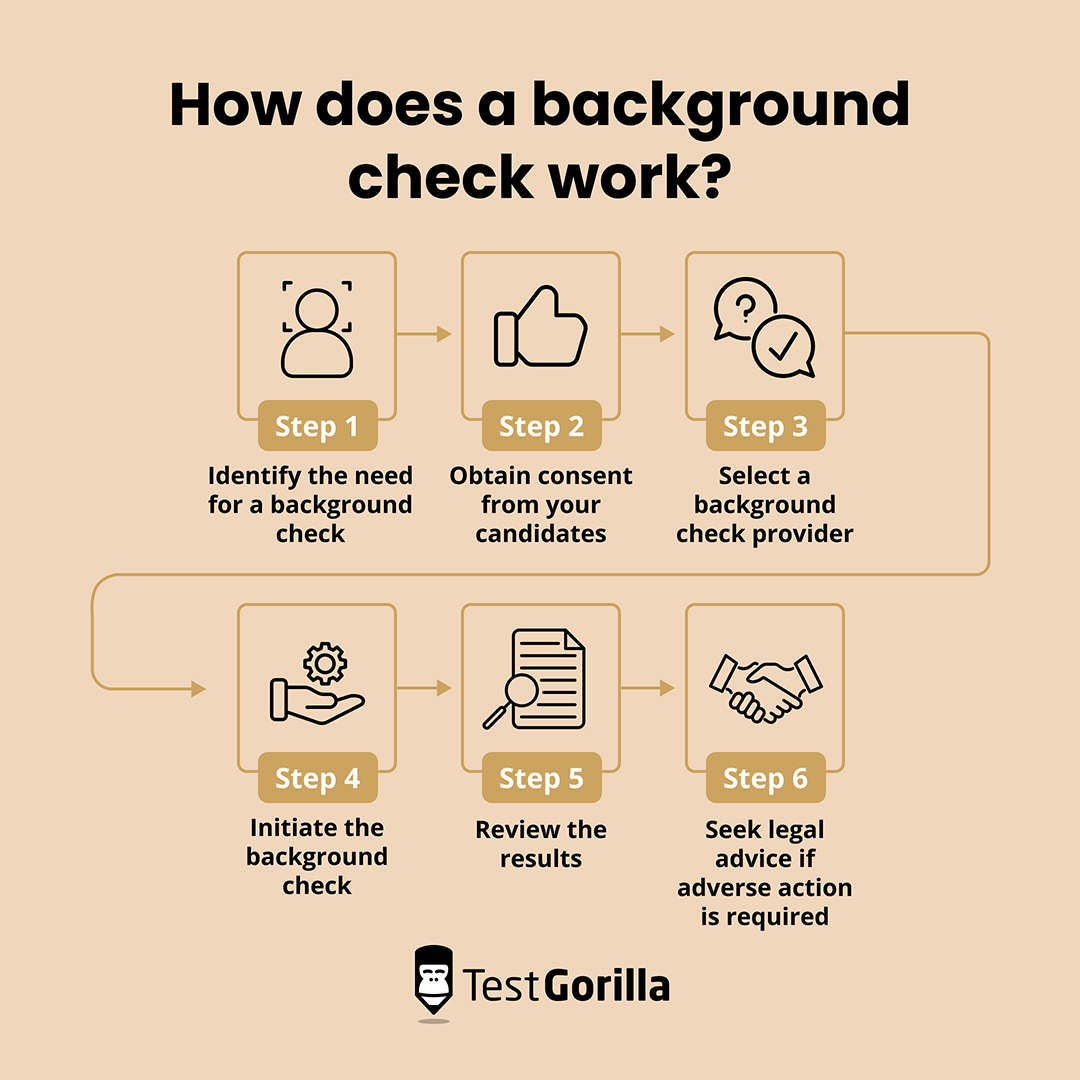
Unveiling the Candidate: Core Elements of a Background Check
The foundational purpose of an employee background check is to establish trust and verify the authenticity of a candidate’s profile. This process typically begins with confirming who the person claims to be and assessing any past behaviors that could pose a risk to the workplace or the company’s reputation.
Identity Verification and Criminal History
At the heart of any background check is identity verification. This crucial step ensures that the person applying for the job is indeed who they claim to be, a fundamental requirement for preventing fraud and protecting digital security. It usually involves cross-referencing information like Social Security Numbers (SSN), past addresses, and birthdates against official databases. In a world increasingly prone to identity theft and sophisticated digital scams, this initial verification is paramount. Tech plays a vital role here, with advanced software and API integrations capable of quickly and accurately validating identities against vast datasets, often flagging inconsistencies in real-time.
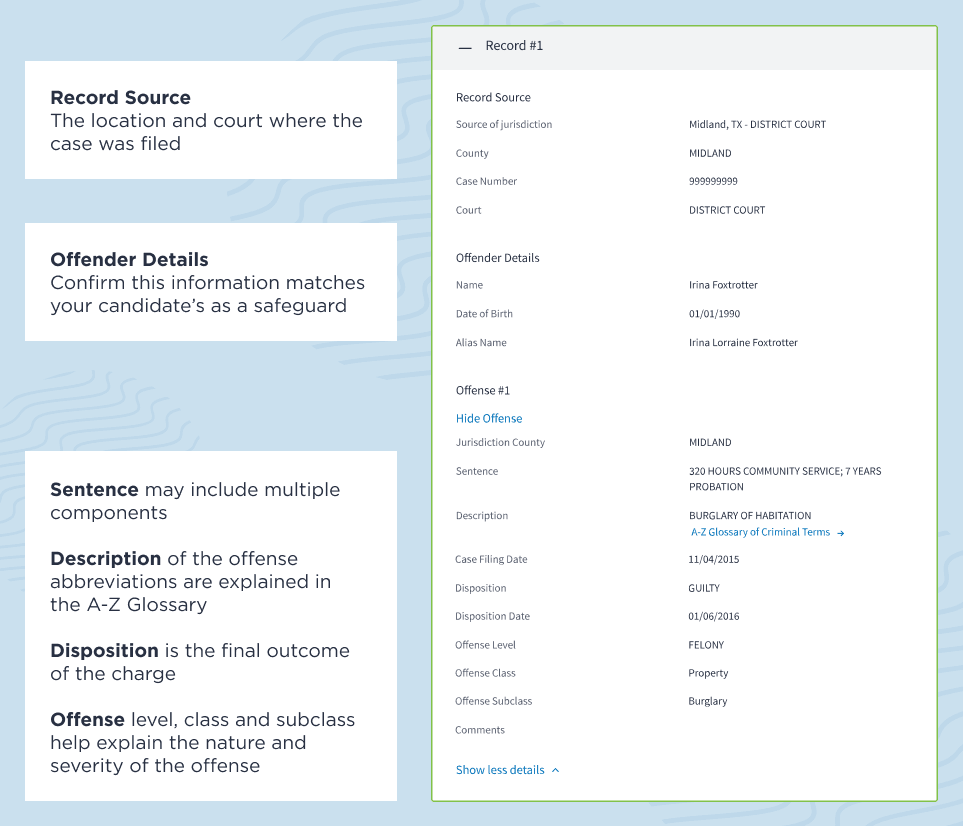
Following identity verification, a comprehensive background check delves into a candidate’s criminal history. This typically involves searching national, state, and county criminal databases, as well as sex offender registries. The scope of these checks can vary based on the role and industry, with positions involving vulnerable populations (e.g., healthcare, education) requiring more exhaustive screenings. The objective is not necessarily to disqualify anyone with a past offense, but to understand the nature of any crimes committed, their recency, and their relevance to the job responsibilities. For a company’s Brand, understanding potential criminal histories is crucial for mitigating reputational risk, ensuring a safe work environment, and preventing situations that could lead to negative publicity or legal challenges. For instance, a history of financial fraud might be a significant concern for a role handling company Money or sensitive financial data.
Validating Professional and Academic Credentials
Beyond criminal records, a critical aspect of an employee background check is to verify the accuracy of a candidate’s professional and academic claims. Misrepresentation on resumes and applications is unfortunately common, and validating these credentials is key to ensuring a candidate genuinely possesses the skills and experience required for the role, directly impacting productivity.
Employment verification confirms a candidate’s past job titles, dates of employment, and sometimes even reasons for departure. This helps employers understand career progression, identify gaps in employment, and corroborate experience relevant to the position. In today’s digital age, automated verification platforms, sometimes leveraging AI, can streamline this process by connecting with previous employers or designated verification services, reducing manual effort and speeding up turnaround times.
Similarly, education verification confirms degrees, institutions attended, and graduation dates. This prevents instances where candidates fabricate or inflate their academic achievements, which could lead to hiring individuals unqualified for complex technical roles or management positions. For roles in specialized fields, such as engineering or finance, verifying specific certifications or licenses is equally important. Tech solutions facilitate this through digital transcript services, direct integration with university databases, or partnerships with accreditation bodies, ensuring the authenticity of academic records. Investing time and Money in verifying these credentials upfront prevents costly bad hires that could hinder projects, damage team morale, and impact the company’s long-term Brand and financial health.
Beyond the Resume: Deeper Dives into a Candidate’s Profile
While foundational checks cover identity, criminal history, and credentials, many roles demand a more granular investigation into specific aspects of a candidate’s past. These deeper dives are tailored to the sensitivities and requirements of particular positions, addressing potential vulnerabilities related to a company’s assets, people, and digital infrastructure.
Financial Acumen and Driving Records
For positions that involve handling significant company Money, financial transactions, or sensitive financial data (e.g., accountants, financial advisors, senior executives), a credit history and financial background check becomes essential. This check can reveal information such as bankruptcies, civil judgments, liens, and severe debt issues. While adverse financial history doesn’t automatically disqualify a candidate, it provides insight into their financial responsibility and can highlight potential risks like susceptibility to bribery or embezzlement, which could have devastating effects on a company’s Money and Brand reputation. It’s crucial that such checks are conducted in compliance with regulations like the Fair Credit Reporting Act (FCRA) to protect candidate privacy and prevent discriminatory practices. Tech solutions ensure secure retrieval and analysis of this sensitive financial data, often through encrypted portals.
For roles that require operating company vehicles or transporting goods and people, a Motor Vehicle Record (MVR) check is indispensable. This reveals a candidate’s driving history, including traffic violations, accidents, and license suspensions. Such information is vital for managing risk, particularly concerning insurance liabilities and workplace safety. A clean driving record directly contributes to the company’s Money by potentially lowering insurance premiums and protecting against costly legal battles stemming from accidents. It also reinforces the company’s Brand as a responsible and safety-conscious employer.
Health, Safety, and Digital Footprints
In environments where safety is paramount, or where specific physical requirements are necessary, drug testing can be an important component of a background check. This helps ensure a drug-free workplace, which contributes to higher productivity, reduced absenteeism, and a safer environment for all employees. It’s particularly relevant in industries like manufacturing, transportation, or roles involving heavy machinery. The specific protocols for drug testing must adhere to legal guidelines and be consistently applied to avoid discrimination.
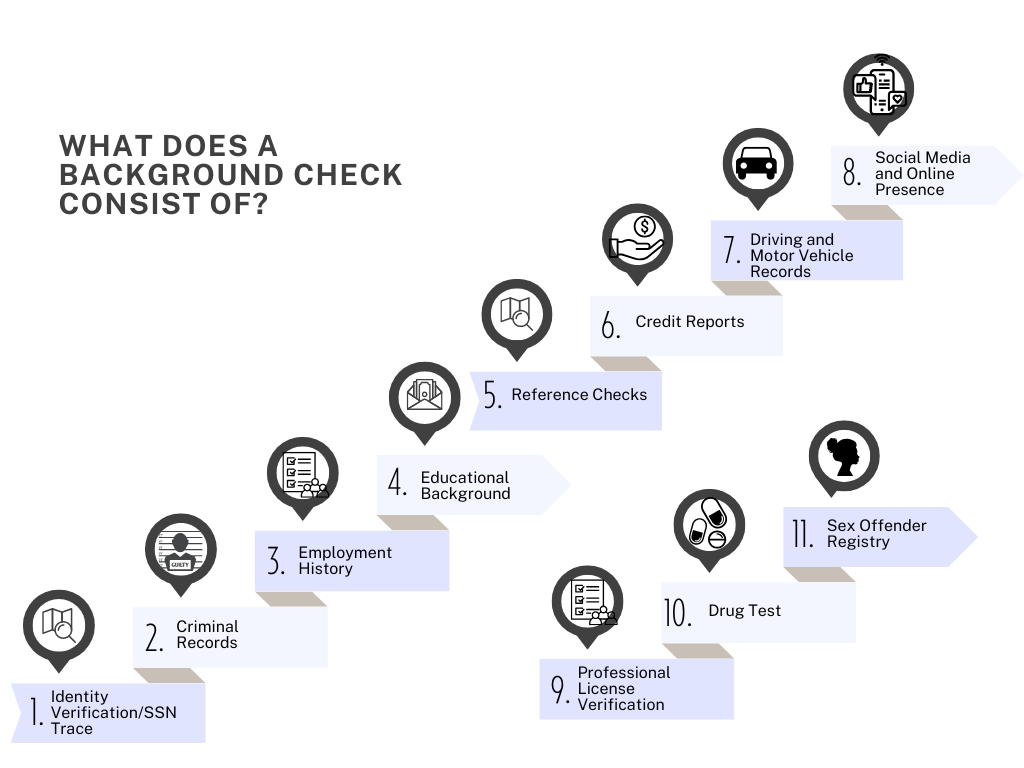
Perhaps one of the most rapidly evolving areas of background checks in the digital age is the assessment of a candidate’s social media and online presence. With nearly everyone having a digital footprint, what a candidate posts, shares, or engages with online can offer significant insight into their judgment, character, and alignment with company values. For a company’s Brand, a candidate’s online persona can reflect positively or negatively, especially if their public activities are unprofessional, discriminatory, or aggressive. While employers must tread carefully to avoid discriminatory practices based on protected characteristics, screening for genuinely problematic public behavior (e.g., hate speech, illegal activities, explicit content) is increasingly common. Tech, particularly AI-powered tools and natural language processing (NLP), is emerging to help companies efficiently and ethically screen public social media profiles for relevant red flags, distinguishing between personal opinions and conduct that could genuinely harm the company’s reputation. This advanced screening capability is a testament to how Tech is transforming traditional HR processes, helping businesses protect their Brand in an interconnected world.
The Technological Edge: AI, Automation, and Digital Security in Background Checks
The digital revolution has profoundly impacted the background check industry, transforming it from a largely manual, time-consuming process into a streamlined, data-driven operation. The integration of advanced Tech, particularly Artificial Intelligence (AI) and automation, is not just enhancing efficiency but also redefining the scope and accuracy of what background checks can show.
Leveraging Advanced Tech for Efficiency and Accuracy
AI tools and automation platforms are revolutionizing every stage of the background check process. From initial data entry to final report generation, automation reduces manual errors, speeds up processing times, and allows HR professionals to focus on higher-value tasks. AI algorithms can rapidly sift through vast databases—criminal records, educational institutions, employment verification services—identifying relevant information far quicker than human analysis. For instance, AI can be trained to recognize patterns in data that might indicate fraud or inconsistencies, offering a new layer of vigilance. Predictive analytics, a subset of AI, can even help identify potential risks based on historical data, allowing for more proactive decision-making. These Tech advancements lead directly to improved productivity in the hiring cycle and a more accurate assessment of candidates, saving businesses Money in the long run by reducing the chances of a bad hire. The efficiency gained also means a better candidate experience, as hiring decisions can be made faster, bolstering the company’s Brand as a modern, efficient employer.
Navigating Digital Ethics and Data Privacy
While the technological advancements offer immense benefits, they also introduce complex challenges, particularly concerning digital ethics and data privacy. As background checks increasingly rely on accessing and processing sensitive personal information, adherence to stringent regulations like the General Data Protection Regulation (GDPR), the Fair Credit Reporting Act (FCRA), and the California Consumer Privacy Act (CCPA) is paramount. Companies leveraging Tech for background checks must ensure their platforms are designed with robust digital security measures, including data encryption, secure storage, and strict access controls, to protect candidate information from breaches.
Another critical consideration is mitigating algorithmic bias. AI systems are only as unbiased as the data they are trained on. If historical hiring data or public record datasets reflect societal biases, AI tools could inadvertently perpetuate discrimination. Ethical deployment of AI in background checks requires continuous auditing of algorithms, ensuring fairness and transparency, and upholding the company’s Brand as an ethical and responsible entity. The balance between leveraging powerful Tech for thorough screening and respecting individual privacy and fairness is a delicate one, requiring careful consideration and continuous vigilance to maintain trust and legal compliance.
Strategic Imperatives: Protecting Your Brand, Budget, and Future
Ultimately, the insights gleaned from an employee background check serve strategic purposes far beyond simply verifying credentials. They are integral to a holistic risk management strategy that safeguards a company’s most valuable assets: its reputation, its financial stability, and its human capital.
Mitigating Risks and Safeguarding Reputation
One of the primary strategic benefits of comprehensive background checks is their role in mitigating risks. By thoroughly vetting candidates, businesses can prevent instances of negligent hiring, which can lead to significant legal liabilities and financial settlements if an employee harms others or misrepresents the company. Identifying potential issues like a history of violence, fraud, or even severe misconduct revealed through social media checks helps protect existing employees, customers, and the public. This proactive approach is crucial for maintaining a safe and secure work environment.
Beyond legal exposure, background checks are indispensable for safeguarding a company’s Brand and corporate identity. In today’s interconnected world, a single incident involving an employee with a problematic past can quickly escalate into a public relations crisis, eroding customer trust and damaging the company’s market standing. Conversely, a rigorous hiring process signals to the market, investors, and potential employees that the company upholds high standards of integrity and responsibility. This strengthens the Brand as a reliable and ethical organization, attracting better talent and fostering positive public perception. Investing in background checks is an investment in protecting the company’s most intangible yet invaluable asset: its reputation.
Enhancing ROI and Fostering a Robust Workforce
From a financial perspective, comprehensive background checks directly contribute to enhancing the Return on Investment (ROI) of a company’s hiring efforts. The cost of a bad hire—encompassing recruitment fees, training expenses, lost productivity, potential legal costs, and damage to team morale—can be staggering. By making more informed hiring decisions based on verified information, businesses can significantly reduce employee turnover, minimize instances of internal fraud or theft, and avoid costly legal battles. This translates into tangible Money savings and a more efficient allocation of resources. The upfront investment in a thorough background check is often a fraction of the potential costs associated with a poor hiring choice, making it a wise financial decision.
Furthermore, a workforce built on trust and integrity, established through diligent background checks, contributes to a more robust and productive work environment. When employees know their colleagues have been properly vetted, it fosters a sense of security and professionalism. This, in turn, can improve collaboration, boost morale, and lead to higher overall productivity. For companies leveraging Tech tools and a strong Brand to attract top talent, demonstrating a commitment to due diligence through comprehensive background checks reinforces their appeal as an employer of choice. It ensures that the individuals who join the team not only possess the necessary skills but also align with the company’s values, contributing positively to its culture and long-term success.
Conclusion
The question “What does an employee background check show?” reveals a multifaceted answer that extends far beyond a simple criminal record. In essence, it shows a deeper, verified picture of a candidate’s past, revealing their identity, work ethic, academic achievements, financial responsibility, and even their public digital persona. For modern businesses navigating the complexities of Tech advancements, safeguarding their Brand, and managing their Money wisely, these insights are indispensable.
By meticulously verifying credentials, assessing past behaviors, and leveraging cutting-edge Tech like AI and automation, companies can make informed hiring decisions that mitigate risks, protect their reputation, and ensure a secure, productive workplace. The investment in comprehensive background checks is not merely a compliance measure; it is a strategic imperative that underpins a company’s long-term success. As the digital landscape continues to evolve, so too will the methods and scope of background checks, becoming an even more critical component in building a trustworthy and resilient workforce for the future.
aViewFromTheCave is a participant in the Amazon Services LLC Associates Program, an affiliate advertising program designed to provide a means for sites to earn advertising fees by advertising and linking to Amazon.com. Amazon, the Amazon logo, AmazonSupply, and the AmazonSupply logo are trademarks of Amazon.com, Inc. or its affiliates. As an Amazon Associate we earn affiliate commissions from qualifying purchases.