
In the vast and intricate world of sewing, where precision and finesse often dictate the success of a project, specialized tools are not just helpful—they are essential. Among these, the zipper foot stands out as a deceptively simple yet profoundly critical accessory. For anyone new to sewing, or even seasoned crafters looking to refine their technique, understanding what a zipper foot looks like, and more importantly, why it looks that way, is the first step towards achieving professional-grade finishes. But its significance extends far beyond mere aesthetics; in an era driven by technology, personal branding, and diverse income streams, even a humble sewing machine attachment can reveal deeper connections to our modern world.

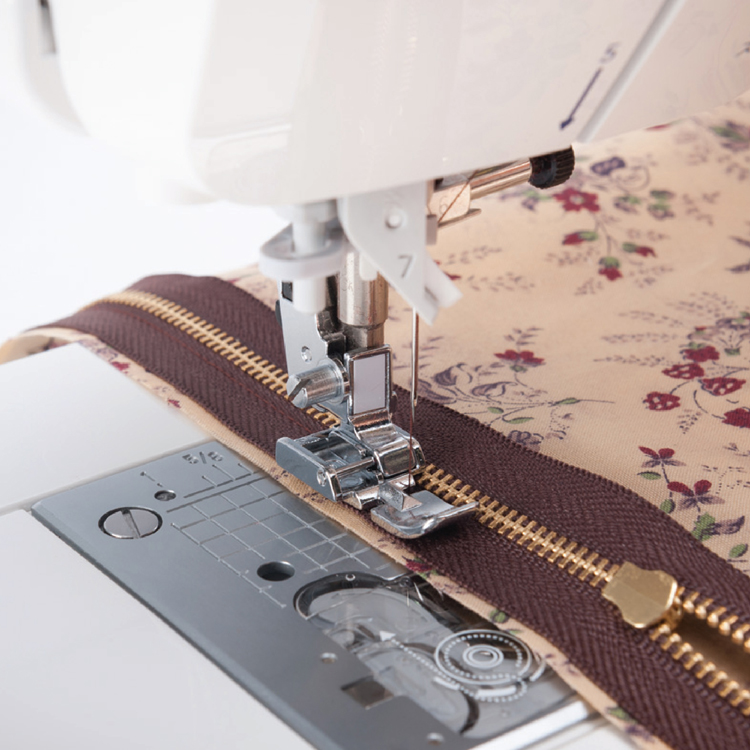
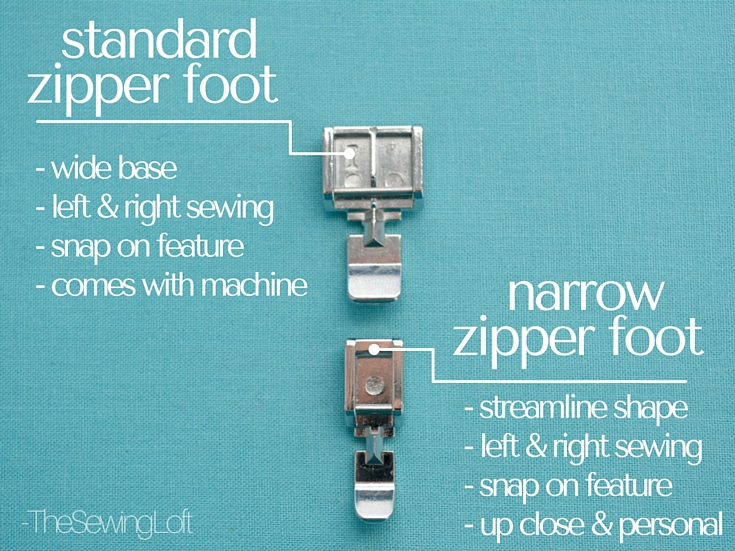
At its most basic, a zipper foot is an attachment for your sewing machine designed specifically to allow the needle to stitch very close to the teeth or coils of a zipper without catching them. Unlike a standard presser foot, which typically has a wide, centrally located opening for the needle, a zipper foot is narrower and often features an offset design. It looks slender, sometimes with a single narrow toe on one side, or with a split in the middle that allows the needle to operate either to the left or the right of the foot’s body. This unique construction is what enables the sewer to guide fabric smoothly while the needle forms stitches just millimeters away from the zipper tape, ensuring a neat, unencumbered closure. Without it, attempting to sew a zipper can be a frustrating exercise in crooked seams, skipped stitches, and damaged needles, ultimately compromising the entire project’s integrity.
The Anatomy and Purpose of a Zipper Foot
To truly appreciate the utility of a zipper foot, one must delve into its specific design elements and understand how each contributes to its indispensable function. It’s a prime example of engineering ingenuity applied to a common craft, allowing for precision that would be impossible with general-purpose tools.
Distinguishing Features and Types
A zipper foot’s appearance is fundamentally shaped by its primary objective: to navigate the tricky terrain alongside a zipper’s raised elements. This objective has led to several common variations, each optimized for different types of zippers and sewing techniques.
The most common zipper foot is the standard zipper foot, often made of metal or clear plastic. It’s characterized by its slim profile and the ability to attach it to the left or right side of the needle. Instead of a wide, flat sole, it has a narrow edge or ‘toe’ that can hug the zipper teeth, allowing the needle to stitch alongside them. This adjustability is key; by shifting the foot, the sewer can sew down one side of the zipper, then easily reposition the foot to sew down the other side, achieving parallel lines of stitching. Some models have a single, very narrow toe, while others might have two small toes with a gap between them, where one toe guides along the zipper and the other supports the fabric.
Then there’s the invisible zipper foot, specifically designed for installing invisible or concealed zippers. These zippers, when sewn correctly, disappear into the seam, creating a smooth, uninterrupted finish—a hallmark of high-end garments. An invisible zipper foot looks distinctly different; it typically has two deep grooves on its underside. These grooves are precisely spaced to “unroll” the coiled teeth of the invisible zipper as it passes underneath, allowing the needle to stitch right at the base of the coil. The result is a zipper that is truly invisible, with only the pull tab visible at the top. Most invisible zipper feet are made of clear plastic, which further aids visibility, allowing the sewer to see the zipper coils and fabric underneath.
A more advanced version is the adjustable zipper foot, which features a screw or lever that allows the user to manually move the foot’s position left or right relative to the needle. This offers even greater flexibility and precision, accommodating various zipper widths and allowing for fine-tuning the stitch line. Some modern sewing machines may also come with a walking zipper foot attachment, which combines the even feeding of a walking foot with the narrow profile of a zipper foot, ideal for thick or slippery fabrics where puckering can be an issue.
Why This Specialized Tool Matters
The zipper foot isn’t just about convenience; it’s about elevating the quality and functionality of sewn items. Its specialized design offers several critical advantages:
Firstly, it ensures precision and a professional finish. By allowing the needle to stitch extremely close to the zipper teeth, the zipper foot creates a neat, even seam that securely holds the zipper in place without bulky fabric covering it. This precision is what distinguishes a handmade item from a store-bought one, often making the difference between amateur and professional craftsmanship.
Secondly, it prevents needle breakage and damage to the zipper. A standard presser foot would sit on top of the zipper teeth, causing the needle to hit them, leading to bent needles, skipped stitches, or even irreparable damage to the zipper itself. The zipper foot’s design gracefully glides alongside the zipper, protecting both your machine and your materials.
Thirdly, it allows for versatility in design. With an appropriate zipper foot, crafters can confidently incorporate various zipper types—standard, invisible, separating, coil, or metal—into a wide array of projects, from garments and bags to cushions and upholstery. This expands creative possibilities and makes complex designs accessible.
Finally, it significantly enhances productivity and reduces frustration. While learning to sew a zipper can still be challenging, having the correct tool eliminates a major source of difficulty, allowing the sewer to focus on technique rather than fighting with ill-fitting equipment. This ultimately saves time, materials, and mental energy, making the entire process more enjoyable and efficient.
The Technological Edge: How a Simple Tool Reflects Modern Tech
While a zipper foot might seem like a basic mechanical attachment, its existence and optimal use are deeply intertwined with advancements in technology. From precision engineering to enhancing productivity, this humble tool reflects broader technological trends that define our digital age.
Precision Engineering and Material Science
Modern zipper feet, especially those for high-end sewing machines, are products of sophisticated design and manufacturing. They are precisely engineered components, often made from durable metals like steel or specialized plastics, including transparent polymers for improved visibility. This level of precision, akin to that found in other “gadgets” or technological components, ensures consistent performance and longevity. The tolerances are tight, designed to guide fabric smoothly and consistently, stitch after stitch. Material science plays a role in making them lightweight, durable, and sometimes even anti-static or low-friction, further improving the sewing experience. When a sewer invests in a quality zipper foot, they’re investing in a piece of miniaturized, specialized engineering. This attention to detail resonates with the “reviews” aspect of tech, as users often critique the material quality and design effectiveness of such accessories.
Software & User Experience in Sewing Machines
While the zipper foot itself isn’t software, it’s an integral part of the user experience with modern computerized sewing machines. Many contemporary machines boast digital displays, touchscreens, and onboard “tutorials” that guide users on which foot to use for specific tasks, including zipper installation. Some advanced machines even detect which presser foot is attached and adjust stitch settings accordingly, optimizing tension and length for the best results. This integration of hardware (the foot) with software (the machine’s operating system) exemplifies the seamless user experience designers strive for in all tech gadgets. The machine becomes more intuitive, acting as a digital assistant that helps the crafter achieve professional outcomes, much like an app guides users through complex processes.
Productivity and Efficiency in Crafting
One of the core promises of technology is enhanced productivity, and the zipper foot delivers on this for sewers. By providing the exact mechanism needed for a clean zipper insertion, it drastically reduces the time and effort that would otherwise be spent troubleshooting, re-stitching, or compensating for a less-than-ideal tool. This efficiency is paramount for anyone involved in large projects, batch production, or even simply wanting to maximize their crafting time. The right tool, precisely engineered, minimizes errors and streamlines the workflow—a direct parallel to how software and AI tools aim to boost productivity in other sectors. For crafters, this means less frustration and more finished projects, directly linking to the “Productivity” aspect of technology.
Crafting a Brand: The Zipper Foot’s Role in Quality and Reputation
In today’s interconnected world, where every creation can be shared and scrutinized, quality is paramount for building a strong “brand”—whether personal or corporate. The unassuming zipper foot plays a surprisingly significant role in establishing this reputation for excellence, transforming raw materials into covetable finished products.
The Mark of Professionalism in Design
A beautifully installed zipper is a subtle yet powerful indicator of craftsmanship. It speaks volumes about the maker’s attention to detail, precision, and dedication to quality. When customers encounter a product—be it a handmade handbag, a bespoke garment, or a custom cushion—with a perfectly straight, smoothly operating, and discreetly sewn zipper, it instantly elevates their perception of the item’s overall design and the skill of its creator. This contributes directly to “Corporate Identity” and “Brand Strategy.” A brand that consistently delivers such quality builds trust and signals professionalism. Conversely, a poorly installed zipper—wavy, puckered, or catching—can quickly undermine the perceived value of an otherwise well-made item, tarnishing the brand’s reputation.
Personal Branding Through Precision
For individual crafters, designers, and hobbyists who share their work online or sell it locally, mastering challenging techniques like zipper installation directly impacts their “Personal Branding.” In the age of social media, where visual appeal reigns supreme, showcasing items with flawless zippers demonstrates expertise and dedication. It positions the crafter as someone who doesn’t cut corners, who understands the nuances of construction, and who strives for perfection. This precision becomes a signature, an identifier that helps them stand out in a crowded marketplace of handmade goods. Their “reputation” as a skilled maker grows, attracting more admirers, followers, and potential customers who value high-quality workmanship.
Marketing Handmade Goods
When it comes to “Marketing” handmade items, photographs and detailed descriptions are crucial. A product featuring a clean, professional zipper is much more appealing and easier to market. Designers can highlight the ‘hidden quality’ of an invisible zipper or the robust functionality of a heavy-duty zipper, confident that the installation reflects the quality of the component itself. This attention to detail becomes a selling point, a “case study” of excellent execution that can be used in product descriptions, blog posts, and marketing campaigns. It communicates value, justifying a higher price point and enhancing customer satisfaction, which in turn fuels positive reviews and word-of-mouth marketing—the ultimate brand builder.
Unzipping Opportunities: The Financial Impact of Mastering Your Machine
Beyond crafting a brand, mastering the use of tools like the zipper foot can open doors to significant “Money”-making opportunities. From generating online income to smart personal finance, the skills honed with such specialized attachments have tangible economic benefits in today’s gig economy and conscious consumer landscape.
Side Hustles and Online Income Generation
The ability to consistently produce high-quality items with perfectly installed zippers is a valuable skill in the realm of “Online Income” and “Side Hustles.” Crafters can create and sell custom apparel, unique bags, stylish pouches, and home decor items through platforms like Etsy, Shopify, or even their own e-commerce websites. Each item featuring a meticulously sewn zipper commands a higher perceived value and often a higher price point. Imagine a range of designer clutch bags, each with a smooth-gliding, perfectly hidden zipper – this kind of consistent quality is what builds customer loyalty and repeat business. The zipper foot, therefore, is not just a tool; it’s an enabler of craftsmanship that directly translates into profitability for small creative businesses and individual entrepreneurs.
Investing in Your Craft
For anyone serious about sewing as a hobby or a potential income source, “Investing” in quality tools and accessories, such as a specialized zipper foot, is a wise financial decision. While a basic zipper foot might come with a sewing machine, investing in an invisible zipper foot or a more robust, adjustable model can significantly improve the quality of work and reduce frustration, ultimately saving time and material costs in the long run. It’s a small upfront “financial tool” investment that yields substantial returns in terms of increased skill, project quality, and potential earnings. This mirrors investment strategies in other areas of “Business Finance,” where strategic capital expenditure leads to improved efficiency and output.
Cost-Effectiveness and Sustainability
On a more personal “Personal Finance” level, mastering zipper installation equips individuals with the ability to repair and customize their own clothing and home textiles. Instead of discarding a perfectly good jacket because its zipper broke, one can replace it, saving money and reducing waste. This aligns with modern trends in sustainability and conscious consumption. Furthermore, crafting personalized gifts or home decor items can save money compared to purchasing store-bought alternatives. The zipper foot, by enabling these repairs and creations, contributes to a more frugal and sustainable lifestyle, empowering individuals to take control of their textile needs and minimize their environmental footprint.
Conclusion
The question, “What does a zipper foot look like?” may seem like a straightforward query about a small piece of sewing machine hardware. Yet, as we’ve explored, its appearance and function are merely the gateway to understanding a much broader narrative. This specialized tool, with its distinct, narrow profile, is a testament to precision engineering—a miniature “gadget” designed for optimal performance. Its role extends beyond merely sewing; it’s a cornerstone of quality, integral to crafting a professional “brand” that resonates with customers and defines a maker’s reputation.
Furthermore, in an economy increasingly driven by creativity and online ventures, mastering the zipper foot unlocks tangible “money”-making opportunities, transforming hobbies into viable side hustles and fostering financial independence. It encourages smart “investing” in one’s craft and promotes “cost-effectiveness” through repair and personalized creation. In a world often dominated by high-tech gadgets and complex algorithms, the zipper foot stands as a powerful reminder that even the simplest, most specialized tools can embody profound connections to technology, branding, and personal finance, proving that true value often lies in the details.
aViewFromTheCave is a participant in the Amazon Services LLC Associates Program, an affiliate advertising program designed to provide a means for sites to earn advertising fees by advertising and linking to Amazon.com. Amazon, the Amazon logo, AmazonSupply, and the AmazonSupply logo are trademarks of Amazon.com, Inc. or its affiliates. As an Amazon Associate we earn affiliate commissions from qualifying purchases.