
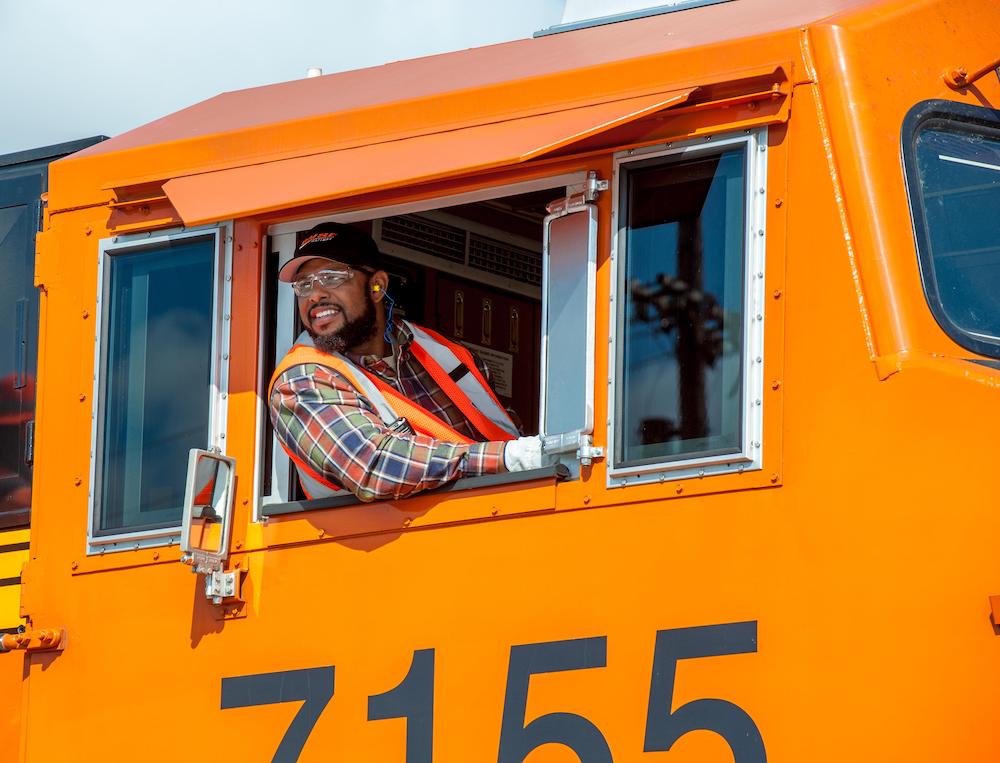
The image of a train engineer often conjures a romanticized figure, hand on a throttle, peering out of a window as a locomotive thunders across vast landscapes. While elements of that timeless picture remain, the reality of a modern train engineer’s role is far more complex, integrating cutting-edge technology, demanding precision, and significant responsibility. Far from being a relic of the industrial age, today’s train engineer operates at the nexus of advanced software, robust mechanical systems, and intricate logistical networks. This isn’t just a job; it’s a high-stakes career that blends traditional skills with a continuous engagement with innovation, offering a stable and often lucrative path for those drawn to its unique challenges. Understanding what a train engineer truly does requires looking beyond the caboose and into the digital dashboard, the rigorous training, and the financial and professional rewards of piloting one of the world’s most vital transportation systems.
Beyond the Whistle: The Evolving Role of the Modern Train Engineer
The stereotype of a train engineer often overlooks the profound technological transformation that has swept through the rail industry. What was once a purely mechanical role, demanding brute strength and an intimate knowledge of steam engines, has evolved into a sophisticated profession reliant on digital interfaces, complex software, and advanced communication systems. Modern locomotives are essentially rolling data centers, and the engineer is their highly trained operator, making real-time decisions informed by a stream of digital information.
High-Tech Cockpits: From Levers to Digital Dashboards
Step into the cab of a modern locomotive, and you’ll find a world far removed from the simple controls of yesteryear. Gone are many of the purely mechanical levers and gauges, replaced by an array of screens, digital readouts, and sophisticated control panels. Train engineers today interact with advanced systems that monitor everything from engine performance and fuel efficiency to brake pressure and track conditions. GPS navigation systems provide precise location data, ensuring adherence to complex schedules and routes. Digital communication systems, including two-way radios and often satellite-based links, keep engineers in constant contact with dispatchers, other train crews, and maintenance teams, facilitating seamless coordination across vast networks.
Furthermore, the implementation of automated braking systems and sophisticated traction control ensures optimal performance and safety under varying conditions. These systems aren’t just passive monitors; they often provide critical feedback and, in some cases, can intervene to prevent accidents, augmenting the engineer’s control rather than replacing it. The engineer’s skill now includes interpreting this data quickly and accurately, understanding the nuances of the digital interfaces, and responding effectively to ensure the safe and efficient movement of cargo and passengers. It’s a job that increasingly requires a tech-savvy mindset, akin to a pilot in an aircraft cockpit, where the human-machine interface is paramount.
Data-Driven Decisions: Software and Predictive Maintenance
A significant part of a modern train engineer’s role involves interacting with software ecosystems that govern the entire rail operation. This isn’t just about driving; it’s about managing a dynamic system through data. Engineers work with systems for Positive Train Control (PTC), a federally mandated system designed to prevent train-to-train collisions, over-speed derailments, incursions into work zones, and movement through misaligned switches. PTC relies on GPS, digital radio communications, and onboard computers to monitor train movements and, if necessary, automatically stop a train to prevent an incident. The engineer must understand and operate within the strict parameters of PTC, constantly verifying its status and responding to alerts.
Beyond immediate operational safety, engineers contribute to broader data collection that feeds into predictive maintenance and network optimization. Diagnostic software onboard locomotives constantly records performance metrics, which can be uploaded and analyzed by maintenance teams. While the engineer isn’t directly performing the maintenance, their keen observational skills, coupled with an understanding of these diagnostic tools, can flag potential issues before they become critical failures. This proactive approach, driven by data and enabled by the engineer’s awareness, significantly enhances safety, reduces downtime, and improves the overall efficiency of rail operations. The modern engineer is, therefore, not just an operator, but also a crucial data point in a vast, interconnected digital railway system.
AI and Automation: The Future Co-Pilot?
The rail industry, like many others, is exploring the potential of Artificial Intelligence (AI) and further automation. While fully autonomous trains are a long-term prospect, AI is already beginning to serve as a sophisticated “co-pilot” for train engineers. AI-powered systems can analyze vast amounts of data—from weather conditions and track gradients to load distribution and braking dynamics—to suggest optimal speed profiles, energy consumption strategies, and even predict potential hazards. This doesn’t necessarily mean replacing the engineer, but rather augmenting their capabilities, providing advanced decision support that enhances safety and efficiency.
For example, AI could help engineers optimize fuel usage by recommending specific throttle adjustments based on real-time conditions, leading to significant cost savings and reduced environmental impact. In complex shunting operations or challenging weather, AI could provide enhanced situational awareness, highlighting risks that might be imperceptible to human eyes. The future train engineer will likely be even more of a system manager and less of a manual operator, leveraging AI tools to make more informed, precise, and safer decisions. This evolution underscores the continuous need for engineers to adapt, learn new digital tools, and integrate advanced AI insights into their operational workflow, ensuring their role remains pivotal amidst technological advancements.
The Human Element: Skills, Responsibility, and the “Brand” of the Profession
Despite the proliferation of technology, the human element remains irreplaceable in the role of a train engineer. While software and sensors provide data, it is the engineer’s judgment, experience, and unwavering commitment to safety that truly define the profession. This demanding role builds a powerful professional brand around attributes like precision, reliability, and an incredible sense of responsibility—qualities that are cultivated through rigorous training and constant vigilance.
Precision and Problem-Solving: The Engineer’s Core Competencies
At its heart, operating a train requires extraordinary precision. Engineers must control massive amounts of kinetic energy, navigating thousands of tons of metal and cargo (or hundreds of passengers) with pinpoint accuracy. This involves meticulous attention to speed limits, signal indications, grade crossings, and track switches. Braking, for instance, is not a simple action; it requires a nuanced understanding of train length, weight, grade, and weather conditions to ensure a smooth, controlled stop without damage to cargo or discomfort to passengers. This precision is honed over years of experience and is a testament to the engineer’s mastery of their craft.
Beyond routine operation, train engineers must also be expert problem-solvers. Mechanical issues can arise unexpectedly, from minor component failures to significant system malfunctions. The ability to quickly diagnose a problem, understand its implications, and implement appropriate solutions—often under pressure and in remote locations—is critical. This troubleshooting prowess often relies on a deep understanding of the locomotive’s various systems, combining theoretical knowledge with practical experience. Furthermore, navigating unforeseen circumstances like track obstructions, adverse weather, or emergency situations demands calm decision-making and strict adherence to safety protocols, ensuring the protection of life and property. These competencies collectively form the bedrock of the engineer’s professional identity.

Safety First: Building Trust and Reputation
Perhaps no other aspect defines the train engineer’s role more profoundly than safety. Every action an engineer takes, or fails to take, has direct and significant implications for public safety, environmental protection, and the integrity of the railway system. Their adherence to stringent operating rules and federal regulations is not merely a formality but a foundational principle that underpins the entire industry. This includes understanding complex signal systems, maintaining appropriate speeds, executing proper braking procedures, and responding correctly to any potential hazard or emergency.
The continuous vigilance required to operate a train safely builds immense trust, both within the rail company and with the public it serves. A rail company’s reputation—its “brand”—is intrinsically linked to its safety record, which in turn is largely dependent on the competency and diligence of its engineers. Incidents, even minor ones, can have severe financial, environmental, and reputational consequences. Therefore, engineers are instilled with a culture of “safety first,” making them frontline guardians of operational security. This intense focus on preventing harm and ensuring compliance can be likened to “digital security” in the broader sense: just as cybersecurity professionals protect data systems from threats, train engineers protect physical systems from operational risks, upholding the integrity and trustworthiness of the entire rail network.
A Career Path: Personal Branding in a Specialized Field
For those considering a career as a train engineer, it represents a clear, structured, and rewarding professional path. Entry into the profession typically involves rigorous training programs, often provided by the rail companies themselves, covering everything from railway operations and mechanical systems to safety regulations and emergency procedures. This initial investment in training is substantial, signifying the high value placed on skilled engineers.
Over time, engineers build a strong personal brand through their consistent performance, adherence to safety, and accumulated experience. This “personal branding” isn’t about marketing themselves on social media, but about establishing a reputation for reliability, expertise, and professionalism within the company and the broader industry. Experienced engineers are highly respected, often mentoring new recruits and contributing to operational best practices. Opportunities for advancement exist, such as moving into supervisory roles, becoming a trainer, or transitioning into management positions within the operations or safety departments. Each step in this career progression builds upon the foundational skills and reputation earned in the locomotive cab, demonstrating a clear trajectory for those committed to the profession.
The Financial Tracks: Compensation, Career Growth, and Economic Impact
A career as a train engineer is not just about the fascinating blend of tradition and technology or the immense responsibility; it’s also a financially stable and often lucrative profession. It offers a robust package of compensation, benefits, and long-term security, making it an attractive option for individuals seeking a dependable and well-compensated career path in a vital industry.
A Lucrative Journey: Salary, Benefits, and Job Security
Train engineers are among the best-paid professionals in the transportation sector, reflecting the high skill level, training requirements, and immense responsibilities associated with the role. Starting salaries for trainee engineers can be competitive, but wages rise significantly with experience and seniority. Experienced engineers can earn well into six figures annually, often augmented by overtime pay, particularly in freight operations where shifts can be demanding. This level of compensation places train engineers in a strong financial position, offering excellent prospects for personal finance management and long-term wealth building.
Beyond salary, the benefits packages are typically comprehensive. These often include robust health insurance, dental, vision, and generous retirement plans, including pensions and 401(k) contributions. Many engineers are unionized, which often secures strong collective bargaining agreements that protect wages, working conditions, and benefits. Furthermore, job security in the rail industry is generally high. As a critical component of national infrastructure, both freight and passenger rail services are essential, ensuring a consistent demand for skilled engineers. This stability allows engineers to plan their finances effectively, invest confidently, and build a secure future.
Investing in a Skill: Training Costs and ROI
The pathway to becoming a train engineer involves a significant investment, primarily on the part of the employing rail company. The training programs are extensive, lasting several months to over a year, combining classroom instruction with hands-on practical experience. During this period, trainees learn everything from the mechanics of locomotives and complex air brake systems to federal regulations, safety protocols, and route specific knowledge. This training is often paid, with trainees earning a salary while they learn, highlighting the employer’s commitment to developing highly skilled personnel.
For the individual, the return on this “investment” (of time and commitment) is substantial. The skills acquired are highly specialized and in demand, leading to a stable, high-paying career that does not necessarily require a four-year college degree. This presents an excellent Return on Investment (ROI) for individuals seeking a professional trade with significant earning potential. The cost of training is absorbed by the employer, effectively giving individuals a sponsored path into a lucrative career, a stark contrast to the often crippling student loan debt associated with many other professions. This financial advantage makes the train engineer profession a compelling option for those looking to build strong personal finances without the initial burden of substantial educational debt.
Career Progression and Specialized Opportunities
While the core role of a train engineer is operating a locomotive, the skills and experience gained open doors to a variety of career progression paths and specialized opportunities within the broader rail industry. An engineer’s deep understanding of operations, safety protocols, and technical systems makes them ideal candidates for supervisory roles, such as trainmasters or superintendents, who manage and coordinate railway operations. Some engineers transition into training and development, sharing their expertise with the next generation of operators, while others might move into safety management, helping to develop and enforce critical safety policies.
Beyond direct operational roles, an engineer’s practical knowledge can be invaluable in other areas, such as logistics planning, route optimization, or even the testing and development of new rail technologies. While entrepreneurship directly as a train engineer is less common due to the nature of the employment structure, the foundational understanding of complex systems, strict regulations, and operational efficiency can provide a unique perspective for those interested in rail-related consulting, technology development for the industry, or even specialized online content creation (e.g., educational videos, blogs) focused on rail operations. The specialized knowledge cultivated over years on the tracks can thus be leveraged in diverse ways, showcasing the versatility of a career forged in the cab of a locomotive.
In conclusion, the role of a train engineer is a dynamic blend of tradition and advanced technology. It demands a high level of skill, responsibility, and an unwavering commitment to safety, making it a pivotal position within the global transportation network. From navigating high-tech cockpits and interpreting complex digital data to ensuring public safety and contributing to a thriving economy, train engineers are vital to modern life. For those seeking a challenging yet rewarding career, offering competitive compensation, excellent benefits, and continuous engagement with evolving technology, becoming a train engineer offers a truly unique and impactful journey.
aViewFromTheCave is a participant in the Amazon Services LLC Associates Program, an affiliate advertising program designed to provide a means for sites to earn advertising fees by advertising and linking to Amazon.com. Amazon, the Amazon logo, AmazonSupply, and the AmazonSupply logo are trademarks of Amazon.com, Inc. or its affiliates. As an Amazon Associate we earn affiliate commissions from qualifying purchases.