
In the intricate world of music production, a “studio chart” serves as an indispensable blueprint, guiding musicians through the recording process with precision and clarity. While the core concept remains consistent across instruments, a studio chart for cello, specifically, is a meticulously crafted document that goes far beyond simple notation. It’s a comprehensive guide that not only conveys the musical notes but also incorporates crucial performance directives, technical specifications, and production notes essential for capturing the desired sound. Historically, these charts were hand-written or meticulously printed on paper, passed from composer or arranger to performer. Today, however, driven by rapid advancements in technology, the cello studio chart has evolved into a dynamic digital entity, deeply intertwined with software, digital collaboration, and even aspects of branding and monetization.
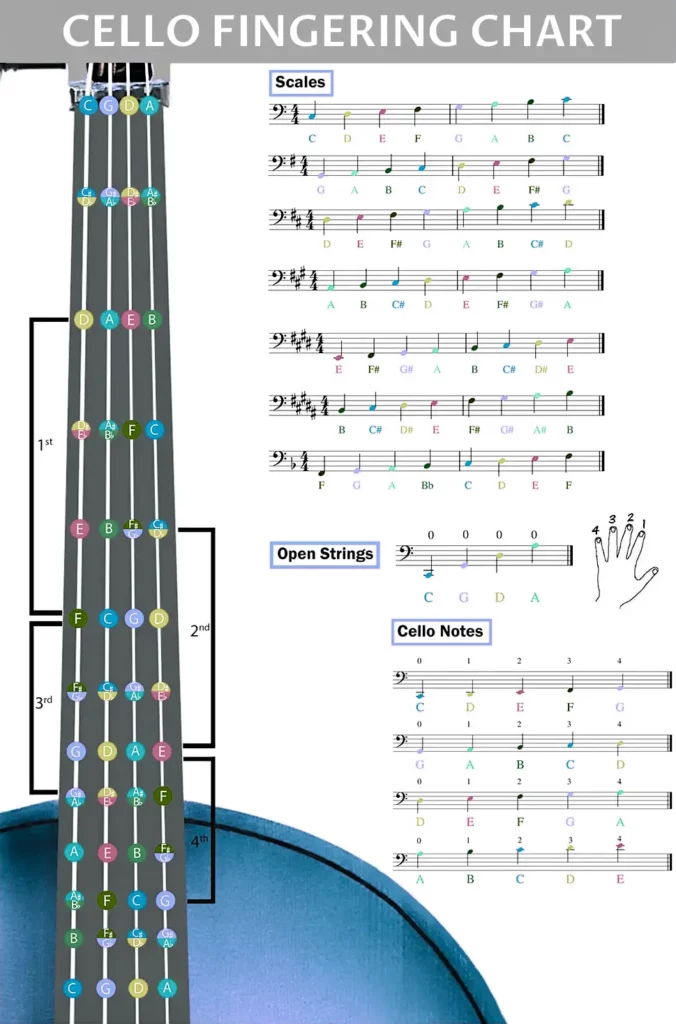
Understanding what a modern cello studio chart looks like means appreciating its multi-layered nature – from fundamental musical language to the cutting-edge digital tools that bring it to life in a recording environment. It reflects a confluence of artistic intent and technical execution, making it a pivotal document in contemporary music production.
The Anatomy of a Modern Cello Studio Chart: Beyond the Notes
At its heart, a cello studio chart is a set of instructions, but its efficacy lies in its ability to communicate a vast amount of information efficiently. It’s a fusion of traditional musical notation and specific recording-session directives, all designed to ensure the cellist delivers exactly what the production demands.
Fundamental Musical Elements
The foundation of any cello studio chart is, of course, the music itself. This includes standard musical notation elements presented with clarity and accuracy:
- Notes and Rhythms: Precise pitch and duration, often with specific beaming and articulation markings (e.g., staccato, legato, tenuto) tailored for the cello’s unique capabilities.
- Dynamics: Indications such as forte, piano, crescendos, and diminuendos, guiding the cellist on volume and intensity variations to shape phrases and emotional arcs.
- Tempo Markings: Clearly stated metronome marks (e.g., quarter note = 60 bpm) or descriptive Italian terms (e.g., Andante, Allegro) to establish the desired pace.
- Key and Time Signatures: Essential for understanding the harmonic context and rhythmic framework of the piece.
- Cello-Specific Techniques: Explicit instructions for bowing (arco, pizzicato), vibrato intensity and speed, harmonics (natural or artificial), sul ponticello (playing near the bridge for a glassy sound), sul tasto (playing over the fingerboard for a softer sound), double stops, and even specific fingerings or string choices where a particular timbre or ease of execution is crucial. These are often notated traditionally but sometimes augmented with textual notes.
Production & Performance Directives
Beyond the notes, a studio chart takes on its “studio” character by incorporating instructions vital for the recording process. These notes bridge the gap between pure musicality and technical sound capture:
- Performance Nuances: Textual notes might guide the cellist on the desired mood (“play with a warm, melancholic tone,” “emphasize the urgency here”), phrasing nuances (“breathe between phrases 2 and 3”), or interaction with other instruments (“blend with the violins,” “feature the cello melody”).
- Click Track Usage: Explicit instructions on when to follow a click track, when to play freely, or when tempo changes occur that need to be synchronized with the recording session. This is critical for post-production editing and ensuring musical parts align perfectly.
- Microphone Placement (Optional but helpful): In some cases, a chart might suggest preferred microphone setups or distances for achieving a specific sound, especially if the composer or arranger has a strong vision for the sonic texture. This level of detail empowers the cellist and engineer to collaborate more effectively.
- Section Markers and Cues: Clear labels for different sections (e.g., “Verse 1,” “Chorus,” “Bridge,” “Solo”) and rehearsal letters/numbers, facilitating quick navigation during recording sessions and communication among musicians and the production team.
Digital Annotations and Metadata
In the digital age, a studio chart also incorporates elements that enhance its functionality within a tech-driven workflow. This often involves metadata and organizational details:
- File Naming Conventions: Standardized names for digital chart files (e.g., “ProjectNameCelloPart_v3.pdf”) ensure clarity and easy retrieval.
- Version Control: Dates and version numbers (“v1,” “v2,” “final”) are critical, especially when changes are made. This prevents confusion and ensures everyone is working from the latest iteration.
- Project Information: Often includes the project title, composer, arranger, date of creation, and even contact information, serving as a vital record.
- Copyright and Licensing Information: Embedding copyright notices and, where appropriate, digital rights management information within the file is crucial for protecting intellectual property, a direct link to the “Money” aspect of music creation.
Leveraging Technology for Cello Studio Charts: A Digital Revolution
The digital transformation has profoundly impacted how cello studio charts are created, shared, and utilized. Technology has streamlined workflows, enhanced collaboration, and opened new avenues for creativity and control.
Software & Apps for Creation and Collaboration
The bedrock of modern chart creation lies in sophisticated software and mobile applications, directly addressing the “Tech” focus of our discussion:
- Notation Software: Programs like Sibelius, Finale, Dorico, and the open-source MuseScore are industry standards for transcribing, arranging, and formatting musical scores. They allow for intricate control over layout, articulation, and dynamics, ensuring professional-grade charts. These tools enable composers and orchestrators to create complex scores with incredible efficiency and accuracy.
- Digital Audio Workstations (DAWs): While primarily for recording and mixing, DAWs like Pro Tools, Logic Pro, Ableton Live, and Cubase often integrate notation viewing capabilities or can import MIDI data from notation software. This allows cellists to see their part in context with other instruments, sync with a click track, and even record directly while viewing the chart. Some DAWs offer basic scoring features, useful for quick edits during a session.
- Cloud Collaboration Tools: Platforms like Google Drive, Dropbox, and specialized music collaboration services (e.g., Avid Cloud Collaboration for Pro Tools, SoundBetter for finding session musicians) facilitate instant sharing and feedback on charts. Composers can share drafts with arrangers, cellists, and producers globally, ensuring everyone works from the most current version, enhancing productivity and breaking geographical barriers.
- Mobile Apps for Performance: Tablet applications such as ForScore (iPad) or MobileSheets (Android) have revolutionized live and studio performance. They allow cellists to store vast libraries of digital charts, annotate them with digital pens, and use foot pedals for hands-free page turning, greatly enhancing convenience and reducing paper clutter.
AI and Advanced Tools for Chart Generation & Analysis
The frontier of technology, particularly AI, is beginning to influence chart creation, promising even greater efficiency and innovative possibilities. This taps into the “AI Tools” aspect of technology trends:
- AI for Transcription and Arrangement Suggestions: While not yet fully autonomous for nuanced cello parts, AI algorithms can accurately transcribe audio to MIDI or notation, helping composers quickly generate initial drafts from their ideas. Future iterations may offer intelligent suggestions for voicings, harmonies, or even stylistic embellishments based on learned musical patterns.
- Dynamic Notation and Adaptive Charts: Imagine charts that adapt in real-time to a performer’s tempo fluctuations, or that can automatically generate variations of a part based on user-defined parameters. AI could power such dynamic notation, making charts more interactive and responsive.
- Metadata Embedding and Digital Rights: Advanced tools allow for embedding detailed metadata (composer, copyright, performance rights organizations) directly into digital scores. AI-powered systems can help manage these rights automatically, ensuring creators are properly credited and compensated, linking technology directly to financial security.
Gadgets & Hardware for Chart Access and Integration
Physical devices continue to play a crucial role in interfacing with digital charts, making them accessible and practical in a studio setting:

- Tablets and Large Displays: High-resolution tablets (like iPad Pro) or dedicated e-readers with anti-glare screens are now standard for displaying digital sheet music. Large external monitors in the studio allow the cellist, engineer, and producer to all view the chart simultaneously.
- Bluetooth Foot Pedals: These essential gadgets allow cellists to turn pages in their digital scores without interrupting their playing, a huge boon for continuity and performance flow.
- Integrated Studio Monitors and Control Surfaces: While not directly for charts, the ability to view charts on a screen integrated into a studio monitor setup, or even having basic navigation controls on a physical control surface, streamlines the recording process.
The Cello Studio Chart as a Branding and Financial Asset
Beyond its function as a musical guide, a meticulously crafted cello studio chart can serve as a powerful tool for branding and can even be a direct source of income, aligning with the “Brand” and “Money” aspects of our website topics.
Branding Through Professionalism and Presentation
A professional-looking studio chart is an extension of an artist’s or studio’s brand, reflecting attention to detail and a commitment to quality.
- Reflecting Professionalism: A well-organized, cleanly laid out, and easy-to-read chart enhances the reputation of the composer, arranger, or recording artist. It demonstrates professionalism and respect for the session musician’s time, fostering repeat collaborations.
- Consistent Visual Identity: For studios or artists who frequently release music or educational materials, maintaining a consistent visual style (e.g., specific fonts, header/footer designs, studio logos) across their charts contributes to a cohesive corporate or personal brand identity. This consistency builds recognition and trust.
- Personal Branding for Composers/Arrangers: For independent composers or those offering arranging services, their charts are often their primary portfolio pieces. High-quality charts not only showcase their musical skills but also their ability to communicate effectively, which is vital for attracting clients and establishing a strong personal brand in the competitive music industry.
Monetization and Financial Implications
The creation and distribution of cello studio charts can be a direct avenue for generating income and managing financial resources.
- Selling Sheet Music/Charts Online: Composers and arrangers can sell their original compositions or arrangements (where rights permit) through dedicated platforms like Sheet Music Plus, Musicnotes, or directly from their own websites. This creates a passive income stream, turning a creative asset into a financial one.
- Licensing for Media: A particularly compelling arrangement for cello might be licensed for use in film, TV, video games, or commercials. The studio chart forms the legal and practical basis for these licenses, outlining the specific performance requirements that are then used in the production. This is a significant source of income for many musicians and composers.
- Freelance Services: Offering services like orchestration, arranging, transcription, or custom cello part creation, where the end product is a studio-ready chart, constitutes a viable side hustle or a full-time business. Composers and arrangers leverage their notation software skills to meet client needs, transforming their expertise into direct income.
- Cost-Effectiveness of Digital Distribution: Digital charts eliminate printing costs, reduce shipping expenses, and allow for instant global distribution. This cost-efficiency directly impacts the financial viability of selling and licensing music, enabling creators to retain more of their earnings and scale their reach more easily.
Protecting Your Creative Assets (Digital Security & IP)
Protecting the intellectual property embedded in a cello studio chart is paramount, intertwining digital security with financial interests.
- Copyright and Intellectual Property (IP): Registering copyrights for original compositions and arrangements is fundamental. The chart itself, as a tangible expression of a musical idea, is protected. Understanding IP laws is crucial for monetization, ensuring creators control how their work is used and prevent unauthorized duplication.
- Digital Watermarking and Rights Management: Digital charts can be embedded with watermarks (visible or invisible) that include copyright information or unique identifiers. Digital Rights Management (DRM) technologies can restrict copying, printing, or sharing, providing a layer of digital security to protect revenue streams.
- Secure Sharing Methods: When sharing charts with collaborators, using secure cloud platforms or encrypted email ensures that sensitive intellectual property remains protected from unauthorized access or distribution. This proactive approach safeguards potential earnings and maintains control over one’s creative output.
The Future of Cello Studio Charts: Interactive and Intelligent
Looking ahead, the evolution of the cello studio chart will likely continue its trajectory towards greater interactivity and intelligence, driven by advancements in AI, augmented reality, and real-time performance technologies.
Augmented Reality (AR) and Interactive Charts
Imagine a chart that dynamically responds to your playing or offers visual cues directly in your line of sight:
- Dynamic Visualizations: AR applications could project holographic notes onto a physical stand, highlighting upcoming sections, showing bowing paths, or even providing real-time feedback on intonation and rhythm as the cellist plays.
- Interactive Performance Guidance: Charts could become interactive tutors, displaying fingerings, shifting positions, or indicating optimal bow speeds for specific passages, enhancing learning and performance quality in both practice and studio settings.
- Adaptive Charts: Future charts might dynamically adjust their layout or content based on a cellist’s preferences or even adapt to live tempo changes during a recording session, offering unparalleled flexibility.
AI-Driven Composition and Performance Assistance
Artificial intelligence will undoubtedly play an even larger role in shaping future charts, moving beyond mere transcription:
- AI-Generated Parts: While human creativity remains supreme, AI could assist composers by generating stylistic variations, orchestrations, or counter-melodies for the cello, significantly speeding up the creative process.
- Performance Analysis and Feedback: AI could analyze a cellist’s performance against the written chart, offering precise feedback on timing, dynamics, and even subtle expressive elements, thereby helping musicians refine their takes in the studio.
- Smart Scoring: AI-powered notation software could anticipate a composer’s needs, automatically formatting complex sections, suggesting optimal page turns, or even ensuring copyright compliance by cross-referencing existing databases.

Conclusion
The journey of the cello studio chart from a simple piece of paper to a sophisticated digital document mirrors the broader evolution of the music industry itself. No longer just a static set of musical instructions, it has transformed into a dynamic tool, deeply integrated with technology, serving as a critical asset for both creative expression and business operations.
Modern cello studio charts are intricate blueprints that fuse traditional musical notation with precise production directives and digital metadata. They are brought to life by powerful software, accessed via cutting-edge gadgets, and continuously enhanced by the burgeoning potential of AI. Furthermore, these charts transcend their immediate musical purpose, acting as vital components of an artist’s brand identity and offering multiple avenues for monetization and financial growth, all while necessitating robust digital security measures.
As technology continues to advance, the cello studio chart will only become more interactive, intelligent, and deeply embedded in every facet of music creation and distribution. It stands as a testament to how the timeless art of music continually adapts and thrives by embracing the innovations of the digital age, forever bridging the gap between artistic vision and technical execution.
aViewFromTheCave is a participant in the Amazon Services LLC Associates Program, an affiliate advertising program designed to provide a means for sites to earn advertising fees by advertising and linking to Amazon.com. Amazon, the Amazon logo, AmazonSupply, and the AmazonSupply logo are trademarks of Amazon.com, Inc. or its affiliates. As an Amazon Associate we earn affiliate commissions from qualifying purchases.