
Nestled discretely within the engine bay of every gasoline, diesel, and even electric vehicle, the motor mount is one of those unsung automotive components that quietly performs a critical job. Often overlooked until it fails, this seemingly simple part plays a pivotal role in your vehicle’s performance, comfort, and longevity. More than just a piece of rubber and metal, the motor mount is a testament to clever engineering, an object of financial consideration, and even a subtle influencer of automotive brand perception.
In a world increasingly driven by technological innovation, financial literacy, and brand loyalty, understanding the core function of a motor mount extends beyond the purely mechanical. It touches upon the sophisticated materials science that dampens vibrations, the financial implications of timely maintenance versus costly neglect, and how its quality can subtly shape a vehicle manufacturer’s reputation. This article will delve into the multifaceted role of the motor mount, exploring its fundamental mechanics, its technological underpinnings, its economic impact, and its significance in the broader automotive landscape.
The Unsung Heroes of Your Engine Bay: Core Functions of a Motor Mount
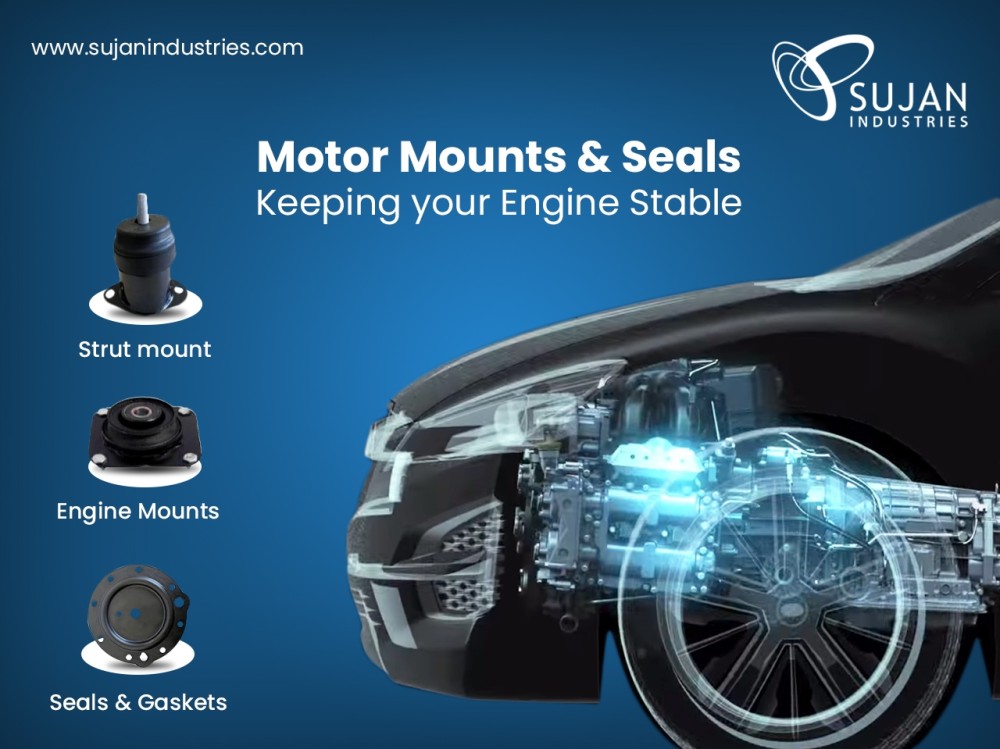
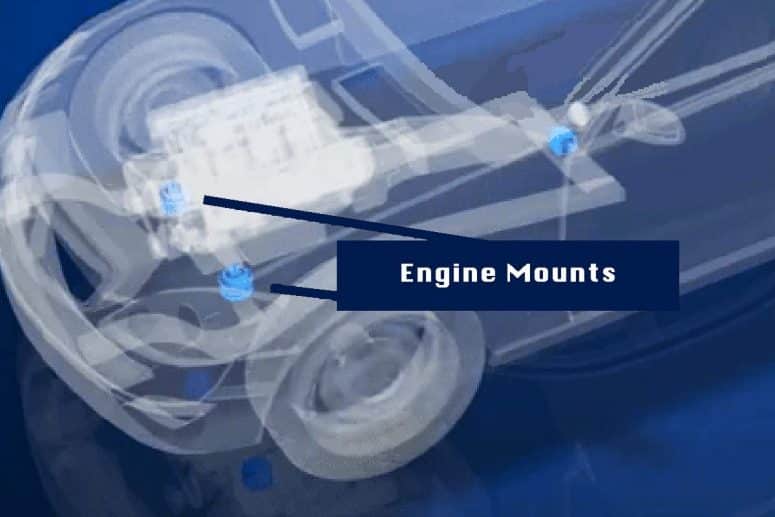
At its most basic, a motor mount is a support system designed to hold your engine and transmission securely in place within the vehicle’s chassis. However, its responsibilities extend far beyond mere physical support. It’s a critical component that directly impacts your driving experience, vehicle safety, and the lifespan of other essential parts.
Supporting the Engine and Transmission
Imagine the sheer weight and power of an internal combustion engine or an electric motor, along with its accompanying transmission. These are heavy, powerful units that need to be firmly anchored to the vehicle’s frame. Without motor mounts, the engine and transmission would simply move around erratically, causing catastrophic damage, not only to themselves but also to every hose, wire, and pipe connected to them. Motor mounts provide this essential structural support, ensuring these vital components remain in their designated positions, regardless of road conditions or driving maneuvers. This stability is paramount for the engine to operate efficiently and for power to be transferred smoothly to the wheels.
Absorbing Vibrations and Noise
Perhaps the most immediately noticeable function of a healthy motor mount is its ability to absorb vibrations and dampen noise. Engines, by their very nature, vibrate. Internal combustion engines produce thousands of small explosions every minute, creating significant kinetic energy and vibrations that resonate throughout the entire powertrain. Even electric motors, while smoother, generate their own unique set of frequencies and torques. Motor mounts, typically constructed with a combination of metal and rubber (or hydraulic fluid), are specifically engineered to isolate these vibrations from the vehicle’s chassis and, by extension, from the cabin. This isolation is crucial for occupant comfort, preventing the incessant hum and shake that would otherwise make driving an unpleasant, fatiguing experience. When mounts fail, the first symptoms often manifest as increased cabin vibration and noise, signaling a direct compromise in ride quality.
Securing Components During Movement
Beyond supporting the engine at rest, motor mounts are vital for securing the powertrain during dynamic conditions. As a car accelerates, brakes, or turns, the engine and transmission experience significant forces. The torque produced during acceleration tries to twist the engine, while braking and cornering introduce inertial forces. Motor mounts must withstand these dynamic stresses, preventing excessive engine rock or movement. Uncontrolled engine movement can lead to a host of problems: damaged hoses and wires, stress on exhaust systems, misalignment of drive shafts, and even difficulty shifting gears. In essence, they act as dynamic anchors, keeping the heart of your vehicle stable and preventing it from colliding with other crucial components, thereby ensuring both safety and consistent performance.
Beyond Basic Function: The Technology and Engineering Behind Motor Mounts
While the fundamental purpose of a motor mount remains consistent, the methods and materials used in their construction have evolved considerably. This evolution highlights a significant intersection with the broader “Tech” aspects of modern automotive engineering, from materials science to digital diagnostics and the future of vehicle propulsion.
Materials Science and Design Innovation
The primary technology behind motor mounts lies in their materials and design. The most common type features a sturdy metal bracket fused with a block of specially formulated rubber. This rubber is engineered to be resilient enough to support the engine’s weight, yet flexible enough to absorb vibrations. More advanced designs incorporate hydraulic fluid chambers within the mount. These “hydraulic motor mounts” offer superior damping capabilities, as the fluid can more effectively dissipate vibrations across a wider frequency range, adapting to different engine loads and speeds. Some luxury or performance vehicles even utilize “active motor mounts” which employ electronically controlled actuators to dynamically adjust their stiffness or damping characteristics in real-time. This sophisticated technology uses sensors to detect vibrations and an ECU to send signals to the mounts, allowing for optimal vibration cancellation across various driving conditions, significantly enhancing ride comfort and quietness. The development of these mounts relies heavily on advanced materials science, computational fluid dynamics, and complex control algorithms, showcasing true engineering innovation.
Diagnostic Technology and Predictive Maintenance
The “Tech” aspect extends into how motor mount issues are identified and managed. Modern automotive diagnostics, aided by AI tools, play an increasing role. While a visual inspection can often reveal a cracked or collapsed rubber mount, sophisticated sensor technology is emerging, especially in commercial fleets and high-end vehicles. These sensors can monitor vibration patterns and mount integrity, feeding data into vehicle management systems. AI algorithms can then analyze this data to predict potential motor mount failures before they manifest as noticeable symptoms. This predictive maintenance approach, common in industrial applications, is gaining traction in the automotive world, significantly reducing downtime and maintenance costs. For the everyday mechanic or DIY enthusiast, digital tools like OBD-II scanners can indirectly help diagnose issues by ruling out other engine problems, while online tutorials and augmented reality apps (though still nascent for this specific application) offer step-by-step guides for inspection and replacement. The ability to access detailed technical specifications and repair procedures digitally has transformed how motor mount issues are approached.
The Electric Vehicle Revolution and Motor Mount Evolution
The rise of electric vehicles (EVs) introduces a new frontier for motor mount technology. While EVs lack the intense, resonant vibrations of internal combustion engines, they present unique challenges. Electric motors, especially high-torque units, can still transmit vibrations and, crucially, generate significant torque reaction that needs to be managed. The “noise” profile of an EV is also different; without engine noise to mask other sounds, even subtle vibrations from the electric motor or drivetrain become more noticeable. This demands incredibly efficient vibration isolation to maintain the serene quietness expected from an EV. Engineers are developing specialized mounts for EVs that are lighter, potentially made from advanced composites, and optimized for different frequency ranges and torque characteristics, often focusing on NVH (Noise, Vibration, and Harshness) reduction in the absence of traditional engine noise. This shift represents a technological adaptation, requiring new research and development in an evolving automotive landscape.
Digital Tools for DIY Enthusiasts and Professionals
The proliferation of digital resources has democratized access to automotive repair knowledge, including motor mount replacement. Online platforms host countless video tutorials, step-by-step guides, and community forums where enthusiasts and professionals share insights and troubleshooting tips. Professionals leverage sophisticated CAD (Computer-Aided Design) software for designing new mounts, FEA (Finite Element Analysis) for simulating stress and vibration, and advanced diagnostic software to pinpoint failures. For the DIYer, access to manufacturer service manuals digitally, online parts diagrams, and comparative reviews of aftermarket components, all fall under the “Tech” umbrella, making complex tasks more approachable. These digital tools empower users to make informed decisions about repairs, often saving money and fostering a deeper understanding of vehicle mechanics.
The Financial Ripple Effect: Costs, Savings, and Investment in Motor Mounts
The condition of your motor mounts isn’t just a technical matter; it carries significant financial implications, touching upon everything from immediate repair costs to long-term vehicle value and even opportunities for online income. Understanding these monetary aspects is crucial for any vehicle owner or automotive business.
Understanding Replacement Costs: Parts, Labor, and DIY vs. Professional
When a motor mount fails, the immediate financial concern is the cost of replacement. The price of motor mounts themselves can vary widely depending on the vehicle’s make, model, and the type of mount (standard rubber, hydraulic, or active). A single mount might range from $50 to several hundred dollars for an OEM hydraulic or active mount. Many vehicles have three to five motor mounts, so the total parts cost can quickly add up. Labor is often the more significant expense. Replacing motor mounts can be a time-consuming job, sometimes requiring specialized tools and the temporary removal of other engine components. Professional labor charges can easily run into several hundred dollars per mount, leading to total repair bills that can range from $400 to over $1,500 for a full set. For those with the mechanical inclination, tackling the job as a DIY project can drastically reduce costs by eliminating labor fees. However, this requires an investment in tools and time, and a clear understanding of the risks involved. This choice between DIY and professional repair highlights a core financial decision point for many car owners, often informed by online guides and available digital resources.
The Cost of Neglect: Avoiding Larger Repair Bills
Delaying the replacement of a faulty motor mount might seem like a way to save money in the short term, but it inevitably leads to greater financial penalties down the road. A failing motor mount allows excessive engine movement, which puts tremendous stress on other critical components. Hoses can tear, electrical wires can fray or short-circuit, exhaust pipes can crack, and even transmission components can suffer accelerated wear due to misalignment and constant jarring. These collateral damages can quickly escalate into far more expensive repairs than the initial motor mount replacement. For instance, a broken exhaust manifold or damaged transmission could cost thousands of dollars to fix, dwarfing the initial motor mount expense. Furthermore, the increased vibrations can accelerate wear on suspension components, tires, and even interior trim, leading to a cascade of maintenance issues. Financially, proactive maintenance is always cheaper than reactive repair, especially when it comes to fundamental components like motor mounts.
Investing in Quality: Long-Term Savings and Vehicle Value
When it comes to motor mounts, choosing quality parts is a sound financial investment. While cheaper aftermarket options exist, they may not offer the same durability, vibration dampening, or longevity as Original Equipment Manufacturer (OEM) parts or reputable aftermarket brands. A cheap mount might fail again in a year or two, leading to repeated labor costs and inconvenience. Investing in a higher-quality mount from a trusted brand (a clear link to the “Brand” topic) ensures a longer lifespan and better performance, ultimately saving money in the long run. Moreover, a vehicle that has been well-maintained with quality parts retains its value better. Buyers are often willing to pay more for a car with a documented history of proper maintenance, including the use of reliable components, influencing its resale value and making it a more attractive financial asset.
Opportunities for Online Income and Financial Savvy
The automotive aftermarket, including motor mounts, presents various avenues for online income. Entrepreneurs can establish e-commerce stores specializing in specific vehicle parts, leveraging online marketing strategies to reach a wide audience. Content creators can monetize their expertise by producing high-quality video tutorials or blog posts on motor mount inspection and replacement, earning revenue through advertising, sponsorships, or affiliate marketing for tools and parts. Furthermore, individuals with strong mechanical skills can offer mobile repair services, utilizing online platforms for booking and promotion. From a personal finance perspective, understanding motor mounts encourages a proactive approach to car maintenance, which is a key component of responsible financial planning for vehicle ownership. It teaches valuable lessons about budgeting for repairs, comparing costs, and making informed decisions about DIY versus professional services, all of which contribute to overall financial savvy.
The Brand Dimension: How Motor Mounts Influence Perception and Performance
The choice and quality of motor mounts might seem like a detail relegated to engineering specifications, but they significantly impact a vehicle manufacturer’s brand reputation and influence consumer perception. This connection highlights how even seemingly minor components contribute to a brand’s overall promise of quality, comfort, and performance.
Manufacturer Reputation and Ride Quality
Automotive brands strive to differentiate themselves through various attributes: luxury, performance, reliability, or economy. Ride quality and cabin quietness are paramount to achieving a sense of luxury and refinement. This is where motor mount engineering becomes critical. A brand renowned for its smooth, quiet rides – think high-end sedans or luxury SUVs – invests heavily in sophisticated motor mount designs, often employing hydraulic or active mounts to minimize NVH (Noise, Vibration, and Harshness). Conversely, a brand that consistently produces vehicles with noticeable engine vibrations or excessive cabin noise risks damaging its reputation for quality and comfort. The choice of motor mount technology is a deliberate engineering decision that directly supports or detracts from a manufacturer’s brand identity. It’s a subtle but powerful influencer of customer satisfaction and loyalty.
Aftermarket Brands: Trust, Performance, and Customization
The aftermarket for motor mounts is a diverse landscape where different brands compete for consumer trust. Some aftermarket brands specialize in performance mounts, often made with stiffer polyurethane or solid materials, designed to reduce engine movement for enhanced driving dynamics, albeit at the expense of increased NVH. Other brands focus on providing cost-effective, OEM-quality replacements. The reputation of these aftermarket brands is built on factors like material quality, manufacturing precision, warranty coverage, and customer reviews. A brand that consistently delivers durable, well-performing mounts will gain a loyal customer base, demonstrating how a component’s quality directly translates into brand equity. Consumers often rely on online reviews and recommendations from automotive forums to choose reputable aftermarket brands, showcasing the power of collective experience in shaping brand perception.
Building a Brand in Automotive Aftermarket
For businesses operating within the automotive aftermarket, building a strong brand involves more than just selling parts; it requires a commitment to quality, innovation, and customer service. A brand specializing in motor mounts, for example, might differentiate itself through superior hydraulic designs, extended warranties, or by offering a wider range of vehicle-specific applications. Effective branding in this space involves clear product messaging, transparent material specifications, and robust support infrastructure. Case studies of successful aftermarket brands often highlight their meticulous attention to product development and their ability to forge trust with mechanics and DIY enthusiasts. In an increasingly competitive market, a strong brand narrative, backed by reliable products, is essential for carving out a market share and fostering customer loyalty.
Personal Branding for Auto Enthusiasts and Mechanics
The discussion of motor mounts also extends to personal branding. Auto enthusiasts who share their DIY repair experiences online, or professional mechanics who offer advice and tutorials, build personal brands based on their expertise and trustworthiness. By meticulously documenting a motor mount replacement, explaining the nuances of different mount types, or reviewing aftermarket brands, these individuals establish themselves as authoritative figures in the automotive community. This personal branding can lead to opportunities for sponsorships, consulting, or even building their own repair businesses. For mechanics, a reputation for using quality parts and providing honest assessments, including accurate motor mount diagnoses, directly contributes to their professional brand and attracts more clients. In the digital age, sharing knowledge about components like motor mounts effectively helps solidify one’s reputation and expertise.
Recognizing and Addressing Motor Mount Issues
Understanding the functions and implications of motor mounts is one thing, but knowing when they’re failing and how to address it is equally important for any vehicle owner. Proactive identification can prevent more significant financial and performance issues.
Common Symptoms of Failure
Recognizing the signs of a failing motor mount is crucial. The most common symptom is increased vibration, particularly noticeable through the steering wheel, floorboard, or seats, especially when idling, accelerating, or braking. You might also hear clunking, thumping, or banging noises coming from the engine bay, especially when shifting gears, going over bumps, or during hard acceleration/braking. Another clear indicator is excessive engine movement. If you pop the hood and have someone briefly rev the engine (while the car is in park/neutral with the parking brake engaged and safety precautions taken), you might observe the engine rocking or lifting more than it should. Visually, a collapsed or cracked rubber portion of the mount is a tell-tale sign of wear. Ignoring these symptoms will only exacerbate the problem and lead to the aforementioned collateral damage.
Inspection and Diagnosis
While some symptoms are obvious, a thorough inspection is key to accurate diagnosis. Visually inspect all accessible motor mounts for cracks, tears, or separation of the rubber from the metal. Look for signs of fluid leakage if you have hydraulic mounts. A professional mechanic will often lift the vehicle, safely support the engine, and use a pry bar to gently check for excessive play or movement in the mounts. They might also perform specific diagnostic tests to isolate the source of vibrations or noises. It’s important to diagnose correctly, as other issues like misfires, worn suspension components, or exhaust rattles can mimic motor mount symptoms. Leveraging diagnostic tools, whether simple visual checks or advanced sensor data, ensures the right problem is addressed.

Maintenance Tips and Longevity
Motor mounts are generally designed to last a long time, often between 5-7 years or 50,000-100,000 miles, but their lifespan can vary significantly based on driving habits, road conditions, and environmental factors. Aggressive driving, frequent heavy braking, and driving over rough terrain can accelerate wear. While routine maintenance specifically for motor mounts isn’t typically listed in service schedules, being mindful of driving habits, addressing fluid leaks promptly (as oil can degrade rubber), and choosing quality replacement parts are all ways to promote their longevity. Regular inspections during other maintenance services (like oil changes) can help catch issues early. Extending the life of your motor mounts is not just about avoiding repairs; it’s about maintaining your vehicle’s overall health, comfort, and ensuring you get the most financial value out of your investment.
In conclusion, the motor mount, despite its humble appearance, is a fundamental component whose impact reverberates across multiple dimensions of vehicle ownership. From its crucial role in providing structural support and dampening vibrations, driven by sophisticated materials and design technology, to its significant financial implications regarding repair costs, long-term savings, and online income opportunities, the motor mount is far more than a simple bracket. Furthermore, its quality directly influences a car manufacturer’s brand reputation and offers avenues for individuals to build their own professional standing within the automotive world. Understanding what a motor mount does, recognizing signs of failure, and acting proactively is not just good car care—it’s intelligent vehicle management in a technologically advanced, financially conscious, and brand-driven automotive landscape.
aViewFromTheCave is a participant in the Amazon Services LLC Associates Program, an affiliate advertising program designed to provide a means for sites to earn advertising fees by advertising and linking to Amazon.com. Amazon, the Amazon logo, AmazonSupply, and the AmazonSupply logo are trademarks of Amazon.com, Inc. or its affiliates. As an Amazon Associate we earn affiliate commissions from qualifying purchases.