
When marketing professionals and brand strategists ask “what to do in New Orleans,” they aren’t just looking for a list of jazz clubs or Creole restaurants. They are looking at a living case study of one of the world’s most successful, resilient, and distinct brand identities. New Orleans is not merely a geographic location; it is a global brand that has mastered the art of “Place Branding.”
In an era where digital noise makes it difficult for companies to stand out, the “Big Easy” provides a blueprint for how to cultivate an authentic identity that resonates across generations. To understand what to do in New Orleans from a brand perspective is to understand how to leverage heritage, manage crisis-driven rebranding, and create an experiential ecosystem that converts visitors into lifelong brand advocates.
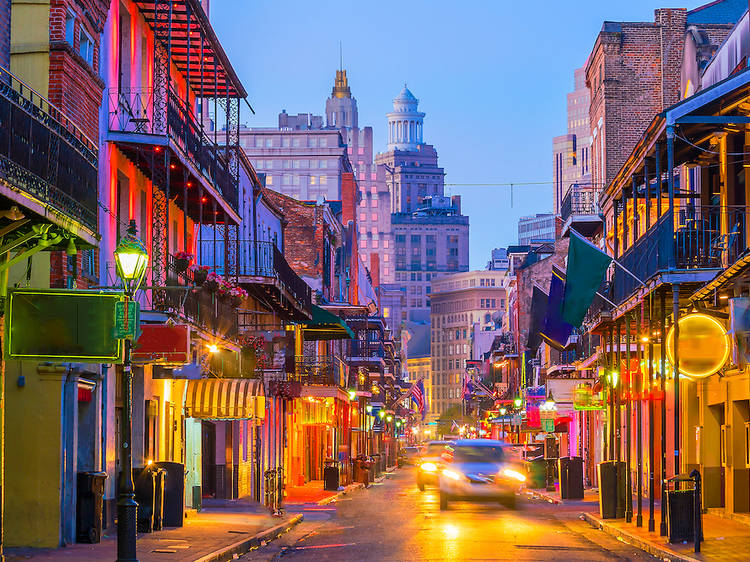
The Soul of the Brand: Authenticity and Heritage
The foundation of any enduring brand is a clear sense of self. New Orleans has survived for over three centuries because its brand identity is rooted in an unshakeable core: the intersection of European, Caribbean, and African cultures. In the world of corporate branding, this is known as “Brand Heritage,” and New Orleans utilizes it better than almost any city on earth.
Leveraging Cultural Capital
The “cultural capital” of New Orleans is its primary asset. For a brand strategist, New Orleans demonstrates that your most valuable assets aren’t always your physical infrastructure, but the stories and traditions that inhabit them. The city does not “invent” marketing campaigns; it curates existing cultural truths.
When businesses look at New Orleans, they see the power of a “Niche Strategy.” The city doesn’t try to be a tech hub like San Francisco or a financial center like New York. Instead, it leans heavily into its unique status as the “Crescent City.” By focusing on its specific cultural DNA—jazz, voodoo, and Cajun/Creole cuisine—the city has created a moat that competitors cannot easily cross.
Storytelling Through Sensory Experiences
Modern branding is moving away from visual-only cues toward multisensory experiences. New Orleans is a sensory-first brand. The smell of roasted coffee and chicory at Café Du Monde, the sound of a brass band on Frenchmen Street, and the taste of a spicy crawfish boil are all “Brand Touchpoints.”
Strategists can learn how New Orleans uses these sensory cues to create emotional anchors. These experiences are not passive; they are participatory. Whether it is catching a bead during a parade or joining a second-line, the “consumer” becomes part of the brand’s story. This level of engagement is what every modern digital brand strives for: turning a customer into a co-creator of the experience.
Rebranding Resilience: The Post-Disaster Narrative
A brand’s true strength is tested during a crisis. For New Orleans, Hurricane Katrina in 2005 was a catastrophic event that forced a total reassessment of the city’s brand narrative. What to do in New Orleans in the aftermath of a crisis became a lesson in “Resilience Branding.”
Transforming Vulnerability into Strength
In the years following the storm, New Orleans pivoted its brand from being a “Party City” to being a “Resilient City.” This wasn’t just a marketing slogan; it was a repositioning of the city’s value proposition. The narrative shifted to focus on the grit, creativity, and determination of its people.
This is a vital lesson for corporate identity management. When a brand faces a setback, the most effective strategy is often to lean into the vulnerability and use it to build a deeper, more authentic connection with the audience. The “New Orleans is Unstoppable” campaign served as a rallying cry that invited the world to be part of the city’s recovery, effectively turning empathy into brand equity.
Community-Driven Brand Advocacy
One of the hallmarks of the New Orleans brand is that its primary ambassadors are its residents. In branding terminology, this is “Employee Advocacy” on a municipal scale. The citizens of New Orleans are fiercely protective of their culture.
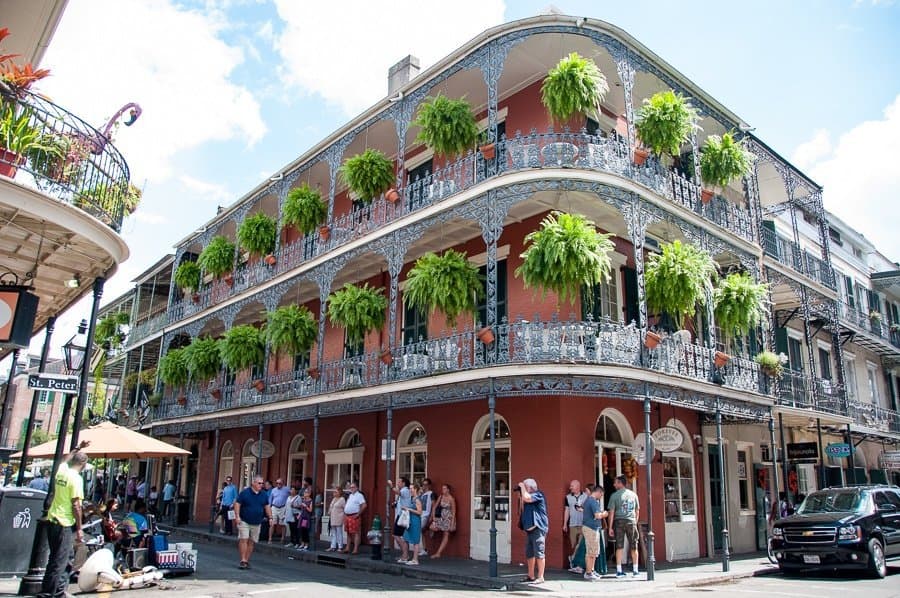
For a brand to succeed, its internal stakeholders must believe in the mission. In New Orleans, the “product” (the lifestyle) is consumed by the “producers” (the residents). This creates a level of authenticity that cannot be faked by an external marketing agency. When the local community advocates for their brand, it carries a weight and credibility that paid advertising can never achieve.
The Commercialization of “The Big Easy”: Balancing Success and Integrity
As any brand grows, it faces the risk of “Brand Dilution”—the loss of original meaning due to over-commercialization. For New Orleans, managing the tension between the commercial requirements of the tourism industry and the preservation of its authentic soul is a constant strategic challenge.
Destination Marketing and Tourism Strategy
The New Orleans Tourism and Cultural Fund (NOTCF) and other stakeholders have refined a sophisticated “Destination Marketing” strategy. They have categorized the “New Orleans Experience” into different segments: the “Culinary Tourist,” the “Music Aficionado,” and the “History Buff.”
By segmenting their audience, they ensure that the brand remains relevant to diverse demographics without losing its core identity. This is a masterclass in “Market Segmentation.” They don’t try to sell the same version of New Orleans to a family of four as they do to a bachelor party. Instead, they provide different “Brand Portals” into the same underlying ecosystem.
Avoiding Brand Dilution in the Digital Age
In the age of Instagram and TikTok, there is a danger of brands becoming “caricatures” of themselves. New Orleans has faced the challenge of “Bourbon Street-ification,” where the brand is reduced to its most superficial elements (neon lights and cheap plastic cups).
To counter this, the city’s brand strategy has focused on highlighting “The Real New Orleans.” By promoting neighborhoods like the Marigny, the Garden District, and Tremé, the city encourages visitors to seek out deeper, more authentic brand experiences. For businesses, this highlights the importance of “Brand Depth.” You must have a surface-level entry point for new customers, but you must also offer a deeper, more substantial experience for those who want to engage more fully with your values.
Lessons for Modern Marketers: Applying the NOLA Blueprint
Ultimately, “what to do in New Orleans” serves as a roadmap for any brand looking to build a lasting legacy. The city’s success is not accidental; it is the result of centuries of organic growth supplemented by modern strategic management.
Creating Emotional Connections
The most successful brands in the world—Apple, Nike, Disney—move beyond functional benefits to emotional connections. New Orleans doesn’t just offer “lodging and food”; it offers “feeling and soul.” People don’t go to New Orleans to see things; they go to feel a certain way.
As a marketer, the goal should be to identify the “Emotional North Star” of your brand. What is the one feeling your brand should evoke? For New Orleans, that feeling is a mixture of nostalgia, celebration, and liberation. Every touchpoint, from the airport greeting to the hotel concierge, should align with that emotional promise.
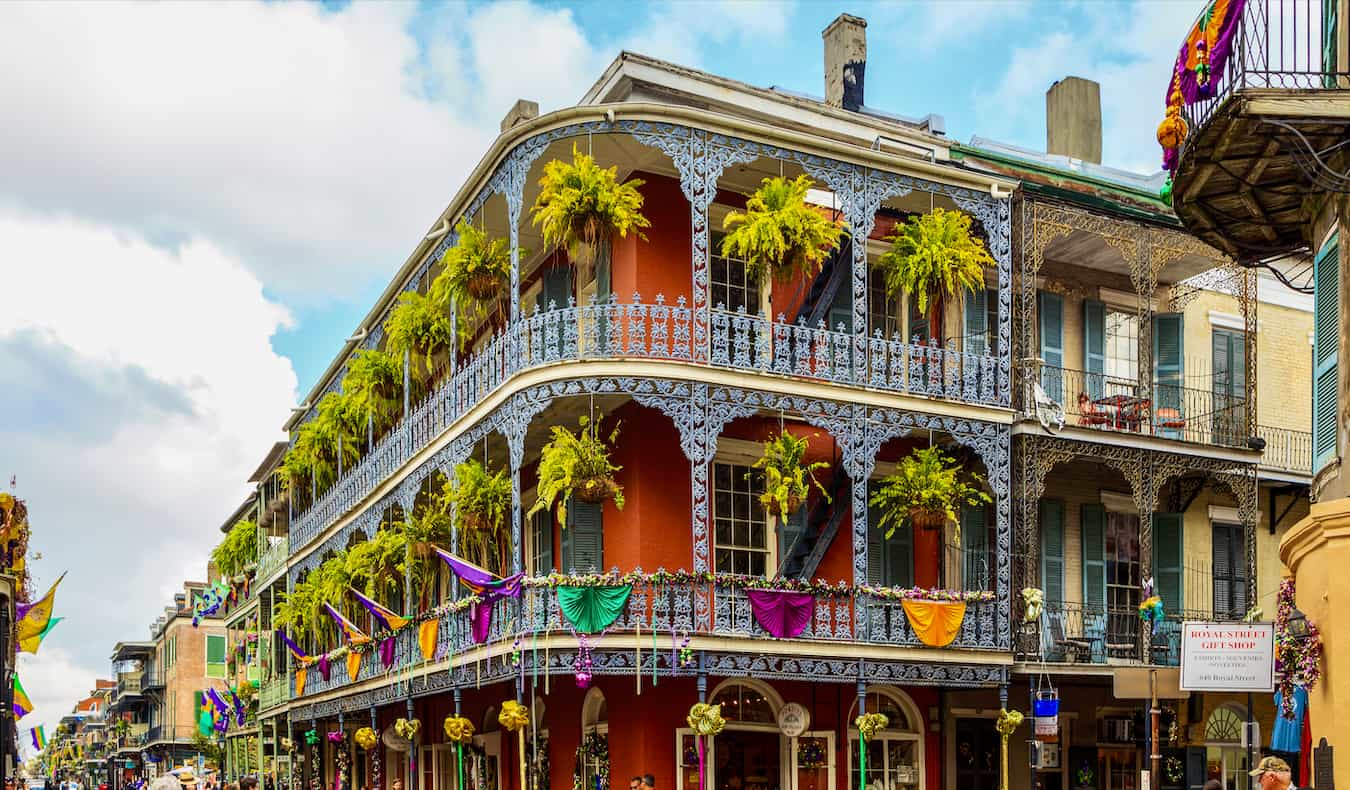
Building a Brand with Staying Power
New Orleans proves that “Brand Longevity” is about more than just staying relevant; it’s about staying true. While other cities attempt to modernize by erasing their past, New Orleans modernizes by incorporating its past. It uses its history as a springboard for the future.
For corporate brands, this means respecting your heritage while innovating. It means understanding that your “Brand DNA” is your most precious asset. If you change your identity to follow every passing trend, you risk becoming a generic commodity. If you lean into your unique quirks and “imperfections,” you create a brand that is irreplaceable.
New Orleans is a reminder that the best brands are not those that are the most polished or the most technologically advanced, but those that are the most human. In the end, the most important thing to do in New Orleans is to observe how a brand can become a culture, and how a culture can become a brand that the world cannot help but love.
aViewFromTheCave is a participant in the Amazon Services LLC Associates Program, an affiliate advertising program designed to provide a means for sites to earn advertising fees by advertising and linking to Amazon.com. Amazon, the Amazon logo, AmazonSupply, and the AmazonSupply logo are trademarks of Amazon.com, Inc. or its affiliates. As an Amazon Associate we earn affiliate commissions from qualifying purchases.