
Registering a new or used vehicle in the Show-Me State is a crucial step for any car owner. It ensures your vehicle is legally on the road and that you’re compliant with Missouri’s Department of Revenue (DOR) regulations. While the process might seem daunting, understanding the requirements and having the necessary documentation readily available can make it a smooth and efficient experience. This guide will break down everything you need to know, from the essential documents to helpful tips, all framed within the context of informed decision-making and efficient management – concepts that resonate deeply with our focus on Tech, Brand, and Money.

The Cornerstone of Compliance: Essential Documentation for Missouri Car Registration
Before you even think about heading to your local Missouri license office, it’s imperative to gather all the required paperwork. This is the foundation of a successful registration. Missing even one item can lead to a frustrating trip back home. Think of this as the upfront investment of time and effort that pays dividends in legal operation and peace of mind.
Proof of Ownership: Establishing Your Right to the Vehicle
The most critical piece of documentation you’ll need is proof of ownership. This will vary depending on whether you’re registering a brand-new vehicle, a used one purchased privately, or a used one bought from a dealership.
For New Vehicles: The Manufacturer’s Certificate of Origin (MCO)
If you’re purchasing a brand-new car, truck, or motorcycle from a licensed dealership, you’ll receive a Manufacturer’s Certificate of Origin (MCO), also known as a Manufacturer’s Statement of Origin (MSO). This document serves as the original title and proves the vehicle’s authenticity and your rightful ownership from the manufacturer. The dealership will typically handle the initial submission of this document to the state, but it’s good to understand its significance. It’s akin to the foundational blueprint for your vehicle’s identity, setting the stage for its legal journey on the road.
For Used Vehicles: The Title
When buying a used vehicle, whether from a private seller or a dealership, the previous owner’s signed title is paramount. This document officially transfers ownership from the seller to you. Ensure the title is properly signed over to you, and that all the information on it is accurate. Any discrepancies or missing signatures can cause significant delays. This is where thorough due diligence becomes a smart financial move – a clear title prevents future headaches and potential legal disputes.
- Key Information to Verify on the Title:
- Seller’s Information: Ensure the seller’s name and signature match their identification.
- Buyer’s Information: Your name and address should be accurately recorded as the new owner.
- Vehicle Identification Number (VIN): This unique 17-digit number must precisely match the VIN on the vehicle itself. It’s your vehicle’s digital fingerprint.
- Odometer Reading: The odometer reading at the time of sale must be accurately documented. This is a crucial aspect of consumer protection.
- Lienholder Information (if applicable): If the previous owner had a loan on the vehicle, ensure the lien has been satisfied and the lienholder has signed off on the title, releasing their claim.
Salvage Titles and Brands: Understanding Vehicle History
It’s important to note that if a vehicle has a salvage title or has been branded (e.g., flood, fire, rebuilt), specific additional documentation and inspection processes may be required. Missouri has specific regulations for these types of vehicles to ensure their safety and roadworthiness. Understanding vehicle history upfront, through resources like vehicle history reports (which leverage technology), can save you from unexpected complications and financial burdens down the line.
Proof of Missouri Insurance: A Non-Negotiable Requirement
Missouri law mandates that all registered vehicles must have continuous liability insurance coverage. You will need to present proof of this insurance when you register your car. This typically comes in the form of an insurance identification card or a policy declaration page.
- Minimum Coverage Requirements: Missouri requires a minimum of $25,000 of bodily injury liability per person, $50,000 of bodily injury liability per accident, and $25,000 of property damage liability per accident.
- Choosing the Right Policy: While meeting the minimum is legally required, it’s often wise to consider higher coverage limits for greater financial protection. This is where informed financial planning and understanding of insurance products come into play, aligning with our “Money” topic. Researching different providers and policies can lead to better coverage at competitive prices.
Valid Identification: Verifying Your Identity
To ensure you are who you say you are and that you are legally permitted to register a vehicle in Missouri, you’ll need to present valid government-issued identification.
- Acceptable Forms of Identification: This typically includes a valid Missouri driver’s license or identification card, a valid out-of-state driver’s license or identification card, or a valid U.S. passport.
- Proof of Residency: In some cases, you may also need to provide proof of Missouri residency, such as a utility bill, lease agreement, or bank statement with your Missouri address. This reinforces your connection to the state where you are registering your vehicle.
Missouri Safety Inspection Certificate (If Applicable)
Missouri requires vehicles to pass a safety inspection for registration purposes, though there are some exceptions.
- Vehicles Requiring Inspection: Most vehicles are subject to an annual safety inspection conducted by a licensed Missouri inspection station. This includes most passenger cars, light trucks, and motorcycles.
- Exemptions: Certain vehicles, such as those that are brand new and have never been titled, or vehicles that are more than 25 years old, may be exempt from the annual safety inspection. It’s always best to check with the Missouri DOR or your local license office for specific exemptions.
- The Inspection Process: The inspection ensures your vehicle meets minimum safety standards for brakes, lights, tires, steering, and other critical components. Passing this inspection demonstrates that your vehicle is safe for yourself and others on the road. This is a direct application of leveraging technology and processes to ensure public safety and compliance.
Emissions Inspection (For Specific Counties)
Depending on the county where you reside in Missouri, your vehicle may also need to pass an emissions inspection.
- Covered Counties: The emissions inspection program is currently in place in the seven-county St. Louis metropolitan area and in Jefferson, St. Charles, and Franklin counties.
- Purpose of Emissions Testing: This inspection ensures that your vehicle is meeting environmental standards and not contributing excessively to air pollution. This is a clear intersection of technological advancement in emissions control and regulatory compliance for public good.
- Finding Inspection Stations: You can find licensed emissions inspection stations through the Missouri DOR website or by contacting your local license office.
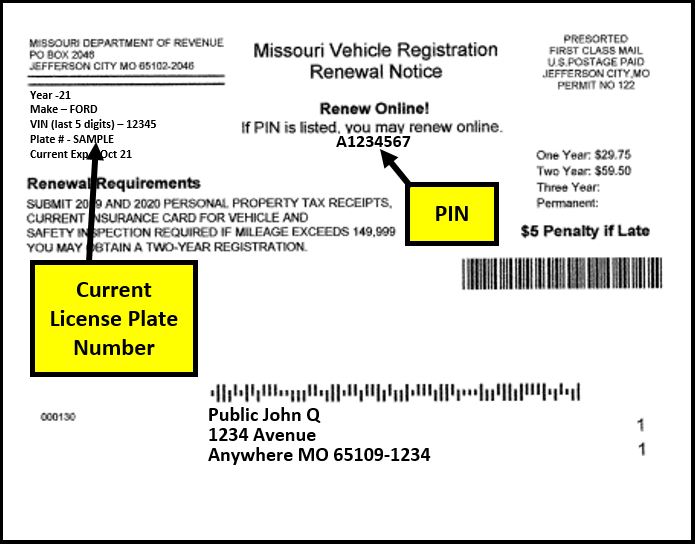
The Process of Registration: A Step-by-Step Approach
Once you have all your documents in order, the next step is to navigate the actual registration process. This typically involves visiting your local Missouri license office.
Step 1: Locate Your Nearest Missouri License Office
Missouri license offices are operated by various entities, including county sheriffs and private contractors. You can find a comprehensive list and their operating hours on the official Missouri Department of Revenue website. It’s a good idea to check the specific requirements of your local office, as some may offer appointment scheduling or have specific days for certain services. Leveraging online resources and digital tools (Tech) can help you plan your visit efficiently.
Step 2: Complete the Application for Missouri Title and License (Form 10-310)
This is the primary form you’ll need to fill out at the license office. It requests detailed information about you, the vehicle, and the transaction (e.g., purchase price, trade-in information). Be prepared to provide accurate information to avoid any errors that could delay your registration. Accuracy here is key, much like ensuring data integrity in any technological system.
Step 3: Present Your Documentation
At the license office, you will present all the gathered documents: proof of ownership (title or MCO), proof of insurance, valid identification, safety inspection certificate (if required), and emissions inspection certificate (if required). The licensing agent will review your paperwork to ensure it meets all state requirements.
Step 4: Pay Applicable Fees and Taxes
Registering a vehicle in Missouri involves several fees and taxes. These can include:
- Title Fee: A fee for processing the new title.
- License Plate Fee: The cost of your vehicle’s license plates.
- Registration Fee: An annual fee for registering your vehicle.
- Sales Tax: You will typically need to pay Missouri sales tax on the purchase price of the vehicle. This is based on the greater of the actual purchase price or the average retail value as determined by the DOR. If you purchased the vehicle from a private party, you will likely pay this at the license office. If you purchased from a dealer, sales tax is usually collected at the point of sale. This is a significant financial component, underscoring the importance of the “Money” aspect of our discussion.
- Other Fees: There may be additional small fees depending on your county of residence or specific circumstances.
The total amount due will vary based on the vehicle’s age, type, purchase price, and your local tax rates. Having a budget in mind and understanding these potential costs beforehand can prevent financial surprises.
Step 5: Receive Your New License Plates and Registration
Once your application is approved, your documentation is verified, and all fees and taxes are paid, you will be issued your new Missouri license plates and registration certificate. Your new title will be mailed to you separately within a few weeks. Keep your registration certificate in your vehicle at all times, as it’s proof that your car is legally registered.
Leveraging Technology and Smart Strategies for a Seamless Experience
In today’s digital age, there are ways to make the car registration process even more efficient and informed. Understanding these tools and strategies can save you time and potentially money.
Utilizing Online Resources and Digital Tools
The Missouri Department of Revenue’s website is an invaluable resource. It provides comprehensive information on registration requirements, forms, fees, and a locator tool for license offices. Many of these resources are accessible 24/7, allowing you to prepare at your own pace. Some tasks, like renewing your registration, may even be possible online in the future, further streamlining the process. Embracing these technological advancements can significantly enhance your “Productivity” in managing your responsibilities.
Understanding Vehicle History Reports and Their Value
When purchasing a used vehicle, a vehicle history report (e.g., Carfax, AutoCheck) is a powerful tool. These reports, powered by data aggregation technology, can reveal a vehicle’s accident history, title issues, odometer discrepancies, and previous ownership. While not a substitute for a physical inspection, they provide crucial insights and can help you avoid purchasing a vehicle with hidden problems, aligning with smart financial decisions and brand reputation management for the vehicle itself.
Budgeting and Financial Planning for Registration Costs
As highlighted earlier, registration involves significant financial outlays. Before you even begin the process, it’s wise to research the estimated costs. Websites and resources dedicated to personal finance can offer guidance on budgeting for large purchases like a vehicle, including the associated registration and tax expenses. Understanding the financial implications upfront allows for better planning and avoids financial strain.
Maintaining Your Vehicle for Inspection Compliance
Proactive vehicle maintenance is not just about safety and longevity; it’s also about ensuring you pass your annual safety and emissions inspections. Regularly checking your brakes, lights, tires, and fluid levels can prevent costly last-minute repairs and ensure you meet compliance standards. This preventative approach aligns with a responsible financial strategy and contributes to maintaining the “brand” of your vehicle as reliable and well-maintained.

Conclusion: Drive with Confidence and Compliance
Registering your car in Missouri is a necessary step to ensure you can legally and safely operate your vehicle. By meticulously gathering your proof of ownership, insurance, identification, and inspection certificates, and by understanding the process at your local license office, you can navigate this requirement with confidence. Remember to leverage the available online resources and to budget for the associated fees and taxes. A well-prepared and informed approach not only makes the registration process smoother but also sets the foundation for responsible vehicle ownership, ensuring you can enjoy your time on Missouri’s roads without unnecessary worries. This systematic approach, informed by technology, sound financial planning, and a commitment to compliance, is the hallmark of smart and efficient vehicle management.
aViewFromTheCave is a participant in the Amazon Services LLC Associates Program, an affiliate advertising program designed to provide a means for sites to earn advertising fees by advertising and linking to Amazon.com. Amazon, the Amazon logo, AmazonSupply, and the AmazonSupply logo are trademarks of Amazon.com, Inc. or its affiliates. As an Amazon Associate we earn affiliate commissions from qualifying purchases.