
In today’s dynamic landscape, securing funding is a critical element for innovation, growth, and impact. Whether it’s a groundbreaking tech startup seeking seed capital, a non-profit aiming to expand its reach, or an established business looking to invest in new research, the pursuit of grants is a common thread. But the journey to grant funding is often complex and competitive. This is where grant writers come in – professionals who act as bridges between ambitious ideas and the financial resources that can bring them to life. But what exactly do grant writers do? Beyond simply filling out forms, their role is multifaceted, requiring a blend of strategic thinking, persuasive communication, and a deep understanding of the diverse sectors they serve, including technology, branding, and finance.
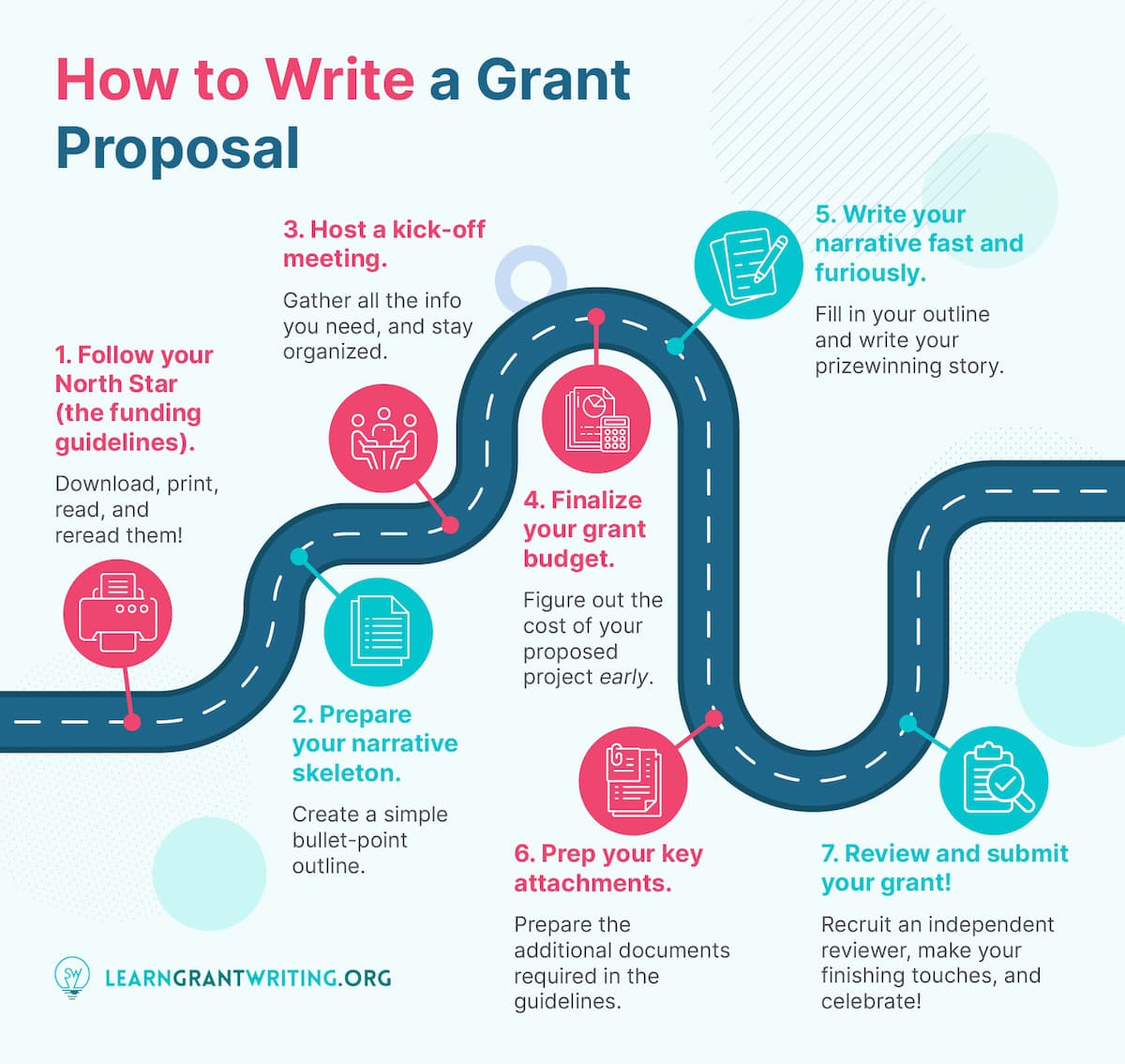
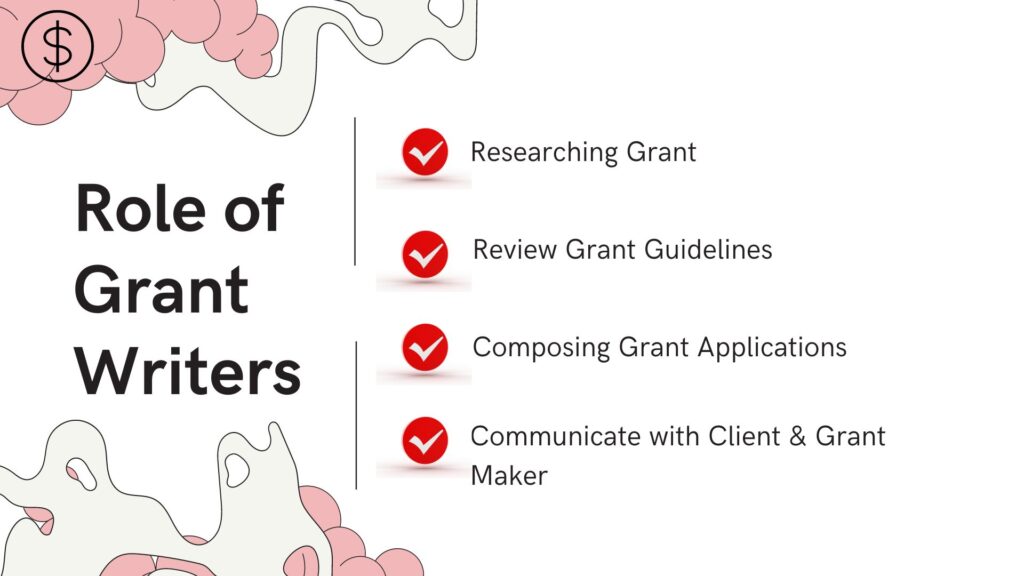
The core function of a grant writer is to craft compelling proposals that articulate a project’s value proposition, its feasibility, and its potential impact to funding organizations. This involves meticulous research, strategic planning, and masterful storytelling. They are not just wordsmiths; they are researchers, project managers, and advocates, all rolled into one. Their work directly influences the success of ventures across the spectrum, from the bleeding edge of AI development to the nuanced strategies of personal branding and the intricate world of business finance.
The Art and Science of Persuasion: Crafting Compelling Grant Proposals
At its heart, grant writing is a sophisticated form of persuasion. Grant writers must understand their client’s vision and translate it into language that resonates with the specific priorities and goals of a grant-making organization. This is a delicate dance, requiring both an understanding of the client’s aspirations and a thorough grasp of the funder’s mission.
Deconstructing the Request for Proposals (RFP)
Every grant opportunity begins with an RFP, a document that outlines the funder’s requirements, objectives, and evaluation criteria. For a grant writer, this document is akin to a blueprint. They meticulously dissect the RFP to identify key themes, eligibility requirements, funding priorities, and the specific information the funder is seeking. This involves understanding the nuances of the funder’s language and aligning the proposal’s narrative to their strategic interests. For instance, a tech company seeking funding for a new AI application might need to emphasize how their technology addresses a societal challenge that aligns with a foundation’s philanthropic goals, rather than solely focusing on its technical superiority.
Storytelling with Data and Vision
A successful grant proposal isn’t just a dry recitation of facts; it’s a compelling narrative. Grant writers weave together the client’s vision, the project’s objectives, a clear plan of action, and projected outcomes into a cohesive and persuasive story. This storytelling element is crucial, especially when dealing with innovative technology projects or ambitious brand development initiatives. They must illustrate not only what the project is but why it matters and what impact it will have. This often involves translating complex technical jargon into accessible language for a broader audience or articulating the intangible benefits of a strong personal brand strategy in quantifiable terms.
Budgeting with Precision and Purpose
While the narrative is vital, the financial aspect of a grant proposal is equally critical. Grant writers work closely with clients to develop detailed and realistic budgets that accurately reflect the project’s needs. This requires an understanding of various cost categories, from research and development in tech to marketing and design expenses in branding, and operational costs in business finance. They must justify every line item, demonstrating that the requested funds are necessary and will be used efficiently and effectively to achieve the stated objectives. This often involves collaborating with financial experts or understanding the financial implications of different technological advancements or marketing campaigns.
Bridging Sectors: Grant Writing Across Tech, Brand, and Money
The principles of grant writing remain consistent, but their application adapts to the unique demands of each sector. Grant writers who specialize or have a broad understanding of these domains can offer invaluable expertise.
Fueling Innovation in Technology
The technology sector is characterized by rapid advancement and a constant need for capital to drive research, development, and market penetration. Grant writers play a crucial role in helping tech companies, research institutions, and innovative projects secure funding from government agencies, private foundations, and venture philanthropists.
From Concept to Commercialization: Funding the Tech Pipeline
For a startup developing cutting-edge AI tools, a grant proposal might need to articulate the scientific rigor behind their algorithms, the potential market impact of their software, and the scalability of their business model. Grant writers will research grants from organizations focused on technological innovation, national security, or specific scientific disciplines. They will help the company define clear milestones, demonstrate a strong R&D team, and present a compelling case for why their technology deserves investment. This might involve translating complex technical specifications into benefits that a non-technical reviewer can understand, such as improved efficiency, cost savings, or novel solutions to existing problems.
Digital Security and Productivity: Securing the Future
In the realm of digital security and productivity apps, grant writers can help secure funding for projects aimed at enhancing cybersecurity infrastructure, developing educational tools for digital literacy, or creating innovative software that streamlines business operations. Proposals might need to highlight the societal impact of improved security or the economic benefits of increased productivity, aligning with grants focused on public good or economic development.
Building and Enhancing Brands: Grants for Identity and Impact
The concept of “brand” extends far beyond logos and taglines. It encompasses a company’s reputation, its market positioning, its customer loyalty, and its overall identity. Grant writers can help individuals and organizations leverage funding for initiatives that build, strengthen, or revitalize their brands.
Strategic Brand Development and Marketing Initiatives
For a company embarking on a significant brand strategy overhaul or a new marketing campaign, grant writers can explore opportunities for funding from economic development agencies, industry associations, or foundations focused on supporting small businesses or specific sectors. The proposal would need to clearly articulate the rationale behind the branding strategy, the expected return on investment, and how the initiative will contribute to market growth or community engagement. This might involve showcasing case studies of successful brand transformations or demonstrating a deep understanding of market trends and consumer behavior.
Personal Branding for Professionals and Entrepreneurs
Even individuals can benefit from grant funding for personal branding initiatives, particularly in fields that rely heavily on reputation and networking. Think of artists seeking grants to fund the development of their portfolio and online presence, or entrepreneurs looking for resources to attend leadership training and conferences that will elevate their professional profile. Grant writers can help craft proposals that highlight the individual’s expertise, their vision, and how the grant will enable them to achieve greater impact, whether through publications, public speaking, or community leadership.
Navigating the Financial Landscape: Grants for Business and Personal Finance
The “Money” aspect is a broad category encompassing both personal and business finance. Grant writers can be instrumental in securing funding for a diverse range of financial objectives.
Business Finance: Growth, Research, and Development
For businesses, grants are a vital source of capital for expansion, research and development, and innovative projects that might not be immediately profitable but hold long-term potential. Grant writers work with businesses to identify relevant grant programs from government bodies, industry-specific organizations, and private foundations. A proposal for business finance might focus on the economic impact of job creation, the development of new technologies that boost competitiveness, or the implementation of sustainable business practices. For example, a company developing advanced financial tools could seek grants to support their research into novel algorithmic trading strategies or the development of user-friendly budgeting apps for small businesses.
Personal Finance and Entrepreneurial Ventures: Seed Funding and Beyond
On the personal finance front, grant writers can assist aspiring entrepreneurs in securing seed funding for their startups or individuals looking for grants to support educational pursuits that will enhance their earning potential. This could involve applications for small business grants, grants for specific training programs, or even grants that support community-based economic development initiatives. The emphasis here is on demonstrating the viability of the entrepreneurial idea, the individual’s capacity to execute it, and the potential for positive economic or social outcomes.
The Evolving Role of the Grant Writer in a Digital Age
The digital revolution has profoundly impacted the grant writing profession, introducing new tools and expanding the scope of opportunities.
Leveraging AI and Digital Tools for Enhanced Efficiency
Artificial intelligence and various digital tools are transforming how grant writers operate. AI-powered research platforms can quickly sift through vast databases of grant opportunities, identify relevant funders, and even assist in drafting initial proposal sections. Project management software helps grant writers stay organized, track deadlines, and collaborate effectively with clients. The ability to analyze data through sophisticated software is also becoming increasingly important, enabling grant writers to present more robust evidence for their clients’ claims. For instance, a tech company seeking funding for an AI-driven productivity tool might use data analytics to demonstrate the projected time savings for users, which a grant writer can then integrate into a persuasive proposal.
The Importance of Digital Literacy and Online Presence
In today’s interconnected world, a strong online presence is paramount for both clients and grant writers. Grant writers often need to help clients develop compelling online portfolios, professional websites, and social media strategies that showcase their work and amplify their message. They also need to be adept at navigating online grant portals and understanding the digital requirements of various funding applications. A strong personal brand for a grant writer themselves, showcasing their expertise and success stories, can also be a significant advantage in attracting clients.

Conclusion: The Indispensable Advocate for Vision and Funding
In essence, grant writers are more than just writers; they are strategic partners who empower individuals and organizations to achieve their goals by securing vital funding. Their expertise spans research, analysis, persuasive writing, project management, and an understanding of the intricate landscapes of technology, branding, and finance. In a world where innovation and impact are increasingly reliant on external financial support, the skills of a grant writer are not just valuable – they are indispensable. They are the architects of opportunity, transforming ambitious visions into funded realities across the diverse and ever-evolving sectors that shape our future.
aViewFromTheCave is a participant in the Amazon Services LLC Associates Program, an affiliate advertising program designed to provide a means for sites to earn advertising fees by advertising and linking to Amazon.com. Amazon, the Amazon logo, AmazonSupply, and the AmazonSupply logo are trademarks of Amazon.com, Inc. or its affiliates. As an Amazon Associate we earn affiliate commissions from qualifying purchases.