
The roar of jet engines, the impossibly close formations, and the breathtaking aerial acrobatics of the U.S. Navy Flight Demonstration Squadron, famously known as the Blue Angels, captivate millions each year. More than just a dazzling airshow, their performances are a masterclass in precision, teamwork, and the cutting edge of aviation technology, serving as a powerful testament to naval aviation prowess. The enduring question, “What do Blue Angels fly?” goes beyond a simple aircraft identification; it opens a window into the advanced engineering, rigorous training, strategic branding, and significant financial investment that underpins their iconic displays.
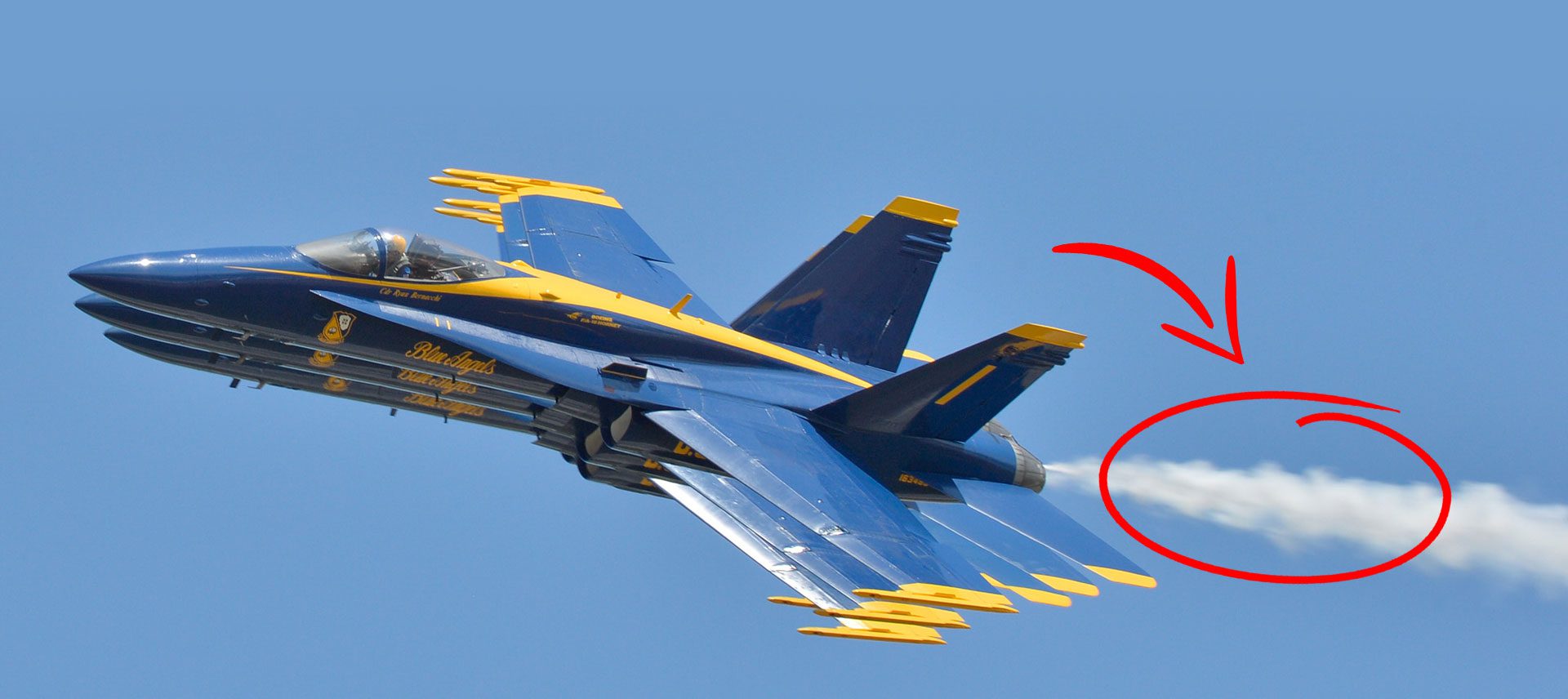
At the heart of their performance fleet are the F/A-18 Super Hornets, an aircraft that embodies the zenith of modern military aviation. These jets are not merely tools; they are complex ecosystems of hardware and software, maintained by a dedicated team whose expertise reflects the forefront of technical skill. Beyond the raw power and agility of these machines, the Blue Angels operate as a meticulously crafted brand, inspiring future generations and projecting the image of American naval air superiority globally. Furthermore, the entire operation represents a substantial financial commitment, a strategic investment in defense, technology, and public engagement that yields returns far beyond the spectacle of an airshow.
The Iconic Aircraft: F/A-18 Super Hornet and its Support
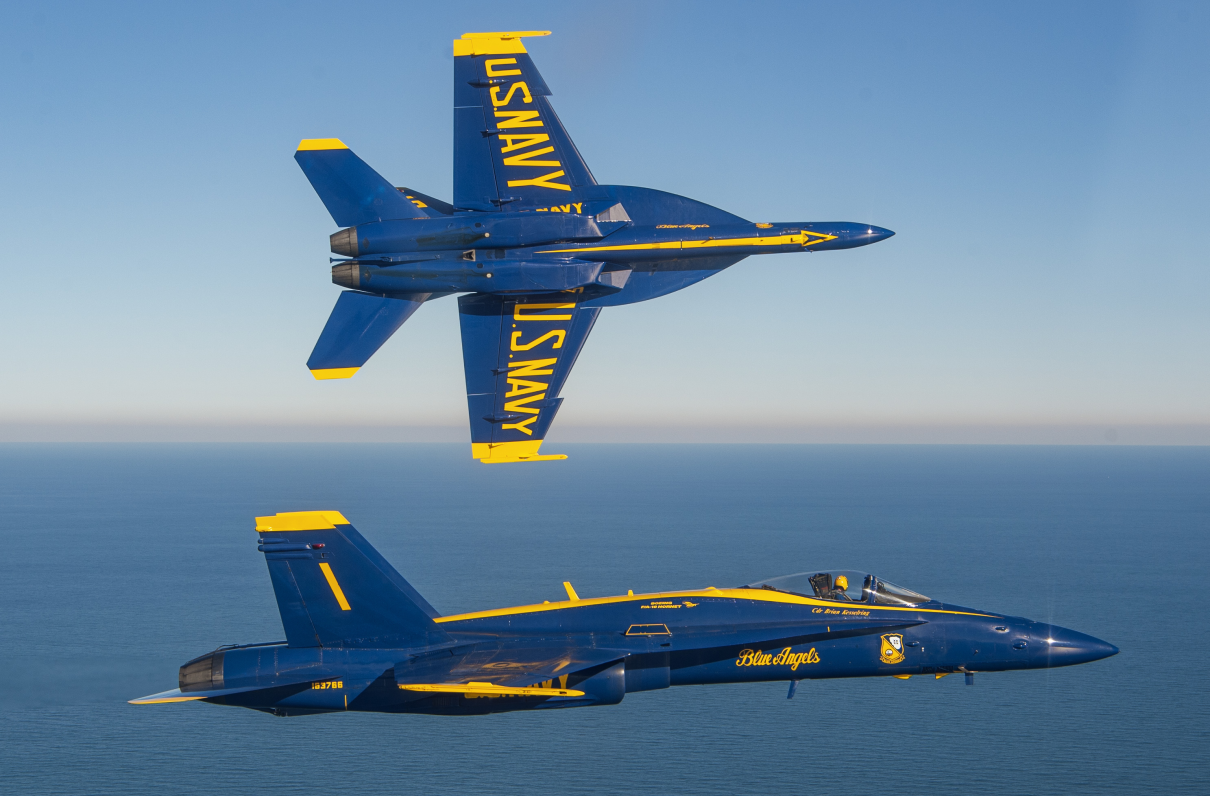
The visual spectacle of the Blue Angels is intrinsically linked to the machines they pilot. For decades, the F/A-18 Hornet was their steed, but as of 2021, the team transitioned to its more advanced successor: the F/A-18 Super Hornet. This upgrade wasn’t just a cosmetic change; it represented a significant leap in aviation technology, performance, and capability, aligning the squadron with the most modern naval aircraft in service.
From Legacy Hornet to Super Hornet: A Technological Leap
The transition from the F/A-18C/D Hornet to the F/A-18E/F Super Hornet brought with it a host of technological advancements that are central to the Blue Angels’ current capabilities. The Super Hornet is physically larger and heavier, but it benefits from more powerful General Electric F414 engines, providing greater thrust and extended range. This increased power isn’t just for speed; it allows for more dynamic maneuvers and tighter turns at various airspeeds, crucial for the close-formation flying that defines the Blue Angels.
From a Tech perspective, the Super Hornet boasts significantly upgraded avionics. Its advanced cockpit features larger, full-color multifunction displays, improved radar systems, and enhanced data fusion capabilities. These systems integrate vast amounts of information from multiple sensors, presenting pilots with a clearer, more comprehensive picture of their environment. The fly-by-wire flight control system, managed by sophisticated software, provides unprecedented stability and agility, allowing the pilots to push the aircraft to its limits while maintaining precise control. The software that runs these systems is constantly refined, reflecting ongoing developments in aerospace engineering and digital solutions, much like the continuous updates seen in consumer apps and enterprise software. Moreover, given the sensitive nature of military technology, robust digital security measures are embedded into every layer of the aircraft’s operating systems, protecting against cyber threats and ensuring operational integrity.
Engineering Precision and Performance
The F/A-18 Super Hornet is a marvel of engineering precision, designed to withstand the extreme stresses of carrier operations and aerial combat, translated into the equally demanding environment of aerobatic displays. Its aerodynamic design, incorporating elements like enlarged wings and redesigned engine inlets, optimizes lift and reduces drag, contributing to its exceptional maneuverability. The use of advanced composite materials in its construction contributes to its strength-to-weight ratio, a critical factor for performance.
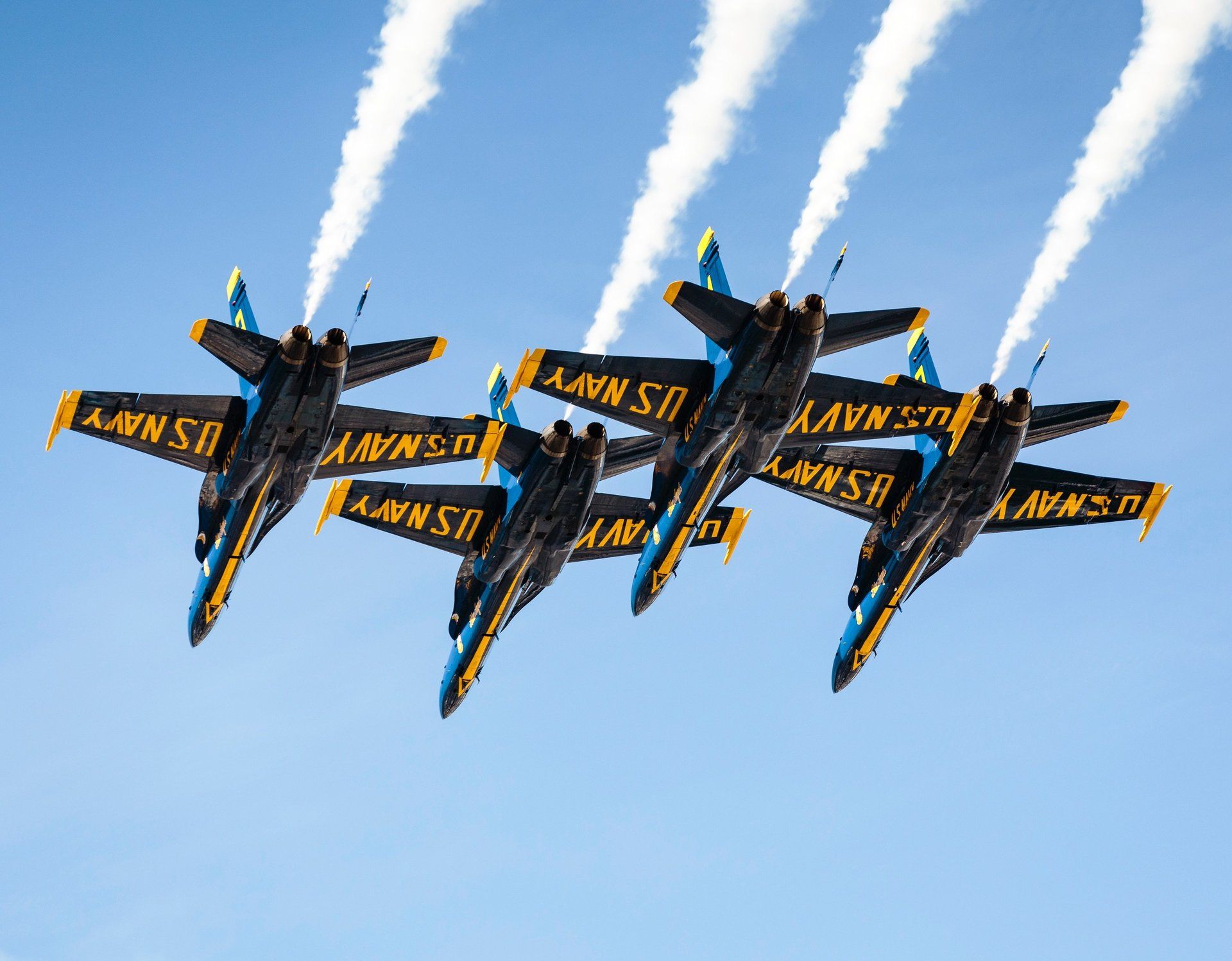
The development of such an aircraft involves state-of-the-art AI tools for aerodynamic modeling, CAD/CAM software for design and manufacturing, and extensive simulation tools that predict performance under various conditions. These tools allow engineers to optimize every aspect of the aircraft, from the shape of a wing to the flow of air over its surfaces, ensuring peak performance and reliability. For the Blue Angels, this translates into an aircraft capable of the tightest turns, fastest passes, and most dramatic ascents, all performed with a consistency that speaks volumes about its inherent design and the rigorous standards of its manufacturing. The aircraft’s inherent stability and responsive controls are paramount, directly contributing to the team’s ability to maintain incredibly close formations, often just 18 inches apart, at speeds nearing 400 miles per hour.
The “Fat Albert” C-130J Super Hercules: Logistics and Support
While the F/A-18 Super Hornets capture the limelight, the logistical backbone of the Blue Angels is the C-130J Super Hercules, affectionately known as “Fat Albert.” This turboprop military transport aircraft is essential for moving the team’s equipment, spare parts, and personnel between show sites. While not a jet fighter, the C-130J is itself a testament to modern tech and efficiency in its class.
The C-130J represents a significant upgrade from its legacy C-130 counterparts, featuring new Rolls-Royce AE 2100D3 engines with six-bladed composite propellers, advanced avionics, and a modernized flight deck with a head-up display. These improvements enhance its performance, fuel efficiency, and reduce crew workload, making it a more productive and reliable workhorse. The maintenance of “Fat Albert” also relies on sophisticated digital security protocols and productivity tools to manage its complex systems and ensure operational readiness, illustrating that advanced technology isn’t exclusive to fighter jets but permeates all aspects of modern military operations. Its role underscores the importance of a robust support infrastructure for any high-performance operation, whether it’s a flight squadron or a tech startup.
Beyond the Cockpit: The Technology Behind the Precision
The Blue Angels’ performances are not solely a tribute to piloting skill; they are equally a demonstration of the sophisticated technologies that enable such precision. From the avionics inside the jets to the training tools used on the ground, technology is an inseparable partner in their pursuit of excellence.
Advanced Avionics and Flight Control Systems
Modern fighter jets like the Super Hornet are essentially flying computers. Their advanced avionics integrate navigation, communication, sensor data, and weapon systems into a cohesive whole, providing the pilots with an unparalleled level of situational awareness. Key to this is the fly-by-wire (FBW) flight control system, where pilot inputs are translated into electrical signals, which are then processed by computers before being sent to the control surfaces (like ailerons and rudders). This system is far more responsive and precise than traditional mechanical linkages, allowing for extreme maneuvers while keeping the aircraft within its safe operational envelope.
The continuous evolution of these systems involves sophisticated software development, requiring expertise in real-time operating systems, sensor fusion, and robust fault tolerance. Future iterations could increasingly incorporate AI tools for predictive analytics, optimizing performance based on environmental conditions or even assisting pilots during high-stress scenarios. The data generated during each flight is analyzed using data analytics tools, providing insights into aircraft performance and pilot technique, which are crucial for refining maneuvers and enhancing safety. This constant feedback loop mirrors the iteration and improvement cycles seen in cutting-edge gadgets and software development.
Training Simulators and Software Solutions
Before a pilot ever steps into a Super Hornet, they spend countless hours in advanced flight simulators. These simulators are highly sophisticated pieces of tech, often built with precise digital twins of the actual aircraft, replicating the cockpit environment, flight dynamics, and visual cues with incredible accuracy. Powered by complex software solutions, these tools allow pilots to practice intricate maneuvers, emergency procedures, and formation flying without the risks or costs associated with live flight.
The development and maintenance of these simulators represent a significant investment in technology trends. They leverage high-fidelity graphics, virtual reality (VR) and augmented reality (AR) components, and haptic feedback systems to create immersive training experiences. These tools are invaluable for developing muscle memory, decision-making skills, and the synchronized teamwork required for Blue Angels performances. Furthermore, the ground crew also utilizes various productivity apps and specialized software for maintenance scheduling, diagnostics, and inventory management, ensuring that both the human and mechanical components of the squadron are always at peak performance.
Maintenance and Digital Security in Aviation
Maintaining a fleet of high-performance military jets requires an equally high-tech approach. The Blue Angels’ maintenance crew utilizes advanced diagnostic gadgets and software to monitor aircraft health, predict potential failures, and ensure every component is functioning flawlessly. This includes sensor-based predictive maintenance systems that track wear and tear, identify anomalies, and schedule proactive repairs, minimizing downtime and maximizing safety. The vast amounts of data collected from these sensors, often leveraging IoT (Internet of Things) principles, are processed and analyzed to inform maintenance decisions, reflecting similar technology trends in industrial sectors.
Crucially, digital security is paramount across the entire operation. From protecting the sensitive flight software against cyber intrusions to securing communication networks and managing personnel data, every aspect of the Blue Angels’ tech infrastructure is safeguarded. The integrity of the aircraft’s systems, the confidentiality of mission data, and the reliability of communication are all dependent on robust cybersecurity protocols, reflecting the critical importance of digital defense in modern military and commercial contexts.
The Blue Angels’ Brand: A Symphony of Excellence and Inspiration
The Blue Angels are more than just a flight demonstration team; they are a powerful brand that embodies excellence, precision, and national pride. Their iconic blue and yellow livery, their synchronized maneuvers, and their commitment to community engagement all contribute to a meticulously crafted corporate identity and reputation that resonates globally.
Crafting a World-Renowned Brand Image
The brand strategy of the Blue Angels is built on a foundation of perfection and inspiration. Every aspect of their public presentation, from the polished appearance of their jets to the disciplined conduct of their personnel, reinforces an image of unparalleled professionalism. The distinctive blue and yellow color scheme, designed for maximum visibility against the sky, serves as a powerful visual cue, instantly recognizable worldwide. This deliberate design choice, combined with the team’s consistent high performance, has cultivated an emotional connection with audiences, fostering admiration and trust.
Their personal branding as individual pilots and crew members also plays a vital role. Each member embodies the values of the U.S. Navy and Marine Corps, acting as ambassadors and role models. This collective and individual commitment to excellence forms the bedrock of their reputation, ensuring that every interaction, whether at an airshow or in a community outreach event, reinforces a positive and inspiring message. Their performances are effectively case studies in non-verbal communication and brand reinforcement, demonstrating trust, discipline, and audacious skill.
Marketing the Mission: Outreach and Public Relations
The Blue Angels are masters of marketing and public relations. Their airshows are grand spectacles, but they are also carefully orchestrated events designed to engage the public, generate enthusiasm for naval aviation, and inspire young people to pursue careers in STEM (Science, Technology, Engineering, and Mathematics) fields. Through extensive community engagement programs, school visits, and interactions at airshows, the team directly connects with millions of people annually.
Their use of modern communication channels, including social media marketing, allows them to extend their reach beyond physical events, sharing behind-the-scenes glimpses and educational content. This strategic marketing effort isn’t just about entertainment; it’s about recruitment, public education, and strengthening the bond between the military and the civilian population. Their consistently positive public image and widespread adoration are powerful tools in shaping public perception and attracting top talent to the armed forces. Their success offers valuable insights for any organization seeking to build a strong, recognizable, and beloved brand.
Investing in Tomorrow: Attracting Talent and Future Innovation
The Blue Angels’ brand extends beyond current public perception; it’s an investment in the future. By showcasing the pinnacle of aviation skill and technology, they indirectly promote careers in the Navy and Marine Corps, particularly in highly technical and demanding roles. This brand strategy acts as a powerful recruitment tool, attracting individuals who are drawn to precision, challenge, and cutting-edge technology.
The inspiration they provide to young people interested in STEM fields has a long-term impact on national innovation. By demonstrating the real-world application of physics, engineering, and teamwork, they plant seeds that can lead to future scientists, engineers, and aviators. This is an indirect but significant contribution to the nation’s human capital, fueling the pipeline for future technological advancements and ensuring continued leadership in aerospace and defense. This demonstrates how a strong brand can contribute to broader societal goals and long-term strategic investing in a nation’s future workforce.
The Economics of Excellence: Funding, Value, and STEM Investment
Behind the precision and the powerful brand lies a significant financial framework. Operating an elite flight demonstration squadron with advanced military aircraft involves substantial costs, representing a strategic financial investment by the U.S. government. Understanding the economics of the Blue Angels reveals not just the expense, but also the various forms of value they generate.
Funding the Fleet: Government Budgets and Resources
The operation of the Blue Angels is funded through the U.S. Navy’s annual budget, making it a line item in national defense spending. This encompasses the procurement of aircraft, which, in the case of the F/A-18 Super Hornet, costs tens of millions of dollars per unit, even if the team typically receives older, well-maintained airframes from the fleet. Beyond the initial acquisition, there are immense ongoing costs: jet fuel, maintenance (parts, specialized tools, and personnel salaries), insurance, logistical support (like “Fat Albert” and its operations), travel expenses, and administrative overhead.
Managing these resources requires sophisticated business finance principles, involving careful budgeting, resource allocation, and cost-benefit analysis. The Navy, like any large organization, employs advanced financial tools and enterprise resource planning (ERP) software to track expenditures, manage supply chains, and ensure fiscal responsibility. While the direct ROI (return on investment) of an airshow is difficult to quantify in purely financial terms, the expenditure is justified through its contributions to recruitment, public relations, and national morale, all of which have strategic value.
The Economic Impact of Airshows and Recruitment
While the Blue Angels themselves are a government-funded entity, their presence generates considerable economic activity. Airshows attract hundreds of thousands, sometimes millions, of spectators, leading to significant boosts in local economies. This includes increased revenue for hotels, restaurants, transportation services, and local businesses in the host cities. This tourism-driven economic impact is a tangible benefit, often factored into the decision-making process for hosting such events.
Furthermore, the Blue Angels’ recruitment mission has a long-term economic impact. By inspiring individuals to join the Navy and Marine Corps, they contribute to a highly trained and skilled workforce. These individuals, whether pilots, engineers, or technicians, represent a substantial investment in human capital. Their service contributes to national security and, upon completion of their military careers, they often transition into the civilian workforce, bringing valuable skills, discipline, and leadership that benefit the broader economy. This long-term return on investment extends to areas like personal finance for recruits, who gain stable employment, benefits, and educational opportunities.
Investing in Human Capital: The Pilots and Support Crew
Perhaps the most valuable investment associated with the Blue Angels is in its human capital. The pilots are among the best in the Navy and Marine Corps, selected through a rigorous process and possessing thousands of hours of flight experience. Their selection for the Blue Angels is a testament to their exceptional skill, discipline, and leadership qualities. The training they undergo, both before and during their tenure with the team, is incredibly intensive and represents a significant financial investment in their development.
The maintenance crew, public affairs specialists, and support staff are equally crucial. These individuals are highly skilled technicians, logistics experts, and communication professionals, whose expertise is critical to the team’s success. Their ongoing training, access to advanced tech and financial tools, and career development opportunities are all part of the Navy’s broader investment in its personnel. This focus on productivity, skill development, and well-being for all members reflects a holistic approach to managing a high-performance organization, understanding that the best gadgets and software are only as good as the people who operate and maintain them.
In conclusion, the answer to “What do Blue Angels fly?” is multifaceted. They fly the F/A-18 Super Hornet and the C-130J Super Hercules, machines that represent the pinnacle of modern aviation technology. But they also “fly” a powerful brand of national pride and technical excellence, meticulously crafted and strategically marketed. And underpinning it all is a substantial financial investment by the nation, designed to inspire, recruit, and ultimately secure a future built on innovation and skilled human capital. Their breathtaking performances are a vivid illustration of how cutting-edge technology, strategic branding, and sound financial management converge to create an unparalleled demonstration of American ingenuity and precision.
aViewFromTheCave is a participant in the Amazon Services LLC Associates Program, an affiliate advertising program designed to provide a means for sites to earn advertising fees by advertising and linking to Amazon.com. Amazon, the Amazon logo, AmazonSupply, and the AmazonSupply logo are trademarks of Amazon.com, Inc. or its affiliates. As an Amazon Associate we earn affiliate commissions from qualifying purchases.