
The phrase “animal control” often conjures images of officers with nets, rounding up stray dogs or dealing with a raccoon in a trash can. While these tasks are certainly part of their daily routine, the reality of what animal control agencies do is far more expansive, complex, and increasingly intertwined with modern technology, strategic branding, and intricate financial management. In an era defined by digital transformation and heightened public scrutiny, these essential public services are evolving, becoming sophisticated organizations that leverage cutting-edge tools and deliberate communication strategies to fulfill their multifaceted mission. Far from a simple reactive service, animal control today operates at the intersection of public safety, animal welfare, community engagement, and resource optimization, demanding a holistic approach that mirrors the challenges faced by any modern enterprise.
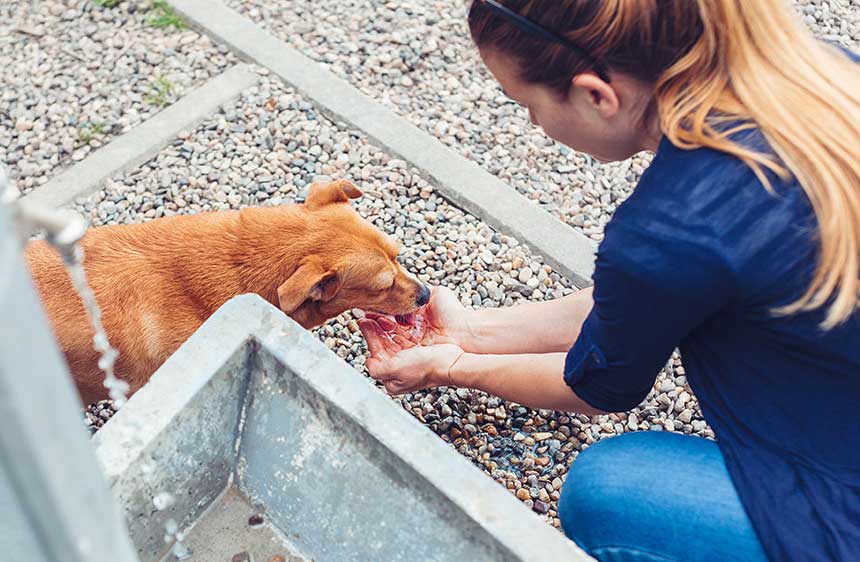
The Core Mission: Guardians of Public Safety and Animal Welfare
At its heart, animal control exists to serve two primary, often overlapping, objectives: ensuring public safety and promoting animal welfare. This dual mandate requires a delicate balance of enforcement, compassion, and community education, all while navigating the unpredictable nature of working with both animals and the people who own or encounter them.
Responding to Emergencies and Protecting Communities
One of the most visible and critical roles of animal control is its emergency response capacity. This includes responding to reports of dangerous or aggressive animals, such as dogs at large that pose a threat to people or other pets, or wildlife that has ventured into urban areas and become a nuisance or danger. Officers are trained to safely capture and contain animals, minimizing risk to both the animal and the public. This also extends to managing bite cases, ensuring proper quarantines, and investigating potential rabies exposure, all vital public health functions. Beyond immediate threats, animal control also plays a significant role in managing stray populations, which can impact traffic safety, spread disease, and cause property damage. Their presence acts as a crucial safety net, providing a rapid and professional response when animal-related incidents escalate.
Upholding Animal Welfare and Legal Standards
Beyond public safety, animal control agencies are often the front line in protecting animals from neglect, abuse, and cruelty. This involves investigating complaints of animal cruelty, hoarding, or neglect, which can range from inadequate shelter and food to severe physical abuse. These investigations often require meticulous evidence collection, collaboration with law enforcement, and a deep understanding of animal behavior and local ordinances. Furthermore, animal control is responsible for enforcing a wide range of municipal and county animal laws, including licensing requirements, leash laws, vaccination mandates, and regulations concerning pet limits or specific breeds. They issue citations, educate owners on responsible pet ownership, and, when necessary, facilitate the seizure of animals from unsafe environments. These regulatory functions are crucial for maintaining order, preventing outbreaks of disease, and ensuring a baseline standard of care for animals within the community.
The Tech Revolution in Animal Control Operations
Just like any other sector, animal control has been significantly impacted by the relentless march of technology. From streamlining internal processes to enhancing public interaction and improving animal outcomes, digital tools and innovations are reshaping how these agencies operate, making them more efficient, responsive, and data-driven. The “Tech” pillar of our modern world is no longer an optional extra but a foundational component for effective animal services.
Streamlining Field Operations with Software and Gadgets
Modern animal control agencies rely heavily on specialized software for dispatch, case management, and record-keeping. Field officers are often equipped with mobile devices running apps that allow them to receive dispatch calls, log incident details, take photos, issue citations, and update animal records in real-time. GPS tracking integrated into these systems helps optimize routes, reduce response times, and monitor officer safety. Furthermore, comprehensive database systems are indispensable for managing vast amounts of information: animal impoundment records, owner details, licensing histories, vaccination statuses, and even behavioral assessments. This data integration allows agencies to identify repeat offenders, track animal populations, and provide historical context for ongoing cases.
Beyond software, physical gadgets play a critical role. Microchip scanners are standard equipment, allowing officers to quickly identify lost pets and reunite them with their owners. Thermal imaging cameras can assist in locating animals in dark or hard-to-reach areas. In some advanced scenarios, drone technology is even being explored for large-area searches for lost livestock or during disaster response, showcasing the potential for AI-driven analytics to identify animals from aerial footage. The embrace of such technologies not only boosts productivity for individual officers but also contributes to greater digital security for sensitive personal and animal health data, which must be protected with the same rigor as other public service records.
Enhancing Public Engagement and Digital Security
Technology extends beyond internal operations to redefine how animal control agencies interact with the public. Online portals for reporting stray animals, lost pets, or cruelty concerns have become commonplace, offering convenience and reducing the burden on phone lines. These digital tools often guide users through the information-gathering process, ensuring comprehensive and accurate reports. Online licensing and renewal systems simplify compliance for pet owners, often integrating with automated reminders to improve adherence.
Furthermore, online adoption platforms, often featuring detailed profiles, photos, and videos of available animals, significantly increase visibility and facilitate successful adoptions. Some agencies are even experimenting with AI-powered tools for breed identification or to analyze behavioral patterns, though these are still emerging. Crucially, as more operations move online, the importance of digital security intensifies. Animal control agencies handle sensitive personal information about pet owners, victims of animal incidents, and potentially vulnerable animals. Robust cybersecurity measures are essential to protect this data from breaches, ensuring public trust and compliance with privacy regulations. This focus on digital security protects both the agency’s reputation and the privacy of the communities they serve.
Branding and Building Trust: The Public Face of Animal Control

In an era of instant communication and social media, how an organization is perceived by the public is paramount. For animal control, where interactions can range from joyous pet reunions to difficult cruelty investigations and even euthanasia decisions, maintaining a positive “Brand” is not just about aesthetics; it’s about building trust, fostering community cooperation, and ultimately achieving their mission more effectively.
Cultivating a Positive Public Image and Community Relations
Historically, animal control sometimes carried a negative connotation, associated primarily with enforcement rather than welfare. Modern agencies actively work to redefine this perception. This involves a deliberate strategy of transparency, proactive communication, and demonstrating compassion. Education and outreach programs, often delivered through workshops, school visits, and community events, teach responsible pet ownership, bite prevention, and the importance of spay/neuter. Social media platforms are leveraged not just for lost and found alerts, but for sharing success stories, highlighting adoptable animals, and providing valuable pet care tips, building a community around their mission.
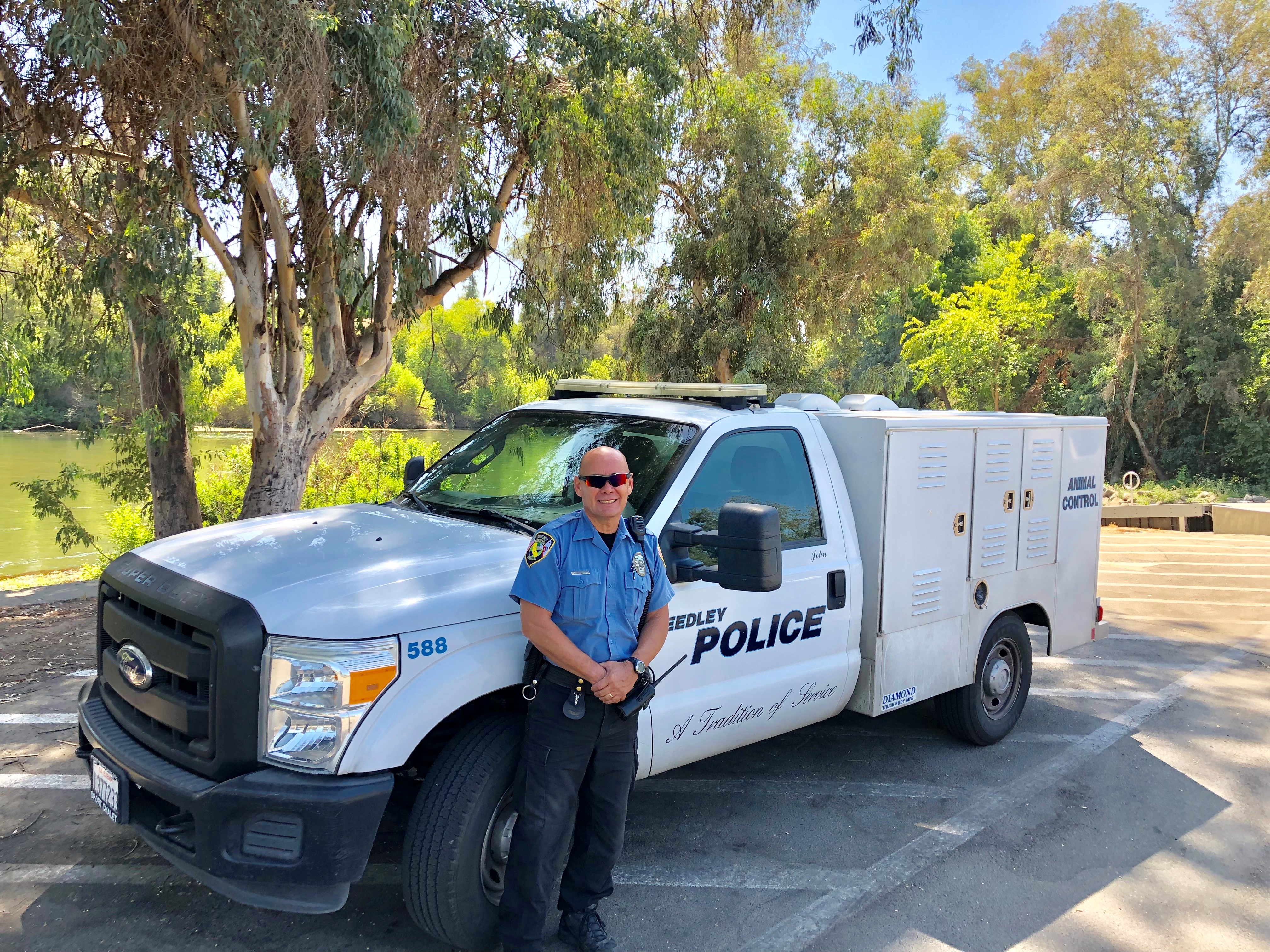
The “personal branding” of individual officers is also critical; each interaction shapes public perception. Professionalism, empathy, and clear communication from officers in the field are invaluable in building rapport and trust. Agencies also invest in clear, concise corporate identity standards—from uniforms to vehicle branding—to project a consistent image of authority, competence, and care. This consistent branding helps to demystify their role and foster an environment where community members feel comfortable reaching out for help or reporting concerns, knowing they will be met with understanding and effective action.
Marketing for Mission: Adoptions, Volunteers, and Advocacy
A significant part of modern animal control’s “branding” effort is dedicated to marketing their core services and needs. Adoption campaigns are highly sophisticated, using storytelling, professional photography, and targeted digital advertising to match animals with loving homes. These campaigns aren’t just about finding homes; they’re about showcasing the animals as individuals with personalities, creating an emotional connection that drives action.
Similarly, recruiting volunteers—essential for tasks ranging from animal socialization to administrative support—requires compelling marketing. Agencies highlight the impact volunteers make, appealing to community members’ desire to contribute meaningfully. Furthermore, animal control agencies engage in advocacy for stronger animal protection laws, increased funding, and community-wide spay/neuter initiatives. This involves strategic communication, public relations, and sometimes even political engagement, all of which fall under the umbrella of brand management. By crafting a clear brand narrative that emphasizes their dedication to both public safety and animal welfare, agencies can rally support, attract necessary resources, and amplify their impact.
The Financial Imperative: Funding, Efficiency, and Sustainability
Operating a modern animal control agency requires substantial resources, making “Money” a critical and constant consideration. From securing adequate funding to managing complex budgets and seeking innovative financial solutions, the fiscal health of an animal control department directly impacts its capacity to deliver essential services.
Navigating Budget Realities: Sources and Allocations
Animal control agencies typically receive funding from a mix of sources. Primary among these are public funds, often derived from local or county taxes, reflecting their status as an essential public service. However, these governmental allocations are rarely sufficient to cover the full scope of their operations. As a result, agencies actively pursue grants from private foundations, animal welfare organizations, and sometimes federal programs, which often target specific initiatives like spay/neuter programs or disaster preparedness. Donations from the public, facilitated through online platforms, fundraising events, and planned giving, form another vital revenue stream, especially for expenses not covered by general budgets.
Additionally, revenue is generated through licensing fees, adoption fees, and fines for infractions of animal ordinances. Managing these diverse income streams requires sophisticated financial tools and accounting software to track every dollar. Budget allocation is a complex process, prioritizing essential services like officer salaries, vehicle maintenance, veterinary care for impounded animals, shelter operations, and community programs. Strategic financial planning ensures that resources are deployed efficiently to maximize impact and meet the community’s needs.
Smart Financial Management and Resource Optimization
Given the constant pressure on public budgets, smart financial management is paramount for animal control agencies. This means not only careful budgeting but also proactive strategies to optimize resources and reduce costs without compromising welfare standards. Investing in preventative programs, such as subsidized spay/neuter clinics, can significantly reduce the long-term costs associated with managing stray populations and unwanted litters. Early intervention in cruelty cases can prevent escalating veterinary expenses for severely neglected animals.
Agencies also seek out efficiencies through technology, which, as discussed, can lead to reduced administrative overhead and optimized field operations. For instance, online licensing systems cut down on manual processing costs, and digital record-keeping reduces paper consumption and storage needs. Exploring collaborative partnerships with local veterinary clinics, rescue groups, and volunteers can extend service capacity without increasing direct payroll costs. In some cases, agencies may even explore “side hustles” in a broader sense, such as selling branded merchandise to raise funds or offering specialized, revenue-generating services like low-cost microchipping clinics that also serve a public health function. The goal is to create a sustainable financial model that allows the agency to not only respond to current needs but also to plan for future challenges and opportunities, ensuring the long-term well-being of both animals and the community.
Conclusion
The question “What do animal control do?” opens a window into an incredibly dynamic and essential public service. Far from a one-dimensional job, it encompasses the critical tasks of protecting public safety and ensuring animal welfare, but it does so through an increasingly sophisticated lens. Modern animal control agencies are harnessing the power of technology to streamline operations, enhance communication, and improve outcomes. They are meticulously crafting their “brand” to build public trust, foster community engagement, and drive support for their vital missions. And underpinning it all is a robust commitment to sound financial management, seeking sustainable funding and optimizing resources to deliver maximum impact.
In essence, animal control has evolved into a comprehensive community service that, much like the tech companies, brands, and financial institutions that define our modern world, thrives on innovation, strategic communication, and fiscal responsibility. Their continued success hinges on their ability to adapt, integrate new tools, and effectively communicate their multifaceted value to the communities they diligently serve.
aViewFromTheCave is a participant in the Amazon Services LLC Associates Program, an affiliate advertising program designed to provide a means for sites to earn advertising fees by advertising and linking to Amazon.com. Amazon, the Amazon logo, AmazonSupply, and the AmazonSupply logo are trademarks of Amazon.com, Inc. or its affiliates. As an Amazon Associate we earn affiliate commissions from qualifying purchases.