
The seemingly simple question about the color of an airplane’s “black box” often leads to a surprising answer, one that delves deeper into the intersection of safety, technology, and even effective branding. While intuition might suggest black, the reality is far more vibrant, a deliberate choice rooted in functionality and the overarching goal of retrieval. This exploration will take us through the technological marvel that is the flight recorder, its crucial role in aviation safety, and how its very appearance is a testament to sophisticated engineering and a commitment to understanding those critical moments that can shape the future of air travel.
The Illusion of “Black”: Unveiling the True Hue
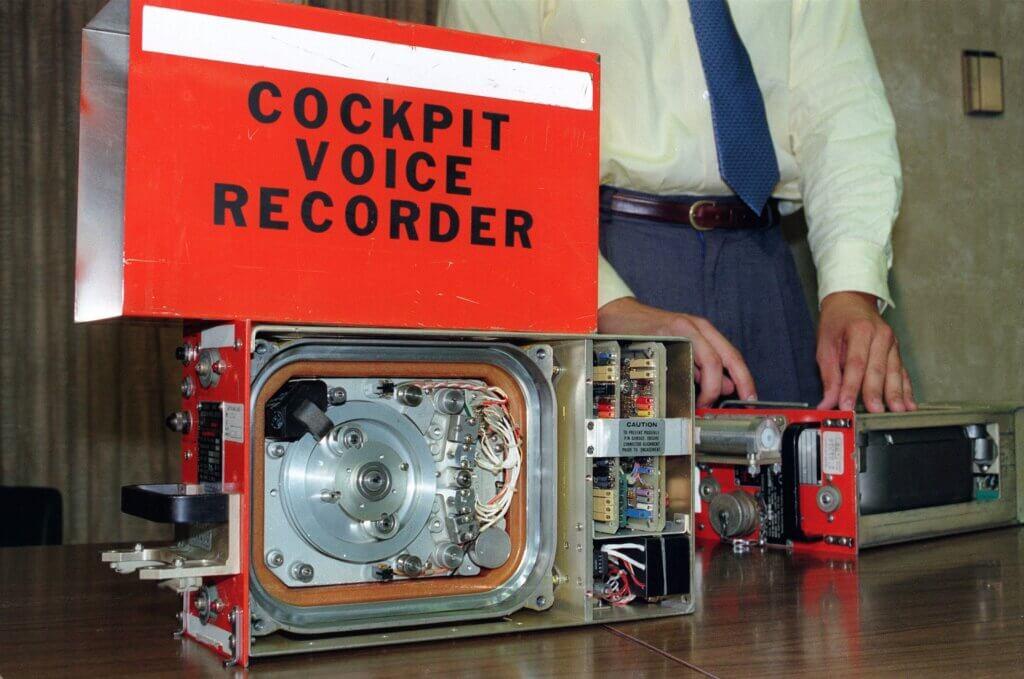
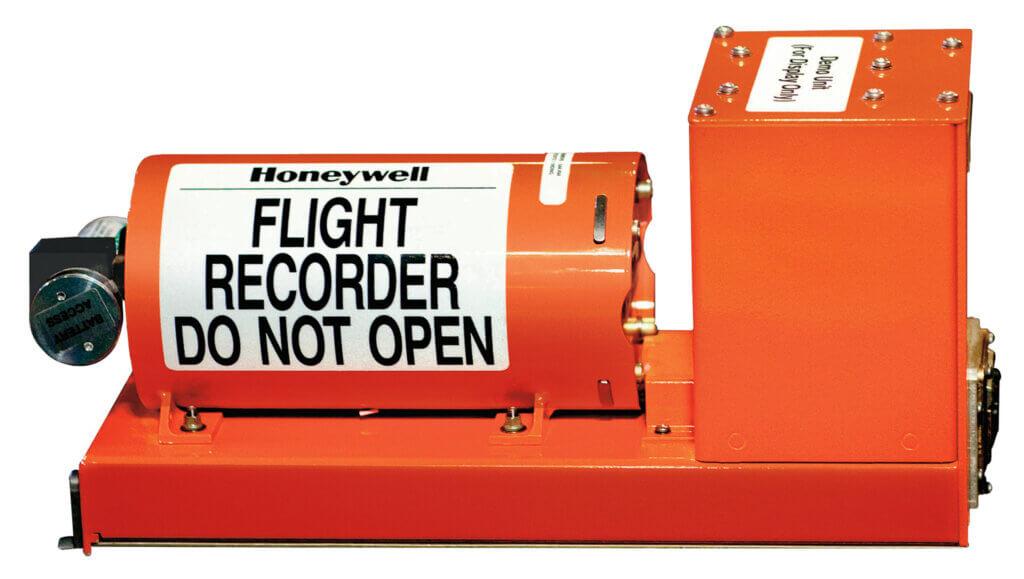
The term “black box” itself is a misnomer, a relic of early aviation history when the devices were indeed less conspicuously colored. Today, however, the flight recorders, comprising the Flight Data Recorder (FDR) and the Cockpit Voice Recorder (CVR), are painted in a distinctive, high-visibility international orange. This isn’t an arbitrary design choice; it’s a critical element of their functionality, directly impacting their recoverability after an incident.
The primary purpose of flight recorders is to provide investigators with invaluable data to understand the sequence of events leading up to an aircraft accident or incident. This data, captured in real-time, allows for a detailed reconstruction of the flight, helping to identify mechanical failures, human errors, or environmental factors. The data is then meticulously analyzed to inform future safety improvements, leading to the robust and constantly evolving standards that govern aviation today.
The Technology Behind the Orange Shell: Recording the Skies
At its core, an airplane’s “black box” is a sophisticated piece of technology designed to withstand extreme conditions. The term “black box” is often used generically, but in reality, there are two distinct recorders:
- Flight Data Recorder (FDR): This device records a wide array of parameters related to the aircraft’s performance. Modern FDRs can capture hundreds, even thousands, of data points per second, including altitude, airspeed, heading, engine performance, control surface positions, and much more. The exact number and type of parameters recorded depend on the aircraft’s age and complexity.
- Cockpit Voice Recorder (CVR): This recorder captures the audio environment within the cockpit, including conversations between pilots, radio transmissions, and ambient sounds. This provides crucial insights into the crew’s actions, decision-making processes, and any warnings or alarms that may have occurred.
Both the FDR and CVR are housed in robust, crash-survivable memory units. These units are built with multiple layers of protection to endure immense impact forces, high temperatures, and the crushing pressures of deep-water immersion. They are typically encased in stainless steel or titanium, with insulation to protect the sensitive electronic components from heat and fire.
The reason for the bright orange color becomes immediately apparent when considering the retrieval process. After an accident, especially in remote or challenging terrain, the wreckage can be scattered over a wide area. The international orange paint serves as a beacon, making the recorders significantly easier to spot amidst debris. Imagine searching for a black object against the backdrop of a dark forest floor or a murky ocean – the task would be exponentially more difficult. The vibrant orange significantly increases the probability of locating these vital pieces of evidence quickly, accelerating the investigation process and ultimately contributing to faster implementation of safety measures.
From Black to Bright: A Branding and Branding Strategy Evolution
The evolution of the flight recorder’s color is a fascinating case study in how practical needs can drive design decisions, even influencing how we perceive a piece of technology. The original “black box” moniker likely stemmed from a combination of factors: the early devices might have been painted black, or the term could have referred to the mysterious and unknown nature of the data they contained before analysis. In the early days of aviation, the technology was also less advanced, and the focus was more on simply capturing any usable data rather than optimizing for immediate visual identification in a crash scenario.
However, as aviation safety became a paramount concern and the technology for flight recorders advanced, the need for enhanced recoverability became increasingly evident. This shift represents a subtle yet significant evolution in how we approach safety equipment, moving from a purely functional enclosure to one that actively aids in its own discovery.
The Power of Visibility: Safety as a Brand Imperative
The deliberate choice of international orange is, in essence, a form of branding for the flight recorder itself. It’s not branding in the traditional sense of a logo or marketing slogan, but rather a visual identifier that communicates a core message: this is a critical safety device, and its discovery is of utmost importance. This visual cue is universally recognized within the aviation industry and by emergency responders.
This strategy aligns perfectly with the principles of corporate identity and reputation management. For aviation authorities, manufacturers, and airlines, demonstrating a commitment to rigorous safety protocols and effective incident investigation is crucial for maintaining public trust. The visible, bright orange of the flight recorder serves as a tangible symbol of this commitment. It’s a silent, yet powerful, reassurance that even in the face of tragedy, there is a dedicated process in place to understand what happened and prevent future occurrences.
Furthermore, this color choice can be seen as a form of personal branding for the investigative teams. Their ability to quickly locate and analyze flight recorder data directly impacts their reputation for efficiency and effectiveness. A swift retrieval of the “orange boxes” means a faster start to the investigation, leading to quicker conclusions and more timely safety recommendations. This not only benefits the industry but also provides closure to those affected by the incident.
Designing for Discovery: A Case Study in Functional Aesthetics
The story of the flight recorder’s color is a compelling case study in how functional requirements can shape design and even aesthetics. The pursuit of an easily discoverable device has led to a solution that is both practical and visually striking. The international orange is chosen for its high contrast against most natural backgrounds and its inherent visibility. This isn’t just about making it “easy to see”; it’s about maximizing the chances of recovery in diverse and often challenging environments.
Consider the implications if flight recorders remained black. The search for a black box in a dense forest, at the bottom of the ocean, or even amidst a field of dark debris would be a monumental, time-consuming, and potentially impossible task. This would inevitably delay investigations, potentially hindering the identification of critical safety flaws and thus perpetuating risks.
The decision to paint them orange is a prime example of design thinking applied to a critical safety component. It prioritizes the end goal – successful retrieval and subsequent analysis – and then works backward to implement a solution that best achieves that goal. This approach often leads to the most effective and intuitive designs, even if they deviate from initial expectations (like the expectation of a “black” box).
The Money Behind the Safety: Investment in Prevention
The technological sophistication and robust construction of flight recorders represent a significant investment of money by aircraft manufacturers and airlines. This investment is not simply a cost of doing business; it is a fundamental aspect of business finance and a testament to the industry’s proactive approach to risk management.
The development and manufacturing of crash-survivable flight recorders involve cutting-edge materials, rigorous testing, and adherence to stringent international standards. These recorders are designed to be incredibly reliable and to retain their data even under the most extreme circumstances. The financial outlay required for this level of engineering and manufacturing is substantial, reflecting the immense value placed on aviation safety.
The ROI of Orange: Financial Implications of Enhanced Recoverability
While the initial cost of the flight recorders themselves is significant, the return on investment (ROI) in terms of accident prevention and investigation efficiency is immeasurable. The data captured by these recorders is instrumental in:
- Identifying Root Causes: By meticulously analyzing flight data and cockpit audio, investigators can pinpoint the exact reasons behind an accident. This allows for targeted interventions to prevent similar incidents from occurring in the future.
- Improving Aircraft Design: Insights gained from flight recorders can lead to modifications in aircraft design, software, and operational procedures, making future flights safer.
- Enhancing Pilot Training: Understanding crew actions and decision-making processes can inform the development of more effective pilot training programs.
- Reducing Future Costs: Preventing accidents through better understanding and mitigation of risks ultimately saves lives and avoids the immense financial costs associated with crashes, including aircraft replacement, passenger claims, and the disruption of air travel.
The bright orange color, by significantly improving the chances of recovery, directly contributes to this ROI. A quicker retrieval means a faster start to the investigation, which can lead to the identification and rectification of safety issues sooner. This proactive approach, facilitated by the easily visible recorders, is a core component of the aviation industry’s financial stability and long-term sustainability.

The Broader Financial Ecosystem of Aviation Safety
The “money” aspect extends beyond the direct cost of the recorders. The entire aviation safety ecosystem relies on continuous financial input. This includes:
- Regulatory Oversight: Aviation authorities worldwide invest heavily in research, standard-setting, and oversight to ensure compliance and continuously improve safety.
- Maintenance and Upgrades: Airlines invest in regular maintenance and upgrades of their aircraft, including their flight recorder systems, to ensure they meet the latest safety standards.
- Investigative Resources: Agencies responsible for accident investigation require substantial funding for personnel, equipment, and research capabilities.
The choice of international orange for flight recorders, while seemingly a minor detail, is a reflection of a larger financial strategy that prioritizes prevention and efficient investigation. It’s an example of how even seemingly simple design choices can have significant financial implications by optimizing the effectiveness of safety investments. This ensures that the considerable financial resources dedicated to aviation safety are utilized to their fullest potential, ultimately leading to a safer sky for everyone.
In conclusion, the question of “what color is an airplane’s black box” leads us on a journey through the sophisticated world of aviation technology, the strategic considerations of branding and reputation, and the crucial financial investments that underpin global safety. The vibrant international orange of these essential devices is far more than just a color; it’s a beacon of safety, a testament to engineering ingenuity, and a powerful symbol of the ongoing commitment to understanding and improving air travel for generations to come.
aViewFromTheCave is a participant in the Amazon Services LLC Associates Program, an affiliate advertising program designed to provide a means for sites to earn advertising fees by advertising and linking to Amazon.com. Amazon, the Amazon logo, AmazonSupply, and the AmazonSupply logo are trademarks of Amazon.com, Inc. or its affiliates. As an Amazon Associate we earn affiliate commissions from qualifying purchases.