
The subtle hum, the irritating dance around your face, and the unsightly presence in your meticulously maintained home – gnats. These tiny, often mistaken pests are a common nuisance for homeowners and renters alike, signaling an underlying issue that demands attention. Far from being mere annoyances, a persistent gnat problem can subtly undermine your comfort, productivity, and even the perceived ‘brand’ of your living space. In an era where home management is increasingly interwoven with technology, personal well-being, and financial prudence, tackling gnats requires more than just swatting. This article delves into the root causes of gnat infestations, offering a modern, integrated approach that leverages smart solutions, mindful habits, and a holistic understanding of home health, touching upon technological advancements, the impact on your personal environment, and the financial implications of effective pest management.
Unmasking the Culprits: Identifying Common Gnat Attractors with a Modern Lens
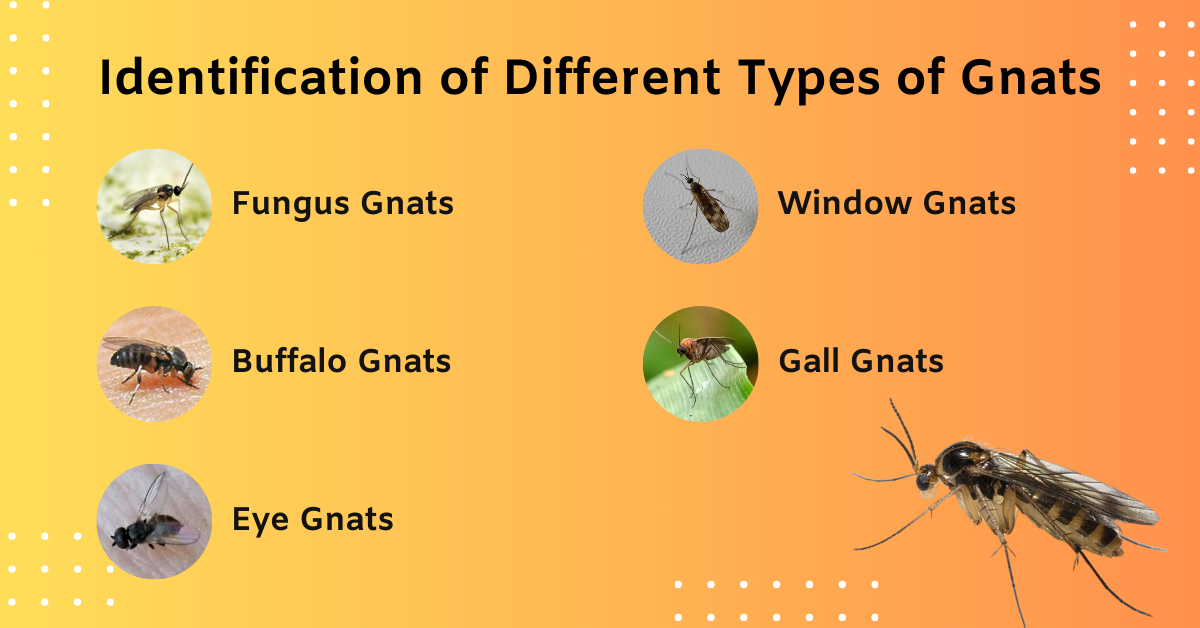
Before embarking on a solution, understanding the enemy is paramount. “Gnat” is often a catch-all term for several small flying insects, primarily fungus gnats, fruit flies, and drain flies, each with their preferred breeding grounds. Identifying the specific culprit is the first step towards effective remediation. However, in today’s interconnected world, this identification process can be significantly aided by smart tools and a data-driven approach to home monitoring.
The Allure of Overwatered Plants and Fungal Feasts (Fungus Gnats)
Fungus gnats (Mycetophilidae and Sciaridae families) are perhaps the most common indoor gnat, particularly for plant enthusiasts. These tiny, dark-bodied insects are attracted to damp, rich soil and feed on fungi, decaying organic matter, and plant roots. Overwatering houseplants is the primary invitation, creating the ideal moist environment for their larvae to thrive. The consistent dampness fosters fungal growth in the topsoil, which serves as a food source.
In a traditional sense, resolving this involves adjusting watering schedules and improving soil drainage. However, a tech-forward approach offers superior precision and prevention. Smart plant sensors, for instance, can be embedded directly into your pot’s soil, monitoring moisture levels, light exposure, and even nutrient availability in real-time. These gadgets communicate data to an app on your smartphone, sending alerts when a plant needs water, preventing the common mistake of overwatering. Integrating these sensors into your smart home ecosystem allows for a data-driven approach to plant care, ensuring optimal conditions that discourage fungus gnats from the outset. Furthermore, AI-powered plant care guides and horticultural apps can offer tailored advice based on your specific plant species and local climate, moving beyond generic recommendations to a truly personalized and preventative strategy against the conditions that attract fungus gnats. This integration of technology not only keeps your plants healthier but also transforms plant care from a routine chore into a data-optimized process, directly addressing a primary gnat cause.
Decaying Delights: Fruit Flies and Forgotten Produce
Fruit flies (Drosophila melanogaster) are the bane of any kitchen, especially during warmer months. These reddish-brown, slow-flying insects are powerfully attracted to ripening or fermenting fruits and vegetables. A forgotten banana on the counter, a bag of potatoes tucked away in a cupboard, or even residue in a recycling bin can quickly become a breeding ground. Their larvae feed on the yeast and bacteria found in fermenting substances, making overripe produce, spilled sugary drinks, and even neglected garbage disposals prime targets.
Preventing fruit flies traditionally involves meticulous cleaning and prompt disposal of organic waste. However, digital tools and smart appliances can elevate this effort significantly. Inventory management apps for your pantry or refrigerator can help you track produce freshness, sending reminders to consume or discard items before they become overly ripe and attract pests. Some modern smart refrigerators even feature internal cameras and AI-powered systems that can identify produce and suggest recipes or alert you to nearing expiration dates, effectively minimizing food waste that could become a fruit fly magnet. For those with a burgeoning side hustle in home cooking or meal prepping, maintaining a clean and pest-free kitchen is not just about hygiene; it’s about safeguarding ingredients and maintaining operational efficiency. Leveraging these apps as part of your personal finance and productivity toolkit ensures that you’re not just saving money by reducing food waste, but also proactively managing potential pest attractants. Integrating smart waste disposal units that compact waste and are equipped with airtight seals further reduces odors and accessibility for these persistent pests, showcasing how technology can seamlessly blend into routine household tasks for enhanced pest prevention.
The Dank Domain of Drains: Unseen Breeding Grounds (Drain Flies)
Drain flies (Psychodidae family), also known as sewer gnats or moth flies, are often mistaken for their gnat cousins. These fuzzy, dark-bodied insects with moth-like wings thrive in the gelatinous slime that accumulates in drains, sewer pipes, and other moist, stagnant water sources. This organic film, composed of bacteria, fungi, and decaying matter, provides both food and a breeding environment for their larvae. Common culprits include infrequently used drains, leaky pipes under sinks, and even condensation pans in refrigerators or air conditioning units.
Historically, solving a drain fly problem involved chemical drain cleaners or boiling water. However, a more comprehensive, tech-enabled approach can offer a longer-lasting solution. Smart leak detectors placed near plumbing fixtures, under sinks, or in basements can alert you via an app to even minor leaks, allowing for prompt repairs before moisture can accumulate and attract drain flies. Smart humidity sensors integrated into your home automation system can monitor and report on excessive moisture levels in bathrooms, kitchens, and utility areas, prompting you to increase ventilation or investigate potential dampness issues. For areas with historically poor drainage, scheduled reminders on your digital calendar or productivity app for regular drain maintenance (using enzymatic cleaners rather than harsh chemicals) can prevent the buildup of organic matter. This proactive approach, underpinned by continuous monitoring and automated alerts from your smart home network, ensures that the dank, unseen corners of your house remain dry and inhospitable to drain flies, demonstrating how digital security extends to environmental monitoring for home health.
Beyond the Basics: Proactive Strategies & Tech-Driven Prevention
Moving beyond just identifying the causes, a truly gnat-free home in the modern age requires a proactive, integrated strategy that weaves technology into the fabric of daily maintenance. This approach isn’t just about reacting to problems but preventing them from taking root.
Leveraging Smart Home Technology for Gnat Control
The advancements in the Internet of Things (IoT) have made smart home technology an invaluable ally in pest prevention. Beyond the aforementioned soil moisture sensors and leak detectors, consider the broader applications. Smart ventilation systems can automatically adjust based on humidity levels detected by your sensors, reducing the overall moisture content in your home, which is a major attractant for many gnat species. Automated bathroom fans tied to humidity levels or even motion sensors can prevent the buildup of steamy air that encourages drain fly breeding.
Furthermore, while not directly targeting gnats, smart lighting solutions can indirectly contribute to a less pest-friendly environment. Certain light frequencies are more attractive to various insects, and programmable lighting can adjust to minimize unwanted invitations. AI-powered cameras with pest detection capabilities are emerging, potentially identifying early signs of infestation and alerting homeowners. The true power lies in the integration: a comprehensive smart home hub that collects data from all these sensors and devices can provide predictive analytics, identifying potential problem areas based on environmental conditions before gnats become noticeable. This level of environmental control and monitoring elevates home maintenance to a sophisticated, data-driven science, aligning perfectly with the ethos of technology trends and AI tools in everyday living.
Productivity and Digital Security: An Unseen Layer of Pest Defense
While seemingly tangential, maintaining a well-managed digital life can significantly contribute to a physically organized and pest-resistant home. Productivity apps and digital calendars are not just for work; they are powerful tools for home management. Scheduling regular cleaning routines, maintenance checks for plants and drains, and reminders for disposing of compost or emptying garbage bins can prevent the buildup of gnat attractants. A digitally organized life translates into a more ordered physical space, reducing clutter and neglected areas where pests can hide or breed.
The concept of digital security also plays an understated role. Ensuring your smart home devices are secure and properly configured means they function optimally, providing accurate data and timely alerts without compromise. A malfunctioning or insecure smart sensor might fail to detect a leak or excessive humidity, indirectly leading to a pest problem. Furthermore, for those who rely on online income or side hustles from home, a clean, organized, and pest-free workspace is crucial for focus and productivity. The mental clutter that comes with disorganization and the physical distraction of pests can significantly impact your ability to work efficiently. By leveraging apps for task management, inventory control, and home maintenance scheduling, you’re not just streamlining your day; you’re building a robust defense against unwanted houseguests, ensuring your physical environment supports your digital endeavors and overall well-being.
The Brand and Money Connection: A Holistic View of a Gnat-Free Home
A gnat-free home is not just about comfort; it’s a statement about your personal brand, your financial acumen, and your overall approach to living. In a world where our homes are increasingly extensions of ourselves, their condition reflects more than just aesthetics.
Personal Branding and Home Reputation: More Than Just Aesthetics
Your home is a significant component of your personal brand. Whether you frequently entertain guests, conduct business meetings virtually from your home office, or simply value a pristine living environment, the presence of pests can subtly erode this brand. A sparkling clean, well-maintained, and pest-free home communicates attention to detail, a commitment to hygiene, and a sense of order. Conversely, even a minor gnat problem can convey neglect or poor upkeep, potentially impacting how others perceive you and how you perceive yourself.
For home-based entrepreneurs or those with a personal brand tied to lifestyle or design, a gnat infestation can be particularly detrimental. Imagine a video call with a client, only to have a fruit fly buzz past your screen. Or guests arriving to find gnats hovering over your potted plants. These seemingly small details can detract from the professional image or welcoming atmosphere you strive to create. Investing time and resources into gnat prevention is therefore an investment in your home’s reputation and, by extension, your own. It’s about crafting an experience for anyone who enters your space, physical or virtual, ensuring it aligns with the positive image you wish to project. This proactive approach to home maintenance becomes an integral part of personal branding, reflecting self-respect and conscientiousness.
Financial Wisdom: Investing in a Pest-Resistant Environment
From a personal finance perspective, preventing gnat infestations is a smart investment. The financial implications of neglecting pest control can quickly escalate. A small gnat problem, left unchecked, can require professional extermination services, which can be costly. Beyond direct pest control costs, consider the potential damage: fungus gnats can harm houseplants, leading to replacement costs, while persistent moisture issues that attract drain flies can lead to structural damage requiring expensive repairs. Furthermore, spoiled produce due to fruit flies represents wasted money, impacting your grocery budget.
Budgeting for preventative measures, such as smart home sensors, quality plant care tools, or even regular drain cleaning products, is a far more financially sound strategy than reacting to a full-blown infestation. These preventative investments, while incurring an upfront cost, often yield long-term savings by averting larger expenses down the line. For individuals engaged in online income or side hustles, a pest-free home is also an investment in their productivity. Distractions caused by pests can reduce focus, extend work hours, and ultimately impact earning potential. Financial tools and apps can assist in tracking home maintenance expenses, creating a dedicated budget for preventative pest control, and identifying areas where smart tech investments can lead to greater financial efficiency and comfort. A well-managed home environment is not just a luxury; it’s a financially prudent decision that safeguards your assets, your health, and your earning capacity.
Implementing a Gnat-Proof Strategy: Practical Steps and Future Trends
Armed with knowledge and a modern perspective, implementing a comprehensive gnat-proof strategy becomes a manageable and rewarding endeavor. This involves a blend of traditional best practices enhanced by contemporary technology and an eye toward future innovations.
Step-by-Step Prevention & Remediation (with a Modern Twist)
Effective gnat control is an ongoing process that combines vigilant hygiene with smart tools:
- Identify the Gnat Type: Before anything else, observe. Are they around plants (fungus gnats)? Around fruit/food (fruit flies)? Or coming from drains (drain flies)? This dictates your target strategy.
- Eliminate Breeding Grounds:
- For Fungus Gnats: Allow plant soil to dry out between waterings. Use smart moisture sensors to accurately gauge soil needs. Consider top dressing pots with sand or gravel to deter egg-laying. Repotting with sterile potting mix can also help.
- For Fruit Flies: Store all produce in the refrigerator or in airtight containers. Promptly dispose of overripe fruit and vegetable scraps. Use inventory management apps to track food freshness. Clean up spills immediately and frequently empty garbage bins, especially those used for organic waste.
- For Drain Flies: Clean drains regularly using enzymatic cleaners that break down organic matter. Inspect for and repair any leaks under sinks or around plumbing. Utilize smart leak detectors to catch issues early.
- Seal Entry Points: Inspect screens on windows and doors for tears. While tiny, gnats can find their way in.
- Employ Smart Traps and Repellents:
- Traditional: Apple cider vinegar traps for fruit flies, sticky traps for fungus gnats.
- Tech-Enhanced: Consider UV light insect traps (ensure they are effective for the specific gnat type), or even DIY solutions leveraging smart sprayers for natural repellents like diluted neem oil for plants. Digital pest logs or smart home interfaces can track trap efficacy and identify patterns.
- Maintain General Cleanliness: Regularly clean kitchen surfaces, garbage bins, recycling bins, and appliance drip trays. A general state of cleanliness, managed with productivity apps for chore scheduling, is your best defense.
The Future of Home Pest Management: AI and IoT
The landscape of home pest management is continuously evolving, with technology trends pointing towards even more sophisticated, automated, and predictive solutions. The integration of AI tools and IoT devices is set to revolutionize how we combat household pests, including gnats.
Imagine a future where:
- AI-powered visual recognition systems embedded in your smart home cameras can not only detect the presence of gnats but also identify the species, predict breeding patterns based on environmental data from various sensors, and even suggest a tailored, automated response.
- IoT sensors become smaller, more ubiquitous, and capable of detecting minute changes in humidity, temperature, and even volatile organic compounds (VOCs) that indicate decaying matter, alerting homeowners long before a visible infestation occurs.
- Automated pest control systems could release targeted, non-toxic repellents or traps only when and where needed, based on real-time data analysis.
- Smart home platforms integrate directly with local pest control services, automatically scheduling maintenance or intervention based on predictive models, optimizing business finance for these service providers and saving homeowners money in the long run.
These advancements underscore a broader shift towards proactive, intelligent home management. They not only promise a future of fewer pest nuisances but also contribute to a healthier, more comfortable, and ultimately more valuable living space. This aligns with the desire to maintain a pristine home ‘brand’ and optimize financial outlay for maintenance, reflecting a holistic approach to modern living.

Conclusion
Gnats, in their various forms, are a common household challenge, but their presence is rarely arbitrary. They are often indicators of underlying conditions – be it overwatered plants, decaying food, or persistent moisture. While traditional methods of cleaning and vigilance remain crucial, the modern home manager has an ever-expanding arsenal of tools at their disposal. By embracing technology trends like smart sensors, AI-powered insights, and productivity apps, we can move beyond reactive swatting to proactive prevention.
Furthermore, understanding the broader implications of a gnat-free home — from maintaining a strong personal brand and home reputation to making sound financial decisions that prevent costly infestations — elevates pest management from a chore to an integral aspect of holistic home health. A smarter, healthier, and ultimately more financially sound living space is one where the subtle hum of gnats is a distant memory, replaced by the quiet efficiency of an intelligently managed home.
aViewFromTheCave is a participant in the Amazon Services LLC Associates Program, an affiliate advertising program designed to provide a means for sites to earn advertising fees by advertising and linking to Amazon.com. Amazon, the Amazon logo, AmazonSupply, and the AmazonSupply logo are trademarks of Amazon.com, Inc. or its affiliates. As an Amazon Associate we earn affiliate commissions from qualifying purchases.