
The enigmatic nature of cats has captivated humanity for millennia, their independent spirit and graceful demeanor often masking a surprisingly sensitive disposition. Beneath their cool exterior, felines are creatures of habit and keen perception, making them susceptible to a myriad of fears – from the obvious loud noises and unfamiliar faces to the subtle shifts in their environment. While understanding what spooks our feline companions has long been a topic for pet owners, animal behaviorists, and veterinarians, in the 21st century, this seemingly simple question has taken on fascinating new dimensions. When viewed through the lenses of technology, branding, and finance, the fears of our domestic cats reveal complex interdependencies that impact everything from smart home design to investment portfolios. This article delves into the contemporary landscape of feline anxiety, exploring how the modern world both creates new stressors for cats and offers innovative solutions, all while carving out significant economic and branding opportunities.
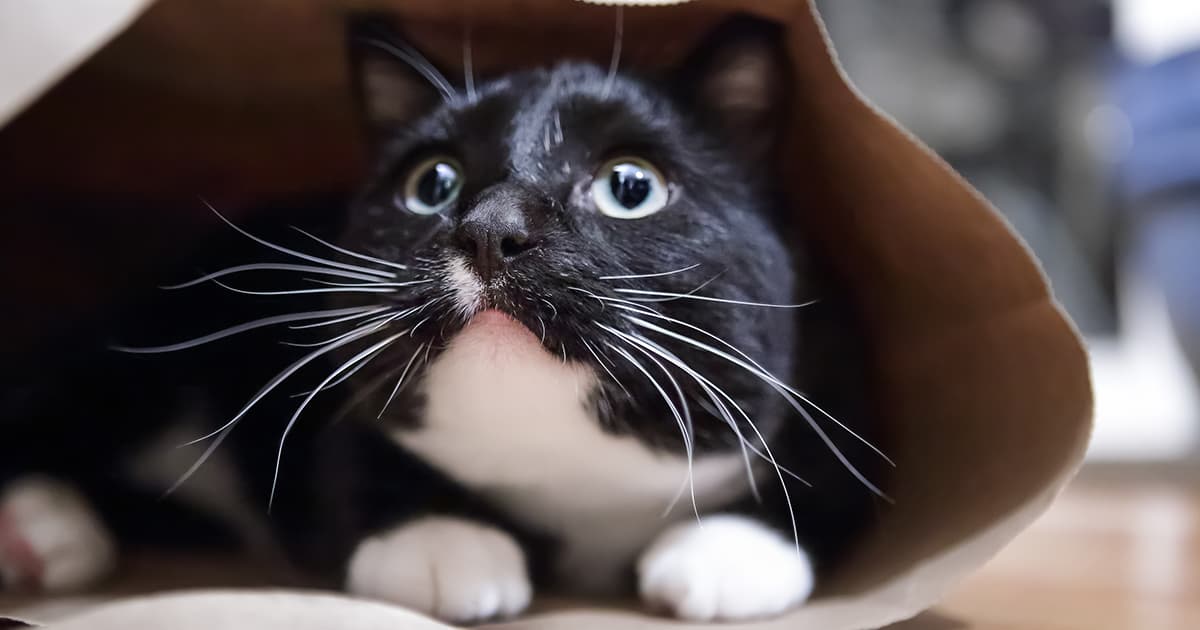
The Digital Domain: Tech’s Unintended Impact and Innovative Solutions for Feline Fear
The rapid proliferation of technology has transformed our homes into smart ecosystems, brimming with devices designed to simplify human lives. However, for a species as attuned to sensory input and routine as the domestic cat, this technological revolution often presents a perplexing and sometimes terrifying new reality. From unexpected movements to unfamiliar sounds, the digital domain, while offering comforts to humans, can unwittingly become a source of profound fear for our feline housemates. Yet, technology is also emerging as a powerful ally in understanding and mitigating these anxieties.
The Startling Symphony: Smart Homes and Unexpected Sounds
Consider the robot vacuum cleaner, a marvel of modern convenience for many. For a cat, however, this autonomous, whirring intruder can be a source of intense alarm. Its unpredictable movements, sudden changes in direction, and persistent hum disrupt their carefully established territorial boundaries and sensory expectations. Similarly, smart speakers that suddenly announce a weather update or play music, the whir of an automatic air freshener, or the sudden flash of a security camera’s infrared light can all trigger a cat’s fight-or-flight response. These devices, designed with human comfort in mind, often overlook the nuanced auditory and visual sensitivities of pets. Cats rely heavily on their acute hearing and vision to navigate their environment and detect potential threats. A sudden, unexplained noise or movement from an inanimate object directly contradicts their primal understanding of safety, leading to stress, hiding behaviors, and even aggression. Even the subtle vibrations emitted by certain electronics can be disquieting for a creature that perceives its world with such detailed sensitivity.
AI, Apps, and Anxiety: Leveraging Technology for Calm (or Calamity?)
While smart home devices can be a source of fear, technology is simultaneously evolving to become a crucial tool in addressing feline anxiety. Artificial intelligence, for instance, is increasingly being applied to pet monitoring. AI-powered pet cameras can analyze a cat’s body language, vocalizations, and activity patterns to detect subtle signs of stress or discomfort, notifying owners via smartphone apps. This proactive approach allows owners to intervene before anxiety escalates, whether by adjusting the environment or consulting with a vet.
Furthermore, a growing ecosystem of apps and gadgets is specifically designed to soothe fearful felines. There are apps that play calming music, ambient sounds, or even specially designed videos intended to reduce stress. Advanced diffusers, once passive, now integrate smart features, allowing remote activation of synthetic pheromones (like Feliway) to create a more tranquil environment before an owner even arrives home. Wearable tech for pets, though still nascent, promises to monitor vital signs like heart rate and respiratory rate, providing objective data on a cat’s stress levels during various situations, offering invaluable insights for both owners and veterinarians. The careful integration of these tools, however, requires an understanding of individual feline preferences to avoid inadvertently creating new sources of fear through overly intrusive or loud devices.
Digital Security for Our Feline Friends: Beyond the Microchip
The discussion of technology and pet fear also extends to digital security. While not directly about what cats are scared of in a physical sense, the fear of losing a pet is a profound anxiety for any owner, and technology plays a critical role in mitigating this. Microchips have been standard for years, providing a permanent digital ID. However, modern advancements include GPS trackers that can be attached to collars, offering real-time location data. The digital security of this data becomes paramount. Owners are naturally concerned about the privacy and security of their pet’s location data, ensuring it cannot be misused or accessed by unauthorized parties. The fear here is not the cat’s, but the owner’s fear for the cat’s safety and the potential vulnerabilities of the systems designed to protect them. As pet tech evolves, ensuring robust digital security for pet-related data – from health records in vet software to GPS tracking information – is becoming an increasingly important aspect of pet care and owner peace of mind, directly addressing a fundamental fear of loss.
Branding Peace: Crafting Trust and Comfort in the Pet Market
Understanding what cats are scared of isn’t just a matter of pet welfare; it’s a significant driver in the multi-billion-dollar pet industry. Brands that successfully identify, address, and market solutions to feline fears build trust, foster loyalty, and carve out lucrative niches in a competitive market. The strategic application of branding principles, from product design to marketing narratives, plays a pivotal role in delivering peace of mind to both cats and their owners.
The Art of Calming: How Brands Address Feline Fears
Brands in the pet industry are increasingly recognizing that fear and anxiety in cats represent not just a problem, but a market opportunity. Companies like Feliway have built entire brands around the concept of synthetic feline pheromones that mimic natural calming signals, positioning themselves as direct solutions to stress-related behaviors. Similarly, a plethora of pet food brands now offer “calming formulas” infused with ingredients like L-tryptophan or specific herbs, marketed directly to owners concerned about their cat’s anxiety. The branding here is often subtle yet impactful: serene packaging, imagery of peaceful cats, and messaging that emphasizes emotional well-being and a stress-free environment.
Beyond consumables, the market for anti-anxiety products is booming. Think about enclosed cat beds designed to provide a secure “den,” or interactive toys that distract from stressors. Brands effectively communicate that their products provide a safe haven or a source of soothing distraction, directly addressing a cat’s inherent need for security and mental stimulation to ward off fear. This often involves detailed educational content on their websites and social media, helping owners understand the specific triggers of feline fear and how their products offer a targeted solution. The key is to brand not just a product, but a promise of tranquility for both pet and owner.
Designing for Serenity: Product Aesthetics and Their Psychological Impact
Product design is another critical aspect of branding that leverages an understanding of feline fears. A pet carrier, often a source of immense fear for cats, can be redesigned with features that minimize stress. This might include top-loading doors, ample ventilation, opaque sides for a sense of enclosure, and a sturdy, stable base that prevents swaying. These design choices are not just functional; they are psychological, aimed at reducing the cat’s feeling of vulnerability and confinement. Similarly, cat trees and scratching posts are designed to offer high vantage points, providing a sense of security and control – cats feel safer when they can observe their surroundings from above.

The aesthetics of pet products also play a role. While bright, stimulating colors might appeal to human owners, natural, muted tones can be more calming for cats. Material choices, such as soft, durable fabrics or natural wood, can enhance comfort and reduce sensory overload. Brands that invest in thoughtful design, considering the feline perspective on security, comfort, and sensory input, establish a reputation for empathy and expertise. Their corporate identity becomes synonymous with understanding and alleviating pet anxiety, fostering loyalty among discerning pet owners who prioritize their cat’s well-being. This meticulous attention to design details directly translates into a stronger brand identity and market advantage.
Reputation and Responsiveness: Building a Brand That Cares
In the age of social media and instant reviews, a brand’s reputation is intrinsically linked to its responsiveness to customer needs and ethical considerations. For pet product brands, this means not only creating effective solutions for feline fears but also demonstrating genuine care and responsibility. Product recalls, especially those related to ingredients that could cause adverse reactions or design flaws that could harm pets, can severely damage a brand’s reputation. Conversely, brands that proactively engage with pet owners, provide educational resources on feline behavior, and transparently communicate about their product’s efficacy and safety build strong, positive reputations.
Pet influencers, a growing segment of personal branding, also play a crucial role. Those who authentically share experiences and solutions for their own cats’ fears, or promote products that genuinely alleviate stress, build a loyal following. Their personal brand becomes one of trustworthiness and authority in the realm of pet care, influencing purchasing decisions. Ultimately, successful branding in the pet anxiety space is about building a connection based on understanding, empathy, and effective solutions, assuring owners that their brand is a reliable partner in ensuring their cat’s emotional well-being.
The Economic Echoes of Feline Fear: Costs, Investments, and Opportunities
The invisible burden of feline fear extends far beyond the emotional toll on pets and owners; it carries significant financial implications, shaping spending patterns, driving innovation, and creating diverse economic opportunities. From the direct costs of managing anxious behaviors to the burgeoning markets for pet wellness and specialized services, the economic echoes of what cats are scared of resonate throughout the financial landscape.
The Price of Panic: Financial Burdens of Anxious Pets
A fearful cat can be an expensive cat. The direct financial costs associated with feline anxiety are substantial and often unexpected for owners. Stress-related illnesses, such as urinary tract infections (UTIs), skin conditions, or gastrointestinal issues, frequently necessitate costly veterinary visits, diagnostic tests, and ongoing medication. Behavioral problems stemming from fear – like inappropriate urination, excessive scratching of furniture, or aggression – can lead to property damage, requiring expensive repairs or replacements. Owners might invest in specialized calming products, from pheromone diffusers and anxiety vests to prescription diets designed to promote tranquility.
Beyond these tangible costs, there’s the expense of professional help. Behavioral consultations with certified cat behaviorists or veterinary behaviorists can be hundreds or even thousands of dollars, particularly if long-term therapy or prescription medications are required. Pet insurance plans are increasingly offering coverage for behavioral treatments, but navigating these policies and understanding their limits adds another layer of financial complexity. For many owners, the “price of panic” represents a significant, recurring drain on their personal finance, underscoring the real-world economic impact of what cats are scared of.
Investing in Tranquility: The Growth Market of Pet Wellness Tech
On the flip side, the economic landscape of feline fear presents compelling investment opportunities. The growing awareness of pet anxiety has spurred a boom in the pet wellness and tech sectors. Investors are keenly looking at startups developing innovative solutions, from AI-powered pet monitors that analyze stress levels to advanced therapeutics and smart pet products. Companies that can effectively address the root causes and symptoms of feline anxiety are attracting substantial capital, viewed as robust growth industries. This includes companies creating smart feeders that dispense calming supplements, developers of specialized mobile applications for pet care, and manufacturers of high-tech calming environments for pets.
This investment isn’t limited to tech. There’s also significant capital flowing into research and development for new pharmaceuticals or nutraceuticals aimed at reducing stress in pets. The “humanization of pets” trend means owners are willing to spend more on their furry companions’ well-being, driving demand for premium products and services. Investing in this sector is not just about capitalizing on a market trend; it’s about backing solutions that genuinely improve the lives of animals, creating a positive feedback loop of innovation and financial return.
Monetizing Empathy: Online Income and Side Hustles in Feline Behavior
The digital age has also democratized the ability to generate online income and launch side hustles centered around feline behavior and anxiety. Individuals with expertise in cat care can create blogs, YouTube channels, or social media platforms offering advice, product reviews, and tutorials on managing fearful cats. These content creators can monetize their efforts through advertising, affiliate marketing (promoting calming products), sponsorships, and direct sales of e-books or online courses. The demand for reliable, accessible information on pet behavior is immense, creating a fertile ground for content entrepreneurs.
Furthermore, the rise of online consulting allows cat behaviorists or experienced pet sitters specializing in anxious animals to offer their services remotely, expanding their reach beyond geographical limitations. Online marketplaces for handmade calming pet accessories, from weighted blankets to specialized toys, provide avenues for creative entrepreneurs. These side hustles and online businesses are not only generating income for individuals but also contributing to a broader ecosystem of support and resources for owners grappling with their cats’ fears, proving that empathy and understanding can indeed be monetized responsibly.
A Holistic Approach: Integrating Knowledge for Happier Cats and Savvy Owners
Understanding what cats are scared of is no longer a niche concern for a handful of dedicated pet owners; it’s a multifaceted challenge with profound implications across technology, branding, and finance. The modern world, with its rapid advancements and evolving market dynamics, simultaneously introduces new stressors for our feline companions and offers groundbreaking solutions. From the subtle hum of a smart appliance causing distress to the sophisticated AI designed to alleviate it, from brands building empires on calming products to the burgeoning investment opportunities in pet wellness, the narrative of feline fear is deeply intertwined with our own technological, economic, and cultural progress.
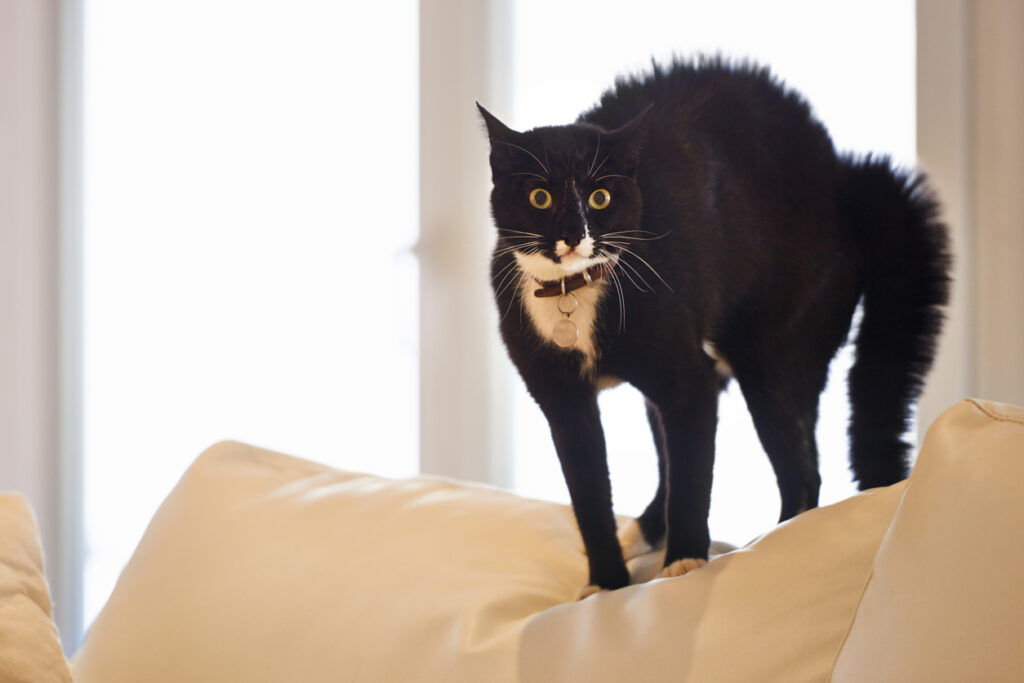
Beyond the Scare: A Call for Informed Pet Parenthood
Ultimately, navigating this complex landscape requires a holistic approach. It demands that pet owners become more informed and proactive, leveraging available technology to better understand and soothe their cats. It calls for brands to operate with greater empathy and ethical consideration, designing products and marketing strategies that genuinely improve animal welfare rather than merely exploiting anxieties. And for investors and entrepreneurs, it highlights a burgeoning market driven by genuine need, offering opportunities to generate wealth while making a tangible positive impact. By integrating knowledge from these diverse fields, we can move beyond simply identifying what cats are scared of to creating environments and solutions that foster security, comfort, and well-being for our cherished feline friends. The journey toward a calmer cat, it turns out, is a journey through the heart of the modern world itself.
aViewFromTheCave is a participant in the Amazon Services LLC Associates Program, an affiliate advertising program designed to provide a means for sites to earn advertising fees by advertising and linking to Amazon.com. Amazon, the Amazon logo, AmazonSupply, and the AmazonSupply logo are trademarks of Amazon.com, Inc. or its affiliates. As an Amazon Associate we earn affiliate commissions from qualifying purchases.