
Canada has long held a significant, yet often understated, position in the global automotive landscape. From the earliest days of mass production to the cutting edge of electric vehicle manufacturing, the nation has consistently served as a crucial hub for some of the world’s most prominent automakers. Far from merely assembling imported parts, Canadian facilities are integral to the design, engineering, and manufacturing processes of millions of vehicles that hit roads worldwide. This deep-rooted presence is not just a matter of industrial output; it underpins substantial economic activity, drives technological innovation, and shapes the branding strategies of automotive giants.

A Legacy of Automotive Manufacturing Excellence
Canada’s journey in the automotive industry began over a century ago, developing alongside its southern neighbor, the United States. Its strategic geographic location, coupled with a skilled workforce and access to vital resources, made it an attractive investment destination for nascent car companies looking to expand their reach and production capabilities.
Historical Roots and Key Milestones
The bedrock of Canada’s automotive industry was laid in the early 20th century with the establishment of operations by the “Big Three” American automakers: General Motors, Ford, and Chrysler (now Stellantis). Ford of Canada, for instance, was founded in 1904, making it one of the oldest automotive manufacturers in the country. These pioneering ventures weren’t just assembly plants; they evolved into fully integrated manufacturing facilities, producing engines, transmissions, and complete vehicles. Over the decades, these companies invested heavily in Canadian infrastructure, establishing multi-billion dollar complexes that became synonymous with regional economies. The auto pact of 1965, a landmark agreement between Canada and the U.S., further solidified cross-border automotive trade and integrated the North American industry, ensuring a stable and efficient production environment.
Beyond the initial North American players, the 1980s saw a significant influx of Japanese automakers, notably Honda and Toyota, who chose Canada for their first major North American manufacturing facilities. This expansion brought new manufacturing philosophies, advanced robotics, and further diversified Canada’s automotive ecosystem. These investments weren’t just about expanding production; they were strategic decisions rooted in a careful evaluation of Canada’s economic stability, skilled labor pool, and favorable trade agreements, all contributing to a strong ‘Made in Canada’ brand image in the automotive sector.
The Economic Engine of Canada
The automotive sector is a colossal economic engine for Canada, extending far beyond the factory floor. It is a major contributor to the nation’s Gross Domestic Product (GDP), directly and indirectly supporting hundreds of thousands of jobs. Manufacturing alone accounts for a significant portion of the country’s industrial employment, providing high-paying jobs in engineering, design, production, and skilled trades. The ripple effect of this industry is profound: it sustains a vast network of suppliers, from parts manufacturers creating everything from microchips to seats, to logistics companies transporting components and finished vehicles.
The financial implications are immense. Billions of dollars are invested annually in plant upgrades, research and development, and workforce training. This investment, much of which is driven by global financial markets and corporate strategic spending, flows into Canadian communities, stimulating local economies. The tax revenues generated from these operations, along with employee incomes, fund public services and infrastructure projects, creating a virtuous cycle of economic growth. The ongoing shift towards electric vehicles (EVs) and autonomous driving further underscores the financial stakes, with governments and private companies committing multi-billion dollar investments to retool existing facilities and build new ones, aiming to secure Canada’s future in the global automotive supply chain. This strategic financial commitment highlights the sector’s critical role in Canada’s overall economic prosperity.
Major Players and Their Canadian Footprint
Canada is home to manufacturing operations for several of the world’s leading automotive brands, each with a distinct presence and contributing significantly to the country’s output.
General Motors (GM) in Canada
General Motors has one of the longest and most storied histories in Canadian manufacturing, with a strong presence across Ontario. The Oshawa Assembly Plant has been a cornerstone of GM’s operations, adapting over the decades from producing popular sedans and trucks to becoming a highly flexible assembly facility. After a period of retooling, it famously resumed truck production, demonstrating a remarkable resilience and adaptability. This move secured jobs and cemented GM’s commitment to Canadian manufacturing, leveraging advanced robotics and efficient production techniques.
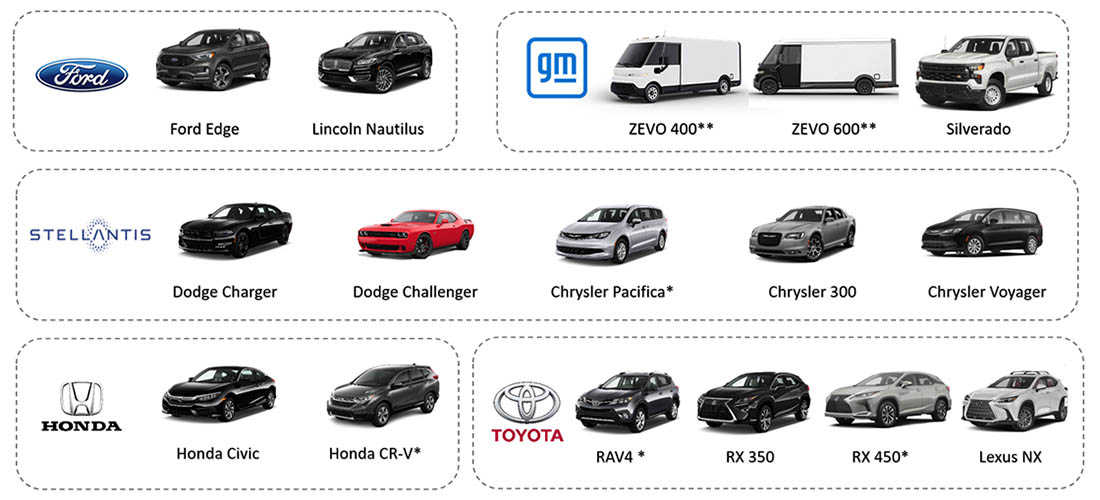
GM’s St. Catharines Powertrain Plant is another critical facility, manufacturing engines and transmissions that power a wide range of GM vehicles globally. This plant is a testament to Canada’s engineering prowess, focusing on precision manufacturing and technological innovation in powertrain development. Furthermore, the CAMI Assembly Plant in Ingersoll, Ontario, has been a key player, historically producing the Chevrolet Equinox and GMC Terrain, and is now undergoing significant transformation to produce BrightDrop electric commercial vans, marking GM’s substantial investment in EV manufacturing in Canada. This transition showcases how advanced manufacturing techniques, coupled with substantial capital investment, are driving the evolution of Canada’s automotive landscape towards future-forward Tech-driven solutions.
Ford Canada’s Enduring Presence
Ford of Canada, with roots tracing back to the very early days of the automobile, maintains a robust manufacturing footprint. The Oakville Assembly Complex is one of its most important sites, known for producing popular SUVs such as the Ford Edge and Lincoln Nautilus. This facility has been a lynchpin of Ford’s North American production strategy, exporting vehicles across the continent and beyond. Looking ahead, Ford has announced significant investments in Oakville to transform it into an electric vehicle manufacturing hub, signaling a profound strategic shift towards electrification.
Beyond vehicle assembly, Ford’s Windsor Engine Plants are renowned for producing a wide array of engines, from smaller gasoline units to larger V8s that power many of Ford’s best-selling trucks and SUVs. These plants embody a strong tradition of precision engineering and advanced manufacturing processes. The continuous investment in these facilities underscores Ford’s commitment to Canada, not just as an assembly location, but as a critical center for powertrain innovation and the future of electrified powertrains, reflecting significant Money allocated to future Tech development.
Stellantis (formerly FCA) and Its Canadian Hubs
Stellantis, the multinational automotive corporation formed from the merger of Fiat Chrysler Automobiles (FCA) and PSA Group, has a deep-seated presence in Canada, particularly in Southern Ontario. The Windsor Assembly Plant is arguably one of the most famous, globally recognized as the birthplace of the minivan. It continues to be the exclusive global manufacturing home for the Chrysler Pacifica, Grand Caravan, and Voyager. This facility showcases high-volume production efficiency and has been a cornerstone of Stellantis’s North American family vehicle strategy for decades.
The Brampton Assembly Plant is another iconic Stellantis facility, responsible for producing high-performance rear-wheel-drive vehicles like the Dodge Charger, Dodge Challenger, and Chrysler 300. These vehicles have cultivated a unique brand identity and enthusiast following, with their Canadian origins often highlighted. Both Windsor and Brampton represent massive investments over the years, sustaining thousands of jobs and serving as vital export centers, demonstrating the significant financial and strategic importance of Canada to the Stellantis global Brand.
Honda of Canada Manufacturing (HCM)
Honda of Canada Manufacturing (HCM), located in Alliston, Ontario, represents one of Honda’s most advanced manufacturing operations globally. Established in the 1980s, HCM consists of multiple plants producing both vehicles and engines. It is a critical hub for the production of the popular Honda Civic and CR-V, both of which are best-sellers in their respective segments across North America. The facility is known for its high standards of quality, efficiency, and advanced robotics, often serving as a benchmark for other Honda plants worldwide. HCM’s consistent investment in Tech and highly skilled labor has allowed it to adapt to evolving market demands, making it a pivotal part of Honda’s global production network and solidifying the Brand‘s reputation for reliability.
Toyota Motor Manufacturing Canada (TMMC)
Toyota Motor Manufacturing Canada (TMMC), with facilities in Cambridge and Woodstock, Ontario, is consistently recognized as one of the highest-quality and most efficient automotive plants in the world. TMMC produces a range of highly sought-after vehicles, including the RAV4 (both gasoline and hybrid models), the Lexus RX (including the hybrid version), and the Corolla Cross. The production of the Lexus brand in Canada underscores the exceptional quality and precision manufacturing capabilities present at TMMC, as Lexus adheres to some of the industry’s most stringent quality control standards. TMMC’s commitment to the Toyota Production System (TPS) and continuous improvement methodologies has set a global benchmark, reinforcing the strength of the Toyota Brand for reliability and quality, a reputation further enhanced by its Canadian manufacturing base. Their substantial and ongoing Money investments in advanced manufacturing techniques and sustainable practices position them at the forefront of automotive Tech.
The Future of Canadian Automotive: Tech, Innovation, and Sustainability
The Canadian automotive sector is not static; it’s undergoing a profound transformation driven by technological advancements, environmental imperatives, and evolving consumer preferences. This shift positions Canada at the forefront of the next generation of automotive manufacturing.
Embracing Electric Vehicles (EVs) and Green Manufacturing
The transition to electric vehicles (EVs) represents the most significant paradigm shift in the automotive industry in decades, and Canada is aggressively positioning itself as a leader in this transformation. Government and industry have announced multi-billion dollar investments to retool existing plants for EV production and establish new battery manufacturing facilities. This includes the conversion of Ford’s Oakville plant, GM’s CAMI plant, and Stellantis’s Windsor plant towards EV production. These investments aren’t just about assembling EVs; they encompass the entire supply chain, from raw material processing to battery cell manufacturing and vehicle integration. The focus on green manufacturing extends to sustainable practices within the plants themselves, aiming for reduced carbon footprints, efficient energy consumption, and circular economy principles. This commitment to EV Tech is a crucial part of Canada’s economic strategy, attracting global Money and positioning the nation as a clean energy and manufacturing powerhouse.
Automation, AI, and Advanced Manufacturing
Canadian automotive plants are increasingly integrating cutting-edge Technology such as advanced robotics, artificial intelligence (AI), and machine learning to enhance efficiency, quality, and worker safety. Automation is not just about replacing human labor but augmenting it, allowing for more complex tasks to be performed with precision and consistency. AI tools are being deployed for predictive maintenance, optimizing production schedules, and analyzing vast datasets to identify efficiencies and potential issues before they arise. This sophisticated application of Tech improves productivity, reduces waste, and allows for greater customization in vehicle production. The adoption of smart factory concepts, where interconnected systems communicate and optimize processes in real-time, is becoming a standard in many Canadian facilities, ensuring they remain competitive on a global scale. This directly taps into the “Tech Trends” and “AI Tools” aspects of the website’s focus.
Supply Chain Digitization and Cybersecurity
The complexity of modern automotive manufacturing requires an incredibly robust and resilient supply chain. Canada’s automotive industry is increasingly leveraging Digital Security and Productivity tools to manage these intricate networks. Digitization of the supply chain allows for real-time tracking of parts, predictive analytics for inventory management, and seamless communication between suppliers and manufacturers. This not only boosts Productivity but also enhances resilience against disruptions.
Furthermore, with increased connectivity and reliance on digital systems, cybersecurity has become paramount. Protecting intellectual property, sensitive manufacturing data, and operational technology from cyber threats is a critical concern. Canadian automotive companies are investing heavily in robust cybersecurity measures to safeguard their operations and maintain trust within the global supply chain, directly addressing the “Digital Security” aspect of the website’s themes.
Branding Canada’s Automotive Prowess
Beyond the nuts and bolts of manufacturing, Canada’s automotive industry has cultivated a powerful brand identity that contributes to the success of global automakers and the nation itself.
Building a National Reputation for Quality and Innovation
Vehicles “Made in Canada” carry a reputation for high quality, reliability, and advanced manufacturing standards. This isn’t accidental; it’s the result of decades of investment in skilled labor, rigorous quality control processes, and a commitment to continuous improvement. For global automakers, associating their products with Canadian manufacturing helps to reinforce their own Brand Strategy for quality and innovation. For instance, the fact that a Lexus RX is produced in Canada speaks volumes about the capabilities and precision available in Canadian plants, aligning with the luxury brand’s expectations. This national branding becomes a valuable asset in highly competitive global markets.
Attracting Investment Through Strategic Branding
The Canadian government, through various agencies and incentives, actively promotes Canada as a premier destination for automotive investment. This involves strategic Marketing and “Brand Strategy” campaigns that highlight the nation’s skilled workforce, research and development capabilities, stable political and economic environment, and commitment to future technologies like EVs. By effectively branding Canada as a hub for innovation and sustainable manufacturing, the country attracts significant foreign direct investment (FDI), securing future jobs and technological advancements. This proactive approach to national and industrial branding is essential for competing against other manufacturing regions worldwide. This touches upon “Brand Strategy” and “Corporate Identity” aspects.
Marketing the “Made in Canada” Advantage
Automakers frequently leverage the “Made in Canada” label in their Marketing and advertising campaigns, particularly for the North American market. This appeals to consumers who value supporting local economies or associate Canadian manufacturing with specific attributes like quality or environmental consciousness. The storytelling around a vehicle’s origin can become a powerful emotional hook, differentiating it in a crowded marketplace. This strategic use of origin branding is a testament to the strong reputation Canada has built in the automotive sector, transforming a geographic identifier into a significant marketing asset. This directly links to “Marketing” and “Case Studies” in terms of how brands leverage origin.
Economic Impact and Financial Outlook
The financial health and investment trajectory of Canada’s automotive sector are vital indicators of its broader economic landscape, influencing employment, technological adoption, and international trade.
Investment and Job Creation
The automotive industry is a financial behemoth in Canada, characterized by massive capital expenditures and significant job creation. Annually, billions of dollars are invested by multinational corporations into Canadian facilities for retooling, expansion, and technological upgrades. These investments are critical for maintaining competitiveness and adapting to new manufacturing paradigms, particularly the shift to EVs. For instance, recent commitments to establish EV battery gigafactories represent multi-billion dollar financial injections that will transform regional economies and secure thousands of high-tech jobs.
Beyond direct manufacturing jobs, the sector supports a vast ecosystem of suppliers, researchers, and service providers, leading to hundreds of thousands of indirect jobs. These jobs span various skill levels, from highly specialized engineers and software developers to skilled tradespeople and logistical experts. The stability and growth of the automotive industry are therefore directly tied to the financial well-being of a significant portion of the Canadian workforce, making it a key component of “Business Finance” and “Online Income” (for supply chain participants) considerations.
Navigating Global Economic Headwinds
While robust, Canada’s automotive sector is not immune to global economic fluctuations and geopolitical pressures. Supply chain disruptions, such as the semiconductor shortage, have significantly impacted production volumes and profitability, highlighting the intricate interdependencies of modern manufacturing. Trade policies and tariffs can also create volatility, affecting export markets and the cost of imported components. Moreover, intense international competition for automotive investment means Canada must continually innovate and offer compelling incentives to attract and retain major manufacturers. Managing these headwinds requires astute “Business Finance” strategies, risk assessment, and proactive engagement with international trade partners.
Opportunities in the Evolving Automotive Market
Despite the challenges, the Canadian automotive industry is strategically positioned to capitalize on emerging opportunities in the evolving market. The global push towards electrification and autonomous driving presents new avenues for growth and investment. Canada’s rich natural resources, particularly critical minerals essential for EV batteries, offer a unique advantage in developing a complete domestic supply chain. Furthermore, its strong research and development capabilities in AI, software, and advanced materials provide a fertile ground for innovation in connected and autonomous vehicle technologies.
The focus on sustainable manufacturing practices and the development of a green energy grid also make Canada an attractive location for environmentally conscious automotive investment. These factors, combined with government support and a highly skilled workforce, create an optimistic financial outlook for the Canadian automotive sector, promising continued growth, innovation, and job creation in the years to come, aligning with “Investing” and “Financial Tools” for future growth.

Conclusion
Canada’s role in the global automotive industry is multifaceted and indispensable. From its historical foundations as a robust manufacturing hub for traditional combustion engine vehicles to its accelerating transformation into a nexus for electric vehicle production and cutting-edge automotive Tech, the nation’s contribution is profound. The presence of global giants like GM, Ford, Stellantis, Honda, and Toyota underscores the strategic importance of Canadian operations, not only in terms of production volume but also in driving innovation and upholding a reputation for quality.
This intricate ecosystem is a powerful economic engine, generating immense Money through investment, job creation, and export revenue, while also navigating the complexities of global supply chains and economic shifts. Furthermore, the deliberate cultivation of Canada’s Brand as a reliable, innovative, and sustainable manufacturing partner has been crucial in attracting ongoing investment and securing its future in an increasingly competitive landscape. As the automotive world charges forward into an era defined by electrification, automation, and digital integration, Canada is poised to remain a vital and influential player, continuously evolving its capabilities and contributing significantly to the future of mobility.
aViewFromTheCave is a participant in the Amazon Services LLC Associates Program, an affiliate advertising program designed to provide a means for sites to earn advertising fees by advertising and linking to Amazon.com. Amazon, the Amazon logo, AmazonSupply, and the AmazonSupply logo are trademarks of Amazon.com, Inc. or its affiliates. As an Amazon Associate we earn affiliate commissions from qualifying purchases.