
The question “What breed of dog was Tramp?” from Disney’s beloved animated classic, Lady and the Tramp, is deceptively simple. For many, it evokes fond memories of a scruffy, street-smart canine with a heart of gold, whose romantic dinner with a pampered cocker spaniel captured the imagination of generations. While the common, and indeed most accurate, answer is that Tramp is a mixed breed – a lovable mutt – delving deeper into this seemingly straightforward query unravels a fascinating tapestry of creative intent, technological evolution, brand strategy, and significant economic impact. This isn’t merely about canine genetics; it’s about how a fictional character, deliberately designed without a clear pedigree, became a global icon, influencing everything from animation techniques to brand marketing and substantial financial ventures, all through the lens of a media landscape increasingly shaped by technology.
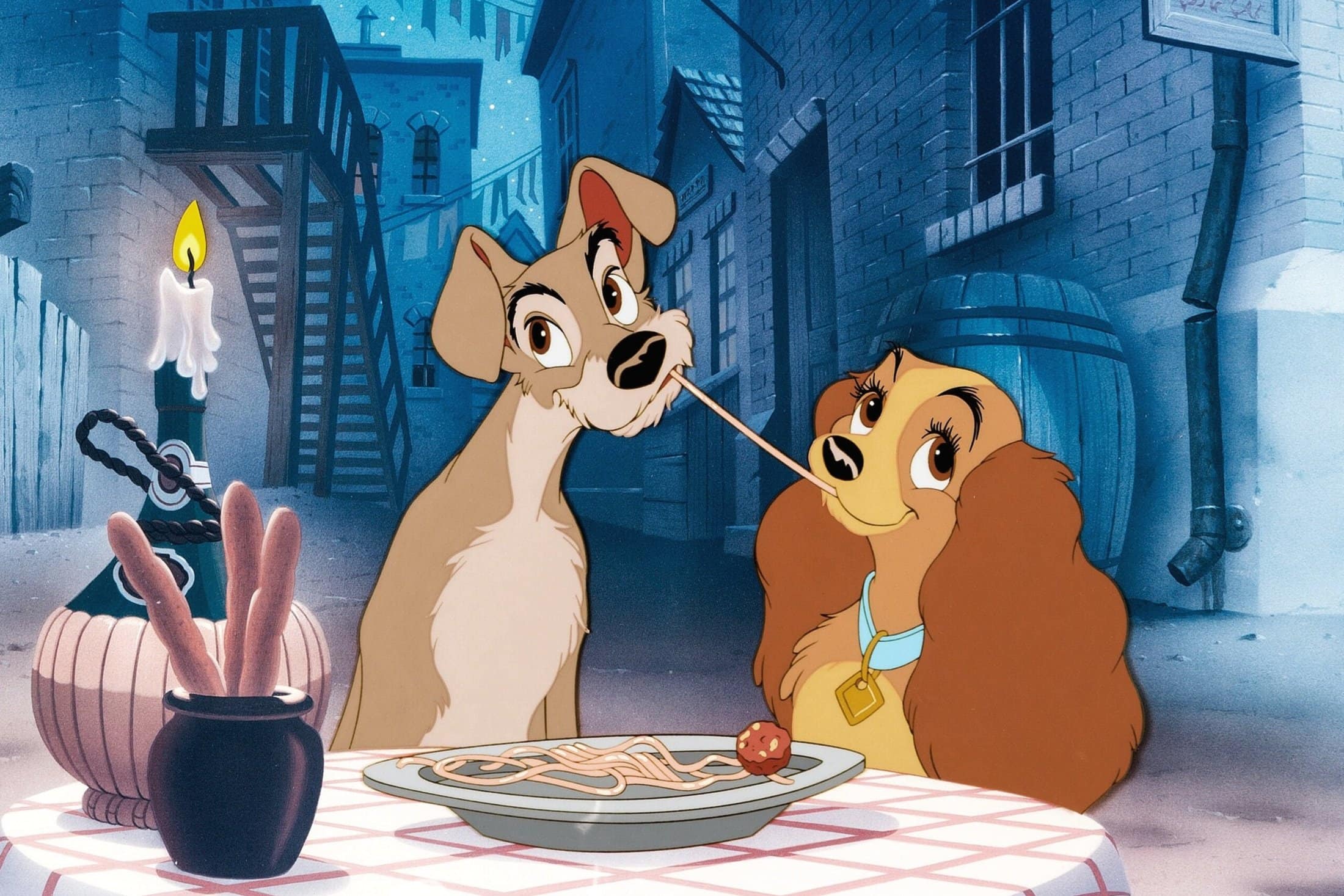
Tramp’s ambiguous ancestry is precisely what makes him so endearing and relatable. He embodies the every-dog, the underdog hero who relies on wit and charm rather than lineage. Yet, for a character so deeply ingrained in popular culture, his design was far from accidental. It was a conscious choice that played a pivotal role in shaping Disney’s brand narrative, demonstrating a shrewd understanding of character appeal, and ultimately contributing to a multi-million dollar franchise that continues to thrive in the digital age. By exploring Tramp’s identity, we uncover insights into character development, the technological tools that bring these characters to life, the strategic branding that sustains their legacy, and the economic machinery that turns animated dreams into tangible assets.
The Canine Enigma: Unpacking Tramp’s Ancestry and Archetype
At first glance, Tramp appears to be an ordinary stray, an amalgam of various breeds. This lack of a specific breed identification is central to his appeal and character arc within the film. He represents freedom, adaptability, and resilience—qualities often associated with stray or mixed-breed dogs. Yet, the animation team at Disney didn’t simply draw a generic dog; they imbued Tramp with distinct visual characteristics that hint at possible ancestral lines, making him both familiar and unique.
The Art of the ‘Mutt’ Design: Visual Clues and Creative Intent
When animators brought Tramp to life in 1955, their goal was to create a character that felt authentic to his streetwise persona. While no definitive statement was ever released detailing his exact composition, visual analysis often points to a blend of several common terrier types. His shaggy coat, wiry build, and expressive face suggest possible influences from breeds like the Schnauzer, Scottish Terrier, or perhaps even a Airedale Terrier or a wire-haired terrier mix. His slightly elongated snout and overall robust structure also hint at broader terrier characteristics, known for their tenacity and intelligence.
The brilliance of this mixed-breed design lies in its universality. By not assigning him a specific pedigree, Disney made Tramp an everyman (or everydog) character. He wasn’t exclusive to any particular kennel club or breed enthusiast. This allowed a broader audience to connect with him, seeing echoes of their own beloved mixed-breed pets, or simply appreciating his underdog charm. This strategic ambiguity underscored a deeper message about character and worth extending beyond superficial labels—a powerful theme that resonates strongly with audiences even today. This approach to character design not only served the narrative but also cemented Tramp’s status as an enduring icon of relatable heroism, rather than an aspirational purebred symbol.
More Than a Pedigree: The Archetype of the Street Dog
Beyond the speculative breed components, Tramp’s true “identity” lies in his archetypal representation. He is the quintessential street dog—resourceful, independent, brave, and deeply loyal once he commits. He lives by his wits, navigating the urban landscape with an innate understanding of its dangers and opportunities. This archetype stands in stark contrast to Lady, the pedigreed Cocker Spaniel, who represents the sheltered, domestic ideal. Their contrasting backgrounds form the core of the film’s narrative, exploring themes of class, freedom, and finding love across divides.
Tramp’s character embodies the “lovable rogue” persona, a common and effective branding strategy in storytelling. He has a history, a past hinted at through his experiences, which makes him more complex and interesting than a perfectly behaved purebred. This depth of character allows for greater emotional investment from the audience. His independence, coupled with his ultimate choice to embrace family life, showcases a powerful transformation that viewers admire. In essence, Tramp’s “brand” is not about his physical attributes as a dog, but about the values and narrative he embodies: resilience, charm, and the transformative power of love and belonging. This strong character branding makes him timeless and universally appealing, transcending specific breeds and becoming a symbol of a certain kind of spirited freedom.
From Animation Cells to AI: Technology’s Lens on Fictional Breeds
The journey of characters like Tramp from hand-drawn cells to digital streams is a testament to the profound impact of technology on storytelling and character perception. While Tramp originated in an era of painstaking hand-drawn animation, modern technology now allows us to revisit and reinterpret such classics, even sparking new ways to “analyze” their fictional biology.
The Evolution of Character Design and Animation Tech
The original Lady and the Tramp was a landmark in animation, pushing boundaries with its widescreen CinemaScope format and sophisticated character animation. Animators meticulously studied real dogs to capture their movements and expressions, bringing an unprecedented level of realism to the cartoon characters. This traditional animation process, involving countless drawings and frames, was a technological marvel of its time, showcasing the skill and dedication required to create believable on-screen life.
Fast forward to the 21st century, and the 2019 live-action remake of Lady and the Tramp for Disney+ demonstrated a dramatic leap in technology. Using advanced CGI and real animal actors, this adaptation brought a new dimension to Tramp, rendering him with photorealistic detail. This technological shift impacts how audiences perceive fictional breeds. A CGI Tramp, with digitally rendered fur and nuanced facial expressions, prompts questions about his “real-world” breed more intensely than a cartoon counterpart, even if both are ultimately fictional constructs. This evolution in animation technology allows for greater fidelity to real-world biology, paradoxically making the question of a fictional character’s breed even more compelling.
AI, Digital Forensics, and Fictional Canines
The rise of artificial intelligence and advanced software tools has introduced intriguing possibilities, even for analyzing fictional characters. While impractical for a purely hand-drawn character like the original Tramp, imagine a scenario where AI-powered breed identification software, typically used for analyzing photographs of real dogs, could be applied to his photorealistic CGI counterpart. These AI tools leverage vast databases of canine images and genetic markers to identify breeds with increasing accuracy.
While still within the realm of speculative fiction for animated characters, this concept highlights the transformative power of technology. AI could, theoretically, analyze a character’s features—muzzle length, ear shape, coat texture, body proportions—and offer statistical probabilities of contributing breeds. This “digital forensics” approach, though whimsical when applied to cartoons, underscores how technology is changing our interaction with and analysis of all forms of media. It allows fans and creators to engage with fictional worlds in new, data-driven ways, turning casual speculation into a more “scientific” endeavor, albeit within a constructed reality. Furthermore, online forums and fan communities, enabled by digital platforms, thrive on such discussions, using technology to share theories and analyze every frame of a character’s appearance, dissecting their traits down to the smallest detail.
Digital Storytelling and Character Immortality
Beyond analysis, technology plays a crucial role in ensuring characters like Tramp remain culturally relevant. Digital streaming platforms like Disney+, along with high-definition remasters and digital archives, guarantee that the original film, along with its live-action counterpart, is accessible to new generations worldwide. This digital preservation is a cornerstone of brand longevity and intellectual property management.
The ease of access facilitated by technology allows for continuous engagement with these classic narratives. Children today can instantly stream Lady and the Tramp on a tablet, just as their grandparents might have watched it in a cinema decades ago. This technological continuity ensures that Tramp’s story and his iconic image are continually refreshed and reintroduced, preventing them from fading into obscurity. It makes character immortality not just a poetic concept but a technological reality, continually feeding the brand and its associated economic ecosystem.
The Brand of Tramp: A Canine Icon’s Enduring Legacy
Tramp is not just a dog; he is a powerfully branded character within one of the world’s most recognizable corporate identities: Disney. His endearing persona, rooted in his mixed-breed status and streetwise charm, has been instrumental in shaping Disney’s narrative and its enduring appeal to diverse audiences.

Disney’s Branding Genius: The Power of Relatable Characters
Disney’s brand success is built on its ability to create characters that evoke strong emotional responses and embody universal values. Tramp perfectly fits this mold. His journey from stray to cherished family member resonates with themes of belonging, love, and overcoming adversity—themes central to the Disney brand. His mixed-breed status, far from being a liability, became an asset, positioning him as an underdog who achieves happiness, making him incredibly relatable and aspirational.
This strategic character branding reinforces Disney’s broader brand message: that magic, love, and happiness can be found in unexpected places and people (or animals). Tramp’s story contributed significantly to the perception of Disney as a creator of heartwarming, family-friendly entertainment that celebrates intrinsic worth over superficial status. The conscious decision to make him a “mutt” was a brilliant stroke of brand genius, allowing for broader audience identification and strengthening the emotional connection between the audience and the Disney universe. This emotional resonance is key to building customer loyalty and fostering a nostalgic connection that spans generations.
Personal Branding for a Fictional Canine
Even a fictional dog can possess a strong “personal brand.” Tramp’s brand persona is that of the charming, rebellious, yet ultimately good-hearted rogue. He’s independent, a little bit dangerous, but always protective and ultimately romantic. This specific branding makes him distinctive among Disney characters. He’s not a prince, a superhero, or a mythical creature; he’s an everyday hero, elevated by circumstance and his own moral compass.
This “personal brand” makes Tramp highly marketable. He represents a certain adventurous spirit that appeals to both children and adults. His interactions with Lady, a character with a very different “brand” (refined, innocent, pampered), create a dynamic tension that further defines and strengthens both their individual brands and their collective impact as a famous duo. The successful branding of Tramp as a unique personality allows for his continued relevance and appeal across various media, from film to merchandise. His consistent character traits, despite different animation styles or storylines, ensure that his brand remains cohesive and recognizable.
Marketing the Mutt: Merchandise, Media, and Cultural Impact
Tramp’s enduring appeal has translated into significant marketing and cultural impact. Disney has masterfully leveraged his image across a vast array of merchandise, from plush toys and apparel to home goods and collectibles. His likeness adorns countless products, perpetuating his image and reinforcing his brand in the minds of consumers. This merchandising strategy is a critical component of Disney’s corporate identity and revenue generation.
Beyond physical products, Tramp’s cultural impact is evident in how his story is revisited and retold. The live-action remake, for example, wasn’t just a new film; it was a re-engagement with a beloved brand, introducing Tramp to a new generation while rekindling nostalgia for older fans. This continuous media presence ensures that Tramp remains a vibrant part of the cultural lexicon. His iconic spaghetti scene, in particular, is one of the most recognizable moments in animation history, a testament to the power of a well-crafted narrative and character interaction to embed itself deeply within global consciousness. This sustained marketing and cultural presence are vital for maintaining the intellectual property’s value and ensuring its continued financial success.
The Economics of an Animated Icon: Tramp’s Multimillion-Dollar Paw Print
The question of Tramp’s breed might seem trivial, but when considered within the vast economic ecosystem of a company like Disney, it points to significant financial implications. A character as beloved and recognizable as Tramp is not just a creative triumph; he is a valuable asset, contributing to various revenue streams and representing a substantial financial investment.
Box Office and Beyond: The Financial Success of Lady and the Tramp
The original 1955 film Lady and the Tramp was a massive box office success for Disney, grossing millions and solidifying its place as a classic animated feature. This initial financial triumph was just the beginning. Over the decades, the film has been rereleased in theaters multiple times, generating additional revenue. The advent of home video, VHS, DVD, and Blu-ray further extended its commercial life, making it a consistent performer in the entertainment market.
The 2019 live-action remake, released directly on Disney+, underscored the continued financial viability of the franchise. While Disney+ subscription figures are proprietary, the film served as a key draw for the new streaming service, contributing to its subscriber growth and overall brand value. Each iteration and platform for the film represents a calculated financial investment with expected returns, proving the enduring economic power of the characters, with Tramp as a central figure. The character’s design, relatability, and story arc are all meticulously crafted to ensure maximum audience engagement and, consequently, maximum financial return.
Merchandise and Licensing: A Steady Stream of Income
Perhaps the most tangible financial impact of Tramp and characters like him comes from merchandise and licensing. The sheer volume of products bearing Tramp’s image—from toys and collectibles to apparel and household items—represents a consistent and significant revenue stream for Disney. Licensing deals with various manufacturers allow Disney to leverage its intellectual property across diverse product categories, generating royalties and licensing fees.
The global reach of Disney’s merchandising machine means that Tramp-themed products are sold worldwide, tapping into a vast consumer base. This economic model turns the emotional connection people have with characters into tangible sales. Investors keen on the “Money” aspect of media companies recognize that strong character IP is a critical asset, capable of generating income for decades, far beyond the initial box office run of a film. The ability to continually refresh and reintroduce merchandise, perhaps with technological enhancements or tie-ins to new digital content, ensures this revenue stream remains robust.
The Pet Industry Connection: Fictional Dogs Driving Real-World Trends
While not a direct monetary correlation, fictional dogs like Tramp can also subtly influence broader economic trends, particularly within the booming pet industry. Beloved on-screen canines often inspire pet adoptions or purchases, and can even influence the naming of pets. More broadly, the emotional connection fostered by characters like Tramp reinforces the cultural value of pets, contributing to the overall market for pet food, accessories, veterinary care, and even pet technology (like smart feeders or GPS trackers).
The multi-billion dollar pet industry thrives on the human-animal bond, and characters like Tramp serve as powerful cultural touchstones for that bond. They remind us of the joy, loyalty, and companionship that dogs bring into our lives, indirectly fueling an industry dedicated to enhancing the well-being of our furry friends. Investment opportunities within the pet tech and pet care sectors are often underpinned by this deep-seated emotional connection, which animated characters like Tramp help to cultivate and maintain across generations.

Conclusion
The simple question, “What breed of dog was Tramp?” unlocks a much richer, multifaceted discussion that extends far beyond canine taxonomy. While he is unequivocally a mixed breed, a “mutt” by design, this very ambiguity is key to his enduring appeal and his significant role in the worlds of technology, branding, and finance. Tramp’s deliberate design as a relatable, street-smart hero exemplifies sophisticated character branding that has cemented his place in global culture.
From the analog artistry of early animation to the digital prowess of modern CGI and AI analytics, technology has continually shaped how we perceive, create, and interact with fictional characters like Tramp, ensuring their immortality across changing media landscapes. This technological evolution, in turn, underpins a robust economic model. Tramp is not merely a figment of imagination; he is a valuable intellectual property asset, contributing to Disney’s colossal box office revenues, driving massive merchandise sales, and reinforcing the cultural narratives that inspire real-world economic activity, even within the vast pet industry.
Ultimately, Tramp’s “breed” is less about genetics and more about the narrative he embodies, the emotional resonance he evokes, and the immense commercial value he generates. His story is a testament to the power of thoughtful character creation, demonstrating how a timeless figure, crafted without a specific pedigree, can become a cornerstone of a global brand, powered by technological innovation, and underpinned by a shrewd understanding of marketing and monetary potential. He truly is a symbol of how art, innovation, and commerce intertwine to create lasting legacies.
aViewFromTheCave is a participant in the Amazon Services LLC Associates Program, an affiliate advertising program designed to provide a means for sites to earn advertising fees by advertising and linking to Amazon.com. Amazon, the Amazon logo, AmazonSupply, and the AmazonSupply logo are trademarks of Amazon.com, Inc. or its affiliates. As an Amazon Associate we earn affiliate commissions from qualifying purchases.