
The decision to get a body piercing is often accompanied by a mix of excitement and apprehension, with one question frequently dominating the latter: “How much is this going to hurt?” While pain is inherently subjective, influenced by individual tolerance, physiological factors, and even psychological preparedness, certain piercings consistently rank lower on the discomfort scale due to nerve distribution and tissue characteristics. Beyond the initial prick, understanding the modern piercing landscape—encompassing technological advancements, the importance of a strong studio brand, and wise financial considerations—can significantly influence the overall experience, turning potential agony into manageable discomfort.
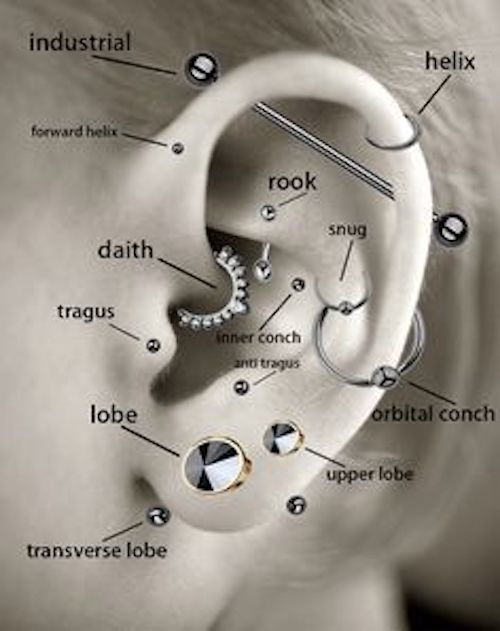
This comprehensive guide aims to demystify the pain factor in body piercings, identifying the contenders for the “least painful” title while also exploring how a holistic approach, informed by insights from technology, branding, and personal finance, can lead to a smoother, safer, and ultimately less painful piercing journey.
Understanding Pain: The Science and Psychology Behind Piercing Discomfort
Before we dive into specific piercing types, it’s crucial to acknowledge that pain is a complex phenomenon. It’s not just about nerve endings; it’s about your brain’s interpretation of signals, influenced by past experiences, current mood, and even cultural conditioning.
Factors Influencing Pain Perception
Several elements converge to shape your unique pain experience during a piercing:
- Nerve Endings: Areas with fewer nerve endings (like fleshy parts) generally hurt less than those densely packed with nerves (like cartilage). This is a primary physiological determinant.
- Tissue Type: Piercing through soft, fleshy tissue is typically less painful than piercing through thick cartilage. Cartilage is denser and more resilient, requiring more force and potentially causing a more intense, albeit brief, sensation.
- Individual Pain Threshold: Everyone’s tolerance level is different. What one person describes as a mild pinch, another might find intensely uncomfortable. This inherent variability makes definitive statements challenging.
- Psychological State: Anxiety, fear, and stress can amplify pain perception. Conversely, being calm, relaxed, and well-prepared can help mitigate discomfort. Endorphins, the body’s natural painkillers, are often released in response to stress or excitement, sometimes providing a temporary numbing effect.
- Piercer’s Skill and Technique: An experienced, steady hand using a sharp, high-quality needle will perform the piercing quickly and efficiently, minimizing trauma and pain. Conversely, an inexperienced piercer or the use of blunt tools can prolong the process and increase discomfort.
- Needle Gauge: Thicker needles (lower gauge numbers) might cause a more pronounced initial sensation than thinner ones, though this is often momentary.
The “Least Painful” Contenders
Considering the factors above, some piercings consistently receive lower pain ratings from those who’ve experienced them:
- Earlobe Piercings: Universally regarded as one of the least painful options, earlobe piercings involve soft, fleshy tissue with relatively few nerve endings. The sensation is often described as a quick, sharp pinch, quickly followed by a dull ache that subsides within minutes. Their popularity, especially as a first piercing, is largely due to this minimal discomfort.
- Nostril Piercings: While the nose is a sensitive area, the outer nostril where most piercings are placed is primarily cartilage, but it’s thin and pierces quickly. Many report a sharp, watery-eyed sensation that dissipates quickly, rating it surprisingly low on the pain scale compared to what they anticipated.
- Navel (Belly Button) Piercings: This area is typically fleshy, with less nerve density than many other body parts. The sensation is often described as a strong pinch or pressure. Healing can be a bit more involved due to clothing friction, but the initial pain is generally considered moderate to low.
- Lip Piercings (Labret, Monroe): The soft tissue of the lip is relatively easy to pierce, and the area tends to numb quickly. While there’s a definite sharp pinch, many find it less painful than expected, often comparing it to a brief sting. The inner mouth can swell, leading to discomfort post-piercing, but the actual piercing process is often quick.
- Eyebrow Piercings: Similar to lip piercings, eyebrow piercings go through thin skin and underlying tissue. The initial pinch is noticeable but generally quick, and the area isn’t densely packed with major nerves. Like any facial piercing, swelling can be a factor post-piercing.
It’s important to differentiate initial piercing pain from the discomfort of the healing process. Even a “low pain” piercing can become problematic if aftercare is neglected.
The Modern Piercing Experience: Technology, Safety, and Skill
The piercing industry has evolved significantly, moving far beyond unsterile practices into a realm where technology and professional skill dramatically enhance safety, reduce pain, and improve outcomes. For those concerned about discomfort, leveraging these advancements is paramount.
Technological Advancements in Piercing Tools
Modern piercing studios, particularly those that prioritize hygiene and client comfort, rely on a suite of technological innovations:
- Sterilization Equipment (Autoclaves): This is perhaps the most critical technological advancement. Autoclaves use high-pressure steam to sterilize all reusable equipment (forceps, clamps, jewelry) to medical-grade standards, eradicating bacteria, viruses, and spores. This dramatically reduces the risk of infection, which can cause significant pain and complications.
- High-Quality Needles: Gone are the days of dull or improperly sharpened needles. Professional piercers use extremely sharp, hollow, medical-grade needles, often laser-cut, designed for single-use. Their precision and sharpness minimize tissue trauma, resulting in a quicker, cleaner, and less painful perforation. The use of specialized needles for different tissue types (e.g., beveled tips for cartilage) further refines the process.
- Advanced Jewelry Materials: Biocompatible materials like implant-grade titanium, surgical stainless steel, niobium, and solid gold minimize allergic reactions and irritation, which can contribute to prolonged pain and healing issues. These materials are smooth, polished, and free of imperfections that could harbor bacteria or irritate the fresh wound.
- Digital Tools for Precision: While not direct piercing tools, digital calipers and mapping tools can help piercers precisely mark the piercing placement, ensuring symmetry and aesthetic appeal, which indirectly contributes to a smoother process by avoiding re-dos.
- Topical Anesthetics and Pain Relief Technologies: While not always used or necessary for every piercing, some piercers may offer topical numbing creams for clients with extreme anxiety or low pain thresholds. Emerging technologies in pain management, though not yet standard in piercing studios, include cryo-analgesia (localized cooling) or even micro-vibration devices to distract nerves. While not universal, the availability of such options points to a future where discomfort is further minimized.
Digital Resources and Community: Finding Reputable Piercers
In the digital age, technology empowers clients to research and select piercers who adhere to the highest standards, ensuring a safer and less painful experience.
- Online Portfolios and Social Media: Reputable piercers and studios maintain active online presences on platforms like Instagram, Facebook, and dedicated websites. These platforms showcase their work, demonstrating skill, aesthetic quality, and adherence to safety standards. Reviewing these portfolios allows clients to assess a piercer’s experience with specific piercing types and verify their track record.
- Online Reviews and Forums: Websites like Yelp, Google Reviews, and dedicated piercing forums provide invaluable insights from past clients. Look for consistent positive feedback regarding cleanliness, professionalism, aftercare instructions, and pain management techniques. Red flags include complaints about hygiene, rude staff, or poor healing outcomes.
- Association Websites and Directories: Professional piercing associations (e.g., Association of Professional Piercers – APP in North America) maintain online directories of certified members. These piercers adhere to stringent safety, hygiene, and ethical standards, significantly increasing the likelihood of a safe and comfortable experience. This is a crucial step in ensuring that the “brand” of your piercer is reputable.
- Aftercare Apps and Digital Guides: Many studios provide digital aftercare instructions via QR codes, websites, or even dedicated apps. These tools offer easy access to information, reminders for cleaning, and troubleshooting tips, helping clients maintain proper hygiene and prevent complications that can lead to pain.
By leveraging these technological and digital resources, clients can make informed decisions, choosing skilled piercers who utilize the best equipment and practices, thereby significantly reducing the likelihood of excessive pain and complications.

Piercing as Personal Brand and Financial Consideration
Getting a piercing is more than just a physical act; it’s an investment in your personal aesthetic, a statement about your brand, and a financial commitment. Understanding these aspects can help ensure that your journey is as smooth and pain-free as possible, both literally and figuratively.
The Investment in Quality: Why Price Matters
In the world of body piercing, “you get what you pay for” is a golden rule. Opting for the cheapest piercing might save you a few dollars upfront, but it often comes with hidden costs in terms of pain, complications, and long-term health.
- Skilled Piercers are Worth the Cost: A professional piercer charges for their expertise, experience, and adherence to safety protocols. This includes ongoing training, attending conferences, and maintaining certifications. Their skill ensures a quick, precise piercing that minimizes tissue damage and pain, and their knowledge allows them to advise on proper placement and aftercare, preventing future issues.
- Sterile Environment and Equipment: Reputable studios invest heavily in maintaining a meticulously clean environment, including medical-grade sterilization equipment (autoclaves), single-use needles, and appropriate PPE. These operational costs are reflected in the price, but they are non-negotiable for preventing infections, which are a major source of pain and potential health risks. Cutting corners here is a direct path to a painful and dangerous experience.
- Quality Jewelry: Initial piercing jewelry must be made from biocompatible, implant-grade materials. These materials are more expensive than low-quality alloys, but they are crucial for preventing allergic reactions, irritation, and complications that can lead to prolonged pain and delayed healing. Investing in quality jewelry is an investment in your body’s ability to heal gracefully.
- Avoiding Hidden Financial Costs: A cheap piercing often leads to expensive problems. Infections can require costly medical treatment, antibiotics, and even surgical intervention. Poorly placed piercings might need removal and re-piercing, doubling your initial cost. Choosing quality upfront is a financially savvy decision that mitigates these risks.
Reputation and Branding: Choosing Your Studio Wisely
Just as a successful business cultivates a strong brand, a reputable piercing studio builds its brand on trust, safety, and artistic skill. Your choice of studio significantly impacts your piercing experience and reflects on your own personal brand.
- The Studio’s Brand: A well-branded studio projects professionalism, cleanliness, and expertise. Look for studios with clear branding, professional websites, transparent pricing, and visible certifications. A strong brand identity in this industry signifies a commitment to high standards.
- Piercer’s Personal Brand: Many piercers cultivate their own personal brand within a studio, showcasing their unique style, specialization (e.g., curations, specific body parts), and client testimonials. A piercer with a strong personal brand is often dedicated to continuous learning and client satisfaction, leading to a more reassuring and comfortable experience.
- Impact on Your Personal Brand: The choice of piercing and the quality of its execution contribute to your personal brand—how you present yourself to the world. A well-executed, healthy piercing enhances your chosen aesthetic, while a poorly done or infected piercing can detract from it, potentially impacting professional opportunities or social perceptions. Choosing a reputable studio ensures your piercing reflects positively on you.
- Marketing and Transparency: Reputable studios market themselves through transparency—showcasing their sterilization practices, piercer credentials, and client success stories. They don’t shy away from answering questions or addressing concerns, which is a hallmark of a trustworthy brand.
Aftercare: A Financial and Health Commitment
The financial investment doesn’t end when you walk out of the studio. Proper aftercare is a continuous commitment vital for pain management, preventing complications, and ensuring successful healing.
- Cost of Aftercare Products: This includes saline solution, mild soaps, or specific cleaning products recommended by your piercer. While these might seem like minor expenses, they are critical. Using improper or harsh products can irritate the piercing, causing pain, swelling, and infection.
- Time as an Investment: Aftercare requires consistent effort and time. Neglecting the cleaning regimen or failing to follow instructions can lead to prolonged healing, infections, and discomfort.
- Avoiding Costly Complications: The financial cost of treating an infected piercing (doctor’s visits, medication) far outweighs the cost of diligent aftercare. A healthy piercing heals faster and hurts less.
- Long-Term Jewelry Costs: While the initial jewelry is often part of the piercing package, many choose to upgrade their jewelry after healing. This is another financial consideration, allowing for personalization and expression as the piercing becomes a permanent part of your brand.
By treating a piercing as an investment—in quality, safety, and diligent aftercare—you significantly reduce the risk of pain and complications, ensuring a satisfying and healthy outcome.
Debunking Myths and Maximizing Comfort
Beyond choosing a low-pain piercing and a skilled professional, dispelling common myths and actively preparing for your appointment can further minimize discomfort.
Pre-Piercing Preparation
What you do before you even set foot in the studio can impact your pain experience:
- Hydration and Nutrition: Be well-hydrated and have a good meal before your appointment. Low blood sugar can contribute to lightheadedness and increased pain sensitivity. Being well-nourished helps your body cope with the minor stress of the piercing.
- Adequate Sleep: Being well-rested helps maintain a strong immune system and improves your body’s ability to manage stress and pain.
- Avoid Alcohol and Blood Thinners: Alcohol can thin your blood and dehydrate you, increasing bleeding and potentially prolonging healing. Avoid aspirin and other blood-thinning medications for at least 24-48 hours prior (unless medically necessary, in which case consult your doctor and piercer).
- Research and Ask Questions: Knowledge is power. Understanding the process, potential pain levels, and aftercare will reduce anxiety, which in turn can lower pain perception. Don’t hesitate to ask your piercer any questions you have.
- Choose the Right Time: If you’re a woman, avoid getting pierced during your menstrual cycle, as pain sensitivity can be heightened during this time.

Post-Piercing Care for Faster Healing
The initial pain is just the beginning. Proper aftercare is crucial for a smooth, less painful healing process:
- Follow Piercer’s Instructions Religiously: Your piercer will provide specific aftercare instructions tailored to your piercing type. These instructions are vital for preventing infection and promoting healing.
- Gentle Cleaning: Use only the recommended cleaning solutions (typically sterile saline solution) and methods. Over-cleaning or using harsh chemicals (like alcohol or hydrogen peroxide) can irritate the piercing, causing prolonged pain, swelling, and delaying healing.
- Avoid Touching and Twisting: Resist the urge to touch or play with your new piercing. Hands carry bacteria, and twisting the jewelry can introduce contaminants into the healing wound, causing irritation and infection.
- Protect from Trauma: Be mindful of clothing, hair, and activities that could snag or bump the piercing. Trauma is a major cause of pain and complications during healing.
- Maintain Overall Health: A healthy body heals faster. Continue to eat well, stay hydrated, get enough sleep, and manage stress.
- Monitor for Complications: Be vigilant for signs of infection (excessive redness, swelling, heat, throbbing pain, pus) or allergic reaction. Early detection and intervention can prevent minor issues from becoming major, painful problems.
In conclusion, while the earlobe often takes the crown for the “least painful” body piercing, the entire experience is profoundly shaped by a confluence of factors. Leveraging technology for sterile equipment and digital research, understanding the critical importance of a reputable studio’s brand, and making wise financial investments in quality and diligent aftercare are as crucial as the chosen piercing location itself. By approaching your piercing journey with an informed perspective and a commitment to best practices, you can significantly minimize discomfort and ensure a beautiful, healthy, and lasting adornment.
aViewFromTheCave is a participant in the Amazon Services LLC Associates Program, an affiliate advertising program designed to provide a means for sites to earn advertising fees by advertising and linking to Amazon.com. Amazon, the Amazon logo, AmazonSupply, and the AmazonSupply logo are trademarks of Amazon.com, Inc. or its affiliates. As an Amazon Associate we earn affiliate commissions from qualifying purchases.