
More than just a scooter, the Vespa is a global icon, a symbol of freedom, style, and Italian ingenuity. Since its inception in post-World War II Italy, it has transcended its utilitarian origins to become a cultural phenomenon, an enduring design classic, and a significant economic force. For decades, the distinctive silhouette of a Vespa has graced countless films, advertisements, and streets worldwide, cementing its place in the collective imagination. But what exactly are Vespas, beyond their charming aesthetics? To truly understand this legendary machine, we must examine it through a multi-faceted lens, exploring its journey from a humble mode of transport to a sophisticated piece of technology, a masterclass in brand building, and a surprisingly robust economic entity. This article delves into the technological innovations that defined its past and shape its future, the branding strategies that elevated it to cult status, and the various financial dimensions that make Vespa ownership and the broader Vespa ecosystem a fascinating study in money and investment.
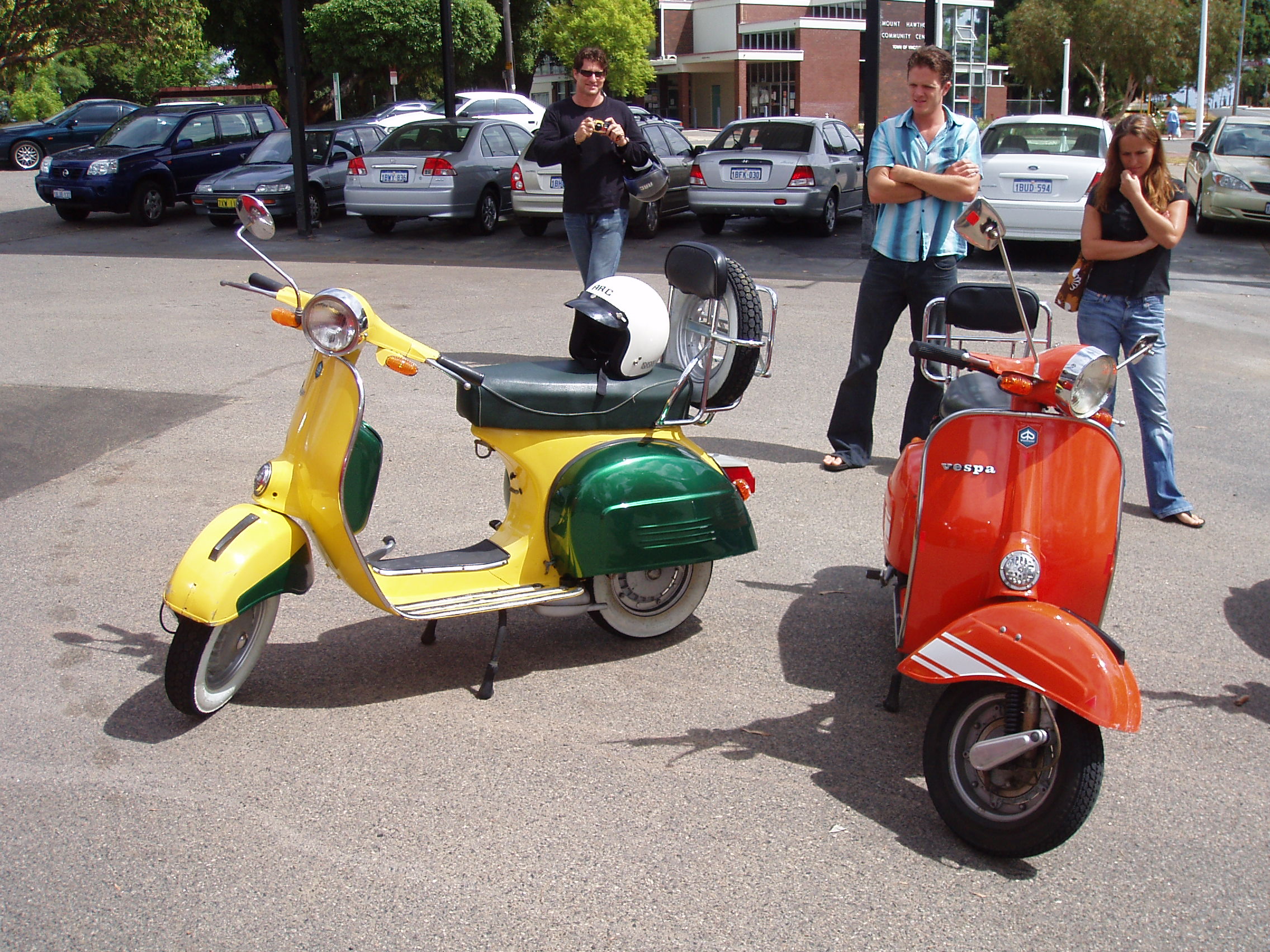
Vespa as a Technological Marvel: From Post-War Ingenuity to Modern Innovation
The story of the Vespa is inextricably linked with technological advancement, demonstrating a continuous evolution from its humble, practical beginnings to its current status as a sophisticated urban mobility solution. Its initial design was a stroke of genius, addressing the immediate post-war need for affordable and accessible personal transportation, while its modern iterations showcase cutting-edge features that align with contemporary technology trends.
Origins of Innovation: Solving Post-War Mobility Challenges
The birth of the Vespa in 1946 by Piaggio, an Italian aeronautical company, was a testament to innovative problem-solving. Engineer Corradino D’Ascanio, tasked with designing a simple, robust, and affordable vehicle, eschewed traditional motorcycle designs. He envisioned a vehicle that was easy to ride for men and women, clean (no chain drive to dirty clothes), and allowed riders to sit comfortably rather than straddle. The result was revolutionary. The Vespa’s iconic monocoque (uni-body) chassis, stamped from steel, was lighter and cheaper to produce than a traditional tubular frame, while also providing structural rigidity and integrated bodywork. This design element was a direct transfer of aircraft manufacturing techniques.
Furthermore, its single-sided front suspension, inspired by aircraft landing gear, made tire changes remarkably simple. The engine, a compact two-stroke unit, was enclosed within the rear bodywork, directly coupled to the rear wheel, eliminating a greasy chain. The gear shift was integrated into the left handlebar, an ergonomic detail that contributed to ease of use. These design choices were not merely aesthetic; they were profound technological decisions that prioritized practicality, accessibility, and user comfort, making the Vespa a true marvel of post-war engineering. The very name “Vespa,” meaning “wasp” in Italian, was a direct reference to its buzzing engine sound and distinctive shape, a testament to its functional design.
The Digital Evolution: Smart Features and Rider Connectivity
While the core principles of simplicity and elegance remain, modern Vespas are far removed from their utilitarian ancestors, embracing significant technological advancements. Today’s models feature sophisticated fuel injection systems for better efficiency and lower emissions, advanced braking systems like Anti-lock Braking System (ABS) for enhanced safety, and often Traction Control System (ASR) to prevent wheel slip. LED lighting has replaced traditional bulbs, offering brighter illumination, greater energy efficiency, and a longer lifespan.
One of the most significant strides into the digital age for Vespa has been the integration of the Vespa MIA connectivity system. This optional or standard feature, depending on the model, turns the scooter into a smart gadget on wheels. Via a dedicated app, available on both iOS and Android, riders can connect their smartphones to their Vespa’s onboard electronics via Bluetooth. This integration allows for a host of digital features that enhance the riding experience and productivity. Riders can manage phone calls and music directly from the handlebar controls, utilize advanced navigation features displayed on the scooter’s digital dashboard, and even view detailed vehicle information such, as speed, fuel level, and trip statistics, directly on their phone or the scooter’s display. This seamless connectivity transforms the Vespa into an extension of the rider’s digital life, aligning perfectly with modern technology trends in smart devices and apps, offering a blend of classic style with contemporary digital security and convenience.
Embracing the Future: Vespa’s Electric and Sustainable Trajectory
As the world shifts towards sustainable mobility, Vespa has not been left behind. The introduction of the Vespa Elettrica marked a significant leap into the future, demonstrating Piaggio’s commitment to environmental responsibility and cutting-edge battery technology. The Elettrica retains the iconic design that defines the brand but houses an entirely electric powertrain. This model delivers silent, smooth, and emission-free urban commuting. Its electric motor provides instant torque, making it nimble and responsive in city traffic, while its integrated battery pack offers a respectable range suitable for daily commutes, often with regenerative braking contributing to efficiency.
The Elettrica also incorporates advanced smart technology, including a TFT color display that connects to the Vespa MIA platform, offering even more detailed information and connectivity features. It represents not just an alternative propulsion system but a holistic approach to smart, clean urban mobility. Beyond the Elettrica, Piaggio continues to research and develop future technologies, exploring advancements in battery density, faster charging solutions, and perhaps even AI-driven diagnostics or predictive maintenance to ensure Vespas remain at the forefront of sustainable and intelligent personal transport. This forward-thinking approach ensures that the Vespa, while deeply rooted in history, remains relevant in the ever-evolving landscape of technology trends and sustainable solutions.
The Enduring Vespa Brand: A Masterclass in Identity and Marketing
The Vespa’s journey from a practical post-war vehicle to a global cultural icon is a textbook example of brilliant brand strategy, design, and marketing. It’s a brand that evokes strong emotions, conjures images of freedom and romance, and has built an almost unparalleled reputation for style and reliability. Its success lies not just in its mechanical prowess but in its profound ability to connect with people on a deeper, aspirational level.
Crafting an Icon: Design, Lifestyle, and Italian Heritage
The most immediate and striking aspect of the Vespa brand is its design. The unique, flowing lines, the broad leg shield, the integrated bodywork, and the distinctive “wasp” shape are instantly recognizable. This isn’t just good design; it’s timeless design, a rare feat that has allowed the Vespa to remain aesthetically relevant for over seven decades without radical alteration. This consistent corporate identity and design philosophy have been crucial to its enduring appeal. The Vespa’s form is inherently ergonomic and practical, but it also exudes an undeniable elegance and charm.
Beyond its physical attributes, Vespa masterfully cultivated an association with a particular lifestyle: the “Dolce Vita” of post-war Italy. It became a symbol of freedom, youth, adventure, and effortless cool. Owning a Vespa wasn’t just about transport; it was about buying into a dream – a carefree, stylish existence. This powerful emotional connection, rooted deeply in Italian heritage and cultural ideals, has been a cornerstone of its brand strategy. It sells an experience, a sense of belonging, rather than just a machine. This aspirational branding has allowed it to command a premium price and maintain a distinct position in a competitive market.

Global Reach Through Strategic Marketing and Community Building
Vespa’s marketing efforts have been as iconic as the scooter itself. The brand leveraged popular culture brilliantly, most notably with its prominent feature in the 1953 Hollywood film “Roman Holiday,” starring Audrey Hepburn and Gregory Peck. This single movie elevated the Vespa from a regional curiosity to a global symbol of romance and adventure, creating an indelible image in the minds of millions. Subsequent appearances in other films, television shows, and advertisements around the world continued to reinforce this aspirational image.
Beyond traditional advertising, Vespa has excelled in cultivating a passionate global community. Vespa clubs exist in virtually every major city, organizing rallies, tours, and social events. This grassroots movement creates a powerful sense of belonging and loyalty, turning customers into ardent brand ambassadors. In the digital age, this community thrives online, with social media groups, forums, and influencers dedicated to Vespa culture. This strategic emphasis on community building, coupled with smart product placement and celebrity endorsements, has built a formidable brand reputation that transcends mere product features. It’s a testament to effective marketing that fosters genuine emotional attachment and collective identity.
Maintaining Brand Prestige in a Dynamic Market
In an increasingly competitive global market, maintaining brand prestige is a constant challenge. Yet, Vespa has largely succeeded in preserving its premium, aspirational status. Piaggio’s brand strategy for Vespa involves a careful balancing act: innovating with technology while steadfastly protecting the core design and lifestyle values. They achieve this through several key approaches. Firstly, a consistent commitment to quality materials and craftsmanship reinforces its premium positioning. Secondly, the introduction of limited edition models and collaborations with designers or luxury brands keeps the brand fresh and exclusive, attracting new discerning customers while rewarding loyalists.
Furthermore, Vespa actively manages its narrative, emphasizing its heritage, enduring design, and the lifestyle it represents. It avoids price wars and instead focuses on value proposition, differentiating itself from cheaper competitors through its unmatched brand equity, reliability, and emotional appeal. This meticulous attention to corporate identity and brand strategy ensures that Vespa remains a highly desirable product, not just a practical mode of transport. Its ability to command respect and affection from diverse demographics, from fashion-conscious urbanites to classic vehicle collectors, underscores its unparalleled brand strength and its success in maintaining a unique and enviable reputation.
The Economics of Vespa: Investment, Business, and Financial Opportunity
Beyond its technological elegance and brand prowess, the Vespa also presents a compelling case study in economics, offering diverse financial implications for individuals, businesses, and even investors. From personal finance considerations for owners to significant corporate strategies for Piaggio and lucrative side hustles, the world of Vespa is rich with monetary dimensions.
Vespa as a Tangible Asset: Personal Finance and Collector’s Value
For the individual, a Vespa represents a significant personal finance decision. The initial purchase price of a new Vespa can be higher than many other scooters, reflecting its premium brand status and quality. However, this investment often comes with tangible long-term benefits. Vespas are renowned for their fuel efficiency, making them a cost-effective solution for urban commuting, reducing daily transportation expenses. Maintenance costs, while necessary, can be reasonable for standard models, and their robust construction often translates to a longer lifespan than many competitors.
Crucially, Vespas hold their resale value remarkably well. Unlike many vehicles that depreciate sharply, a well-maintained Vespa, especially classic models, can even appreciate over time. Vintage Vespas, in particular, are highly sought after by collectors and enthusiasts worldwide. Investing in a classic Vespa restoration can be a passion project that also yields significant financial returns, with rare or perfectly restored models fetching substantial sums at auction. This makes some Vespas more than just transportation; they become collectible assets, akin to art or vintage cars, offering a unique blend of utility and potential investment appreciation, appealing to those interested in “Investing” beyond traditional stocks and bonds.
The Vespa Business Ecosystem: Dealerships, Aftermarket, and Corporate Strategy
At a larger scale, the Vespa brand underpins a vast and thriving business ecosystem. Piaggio, the parent company, operates a sophisticated global manufacturing and distribution network. Its business finance strategies involve managing supply chains, marketing campaigns, and a vast network of dealerships across continents. These dealerships themselves are significant small to medium-sized businesses, employing staff, managing inventory, and providing essential services like sales, maintenance, and spare parts. They often rely on specific financial tools for inventory management, customer financing, and operational efficiency.
Beyond new vehicle sales, the aftermarket for Vespa parts and accessories is enormous. This includes everything from original equipment manufacturer (OEM) parts for repairs and maintenance to a flourishing industry of third-party customization options, performance upgrades, and stylistic accessories. This generates substantial revenue for numerous businesses, ranging from small, specialized workshops to larger online retailers. Furthermore, the specialized tools and training required for Vespa maintenance and repair create a demand for skilled technicians, opening up vocational business opportunities. This entire ecosystem contributes significantly to local economies and demonstrates a robust model of business finance and market engagement.

Leveraging Vespa for Online Income and Side Hustles
The passionate global community surrounding Vespa has also created fertile ground for various online income streams and side hustles. Entrepreneurs and enthusiasts alike have found creative ways to monetize their love for the iconic scooter. For instance, in tourist-heavy locations, Vespa rental services are popular, offering visitors a stylish way to explore cities. Some even offer guided Vespa tours, combining the joy of riding with local insights, turning a passion into a direct service-based business.
Online, the opportunities are even broader. Content creators leverage their love for Vespas to generate income through blogs, YouTube channels, and social media accounts. They review new models, document restoration projects, share riding tips, and explore Vespa culture. These platforms can be monetized through advertising revenue, affiliate marketing (for parts and accessories), brand sponsorships, and even direct sales of merchandise. Individuals with technical skills can offer online tutorials or digital guides for maintenance and customization. E-commerce platforms dedicated to selling vintage Vespa parts, rare accessories, or custom decals also thrive, transforming a niche interest into a viable online business. These examples perfectly illustrate how a deep passion for a product like the Vespa can be transformed into legitimate online income and fulfilling side hustles, leveraging digital tools and a connected global audience.
In conclusion, the Vespa is far more than just a scooter; it is a profound testament to enduring design, intelligent engineering, and brilliant brand stewardship. Its journey from a post-war necessity to a symbol of global aspiration showcases its incredible adaptability and timeless appeal. Through the lens of technology, we see a continuous evolution from groundbreaking mechanical innovation to sophisticated digital integration and a promising electric future. Its brand narrative is a masterclass in identity, marketing, and community building, demonstrating how a powerful story and consistent design can forge an unbreakable emotional connection with consumers. Economically, the Vespa represents a tangible asset for individuals, a robust business model for its parent company, and a fertile ground for diverse entrepreneurial ventures and online income streams. As it continues to navigate the complexities of modern mobility, the Vespa remains an enduring icon, a smart investment, and a fascinating subject that perfectly intertwines technology, branding, and money.
aViewFromTheCave is a participant in the Amazon Services LLC Associates Program, an affiliate advertising program designed to provide a means for sites to earn advertising fees by advertising and linking to Amazon.com. Amazon, the Amazon logo, AmazonSupply, and the AmazonSupply logo are trademarks of Amazon.com, Inc. or its affiliates. As an Amazon Associate we earn affiliate commissions from qualifying purchases.