
Understanding your W2 form is a fundamental aspect of managing personal finance, yet many find its various boxes and codes daunting. Among the most critical figures reported on this annual statement are your Social Security wages. Far from just another number, these wages play a pivotal role in determining your eligibility for future government benefits, from retirement income to disability and survivor protection. For individuals navigating the complexities of their earnings and for businesses ensuring compliance, deciphering “Social Security wages on W2” is not just about tax season — it’s about building a secure financial future and leveraging modern tools to achieve clarity.
This article delves into the specifics of Social Security wages as reported on your W2, exploring their distinction from gross pay, their direct link to your financial well-being, and how technology can simplify their understanding. We’ll also touch upon the broader implications, connecting this seemingly small detail to an employer’s brand and an individual’s journey towards financial literacy.
Demystifying Your W2: The Core of Social Security Wages
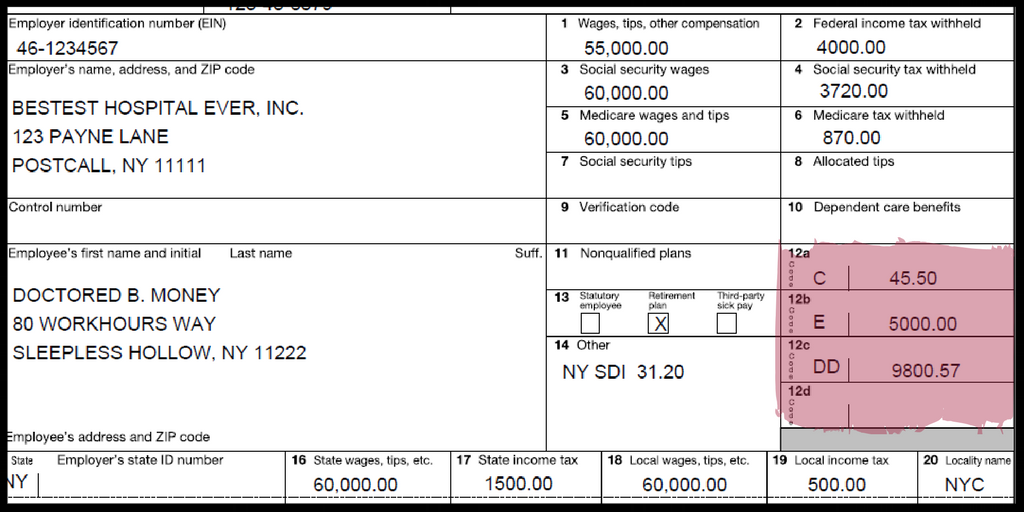
The W2 form, officially the “Wage and Tax Statement,” is an essential document issued by employers to employees each year. It summarizes an employee’s annual wages and the amount of taxes withheld from those wages. While every box on the W2 holds significance, Boxes 3 and 5 are particularly relevant when discussing Social Security wages.
Decoding Box 3 and Box 5
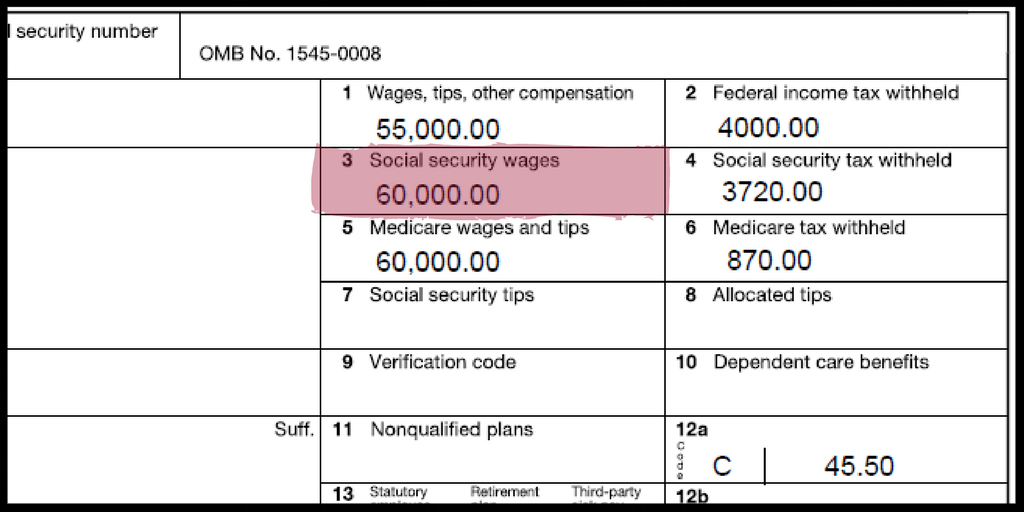
On your W2, you’ll find “Social Security wages” specifically reported in Box 3 and “Medicare wages and tips” in Box 5. For most employees, the amounts in Box 3 and Box 5 will be identical. This is because, generally, the same types of wages are subject to both Social Security and Medicare taxes. However, there can be exceptions, making it crucial to understand each box separately.
Box 3: Social Security Wages represents the total amount of wages subject to Social Security tax. This is the portion of your earnings that contributes to your Social Security earnings record, which in turn determines your eligibility for and the amount of future Social Security benefits. The Social Security tax rate is 6.2% for employees, withheld from these wages.
Box 5: Medicare Wages and Tips shows the total wages subject to Medicare tax. Unlike Social Security, there is no wage base limit for Medicare tax; all earned income is subject to it. The employee’s share of Medicare tax is 1.45%, with an additional 0.9% tax (Additional Medicare Tax) on wages exceeding certain thresholds for high-income earners.
While Box 3 and Box 5 often mirror each other, it’s Box 3 that specifically refers to the wages upon which your Social Security contributions are calculated. Understanding these distinct boxes is the first step in comprehending how your earnings are taxed and how they contribute to federal benefit programs.
Why the Numbers Might Differ from Your Gross Pay
One common point of confusion for employees is why their “Social Security wages” (Box 3) and “Medicare wages” (Box 5) might differ from their total “Gross Pay” or “Taxable Wages for Income Tax” (Box 1). This discrepancy typically arises due to specific pre-tax deductions.
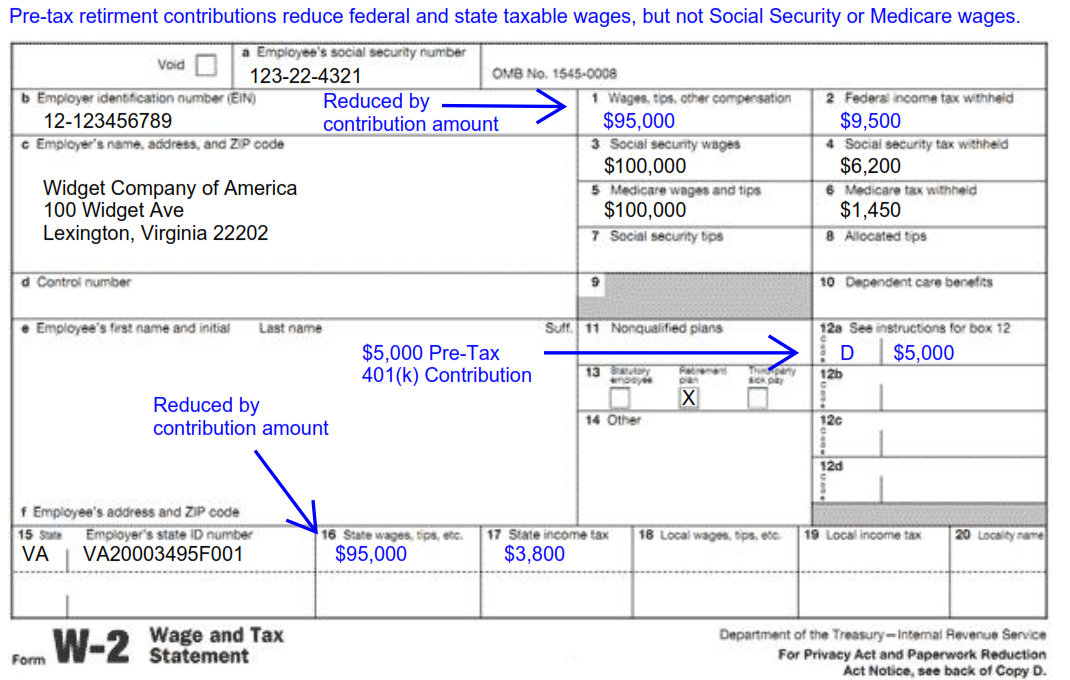
Many employer-sponsored benefits and deductions are pre-tax for federal income tax purposes, meaning they reduce the amount reported in Box 1. Examples include contributions to a traditional 401(k) retirement plan, health insurance premiums, or Flexible Spending Accounts (FSAs). However, not all these deductions are exempt from Social Security and Medicare taxes.
For instance, traditional 401(k) contributions reduce your federal taxable income (Box 1) but are still subject to Social Security and Medicare taxes (Box 3 and Box 5). Conversely, Section 125 “cafeteria plan” deductions (like health insurance premiums or FSA contributions) are generally exempt from all three types of taxes: federal income, Social Security, and Medicare.
Therefore, if you have pre-tax deductions that are exempt from federal income tax but not from Social Security/Medicare taxes, your Box 3 and Box 5 amounts will be higher than your Box 1 amount. Conversely, if your pre-tax deductions are exempt from all taxes, then Box 3 and Box 5 will be lower than your gross pay, potentially aligning more closely with Box 1 depending on the specific deductions. This nuance highlights the importance of reviewing your pay stubs and W2 carefully to understand how each deduction impacts your various taxable wage bases.
The Impact of Taxable Limits
Another critical factor that can cause Box 3 to differ from your total gross earnings, particularly for higher-income earners, is the annual Social Security wage base limit. The Social Security Administration (SSA) sets a maximum amount of earnings subject to Social Security tax each year. Any income earned above this limit is not subject to Social Security tax, nor does it contribute further to your Social Security earnings record for that year.
For example, if the wage base limit for a given year is $168,600 and an employee earns $200,000, only the first $168,600 of their earnings will be reported in Box 3 as Social Security wages. The remaining $31,400 of their income will not be subject to the 6.2% Social Security tax. It’s important to note that this limit only applies to Social Security wages; there is no such limit for Medicare wages (Box 5), meaning all earned income is subject to Medicare tax.
This wage base limit is adjusted periodically to account for inflation and changes in average wages. Its existence significantly impacts high-income earners, as their effective Social Security tax rate decreases once they pass this threshold. It also means that while their gross pay might be considerably higher, their Social Security contributions and, by extension, their potential future benefits, are capped by their earnings up to this limit. Understanding this limit is crucial for financial planning, especially for those whose incomes consistently exceed it.
The “Money” Connection: Why Social Security Wages Matter for Your Financial Future
Beyond the immediate tax implications, Social Security wages hold profound significance for your long-term financial health. They are the bedrock upon which your future Social Security benefits are calculated, impacting not just your retirement but also potential disability and survivor protections.
Fueling Your Future: Benefits and Retirement Planning
Your contributions to Social Security, based on your reported Social Security wages (Box 3), directly fuel your future retirement benefits. The Social Security Administration tracks your earnings throughout your working life, and these earnings are used to calculate your “primary insurance amount” (PIA), which is the base amount of your Social Security benefit.
Specifically, the SSA uses your highest 35 years of earnings, adjusted for inflation, to determine your average indexed monthly earnings (AIME). The AIME is then plugged into a formula to calculate your PIA. The higher your Social Security wages over your working career, up to the annual wage base limit, the higher your potential future Social Security retirement benefit will be.
For comprehensive retirement planning, understanding your projected Social Security benefits is vital. Financial advisors often incorporate these figures into broader retirement strategies, helping individuals estimate their income needs, savings goals, and investment plans. Regularly checking your Social Security earnings record via the SSA’s website is a crucial financial habit. This allows you to verify that your reported wages are accurate and ensures that your future benefits are correctly calculated, preventing potential shortfalls during your golden years.
Beyond Retirement: Disability and Survivor Benefits
Social Security is more than just a retirement program; it’s a comprehensive social insurance system that also provides critical disability and survivor benefits. These often-overlooked aspects of Social Security are equally tied to your Social Security wages and work history.
Should you become disabled and unable to work, Social Security Disability Insurance (SSDI) can provide a vital income stream. Your eligibility for SSDI and the amount of benefits you receive are based on your work credits, which are earned through your Social Security wage contributions. Generally, you need a certain number of work credits, with some earned recently, to qualify for disability benefits. The more you’ve contributed through your Social Security wages, the stronger your claim for substantial benefits.
Similarly, Social Security offers survivor benefits to eligible family members (e.g., spouses, children) upon the death of a worker. These benefits provide financial support during a difficult time and are also calculated based on the deceased worker’s earnings record and Social Security wages. For many families, these benefits serve as a crucial safety net, highlighting the broad protective scope of Social Security beyond just individual retirement. Understanding these benefits underscores the importance of accurate Social Security wage reporting on your W2, as it impacts the financial security of an entire family unit.
Navigating Self-Employment and the Social Security Tax
The world of “online income” and “side hustles” has exploded, making it imperative to understand how Social Security wages apply to self-employed individuals and independent contractors. Unlike traditional employees who have their Social Security and Medicare taxes withheld by an employer, self-employed individuals are responsible for paying both the employer and employee portions of these taxes, known as “self-employment tax.”
If you run a business, earn income as a freelancer, or engage in a significant side hustle, your net earnings from self-employment are subject to Social Security and Medicare taxes. These contributions are reported on Schedule SE (Form 1040), Self-Employment Tax. The current self-employment tax rate is 15.3% on net earnings up to the annual Social Security wage base limit (12.4% for Social Security and 2.9% for Medicare). Beyond the Social Security wage base limit, only the 2.9% Medicare portion applies.
For entrepreneurs and gig economy workers, accurately tracking income and expenses is paramount to calculating self-employment tax correctly. Unlike employees who see Box 3 on a W2, self-employed individuals must actively calculate their equivalent Social Security wages. This requires diligent record-keeping, often utilizing financial tools and accounting software designed for small businesses and freelancers. Understanding and fulfilling these obligations ensures that self-employed individuals also contribute to their Social Security earnings record, securing their future benefits, and avoiding potential penalties from the IRS.
Leveraging Technology for Financial Clarity and Compliance
In today’s digital age, technology offers powerful solutions to demystify financial documents like the W2 and manage the complexities of Social Security wages. From sophisticated software to user-friendly apps, these tools enhance clarity, ensure compliance, and boost productivity in personal and business finance.
Digital Tools and Software for Payroll and Tax Management
For both individuals and businesses, a range of digital tools and software has revolutionized how Social Security wages and related taxes are managed.
For Businesses: HR and payroll software solutions (e.g., ADP, Gusto, QuickBooks Payroll) automate the entire payroll process, including calculating and withholding Social Security and Medicare taxes, generating W2s, and ensuring compliance with federal and state regulations. These platforms are indispensable for accurate reporting of Social Security wages in Box 3, minimizing errors that could impact employees or lead to penalties. They provide detailed reports, allow for seamless integration with accounting systems, and often include features for benefits administration, further streamlining the process.
For Individuals: Tax preparation software (e.g., TurboTax, H&R Block, TaxAct) simplifies the process of filing income taxes by guiding users through their W2 information, including Social Security wages. These programs automatically transfer data, perform calculations, and identify potential deductions or credits. Additionally, personal finance apps (e.g., Mint, YNAB, Personal Capital) allow individuals to track their income, expenses, and investment portfolios, offering a holistic view of their financial health. While they don’t directly calculate Social Security wages, they help users understand the bigger picture of their earnings and how their W2 figures fit into their overall budget and financial goals. These tools bring efficiency and accuracy, reducing the manual effort and potential for human error associated with managing financial data.
Protecting Your Financial Data: Digital Security Best Practices
The information contained in your W2, including your Social Security wages, is highly sensitive. It includes your Social Security Number, income details, and other personal identifiers, making it a prime target for identity theft. Therefore, digital security practices are paramount when handling, storing, or transmitting this information.
For Individuals: When accessing online payroll portals or tax preparation software, always use strong, unique passwords and enable two-factor authentication (2FA) for an added layer of security. Be vigilant against phishing attempts, where scammers try to trick you into revealing your W2 information through fake emails or websites. Only download your W2 from secure, verified employer portals. When storing digital copies, use encrypted folders or cloud storage with robust security features. Regularly monitoring your credit report and Social Security earnings statement can help detect any unauthorized use of your information.
For Businesses: Implementing comprehensive digital security protocols is crucial. This includes encrypting employee data, using secure network configurations, regular security audits, and training employees on data protection best practices. Secure handling of W2s, both physically and digitally, is not just a compliance requirement but a core component of maintaining trust and safeguarding employee privacy. Strong digital security measures are essential for protecting both individual employees and the organization from the severe consequences of data breaches, linking directly to the concept of “Digital Security” in our broader technological discussions.
Enhancing Financial Productivity with Apps and Automation
The intersection of technology and personal finance extends beyond just compliance and security; it significantly enhances financial productivity. Apps and automation tools can streamline the process of understanding and managing your financial life, including how you interact with information like Social Security wages.
Automated Document Organization: Many apps can automatically import and categorize financial documents, including W2s. Instead of sifting through paper files or email attachments, you can have your essential tax documents readily accessible in a secure digital vault. This saves time and reduces the stress associated with tax season.
Financial Tracking and Reminders: Productivity apps dedicated to finance can help you track your income against your W2 figures, set budgets, and monitor your contributions to various retirement accounts. They can also provide automated reminders for important financial deadlines, such as reviewing your Social Security earnings statement or contacting your HR department about W2 discrepancies.
Insights and Analysis: While specific apps may not calculate your Social Security benefits directly, many can integrate with financial planning tools that leverage your income data to project future scenarios. Understanding your Social Security wages is a key input for such analyses, empowering you to make informed decisions about savings, investments, and retirement planning. By leveraging these tools, individuals can move from reactive financial management to proactive planning, making their financial life more organized, efficient, and ultimately, more productive.
The Broader Implications: From Employer Brand to Personal Financial Literacy
The meticulous handling and clear understanding of Social Security wages on a W2 extend beyond individual tax obligations and into the realms of organizational reputation and personal empowerment.
Employer Responsibility and Corporate Transparency
For businesses, the accurate and timely reporting of Social Security wages and other W2 information is a critical aspect of “Corporate Identity” and “Reputation.” An employer’s commitment to accuracy, transparency, and employee well-being is often reflected in how effectively they manage payroll and provide clear financial statements. Errors on a W2, particularly concerning Social Security wages, can have significant negative impacts on employees, leading to incorrect benefit calculations, tax filing issues, and a loss of trust.
A company that leverages robust HR and payroll technology (as discussed in the “Tech” section) to ensure precise W2 generation demonstrates its commitment to compliance and employee care. Clear communication about pay stubs, deductions, and W2 fields also contributes positively to the “Employer Brand.” When employees understand their Social Security wages and feel confident that their employer is handling their contributions correctly, it fosters a sense of security and loyalty. This transparency can be a powerful tool for talent retention and attraction, as it signals a responsible and trustworthy corporate culture. Thus, mastering the nuances of Social Security wages on the W2 is not merely a bureaucratic task but a strategic element in building a strong employer brand and reputation.
Cultivating Your Financial Literacy “Brand”
For individuals, understanding what Social Security wages on a W2 represent is a cornerstone of “Personal Branding” in the context of financial literacy. In an increasingly complex financial landscape, being knowledgeable about your own earnings, contributions, and future benefits demonstrates financial acumen and responsibility.
Cultivating a personal “brand” of financial literacy means actively engaging with your financial documents, asking informed questions, and leveraging available resources (including technology) to deepen your understanding. Knowing how Box 3 on your W2 contributes to your retirement, disability, and survivor benefits empowers you to make better financial decisions, whether it’s regarding savings, investments, or career choices. It enables you to advocate for yourself, verify the accuracy of your financial records, and plan more effectively for various life stages.
By taking the time to understand your Social Security wages, you’re not just completing a tax form; you’re actively building your financial future and presenting yourself as an informed and capable individual in managing your personal economy. This commitment to financial education becomes an integral part of your personal brand, showcasing a proactive and responsible approach to wealth management and long-term security.
In conclusion, Social Security wages on your W2 form are far more than just a line item; they are a direct link to your future financial security, a testament to an employer’s commitment to compliance, and a foundational element of personal financial literacy. By understanding their calculation, their impact on benefits, and leveraging technology for clarity and security, individuals and businesses alike can navigate the complexities of payroll with confidence and precision.
aViewFromTheCave is a participant in the Amazon Services LLC Associates Program, an affiliate advertising program designed to provide a means for sites to earn advertising fees by advertising and linking to Amazon.com. Amazon, the Amazon logo, AmazonSupply, and the AmazonSupply logo are trademarks of Amazon.com, Inc. or its affiliates. As an Amazon Associate we earn affiliate commissions from qualifying purchases.