
Georgia, often called the Peach State, is a vibrant hub of culture, commerce, and innovation in the southeastern United States. From the bustling metropolis of Atlanta to the historic charm of Savannah and the scenic beauty of its Appalachian foothills, Georgia’s diverse landscape is matched only by its rapid growth. As the state expands, so too does its telecommunications infrastructure, making an understanding of its area codes more crucial than ever for residents, businesses, and anyone looking to connect within its borders.
In an increasingly digital world, where communication technologies are constantly evolving, the humble area code might seem like a relic of a bygone era. However, it remains a fundamental identifier, linking phone numbers to specific geographic regions and playing a surprisingly significant role in everything from personal branding and business strategy to digital security and financial planning. This article delves into the specifics of Georgia’s area codes, exploring their history, their current application, and how they intersect with modern technology, branding, and financial considerations.
The Digital Tapestry of Georgia: A Guide to Its Area Codes
Understanding Georgia’s area codes is essential for anyone operating within or connecting to the state. These three-digit prefixes define distinct geographic regions, ensuring that calls are routed correctly and providing a localized identity to phone numbers.
Decoding Georgia’s Geographic Dialing Zones
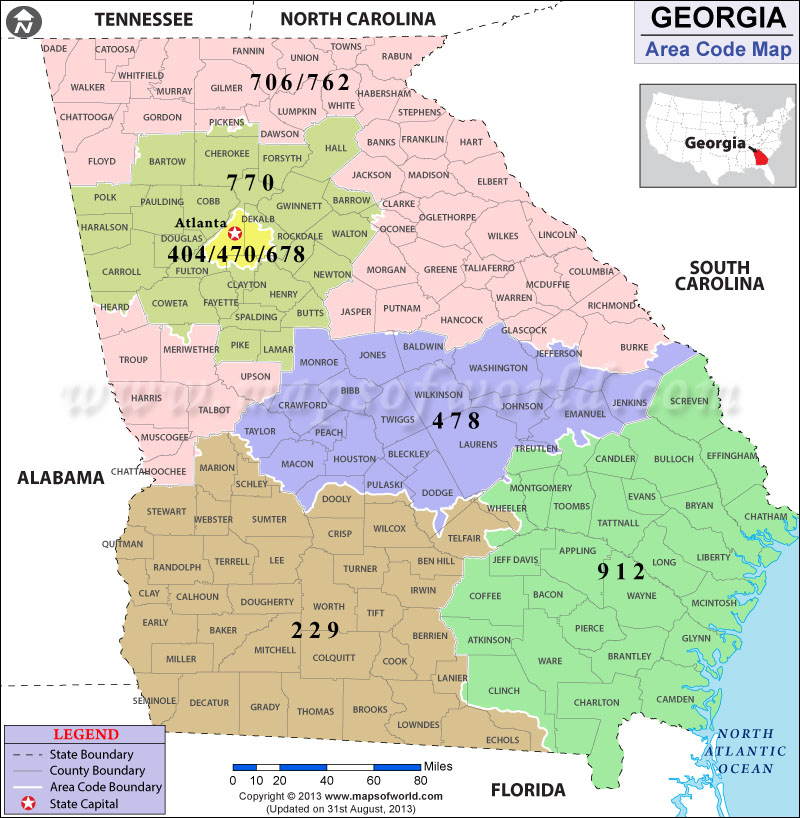
Georgia is served by several primary area codes, many of which have undergone changes and expansions over the years to accommodate the state’s burgeoning population and technological advancements.
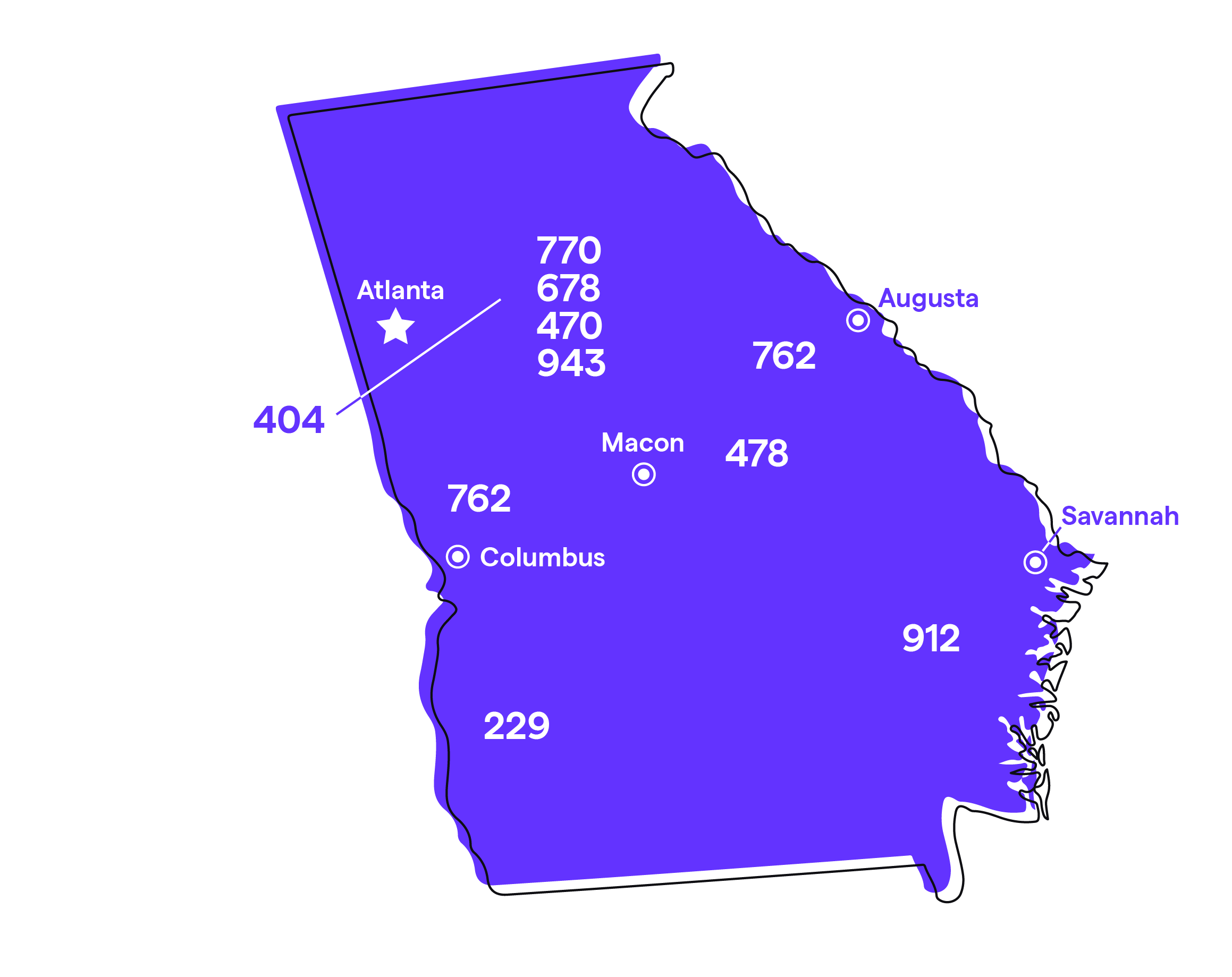
- 404: This is one of the original area codes for Georgia, established in 1947. Initially covering the entire state, it now primarily serves the city of Atlanta and its immediate inner suburbs, including parts of Fulton, DeKalb, and Clayton counties. It carries a certain prestige and recognition as the “original Atlanta” number.
- 770: Introduced in 1995 as a split from 404, the 770 area code covers the vast majority of Atlanta’s northern, western, and southern suburbs. It rings across a large geographic area encompassing cities like Marietta, Alpharetta, Roswell, Duluth, and Peachtree City, reflecting the widespread suburban growth around the capital.
- 678: This was Georgia’s first overlay area code, introduced in 1998 to provide additional numbers for the rapidly expanding metropolitan Atlanta region. It covers the same geographic area as both 404 and 770, meaning residents and businesses in these areas might have numbers starting with any of the three prefixes. This overlay system prevents the need for further geographic splits, allowing existing numbers to remain unchanged while introducing new capacity.
- 470: Another overlay for the metropolitan Atlanta area, 470 was added in 2010 to meet continued demand for new numbers within the 404/770/678 service region. Like 678, it shares the same geographic footprint, further emphasizing the dense telecommunications needs of Georgia’s largest urban center.
- 912: Serving the eastern and southeastern parts of Georgia, including the historic city of Savannah, the coastal islands, and the agricultural heartland. This area code was created in 1995 from a split with the former 912 area code (which initially covered southern Georgia). It evokes images of coastal charm and Southern hospitality.
- 706: This area code blankets a significant portion of northern and central Georgia, outside the immediate Atlanta metropolitan area. It includes cities like Augusta, Columbus, Athens (home to the University of Georgia), and Gainesville. It’s a vast and varied region, encompassing both urban centers and more rural communities.
- 229: Located in southwestern Georgia, 229 covers cities such as Albany, Valdosta, and Thomasville. This area code serves a predominantly agricultural and industrial region, reflecting the distinct economic and cultural landscape of the state’s lower quadrant.
- 943: This is Georgia’s newest area code, activated in 2022 as an overlay for the 706 service area. It addresses the growing demand for phone numbers in this large region of northern and central Georgia, similar to how 678 and 470 serve the Atlanta metro. This indicates ongoing growth and the necessity for expanded telecommunications capacity even in non-metro regions.
The Evolution of Georgia’s Area Code System
The progression from a single area code (404) to a complex network of geographic and overlay codes illustrates Georgia’s dynamic growth. Area code splits and overlays are strategic decisions made by regulatory bodies like the North American Numbering Plan Administrator (NANPA) in conjunction with state public service commissions. Splits physically divide a region, requiring some subscribers to change their area code, while overlays allow new numbers with a new area code to be introduced into the same geographic region, requiring ten-digit dialing for all local calls within that region. The trend towards overlays, particularly evident in the Atlanta metro area (678, 470) and now in the 706 region (943), reflects a strategic move to accommodate growth without disrupting existing numbers, albeit at the cost of requiring full 10-digit dialing for all local calls. This evolution is a direct response to increasing population, the proliferation of mobile devices, and the expanding needs of businesses for unique phone numbers.
Tech Trends and Telecommunications: More Than Just Numbers
In today’s interconnected world, area codes are no longer just about landlines and geographic boundaries. Technology has reshaped how we perceive and utilize these numerical identifiers, particularly concerning communication, security, and productivity.
VoIP, Virtual Numbers, and Remote Work: Bridging Distances with Georgia Codes
The rise of Voice over Internet Protocol (VoIP) technology and virtual phone numbers has fundamentally altered the relationship between an area code and physical location. Businesses and individuals can now acquire a Georgia area code (e.g., a 404 or 770 number) without having a physical presence in the state.
- For Businesses: This is a game-changer for brand strategy. A startup based in New York City can project a local presence in Atlanta by acquiring a virtual 404 number. This allows them to tap into the Georgia market, build trust with local customers, and offer “local” support without incurring the overhead of a physical office. It’s particularly vital for service-based businesses, e-commerce operations, and companies with remote teams. AI tools can even analyze call patterns to optimize virtual number usage, routing calls to the most appropriate remote agent based on customer location.
- For Individuals: Remote workers who have moved out of state but wish to maintain a local connection for professional or personal reasons can keep their Georgia number or acquire a new one. This ensures continuity and avoids potential confusion or perceived distance. Apps and software now make managing these virtual numbers seamless, integrating calls, texts, and voicemails into a unified platform.
Digital Security and the Area Code: Protecting Your Privacy
While virtual numbers offer flexibility, they also introduce new digital security considerations. Area codes are frequently exploited by scammers and malicious actors.
- Scam Calls and Number Spoofing: A common tactic involves “spoofing” local area codes to trick recipients into answering calls. A 770 number appearing on your caller ID might seem legitimate, making you more likely to pick up, only to be met with a robocall or a phishing attempt. AI tools are becoming increasingly sophisticated at detecting and blocking these spoofed calls, analyzing call patterns, and identifying suspicious origins. Digital security features in modern phones and apps also allow users to report spam numbers, contributing to community-driven protection efforts.
- Identity Verification: Conversely, an area code can be a minor layer of identity verification. For many online services, providing a local number can add a small measure of legitimacy, though it should never be the sole basis for trust. Users need to be vigilant about which apps and services they link their phone numbers to, especially those requesting access to contact lists or other personal data.
- Data Privacy: With the increasing amount of personal data tied to phone numbers, understanding how area codes are used by data brokers and telemarketing companies is important. Users should leverage privacy settings on their devices and be mindful of opt-in agreements.
Smart Communication: Productivity Tools for Georgia Businesses
Technology has also transformed how businesses leverage area codes for operational efficiency and productivity.
- CRM Integration: Customer Relationship Management (CRM) systems often integrate with phone systems, allowing businesses to log calls, track customer interactions, and even initiate calls directly from the CRM interface. Knowing a customer’s area code can immediately provide context about their location, helping tailor sales pitches or support responses.
- Call Analytics: Modern phone systems and VoIP providers offer advanced call analytics. Businesses can track call volume by area code, understand peak calling times, and measure the effectiveness of marketing campaigns targeting specific Georgia regions. These insights can inform staffing decisions, marketing spend, and overall business strategy.
- Automated Services: AI-powered chatbots and interactive voice response (IVR) systems can use the caller’s area code to route them to the appropriate department or provide localized information, enhancing customer service and reducing wait times. For instance, a caller with a 912 area code might be routed to a support team specifically trained in coastal Georgia issues, leading to a more productive interaction.
Branding and Business Identity: The Strategic Power of a Local Number
Beyond mere dialing, an area code is a powerful branding tool, conveying local presence, trustworthiness, and community connection. For businesses, especially small and medium-sized enterprises (SMEs), choosing the right Georgia area code can be a strategic marketing decision.
Cultivating Local Trust: Area Codes as a Branding Asset
In an age of global commerce, local identity still matters immensely, particularly for businesses that rely on community engagement.
- Small Businesses and Personal Branding: For a plumber in Marietta, a real estate agent in Savannah, or a financial advisor in Athens, having a 770, 912, or 706 area code respectively immediately signals local presence and commitment. It builds trust and suggests accessibility, which is invaluable for personal branding and attracting local clientele. Customers are often more inclined to deal with businesses they perceive as part of their community.
- Community Connection: A local area code can foster a sense of belonging. It implies that the business understands local needs, customs, and economic conditions. This is particularly potent in areas with strong regional identities, like coastal Georgia or the mountain communities.
- Reputation Management: Consistently using a local area code for outgoing calls from a legitimate business helps to build a positive reputation. It differentiates genuine local businesses from potentially fraudulent callers using spoofed numbers, contributing to overall trust in local communications.
Marketing and Reach: Targeting Georgia Markets Effectively
Area codes are not just identifiers; they are also integral to targeted marketing efforts.
- Local SEO (Search Engine Optimization): For businesses aiming to appear in local search results (e.g., “restaurants near me” or “plumber Atlanta”), having a phone number with a local area code can be a positive signal for search engines. It reinforces the business’s physical location and relevance to local queries. Marketing strategies often advise including local phone numbers prominently on websites and in Google My Business listings.
- Advertising Campaigns: When running localized advertising campaigns – be it print, radio, or digital ads targeting specific Georgia regions – using the corresponding area code in the contact information significantly enhances the campaign’s relevance and effectiveness. For example, an ad for a new boutique in Savannah would naturally feature a 912 number.
- Market Segmentation: Area codes allow businesses to segment their customer base geographically. This data can inform tailored promotions, localized content, and specific outreach strategies that resonate more deeply with different parts of the state.
Building a Corporate Presence: Choosing the Right Georgia Code
For larger corporations or those expanding into Georgia, the choice of an area code for a new office or branch can be a strategic decision influencing perception and market entry.
- Perception of Scale and Reach: A company opening a new regional headquarters might choose a specific area code (e.g., 404 for Atlanta’s core) to signal its primary focus or ambition within the market.
- New Branch Identity: When establishing a new branch, acquiring a local area code immediately integrates the new office into the local communication fabric. This is crucial for seamless operations and establishing credibility with local partners and clients.
- Consistent Corporate Identity: While virtual numbers offer flexibility, maintaining a consistent communication strategy that aligns with physical locations through appropriate area codes can strengthen corporate identity and reduce customer confusion across different regions of Georgia.
Financial Implications: Navigating Costs and Opportunities
Area codes, while seemingly administrative, have tangible financial implications for both individuals and businesses. From managing communication costs to identifying opportunities for online income and guarding against financial fraud, understanding the monetary aspect of these numbers is key.
Cost-Benefit Analysis: The Economic Side of Communication
The cost of making and receiving calls has evolved dramatically, but area codes still play a role in financial planning for communication.
- Calling Plans and Long-Distance Charges: In the past, calling outside one’s local area code often incurred significant long-distance charges. While many modern mobile and VoIP plans now offer unlimited nationwide calling, for some legacy plans or international calls originating from Georgia, knowing the area code of the recipient can still be relevant to cost. Businesses with high call volumes across different Georgia area codes need to ensure their plans cover these calls efficiently.
- VoIP vs. Traditional Lines: Businesses often evaluate the cost-effectiveness of VoIP solutions versus traditional landlines. VoIP, which leverages virtual numbers with Georgia area codes, typically offers lower operational costs, especially for remote teams or businesses with multiple locations, as it bundles features and reduces per-minute charges. This financial saving can be significant for startups and small businesses.
- Hardware and Infrastructure: The decision to establish a physical presence in a new Georgia area code versus using a virtual number also has substantial financial implications related to office space, utilities, and dedicated communication infrastructure. Virtual numbers with local area codes offer a financially lean way to test new markets.
Online Income and Side Hustles: Leveraging Local Numbers for Profit
For entrepreneurs and those seeking online income or side hustles, Georgia area codes can be a direct avenue for financial gain.
- Localized Services: Many online income opportunities are tied to specific geographic locations. For instance, a freelance photographer, a local tour guide, or a personal chef can use a Georgia area code to attract clients within their service region. Services like task-based apps or local delivery platforms often prioritize providers with local contact information.
- Lead Generation: Businesses and individuals engaged in lead generation for localized services (e.g., real estate, home improvement, legal services) often acquire local area code numbers specifically for these campaigns. This helps filter leads by geographic interest and allows for more targeted follow-up, increasing the likelihood of conversion and thus, financial return.
- Monetizing Expertise: Consultants or experts offering services tailored to the Georgia market can leverage a local area code to appear more accessible and relevant to potential clients, thereby increasing their earning potential. This can apply to anything from business consulting for Georgia-based startups to agricultural advice for state farmers.
Safeguarding Your Finances: Avoiding Area Code Scams
Area codes are unfortunately a common tool in financial fraud and scams. Protecting your finances requires vigilance.
- Recognizing Scam Patterns: Many financial scams use area code manipulation. For example, scammers might impersonate a local bank or utility company by spoofing their area code, then demand immediate payment or sensitive financial information. Being aware of official contact numbers for local institutions in your Georgia area code is a crucial defense.
- Phishing and Vishing Attacks: “Vishing” (voice phishing) attempts often rely on creating a false sense of urgency or legitimacy by using a local area code. Callers might claim to be from the IRS, a local police department, or a reputable financial institution, threatening legal action or demanding personal financial details. Always verify the identity of the caller independently, especially if they request sensitive information or immediate payment.
- Financial Tools for Security: Many banking apps and digital wallets now offer features like call screening or caller ID that can help identify potential scam calls. Digital security practices, such as never giving out personal financial information over unsolicited calls, are paramount regardless of the area code displayed. Financial literacy campaigns often highlight the role of phone scams in identity theft and monetary loss.
The Future of Georgia Telephony: What Lies Ahead?
Georgia’s telecommunications landscape is constantly evolving, driven by population growth, technological innovation, and changing consumer habits.
The Growing Demand and Potential for New Codes
As Georgia continues its robust growth trajectory, particularly in the Atlanta metro area and expanding regional hubs, the demand for new phone numbers will persist. The recent introduction of the 943 overlay for the 706 area signals this ongoing need. It is highly probable that in the coming years, additional overlay area codes will be introduced for existing Georgia numbering plan areas to ensure a continuous supply of phone numbers without the disruptive process of geographic splits. This continuous expansion reflects Georgia’s economic vitality and attractiveness as a place to live and do business.
Intersecting Technologies and User Experience
The future will see an even deeper integration of area codes with cutting-edge technologies.
- AI-Powered Communication: Artificial intelligence will further refine call screening, spam detection, and personalized customer service based on area code context. AI will analyze speech patterns, location data, and call history to provide more intelligent routing and support, making interactions more efficient and secure.
- 5G and Beyond: The rollout of 5G and subsequent generations of mobile technology will enhance call quality, data transfer speeds, and enable more sophisticated communication applications. While the area code itself might not change, the ways we use and interact with our phone numbers will become increasingly dynamic and feature-rich.
- Enhanced Digital Identity: Area codes may play a role in evolving digital identity verification methods, perhaps as one factor among many in multi-factor authentication systems, particularly for localized services or government interactions. The convergence of physical and digital identities will continue, with the area code serving as a bridge.
- Augmented Reality and Geo-Location: Future applications could leverage area codes in conjunction with augmented reality (AR) and geo-location services, allowing users to discover local businesses, events, or services within a specific Georgia area code with unprecedented ease and interactivity.

Conclusion
The humble area code, far from being an obsolete relic, remains a fundamental and dynamic component of Georgia’s communication infrastructure. From its historical evolution to accommodate the state’s growth, to its profound intersection with modern technology, branding, and financial considerations, Georgia’s area codes tell a story of connection, identity, and progress.
For individuals, understanding these codes means navigating daily communications more effectively and protecting oneself from digital threats. For businesses, they represent a strategic asset – a tool for building local trust, executing targeted marketing, and making financially sound decisions about presence and outreach. As Georgia continues to innovate and expand, its area codes will undoubtedly evolve alongside it, continuing to bridge communities, enable commerce, and define the very digital tapestry of the Peach State in the years to come.
aViewFromTheCave is a participant in the Amazon Services LLC Associates Program, an affiliate advertising program designed to provide a means for sites to earn advertising fees by advertising and linking to Amazon.com. Amazon, the Amazon logo, AmazonSupply, and the AmazonSupply logo are trademarks of Amazon.com, Inc. or its affiliates. As an Amazon Associate we earn affiliate commissions from qualifying purchases.