
General Admission (GA) tickets represent one of the most fundamental and widely recognized forms of event entry, offering access to a designated area within a venue without guaranteeing a specific seat or viewing spot. From pulsating music festivals and electrifying sporting events to thought-provoking conferences and captivating museum exhibitions, GA tickets are the lifeblood that connects event organizers with their audience. While their core function – simply granting entry – remains consistent, the landscape of general admission has undergone a profound transformation, influenced significantly by advancements in technology, sophisticated branding strategies, and intricate financial models. In an era where digital tools dictate consumer experience and brand perception shapes market value, understanding GA tickets requires a multi-faceted approach, exploring not just what they are, but how they are bought, sold, managed, and perceived in the modern economy.
The Core Concept of General Admission
At its heart, a general admission ticket is a promise: a promise of access. It’s the most democratic form of entry, designed to accommodate a large audience while keeping the logistical complexities of individual seating assignments to a minimum. This simplicity is often its greatest strength, both for event organizers and attendees.
Defining Accessibility and Simplicity
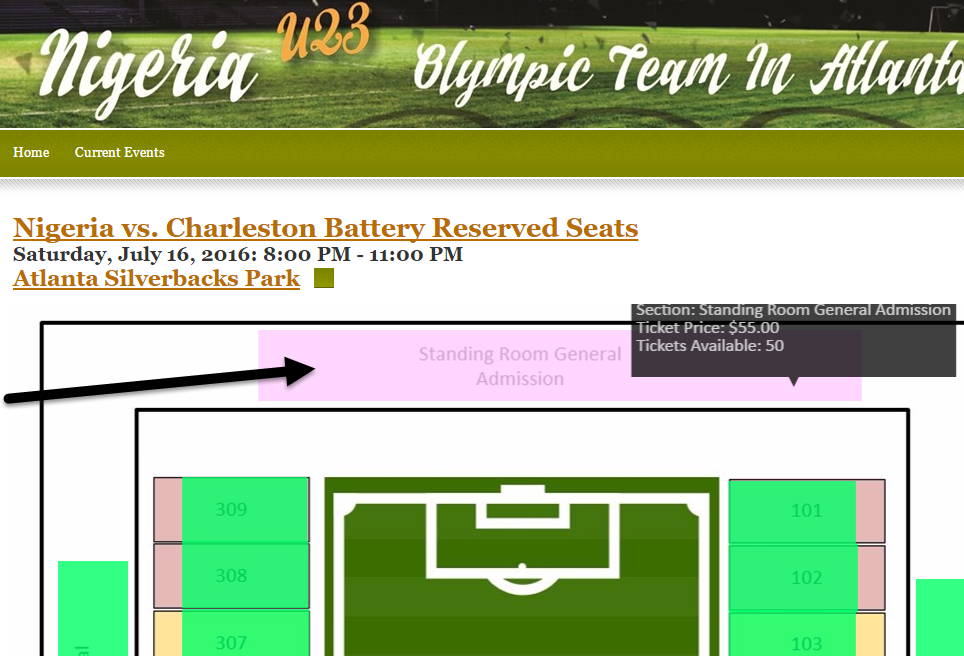
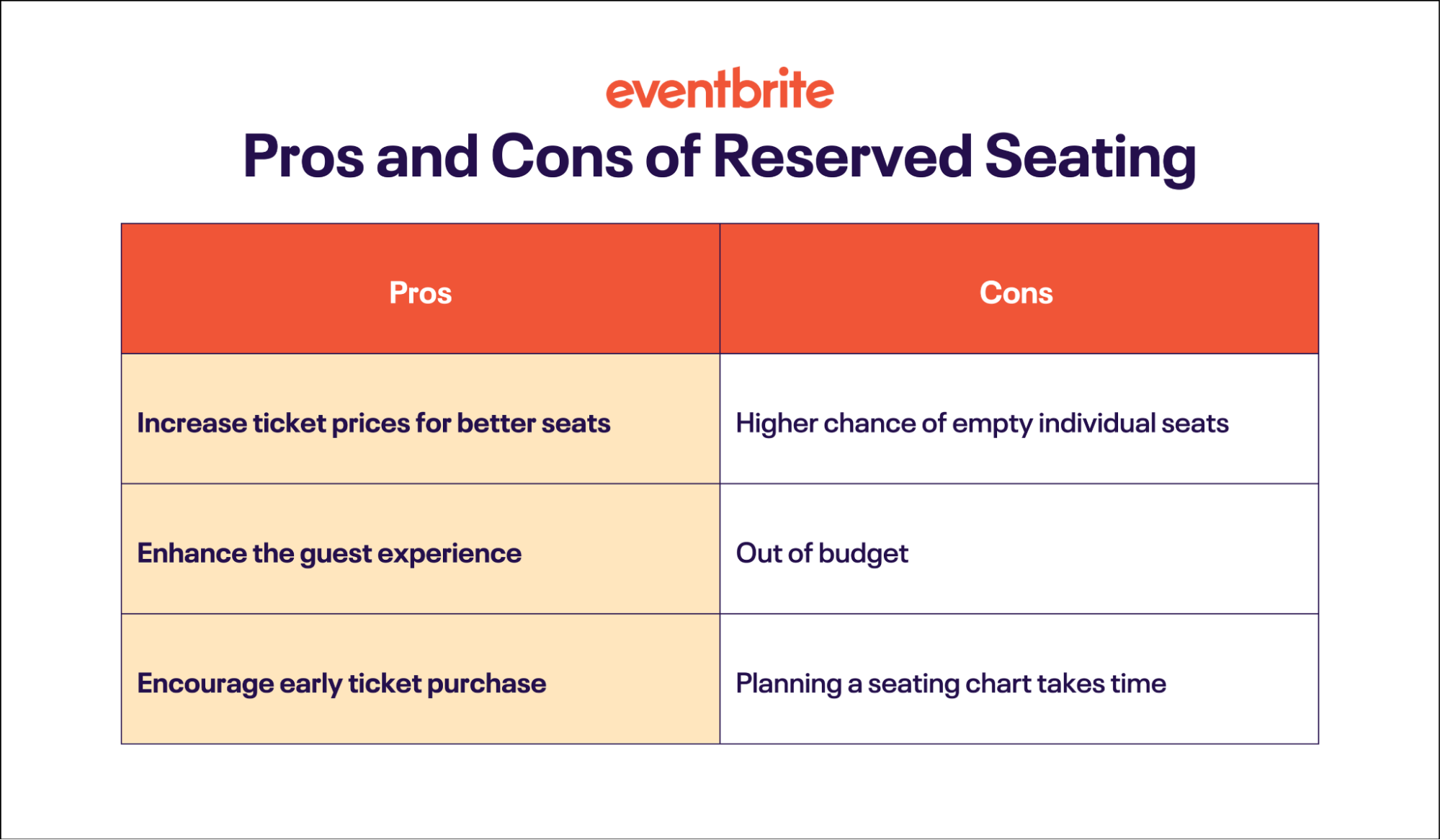
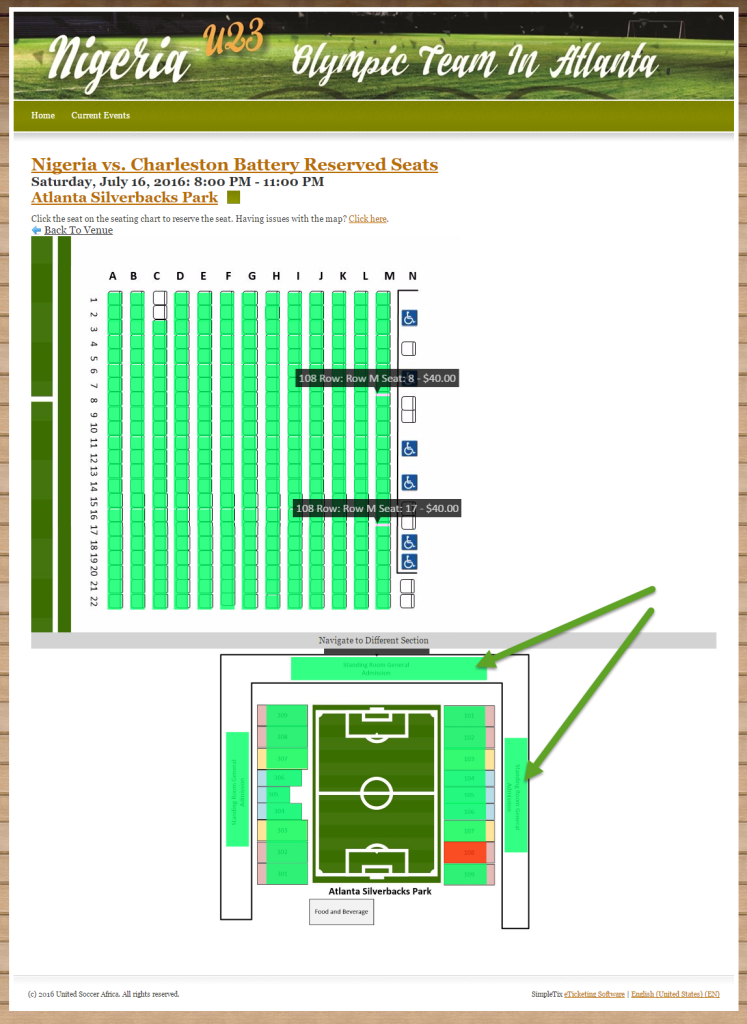
The defining characteristic of a GA ticket is its inherent flexibility. Unlike reserved seating, which assigns a specific row and seat number, a general admission ticket typically grants access to a broad area – be it a standing-room-only pit at a concert, an open field at a festival, or a designated zone within a museum or exhibition hall. This “first-come, first-served” principle for securing a preferred spot within the GA area fosters a dynamic environment where early arrival can be rewarded, adding an element of excitement for dedicated fans. For event organizers, this model significantly streamlines event logistics. There’s no complex seating chart to manage, fewer variables in layout, and often a higher potential for maximizing venue capacity, as space can be utilized more fluidly than with fixed seating arrangements. It champions accessibility, often representing the most affordable entry point to an event, thereby opening doors to a broader demographic. This inclusive approach is vital for cultivating a diverse audience and ensuring events aren’t exclusively for those who can afford premium options.
Common Applications
The versatility of general admission tickets makes them suitable for a vast array of events across various sectors. In the entertainment industry, GA is synonymous with large-scale music festivals where attendees roam multiple stages, or rock concerts where fans gather on the main floor. Sports events, particularly those with a vibrant fan culture like football matches or certain league games, often offer GA sections, creating an electric atmosphere. Cultural institutions like museums, art galleries, and historical sites frequently use GA for standard entry, allowing visitors to explore at their own pace. Trade shows, conventions, and conferences commonly employ GA tickets to grant access to exhibition floors, keynote speeches, and networking zones, distinguishing them from more exclusive workshop or VIP passes. Even theme parks and attractions operate on a GA model, providing full-day access to rides and entertainment. Each application leverages the GA model to maximize attendance, simplify entry, and cultivate a particular type of experience – one often characterized by freedom of movement and a collective, shared atmosphere.
The Technology Behind Your Ticket (Tech Focus)
The seemingly simple general admission ticket has become an intricate product of modern technology, fundamentally reshaping how we purchase, use, and manage access to events. From the moment a ticket goes on sale to the final scan at the entry gate, technology plays a pivotal role, enhancing security, streamlining operations, and even influencing pricing.
Digital Transformation of Ticketing
The shift from physical paper tickets to digital formats has been one of the most impactful technological revolutions in the event industry.
- Online Platforms: The backbone of modern ticketing lies in sophisticated e-commerce platforms. Websites and apps dedicated to ticket sales leverage robust database management, secure payment gateways, and user-friendly interfaces to allow millions to purchase GA tickets with ease. These platforms integrate with inventory management systems, allowing organizers to track sales in real-time and make informed decisions.
- Mobile Ticketing: QR codes and NFC (Near Field Communication) have become ubiquitous, turning smartphones into virtual tickets. Attendees can store their GA tickets directly in their digital wallets, reducing the risk of loss or damage. This mobile-first approach not only offers convenience but also bolsters security through dynamic QR codes that refresh periodically, minimizing the risk of counterfeiting. Biometric scanning and facial recognition are emerging technologies pushing the boundaries of seamless, ticketless entry, promising even greater efficiency and fraud prevention.
- Dynamic Pricing Algorithms: The days of static ticket prices for general admission are rapidly fading. AI and machine learning algorithms are now employed to implement dynamic pricing strategies. These systems analyze vast datasets, including historical sales, demand fluctuations, time until the event, artist popularity, weather forecasts, and even social media sentiment, to adjust GA ticket prices in real-time. This allows organizers to maximize revenue by charging more during peak demand and less during slow periods, a practice common in airlines and hotels now deeply embedded in the event ticketing ecosystem.
- Blockchain and NFTs for Ticketing: Looking to the future, blockchain technology and Non-Fungible Tokens (NFTs) are poised to revolutionize general admission ticketing. NFTs can serve as immutable, verifiable digital tickets, providing an unparalleled level of security against counterfeiting and fraudulent resales. Each NFT ticket would have a unique, unalterable record on a decentralized ledger, allowing for transparent ownership transfer and potentially enabling artists or organizers to earn royalties on secondary market sales. This technology offers a robust solution to digital security challenges in ticketing, promising a new era of trust and authenticity.
Enhancing the GA Experience with Tech
Beyond the purchase and entry, technology significantly enriches the general admission experience and aids event management.
- Venue Management Systems: For large events handling thousands of GA attendees, sophisticated venue management software is critical. These systems integrate various data points – entry scans, crowd movement analytics, point-of-sale data from vendors – to optimize staff deployment, manage queues efficiently, and ensure attendee safety. AI-powered surveillance systems can detect unusual crowd behavior, allowing for proactive intervention.
- Wearable Tech Integration: Smart wristbands, often equipped with RFID or NFC technology, are increasingly common at festivals and large GA events. These wearable gadgets can serve multiple purposes: as a GA ticket for entry, a cashless payment method for food, beverages, and merchandise, and even as a tool for personalized interaction or gamification within the event. This streamlined approach enhances convenience for attendees while providing organizers with valuable data on spending patterns and popular attractions.
- Data Analytics for Event Organizers: Every digital interaction related to a GA ticket – from browsing to purchase to entry – generates valuable data. Event organizers leverage advanced analytics tools to process this information, gaining insights into attendee demographics, preferences, peak entry times, and popular zones within a venue. This data is crucial for refining future event planning, optimizing marketing campaigns, identifying potential security concerns, and continuously improving the overall general admission experience. Understanding the “digital footprint” of GA attendees is key to crafting more successful and appealing events.
The Branding and Marketing of General Admission (Brand Focus)
While general admission tickets may seem like a straightforward commodity, their integration into an event’s overall brand strategy and marketing efforts is crucial. How a GA ticket is positioned, promoted, and perceived directly impacts an event’s identity, its appeal to target audiences, and its long-term reputation.
Crafting the Event Experience
General admission tickets are not merely entry passes; they are an integral part of the narrative an event creates, contributing significantly to its brand identity and the attendee experience.
- Brand Identity and Event Design: For major festivals, conferences, or cultural happenings, the GA ticket is often the most visible entry point to the brand. The design of the ticket itself, whether physical or digital, can reflect the event’s aesthetic, themes, and overall brand identity. More importantly, the promise of a GA experience – the freedom to explore, the communal atmosphere, the exposure to diverse content – is a core part of what the event brand represents. An event aiming for an inclusive, high-energy vibe will brand its GA offerings differently than a more exclusive, curated experience.
- Tiered Ticketing Strategies: Many events employ a tiered ticketing strategy, positioning GA tickets as the foundational offering within a spectrum that includes VIP, premium, or specific-access passes. This strategic placement helps create perceived value. GA tickets are typically the most accessible and affordable, appealing to the broader market and serving as the primary revenue driver. The existence of higher tiers makes GA seem like a standard, solid choice, while also offering an aspirational upgrade path. This segmentation allows brands to cater to different consumer needs and budgets while maintaining a cohesive overall event brand.
- Marketing GA Tickets: The marketing of general admission tickets is often the most aggressive and broad-reaching component of an event’s promotional strategy. Digital marketing campaigns, leveraging social media, email marketing, and search engine optimization, are essential for reaching a wide audience. Early bird discounts and limited-time offers create urgency and reward early commitment. Influencer marketing and partnerships with relevant brands or media outlets amplify reach and credibility. The messaging for GA tickets often emphasizes the core experience, the value, and the communal aspect, aligning with the event’s overarching brand narrative to build excitement and drive sales.
Building Community and Buzz
Beyond individual transactions, GA tickets play a vital role in fostering community and generating widespread excitement, which are invaluable assets for any event brand.
- Exclusivity vs. Inclusivity: While premium tickets offer exclusivity, GA tickets champion inclusivity. By making an event accessible to a wider audience, GA fosters a sense of shared experience and community among attendees. This collective energy is often what defines the atmosphere of large festivals or concerts, becoming a core part of the event’s brand identity. The feeling of being part of a larger group, experiencing something together, is a powerful draw that GA tickets facilitate.
- Influencer Marketing and GA: Influencers and brand ambassadors are frequently utilized to promote general admission tickets. Their authentic endorsement and reach within specific demographics can significantly boost sales and generate buzz. When an influencer shares their excitement about attending an event’s GA section, it resonates with their followers, translating into increased interest and ticket purchases. This strategy leverages personal branding to enhance the event’s appeal.
- Reputation Management: The experience of general admission attendees is paramount for an event’s brand reputation. Overcrowding, long queues, poor sightlines, or inadequate facilities in GA areas can quickly lead to negative reviews on social media and harm the event’s standing. Therefore, event organizers must carefully manage expectations, invest in proper infrastructure, and ensure a positive experience for all GA ticket holders. Protecting the brand’s reputation means delivering on the promise of the GA ticket, not just in terms of access, but also in terms of quality of experience. A strong reputation, built on positive GA experiences, fosters loyalty and ensures future success.
The Financial Landscape of General Admission (Money Focus)
General admission tickets are not merely entry passes; they are a significant financial instrument at the heart of the event economy. For both consumers and organizers, understanding the monetary implications, from pricing strategies to revenue generation and risk management, is crucial for navigating the world of live experiences.
Pricing Strategies and Revenue Generation
The financial viability of most large-scale events hinges heavily on the successful management and sale of general admission tickets.
- Cost-Effectiveness for Consumers: For attendees, GA tickets typically represent the most budget-friendly option to experience an event. This affordability makes them accessible to a broader demographic, allowing individuals to engage with cultural, entertainment, or business opportunities without a significant financial outlay. For those managing personal finance, GA tickets offer a way to participate in desired events while adhering to a budget, making them a cornerstone of recreational spending for many.
- Maximizing Revenue for Organizers: From an organizer’s perspective, GA tickets are primarily designed for volume sales, serving as the main engine for revenue generation. While individual GA tickets might have lower price points compared to VIP packages, their sheer quantity contributes the largest share to an event’s overall income. Beyond the ticket price itself, GA attendees are often a key source of ancillary spending – purchases of merchandise, food, beverages, and other on-site services. Event organizers meticulously plan GA capacity and pricing to ensure maximum revenue while also stimulating these additional income streams, which can significantly boost profitability.
- Dynamic Pricing and Yield Management: As discussed under technology, dynamic pricing algorithms are sophisticated financial tools. They allow organizers to practice yield management, a strategy borrowed from the airline and hotel industries. By continuously adjusting GA ticket prices based on real-time demand, sales velocity, and market conditions, organizers can optimize revenue. For example, early bird prices entice quick sales, while prices might increase closer to the event date or as specific sales tiers sell out. This strategy ensures that the event capitalizes on demand fluctuations, maximizing potential online income from ticket sales and ensuring optimal financial performance.
Financial Implications for Attendees and Organizers
The financial aspects of general admission extend beyond the initial transaction, encompassing broader market dynamics and risk assessments.
- Budgeting for Events: For individuals, planning to attend an event often involves careful budgeting. GA tickets, being the most affordable, often fit well within a personal finance plan. However, attendees must also consider additional costs like transportation, accommodation, food, and merchandise. Savvy attendees look for early bird GA prices or bundle deals to optimize their spending.
- Resale Markets and Scalping: The secondary ticket market is a significant financial dimension of general admission tickets. When an event sells out, GA tickets can fetch higher prices on platforms like StubHub or Viagogo. While legitimate resale platforms offer a safe avenue for buyers and sellers, the phenomenon of ticket scalping – where tickets are bought at face value specifically to be resold at inflated prices – poses a challenge. This practice can harm brand reputation and make events inaccessible to original target audiences, leading organizers to implement anti-scalping measures or partner with authorized resale platforms. This represents a complex financial ecosystem where both profits and ethical considerations are at play.
- Risk Management: For event organizers, unsold GA tickets represent a direct financial loss. Conversely, overselling can lead to logistical nightmares, safety hazards, and reputational damage. Business finance models for events include extensive risk assessment for GA sales, factoring in potential cancellations, lower-than-expected demand, or unforeseen circumstances. Insurance, contingency planning, and flexible pricing structures are all financial tools used to mitigate these risks. Investing in the infrastructure to support a large GA crowd – security, sanitation, medical services – also represents a significant financial commitment that must be covered by ticket revenue.
- Investment in Event Infrastructure: The revenue generated from general admission tickets often directly fuels the investment back into the event itself, supporting artists, technical production, venue rental, marketing, and staff. This symbiotic relationship ensures the continuous cycle of event creation and innovation, with GA ticket sales providing the crucial capital necessary to bring these experiences to life.
In conclusion, general admission tickets, while seemingly straightforward, are a sophisticated component of the modern event landscape. Their continued relevance is deeply intertwined with advancements in technology that streamline their purchase and management, strategic branding that shapes their perception, and intricate financial models that ensure their economic viability. As the world of events continues to evolve, GA tickets will remain a fundamental access point, continually adapting to new innovations and consumer expectations.
aViewFromTheCave is a participant in the Amazon Services LLC Associates Program, an affiliate advertising program designed to provide a means for sites to earn advertising fees by advertising and linking to Amazon.com. Amazon, the Amazon logo, AmazonSupply, and the AmazonSupply logo are trademarks of Amazon.com, Inc. or its affiliates. As an Amazon Associate we earn affiliate commissions from qualifying purchases.