
The intricate tapestry of life on Earth, with its bewildering diversity and astonishing adaptations, is largely a product of a single, profound mechanism: natural selection. Proposed independently by Charles Darwin and Alfred Russel Wallace in the mid-19th century, natural selection is not merely a historical concept confined to dusty biology textbooks; it is an ongoing, dynamic process that continues to shape every living organism, from the simplest bacteria to the most complex human societies. Moreover, its underlying principles offer a powerful analytical framework, a lens through which we can understand the evolution of systems far beyond the biological realm—including the rapid shifts in technology, the strategic imperatives of branding, and the turbulent dynamics of financial markets. Understanding these four core principles of natural selection unlocks insights into how systems adapt, persist, and thrive amidst constant change and competition.
The Foundation of Life’s Design: Understanding Natural Selection
At its heart, natural selection describes a process where organisms better adapted to their environment tend to survive and produce more offspring. This seemingly simple statement encapsulates a revolutionary idea that challenged prevailing views of creation and offered a scientific explanation for the origin of species and their remarkable fitness for life. Darwin’s seminal work, On the Origin of Species, meticulously detailed how minor, heritable variations within populations, coupled with environmental pressures, could lead to gradual but profound transformations over vast stretches of time. It dispelled the notion of fixed species and introduced a world of continuous change and relentless adaptation, a “survival of the fittest” that applies not just to individual organisms but, by extension, to ideas, products, and strategies in our modern world. Before delving into its broader applications, it’s crucial to grasp the biological bedrock upon which this concept stands.
The Core Principles: Driving Biological Evolution
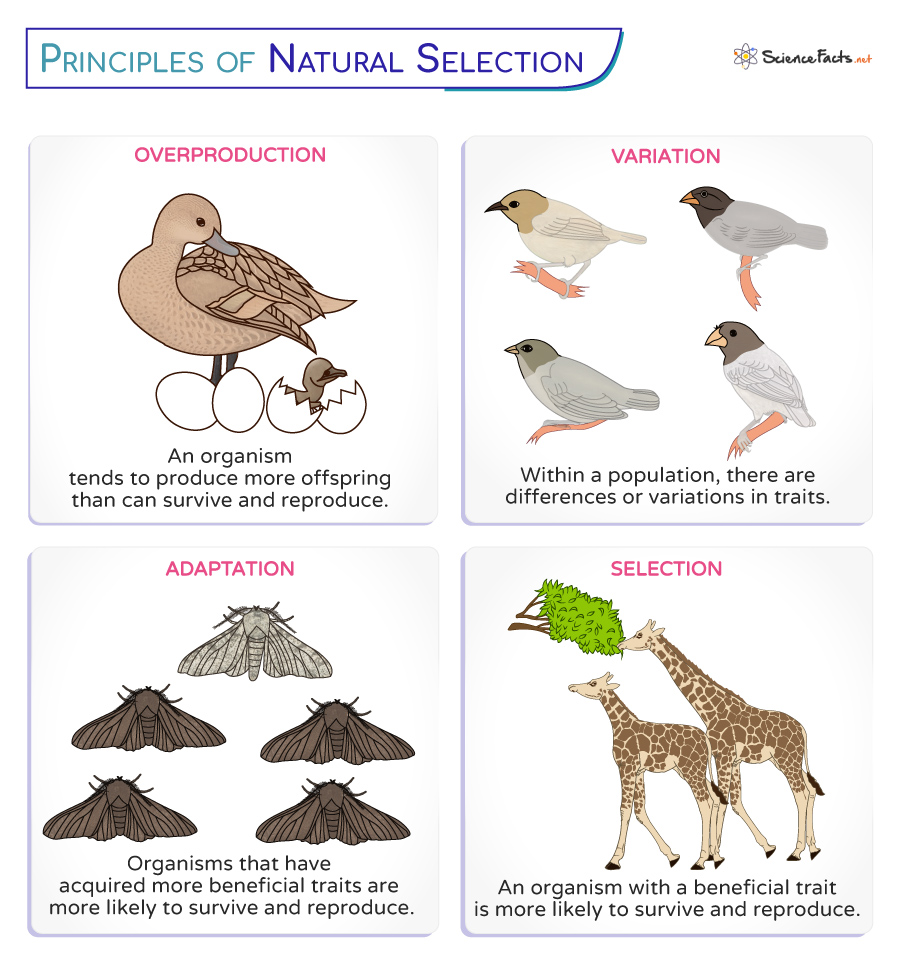
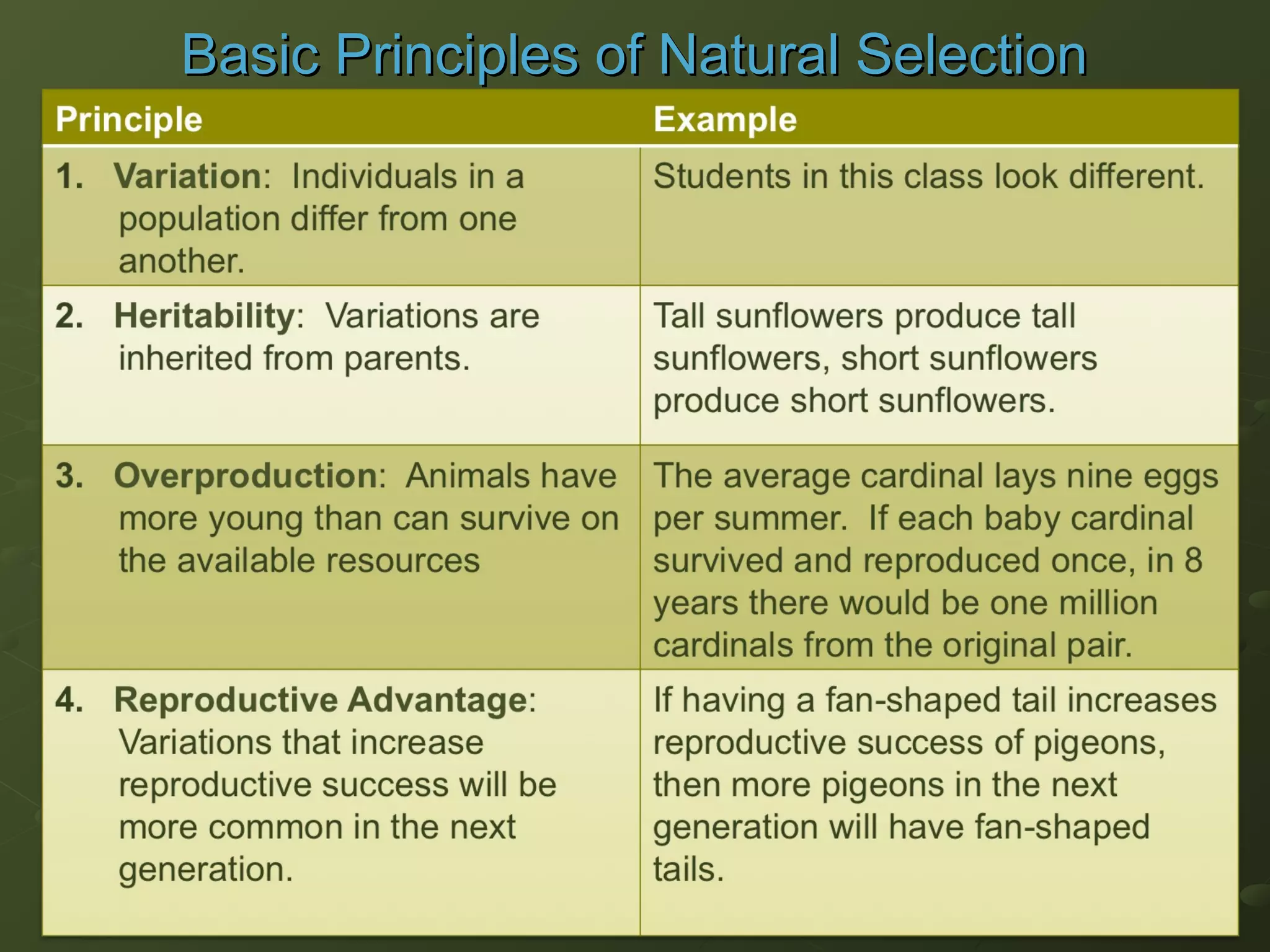
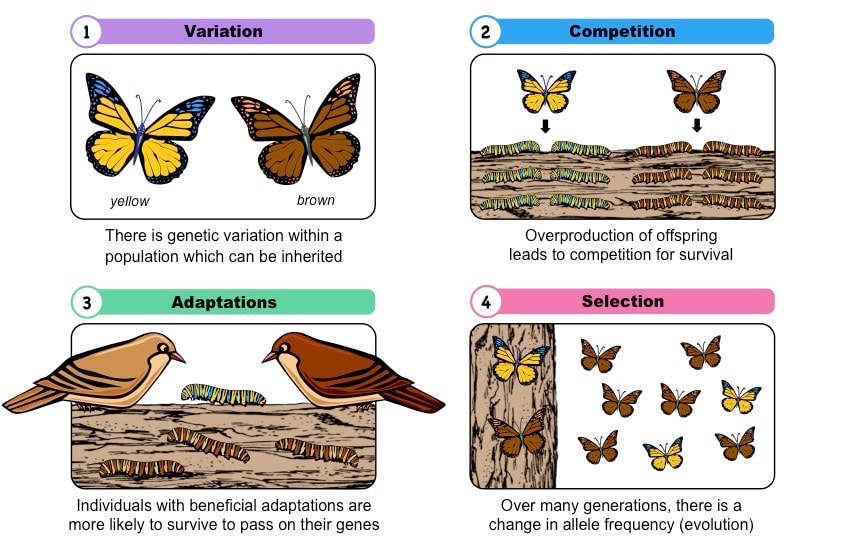
Natural selection operates through a synergistic interplay of four fundamental principles. Each principle, while distinct, is interdependent, and together they form the engine of biological evolution, sifting through countless generations to sculpt the forms and functions we observe in nature.
1. Variation: The Raw Material for Change
The first and most indispensable principle of natural selection is variation. Within any given population of organisms, individuals are not identical; they exhibit a wide array of differences in their traits, characteristics, and attributes. These variations can manifest in physical forms (e.g., size, color, beak shape), physiological functions (e.g., metabolic rate, disease resistance), or behavioral patterns (e.g., hunting strategies, mating rituals). The ultimate source of this variation lies primarily in genetic mutations, random changes in an organism’s DNA sequence, which are then reshuffled and combined through sexual reproduction. Without this inherent variability, there would be no raw material for selection to act upon, and populations would remain static.
In the non-biological world, the principle of variation finds striking parallels. Consider the Tech sector: the myriad versions of an operating system, the countless apps vying for user attention, or the diverse designs of smart gadgets all represent variation. Each iteration of software (e.g., iOS 14 vs. iOS 15), each new AI tool, or each novel gadget introduces a set of variations, some subtle, others groundbreaking. Similarly, in Brand strategy, companies actively cultivate variation through different product lines, marketing campaigns, or even slight tweaks to their corporate identity. A company might launch several slightly different versions of a product to test market reception, or a personal brand might explore various content styles to see what resonates. In Money and finance, variation is seen in the proliferation of investment vehicles—stocks, bonds, real estate, cryptocurrencies—each with its unique risk-reward profile. The vast array of side hustles and online income streams also exemplifies this, where individuals explore diverse avenues to generate revenue, acknowledging that not all will be equally successful. This constant generation of diverse options is crucial for any system that must adapt to changing environments.
2. Inheritance: Passing on the Blueprint
The second principle is inheritance, or heredity. For natural selection to lead to evolutionary change, the advantageous traits that arise from variation must be heritable—they must be capable of being passed down from parents to their offspring. If a beneficial trait were purely environmental (e.g., a scar from an injury) or if offspring did not reliably inherit their parents’ characteristics, then advantageous variations would simply disappear with each generation. In biological terms, inheritance is governed by genetics, where genes carry the instructions for traits and are transmitted from one generation to the next. Offspring tend to resemble their parents more than they resemble unrelated individuals in the population because they inherit a significant portion of their genetic makeup.
Applying this principle to Tech, inheritance is evident in the development cycle of software and hardware. Successful codebases are often forked, adapted, and built upon, inheriting functionalities and structures from their predecessors. The design principles of a popular gadget often inspire subsequent models, creating a lineage of devices. Digital security protocols evolve by inheriting successful defenses and patching vulnerabilities that have been discovered. In Brand management, a strong brand identity, a unique selling proposition, or a stellar reputation can be “inherited” and built upon across product lines or through successive marketing campaigns. The consistent visual language, tone of voice, or core values of a brand are deliberately passed down and reinforced. For Money and financial endeavors, successful business models or investment strategies often serve as blueprints. Entrepreneurs study inherited best practices; investors learn and adapt proven methodologies. Even personal finance habits, both good and bad, can be “inherited” or learned within families and communities, influencing financial outcomes across generations. The ability to transmit successful adaptations is vital for cumulative progress.
3. Overproduction & Competition: The Struggle for Existence
The third principle is overproduction and competition, often referred to as the “struggle for existence.” Most organisms produce more offspring than their environment can possibly support. If all offspring survived to reproduce, populations would grow exponentially and quickly overwhelm available resources such as food, water, shelter, and mates. This discrepancy between reproductive potential and environmental carrying capacity inevitably leads to competition. Individuals must compete with others of their own species, as well as with members of other species, for these limited resources. This competition is not always a direct fight; it can be subtle, such as one plant shading another or an animal outcompeting another for a scarce food source.
In the Tech world, this principle is vividly displayed. Thousands of apps are launched daily, far exceeding the attention span or storage capacity of any user. Countless startups vie for funding and market share. Only a fraction will survive and achieve widespread adoption. This creates fierce competition for developer talent, user engagement, and platform dominance. For Brand strategy, the market is saturated with products and services, each attempting to capture consumer attention and loyalty. Companies overproduce advertisements, content, and product variations, knowing that only a select few will cut through the noise. Brands compete for shelf space, digital visibility, and mindshare. In the realm of Money, financial markets are highly competitive. Businesses constantly struggle for customers, capital, and market position. Investors compete for lucrative opportunities, while individuals pursuing online income or side hustles face a crowded landscape, often with low barriers to entry leading to intense competition for views, sales, or clients. This principle underscores that simply existing is not enough; survival requires outperforming competitors in a resource-limited environment.
4. Differential Survival & Reproduction: The “Selection” Mechanism
The final and arguably most crucial principle is differential survival and reproduction, which is the actual mechanism of “selection.” Given the variation within a population and the intense competition for limited resources, not all individuals will survive to adulthood, and not all survivors will reproduce equally successfully. Those individuals whose heritable traits make them better adapted to their specific environment are more likely to survive the challenges (e.g., evade predators, resist disease, find food) and, critically, more likely to produce more viable offspring. Over generations, these advantageous traits will become more common in the population, while less favorable traits will diminish or disappear. This non-random process is what Darwin termed “natural selection.” It is the environment “selecting” which variations are most advantageous for survival and successful procreation.
This principle resonates powerfully across Tech, Brand, and Money. In Tech, differential survival and reproduction are observed in user adoption and market dominance. Apps with superior user interfaces, better performance, or more relevant features are “selected” by users, downloaded more frequently, and generate more revenue, thus “reproducing” their influence. Technologies that solve problems more efficiently or offer greater security endure, while inferior ones fade into obsolescence. In Brand strategy, brands that effectively differentiate themselves, resonate with their target audience, and build a strong reputation are “selected” by consumers. They achieve greater market share, foster loyalty, and can command premium prices, effectively “reproducing” their brand influence and revenue. Brands that fail to adapt, communicate poorly, or lose consumer trust face decline. In Money, this principle is evident in the performance of businesses and investments. Companies with stronger business models, better management, and adaptive strategies are more likely to survive economic downturns and thrive, attracting more capital and “reproducing” their financial success. Similarly, investment strategies that consistently generate returns are “selected” by savvy investors, leading to wealth accumulation, while poorly performing assets or strategies are abandoned. This differential success is the driving force behind evolutionary progress in all these domains.
Natural Selection Beyond Biology: An Analytical Framework for Tech, Brand, and Money
While originating in biology, the principles of natural selection provide a robust metaphor and even a practical framework for understanding and strategizing in dynamic, competitive systems. The parallels are not accidental; they reflect universal laws of adaptation and competition.
Evolutionary Algorithms and Tech Innovation
The Tech sector, particularly in areas like Artificial Intelligence and software development, has directly borrowed from the concept of natural selection. Evolutionary algorithms are a class of optimization algorithms inspired by biological evolution. They use concepts like mutation, crossover (inheritance), selection, and fitness functions to “evolve” solutions to complex problems, from designing more efficient computer chips to optimizing complex networks. Digital security, too, operates on evolutionary principles: new threats (mutations) emerge, and security systems (organisms) must constantly adapt (selection) to survive the assault. Software updates are often a response to environmental pressures (bugs, security flaws, user demands), representing micro-evolutionary steps. Products that fail to adapt rapidly are quickly outcompeted, illustrating differential survival in a hyper-accelerated environment.
Brand Resilience and Market Adaptation
In the world of Brand strategy, companies that thrive demonstrate an innate understanding of selection. Brands that introduce new products (variation), maintain a consistent brand message (inheritance), compete fiercely for consumer attention (overproduction and competition), and ultimately resonate with their target market (differential survival) are the ones that build enduring reputations and achieve market leadership. Think of how a corporate identity might “mutate” slightly over decades to remain contemporary without losing its core essence. Marketing campaigns are essentially experiments in “fitness”; successful ones are replicated and refined, while failures are discarded. The “reputation” of a brand acts as a heritable trait, influencing future customer decisions and providing a survival advantage in a crowded marketplace. Those brands that fail to adapt their strategy, design, or messaging to changing consumer preferences or technological shifts face extinction.
Financial Markets as Ecosystems: Selection in Action
The Money realm offers perhaps the most direct and brutal application of natural selection’s principles. Financial markets are complex ecosystems where businesses (organisms) compete for capital (resources). New businesses and investment vehicles constantly emerge (variation). Successful business models and investment strategies are replicated and refined (inheritance). The sheer number of startups, financial products, and investment opportunities reflects intense overproduction and competition. Ultimately, only the fittest businesses—those with sustainable models, efficient operations, and strong leadership—survive economic downturns, attract investment, and grow (differential survival and reproduction). Personal finance, investing, and side hustles also require adaptive strategies; individuals and businesses must continuously assess the “environment” (economic conditions, market trends) and adapt their financial behaviors to optimize their chances of success and wealth accumulation. Financial tools that enhance productivity and decision-making are ‘selected’ by users, leading to their widespread adoption.
Conclusion
The four principles of natural selection—variation, inheritance, overproduction & competition, and differential survival & reproduction—offer a profound insight into the mechanics of adaptation and change. While rooted in the biological world, their resonance extends far beyond, providing a powerful analytical lens through which to understand the dynamic evolution of technology, the strategic imperatives of branding, and the intricate dance of financial markets. In a world characterized by relentless innovation, fierce competition, and continuous adaptation, recognizing these foundational principles offers not just a deeper understanding of life, but a crucial framework for navigating and shaping success in our increasingly complex interconnected systems. Whether in the evolution of species or the evolution of software, brands, or investment portfolios, the fittest are those most adept at generating variation, passing on what works, competing effectively, and ultimately, adapting to survive and thrive.
aViewFromTheCave is a participant in the Amazon Services LLC Associates Program, an affiliate advertising program designed to provide a means for sites to earn advertising fees by advertising and linking to Amazon.com. Amazon, the Amazon logo, AmazonSupply, and the AmazonSupply logo are trademarks of Amazon.com, Inc. or its affiliates. As an Amazon Associate we earn affiliate commissions from qualifying purchases.