
In the fast-paced world of business, keeping a clear and organized record of spending is crucial. Whether you’re a seasoned entrepreneur, a freelancer, or an employee navigating company policies, understanding expense accounts is a fundamental skill. This article delves into the essence of expense accounts, their importance, how they function, and how modern technology and financial tools can streamline their management. We’ll explore how expense accounts intersect with crucial aspects of business, from financial health to brand perception.
The Foundation: Understanding Expense Accounts
At its core, an expense account is a system or ledger used by individuals or organizations to track and record money spent for business purposes. Think of it as a dedicated financial pot or a detailed logbook designed to separate personal expenditures from those incurred on behalf of a company or project. This separation is vital for several reasons, impacting everything from tax compliance and employee reimbursement to internal financial control and informed decision-making.
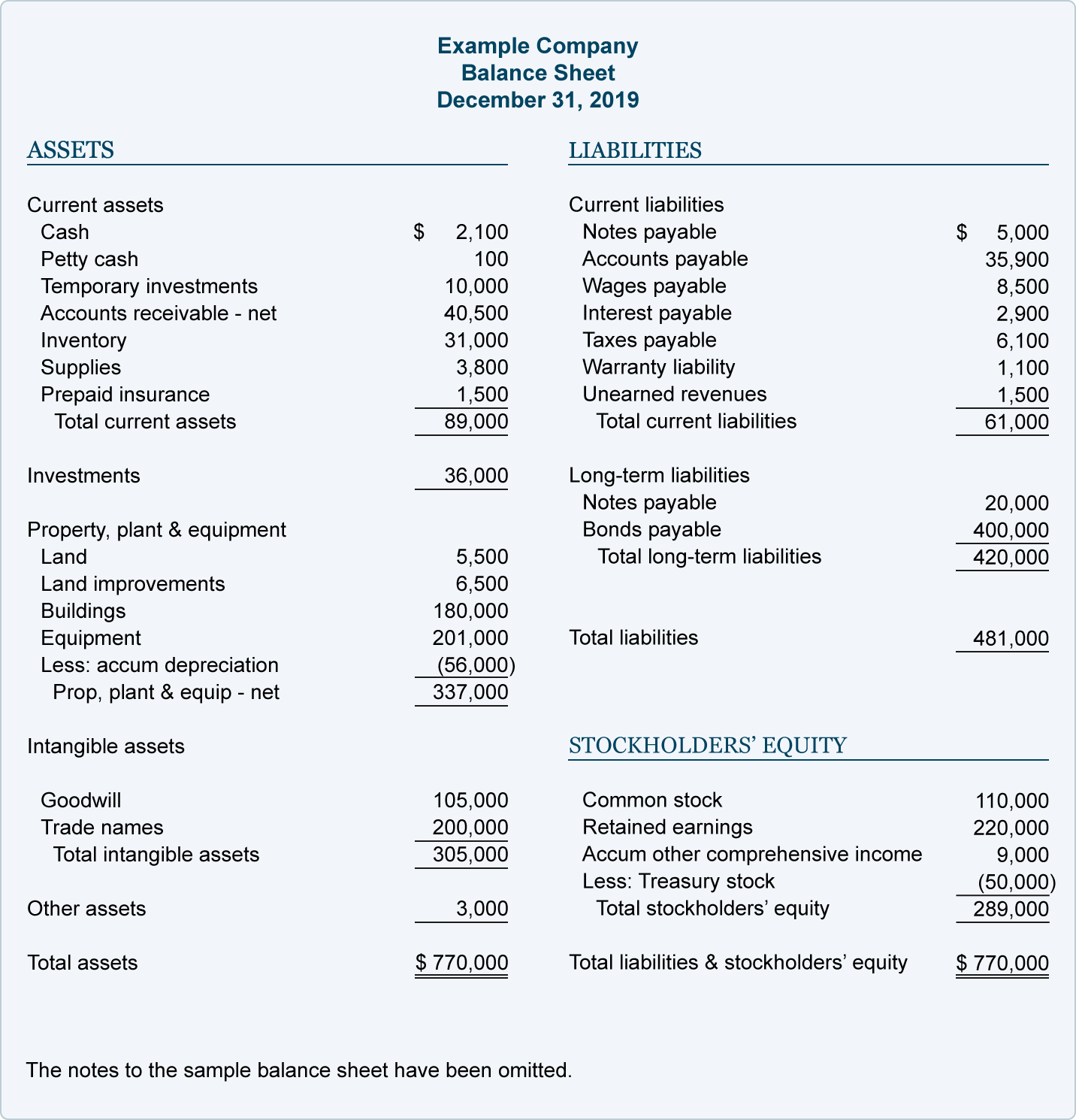
Defining Expense Accounts in a Business Context
For businesses, expense accounts are more than just record-keeping tools; they are integral to financial management. They allow companies to:
- Reimburse Employees: When employees use their personal funds for business-related expenses, such as travel, client meals, or office supplies, expense accounts provide a framework for them to submit these costs for reimbursement.
- Track Spending: Businesses need to monitor where their money is going to understand profitability, identify areas for cost reduction, and budget effectively. Expense accounts provide the granular data needed for this oversight.
- Tax Compliance: Accurate expense tracking is essential for claiming legitimate business deductions on tax returns. Proper documentation through expense accounts ensures that businesses can justify their spending to tax authorities.
- Budgeting and Forecasting: By analyzing historical spending patterns recorded in expense accounts, businesses can create more realistic budgets and financial forecasts for future periods.
- Internal Controls: Expense accounts help establish financial accountability. Clear policies and procedures for submitting and approving expenses minimize the risk of fraud and mismanagement.
Types of Expense Accounts
The term “expense account” can encompass a variety of specific applications. While the underlying principle of tracking business-related spending remains the same, the context can vary:
- Employee Expense Accounts: This is perhaps the most common type. It refers to the process by which employees submit claims for reimbursement of expenses they’ve incurred while performing their job duties. This might include travel expenses (flights, hotels, meals), mileage reimbursement for using personal vehicles, training fees, or necessary office supplies.
- Corporate Credit Card Programs: Many companies issue corporate credit cards to employees. These cards are tied directly to the company’s finances, and transactions made on them are automatically recorded. However, employees still need to submit expense reports to categorize these charges and provide justification, especially for items that might be questionable or require specific documentation.
- Project-Specific Expense Accounts: For larger projects, companies might set up dedicated expense accounts to track all costs associated with that particular endeavor. This is crucial for project profitability analysis and for clients who need detailed breakdowns of project expenditures.
- Departmental Expense Accounts: Larger organizations may allocate expense accounts to different departments (e.g., Marketing, Sales, R&D) to monitor and control spending within each functional area.
The Mechanics of Expense Management
Managing expense accounts effectively involves a structured process that ensures accuracy, efficiency, and compliance. This process typically involves several key steps, from the initial incurring of an expense to its final accounting.
Incurring and Documenting Expenses
The journey of an expense begins when an employee or the company incurs a cost for a legitimate business purpose. Crucial to this stage is documentation. This means obtaining and retaining proof of purchase. Common forms of documentation include:
- Receipts: These are the most fundamental proof of a transaction. They should include the vendor’s name, date of purchase, itemized list of goods or services, and the total amount paid.
- Invoices: For services rendered or larger purchases, invoices serve as formal documentation.
- Credit Card Statements: While not a substitute for receipts, credit card statements can be used to verify transactions and as a backup for expense reports.
- Mileage Logs: For employees using personal vehicles for business, a detailed log of mileage, including dates, destinations, and purpose of travel, is necessary for reimbursement.
The quality of documentation directly impacts the legitimacy and deductibility of an expense. Poorly documented expenses are often rejected for reimbursement or disallowed as tax deductions.
Submitting Expense Reports
Once expenses are incurred and documented, they need to be formally reported to the relevant authority within the organization. This is done through an expense report (also known as a reimbursement request or T&E report – Travel & Entertainment). Historically, this was a paper-based form, but modern businesses increasingly rely on digital platforms.
A typical expense report requires the submitter to:
- Categorize Expenses: Assign each expense to a specific category (e.g., travel, meals, office supplies, training). This categorization is vital for financial analysis and budgeting.
- Provide Descriptions: Offer a clear explanation of the business purpose for each expense. For example, instead of “Lunch,” it should be “Business lunch with prospective client, [Client Name], to discuss [Project/Opportunity].”
- Attach Documentation: Upload or attach scanned copies or clear photos of all supporting receipts and invoices.
- Calculate Totals: Sum up the expenses by category and provide a grand total.
Approval and Reimbursement
After submission, the expense report enters an approval workflow. This typically involves one or more levels of management reviewing the report for accuracy, compliance with company policy, and legitimacy of the business purpose. This approval process is a critical internal control mechanism.

Once approved, the finance or accounting department processes the reimbursement. This can be done through direct deposit into the employee’s bank account, a check, or by offsetting the amount against any outstanding balance on a corporate credit card. The speed of reimbursement can significantly impact employee satisfaction and the perception of a company’s financial processes.
Technology and Tools: Revolutionizing Expense Management
The traditional manual process of managing expense accounts could be time-consuming, prone to errors, and frustrating for all parties involved. Fortunately, advancements in technology and the proliferation of specialized financial tools have transformed this landscape.
The Rise of Expense Management Software
Expense management software has become indispensable for businesses of all sizes. These platforms automate many of the manual tasks associated with expense tracking and reporting, offering a host of benefits:
- Digital Receipt Capture: Employees can often snap photos of receipts directly through a mobile app, and the software can extract key information (vendor, date, amount) using Optical Character Recognition (OCR) technology.
- Automated Categorization: Many systems can learn from past entries and automatically suggest expense categories, reducing manual input.
- Policy Enforcement: Software can be configured to enforce company expense policies, flagging any submissions that violate rules (e.g., exceeding per diem limits for meals, submitting expenses outside of policy).
- Streamlined Approval Workflows: Digital routing of expense reports ensures that they reach the correct approvers efficiently, reducing bottlenecks.
- Integration with Accounting Systems: Expense management software often integrates seamlessly with accounting software (like QuickBooks, Xero, SAP), eliminating the need for manual data re-entry and ensuring financial data accuracy.
- Real-time Visibility and Reporting: Businesses gain real-time insights into spending patterns, allowing for more agile financial management and faster identification of trends or potential issues.
The Role of AI and Machine Learning
Artificial Intelligence (AI) and Machine Learning (ML) are further enhancing expense management. AI can:
- Improve OCR Accuracy: Continuously learn from a vast dataset of receipts to improve the accuracy of data extraction.
- Detect Fraud: Identify potentially fraudulent claims by analyzing patterns and flagging anomalies that a human might miss.
- Provide Predictive Insights: Analyze spending data to forecast future expenses and identify opportunities for cost savings.
- Automate Policy Audits: Proactively audit expense reports against complex policy rules, freeing up finance teams.
These technological advancements not only improve efficiency but also contribute to a more positive employee experience by simplifying a often-dreaded administrative task.
Expense Accounts and the Broader Business Landscape
The management of expense accounts is not an isolated financial process; it has ripple effects across various facets of a business, impacting its brand, its financial health, and its operational efficiency.
Impact on Brand and Reputation
A company’s approach to expense management can subtly influence its brand perception, both internally and externally.
- Employee Morale and Trust: A clunky, slow, or unfair expense reimbursement process can lead to employee frustration and a feeling that the company doesn’t value their time or trust them. Conversely, a streamlined and efficient system fosters goodwill and demonstrates respect.
- Client Perception: For businesses that bill clients for expenses, transparent and well-documented expense reporting builds trust and demonstrates professionalism. Inaccurate or poorly presented expense reports can erode client confidence.
- Investor Relations: For publicly traded companies, accurate and well-managed financial reporting, which includes expense accountability, is crucial for maintaining investor confidence.
Financial Health and Strategic Decision-Making
The data gleaned from expense accounts is a goldmine for financial analysis and strategic planning.
- Cost Control: By understanding precisely where money is being spent, businesses can identify areas of overspending, negotiate better vendor contracts, or implement cost-saving measures.
- Profitability Analysis: For businesses that track expenses by project or client, expense accounts are vital for accurately calculating profitability and making informed decisions about resource allocation and future bids.
- Budgeting Accuracy: Historical expense data provides a solid foundation for creating realistic budgets and financial forecasts, minimizing the risk of unexpected shortfalls.
- Financial Audit Preparedness: Well-maintained expense records make internal and external audits smoother and less stressful, potentially reducing audit fees.

Leveraging Expense Data for Business Growth
Beyond simple tracking, the insights derived from expense accounts can fuel growth.
- Identifying Trends: Analyze spending patterns to spot emerging trends in travel costs, supplier pricing, or employee needs.
- Optimizing Vendor Relationships: Understanding spending volumes with different vendors can inform negotiation strategies and help consolidate suppliers for better terms.
- Improving Productivity: By analyzing the types of expenses incurred, businesses might discover needs for new software, training, or equipment that could boost overall productivity.
In conclusion, expense accounts are a fundamental pillar of sound financial management. They are not merely administrative necessities but strategic tools that, when managed effectively with the aid of modern technology, can significantly contribute to a company’s efficiency, financial health, and overall success. From ensuring fair employee reimbursement to providing critical data for strategic decision-making, a well-understood and well-implemented expense account system is a hallmark of a well-run business.
aViewFromTheCave is a participant in the Amazon Services LLC Associates Program, an affiliate advertising program designed to provide a means for sites to earn advertising fees by advertising and linking to Amazon.com. Amazon, the Amazon logo, AmazonSupply, and the AmazonSupply logo are trademarks of Amazon.com, Inc. or its affiliates. As an Amazon Associate we earn affiliate commissions from qualifying purchases.