
The roar of an engine, the rush of wind, the open road – for many, motorcycles embody freedom and exhilaration. But beneath the chrome and paint lies a meticulously engineered machine, and at its heart is the engine. When discussing motorcycle engines, one term invariably comes up: “CCs.” But what exactly are CCs on a motorcycle, and why are they so pivotal to understanding a bike’s character, performance, and even its place in the market?
At its simplest, “CCs” stands for cubic centimeters, and it’s a measurement of an engine’s displacement. In essence, it quantifies the total volume swept by the pistons in all cylinders during one complete cycle. This figure provides a fundamental indicator of an engine’s potential to generate power and torque, influencing everything from top speed and acceleration to fuel efficiency and riding experience. However, in today’s increasingly technologically advanced, brand-conscious, and financially intricate world, CCs represent far more than just raw mechanical capacity. They are a starting point for a deeper conversation involving cutting-edge technology, strategic brand positioning, and significant financial considerations.
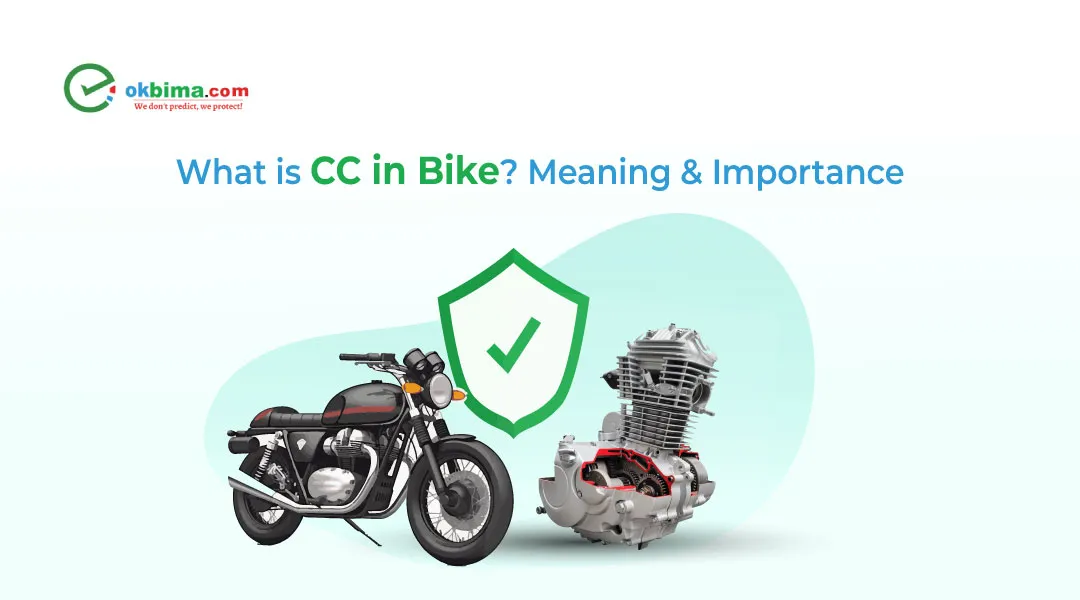
This comprehensive guide will delve into the multifaceted world of motorcycle engine displacement. We’ll explore the engineering principles that define CCs, examine how technological innovations are reshaping engine performance, uncover the profound impact of CCs on brand identity and marketing, and address the crucial financial implications for riders. Whether you’re a seasoned rider, a curious beginner, or simply interested in the intersection of mechanics, tech, and commerce, understanding CCs will unlock a richer appreciation for the two-wheeled world.
The Engineering Behind the Ride: Understanding CCs and Performance
At the core of every motorcycle engine, regardless of its configuration (single, twin, triple, four, or more cylinders), is the process of converting fuel into kinetic energy. CCs serve as the primary metric for sizing this crucial component, offering immediate insight into a bike’s intended power output and character.
Defining Cubic Centimeters: The Heart of Your Engine
An engine’s displacement is calculated based on the bore (the diameter of the cylinder) and the stroke (the distance the piston travels within the cylinder). For multi-cylinder engines, the displacement of a single cylinder is calculated and then multiplied by the total number of cylinders. For instance, a 600cc inline-four engine has four cylinders, each displacing roughly 150cc. A 1200cc V-twin engine would have two cylinders, each displacing approximately 600cc.
This volume directly correlates with the amount of air-fuel mixture an engine can ingest and combust in each cycle. A larger displacement generally means a greater capacity for combustion, which translates to the potential for more power and torque. However, it’s not simply a matter of “bigger is always better.” The relationship between CCs and performance is nuanced, affected by engine design, tuning, and the specific goals of the manufacturer. Smaller engines are often more agile and fuel-efficient, while larger engines typically deliver more robust acceleration and higher top speeds, often at the expense of nimble handling and economy.
From Displacement to Dynamism: Power, Torque, and Speed
While CCs provide the foundational capacity, they are merely the starting point for understanding an engine’s true output. The actual power (measured in horsepower or kilowatts) and torque (measured in pound-feet or Newton-meters) derived from that displacement depend on a myriad of other factors, including the compression ratio, valve design, exhaust system, and fuel delivery.
- Torque is the rotational force an engine produces, essentially its ability to twist the crankshaft. High torque, especially at lower RPMs, translates to strong acceleration off the line and effortless pulling power, making it ideal for cruising, carrying passengers, or navigating city traffic. Large displacement engines, like those found in cruisers, are often designed for impressive low-end torque.
- Power is the rate at which an engine can do work. High horsepower typically means higher top speeds and sustained acceleration at higher RPMs, a characteristic often associated with sportbikes. While a larger CC engine inherently has the potential for more power, clever engineering can enable smaller engines to punch above their weight, especially when revved to higher RPMs.
The balance between power and torque, directly influenced by the engine’s displacement and design, dictates a motorcycle’s riding characteristics. A 250cc engine might be nimble and fuel-efficient, perfect for urban commuting or new riders. A 1000cc engine, on the other hand, might offer blistering acceleration and high-speed touring capability, suitable for experienced riders seeking adrenaline or long-distance comfort.
The Tech Evolution: Optimizing Performance Beyond Raw Size
In the modern era, simply having more CCs doesn’t guarantee superior performance or efficiency. Technology plays an increasingly critical role in how an engine’s displacement is utilized and optimized. Advancements in materials science, manufacturing precision, and particularly digital control systems have revolutionized engine design.
Modern engines, regardless of their displacement, benefit from sophisticated fuel injection systems (EFI) that precisely meter fuel delivery, replacing less efficient carburetors. Electronic control units (ECUs) act as the “brain” of the engine, constantly monitoring parameters like throttle position, engine speed, and air temperature to optimize ignition timing and fuel mixture for peak performance and efficiency. Technologies like variable valve timing (VVT), first seen in cars but increasingly present in motorcycles, allow engines to alter valve lift and duration based on RPMs, effectively broadening the powerband and making a single engine feel more versatile across different speeds. These innovations mean that a modern, technologically advanced 600cc engine might outperform an older, larger 750cc engine in terms of both power output and fuel economy. This blend of traditional mechanical design with cutting-edge electronics is where the “Tech” aspect of our discussion truly begins to shine.
CCs in the Digital Age: Smart Bikes and Rider Tech
The raw mechanical output measured by CCs is no longer the sole determinant of a motorcycle’s character or capability. In the 21st century, the marriage of traditional engineering with advanced digital technology has transformed motorcycles into “smart bikes,” where electronics enhance everything from engine management to rider safety and connectivity.
Brains and Brawn: How Electronics Enhance Engine Management
The Electronic Control Unit (ECU) is arguably the most significant technological advancement in modern motorcycle engines. Far more than just managing fuel and ignition, contemporary ECUs work in tandem with an array of sensors to offer a host of sophisticated features that directly impact how an engine’s CCs are experienced by the rider. Ride-by-wire throttle systems, for example, replace mechanical cables with electronic sensors, allowing for precise throttle control and enabling features like multiple ride modes (e.g., Rain, Road, Sport, Track). Each mode can adjust engine power delivery, throttle response, and even traction control settings, effectively altering the “feel” of a given CC engine to suit different conditions or rider preferences.
Beyond power delivery, advanced electronics also bolster safety. Inertial Measurement Units (IMUs) on many mid-to-high CC motorcycles provide real-time data on lean angle, pitch, and yaw, feeding information to systems like cornering ABS (Anti-lock Braking System) and lean-sensitive traction control. These systems intervene digitally to prevent skids or wheelspin, allowing riders to more safely exploit the power potential of their engines, especially those with larger displacements. The complexity and prevalence of these electronic aids often scale with the motorcycle’s CCs, as higher-performance machines benefit most from precise digital management to harness their substantial power.
Connectivity on Two Wheels: Gadgets, Apps, and Digital Security
The digital revolution extends beyond the engine itself. Modern motorcycles, particularly higher CC touring or sport models, are increasingly equipped with integrated infotainment systems, TFT dashboards, and Bluetooth connectivity. Riders can link their smartphones to access navigation, make calls, stream music, and even monitor bike diagnostics through dedicated apps. This integration transforms the riding experience from purely mechanical to a seamlessly connected journey.
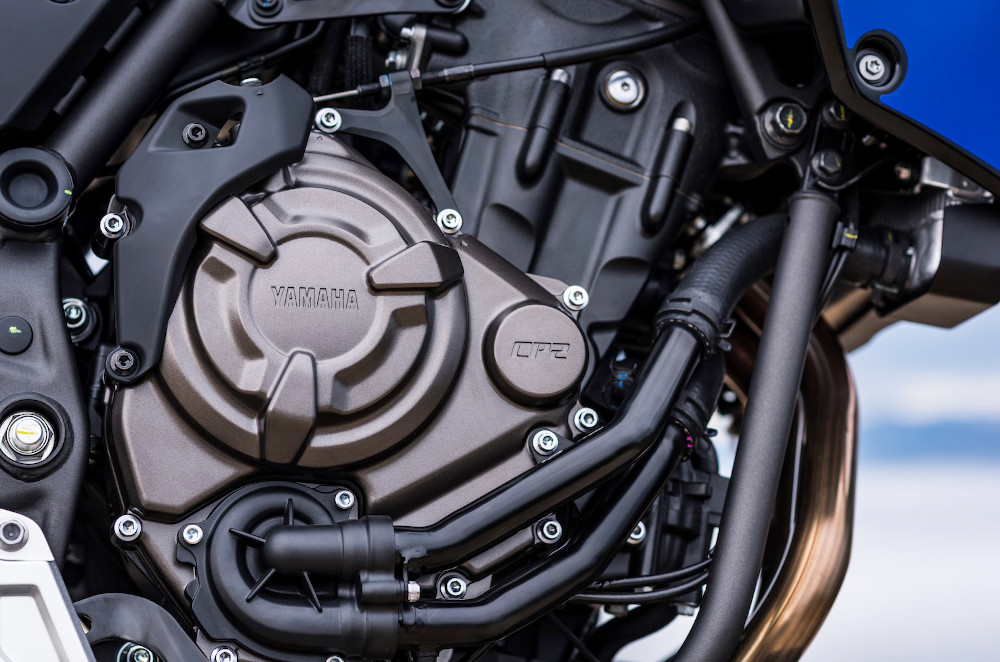
Furthermore, digital security is becoming a critical consideration. GPS tracking systems, remote immobilization, and even over-the-air (OTA) software updates are becoming more common. These features not only offer convenience but also provide enhanced security against theft and ensure the bike’s systems are always running the latest, most efficient software. While these features aren’t exclusive to high-CC bikes, they are often first adopted and more comprehensively integrated into the flagship models, which tend to have larger displacements and command higher price points. The motorcycle, regardless of its CCs, is evolving into a smart device on wheels, deeply intertwined with the digital ecosystem.
The Future of Motorcycle Engineering: AI, Simulation, and Electric Power
Looking ahead, AI tools and advanced simulation software are poised to further revolutionize motorcycle engine design. Engineers can use AI-driven simulations to optimize combustion efficiency, minimize friction, and refine aerodynamics with unprecedented precision, potentially leading to even more power from smaller displacements or vastly improved fuel economy. Predictive maintenance, another application of AI, could analyze riding data to anticipate component failures before they occur, improving reliability and safety.
Moreover, the rise of electric motorcycles presents a paradigm shift away from traditional CC measurements. While electric motors have no displacement, they offer instant torque and variable power delivery, challenging the conventional understanding of “performance.” As battery technology and charging infrastructure evolve, electric bikes, often managed by sophisticated software and AI, will redefine speed, range, and efficiency. This ongoing technological evolution highlights that while CCs remain a foundational metric, the holistic “performance” of a motorcycle is increasingly a symphony of mechanical engineering, sophisticated electronics, and intelligent software.
The Branding and Business of Displacement: More Than Just a Number
Beyond the technical specifications and advanced technology, CCs play a crucial role in how motorcycles are perceived, marketed, and valued within the industry. They profoundly influence brand strategy, marketing, and the broader money aspects of motorcycle ownership.
Crafting Identity: How CCs Shape Brand Perception and Market Positioning
Motorcycle brands often build their entire identity around specific displacement categories. Consider Harley-Davidson, synonymous with large-displacement V-twin engines that deliver a distinctive rumble and abundant low-end torque, embodying a classic American cruising lifestyle. Ducati, on the other hand, frequently positions its brand on high-performance, often mid-to-large CC sportbikes that evoke Italian passion, speed, and cutting-edge design. Japanese manufacturers like Honda and Yamaha offer a wider spectrum, from learner-friendly small CC bikes to powerful liter-class machines, allowing them to appeal to a broader demographic.
CCs directly inform a brand’s target audience. Smaller displacement bikes (under 400cc) are often marketed to new riders, urban commuters, or those seeking fuel efficiency and ease of handling. Mid-range bikes (400cc-800cc) cater to riders looking for a balance of power and practicality, suitable for varied uses. Large displacement bikes (800cc+) are typically aimed at experienced enthusiasts, touring riders, or those who prioritize raw power, luxury, or a specific performance niche. This strategic alignment of CCs with brand image and market segments is a cornerstone of effective motorcycle marketing and plays a huge role in a brand’s corporate identity.
The Financial Gear: Cost, Value, and Economic Considerations
The choice of CCs on a motorcycle has significant financial implications that extend far beyond the initial purchase price.
- Purchase Price: Generally, the higher the CCs, the more expensive the motorcycle. This is due to larger, more complex engines, often coupled with more advanced electronics, premium components, and more sophisticated chassis designs.
- Insurance: Insurance premiums are heavily influenced by engine size and power. Larger CC bikes are often deemed higher risk due to their greater performance potential, leading to substantially higher insurance costs.
- Fuel Economy: Smaller displacement engines are typically much more fuel-efficient, offering lower running costs, which is a major draw for commuters or budget-conscious riders. Larger engines, while powerful, inherently consume more fuel.
- Maintenance: While not always a direct correlation, larger, more complex engines can sometimes incur higher maintenance costs, especially for specialized parts or labor. However, reliability across brands and models can vary widely.
- Resale Value: A motorcycle’s CCs, combined with its brand reputation and overall condition, significantly impact its resale value. Popular mid-range CC bikes often hold their value well due to broad market appeal, while certain flagship high-performance models from premium brands might also retain strong value.
For those considering a motorcycle, understanding these personal finance elements is crucial. The total cost of ownership extends far beyond the showroom floor, making the CC decision a potent financial one.
The Ride as an Investment: Lifestyle, Side Hustles, and Personal Return
While a motorcycle is rarely a traditional financial “investment” that appreciates in monetary value, it can represent a significant lifestyle investment and even open doors to various online income or side hustles.
Choosing a motorcycle with appropriate CCs for your lifestyle can unlock new experiences, freedom, and a sense of community that many find invaluable. For some, a smaller, agile bike might enable daily commuting, saving time and money. For others, a large touring bike might facilitate cross-country adventures, creating cherished memories.
Furthermore, the gig economy has opened avenues for motorcycles to generate income. Riders with suitable CC bikes might engage in delivery services (food, parcels), or even offer specialized courier services in dense urban areas where agility is paramount. For content creators, a visually appealing or high-performance motorcycle (often with larger CCs) can be a central prop for generating YouTube videos, social media content, or blog posts, potentially creating an online income stream. Even for personal use, a well-maintained, reliable motorcycle (regardless of CCs) can be a practical, enjoyable, and financially sensible choice for transportation, especially when considering the traffic and parking challenges in many urban centers. The “return” on a motorcycle, therefore, can be measured not just in dollars, but in experiences, utility, and newfound opportunities.
Choosing Your Ride: Finding the Right CCs for Your Journey
The decision of what CCs to choose for your motorcycle is deeply personal, a blend of practical considerations, riding aspirations, and an understanding of how tech, brand, and money intertwine.
Factors to Consider: Rider Skill, Intended Use, and Personal Preference
- Rider Skill: Beginners are generally advised to start with smaller displacement bikes (e.g., 250-500cc). These bikes are lighter, more forgiving, and easier to handle, allowing new riders to develop fundamental skills safely. As experience grows, moving to larger CCs can be a natural progression.
- Intended Use: Your primary riding purpose should guide your CC choice.
- Commuting/Urban Riding: Smaller CC (125-400cc) bikes are typically nimble, fuel-efficient, and easy to maneuver in traffic.
- Touring/Long Distance: Mid to large CC (600cc+) bikes offer comfort, power for highways, and often more luggage capacity.
- Sport/Track: High CC (600cc+) sportbikes are designed for performance, speed, and agility, often pushing the limits of engine power.
- Off-Road/Adventure: CCs can vary widely (250cc to 1200cc+), with a focus on suspension travel, ground clearance, and robust engine characteristics suited for varied terrains.
- Personal Preference: Ultimately, how a bike feels, its aesthetics, and the emotional connection you form are paramount. Some riders prefer the forgiving nature of a smaller engine, while others crave the raw power and presence of a large one.

The Interplay of Tech, Brand, and Budget
When making your final decision, consider how all the elements we’ve discussed come together. A bike with a lower CC count might surprise you with its technological sophistication (EFI, ABS, ride modes), offering an experience that belies its size. The brand you choose will significantly influence not only the bike’s design and reputation but also its price point and after-sales support. And, of course, your budget – encompassing purchase price, insurance, fuel, and maintenance – will be a decisive factor in what CCs are financially feasible and sustainable for you.
In conclusion, CCs on a motorcycle are far more than a simple engine specification. They are a gateway to understanding a complex interplay of mechanical engineering, advanced digital technology, strategic brand positioning, and significant financial commitments. By grasping these interconnected dimensions, you can make an informed decision, ensuring your chosen ride truly aligns with your aspirations, skills, and lifestyle, embarking on a journey that is as exhilarating as it is intelligent.
aViewFromTheCave is a participant in the Amazon Services LLC Associates Program, an affiliate advertising program designed to provide a means for sites to earn advertising fees by advertising and linking to Amazon.com. Amazon, the Amazon logo, AmazonSupply, and the AmazonSupply logo are trademarks of Amazon.com, Inc. or its affiliates. As an Amazon Associate we earn affiliate commissions from qualifying purchases.