
The wagging tail, the playful antics, the comforting presence — dogs are an integral part of our lives, offering unconditional love and companionship. As they grow older, however, many pet parents begin to wonder: at what point does my beloved canine companion transition into their senior years? The answer, while seemingly straightforward, is surprisingly nuanced, influenced by a blend of biological factors, breed-specific traits, and increasingly, by insights gleaned from modern technology and a holistic understanding of their well-being. This article will explore the multifaceted definition of a senior dog, delving into how this understanding is shaped, and crucially, how aspects of technology, brand strategy, and financial foresight play pivotal roles in ensuring a dignified and fulfilling twilight for our four-legged friends.

The Evolving Definition: More Than Just a Number
Pinpointing the exact age a dog becomes “senior” isn’t as simple as marking a date on a calendar. While general guidelines exist, the concept is far more fluid, reflecting individual health, genetics, and importantly, breed size. Understanding this evolving definition is the first step in providing appropriate care and recognizing the subtle shifts that herald a new stage of life for our pets.
Breed Size Matters
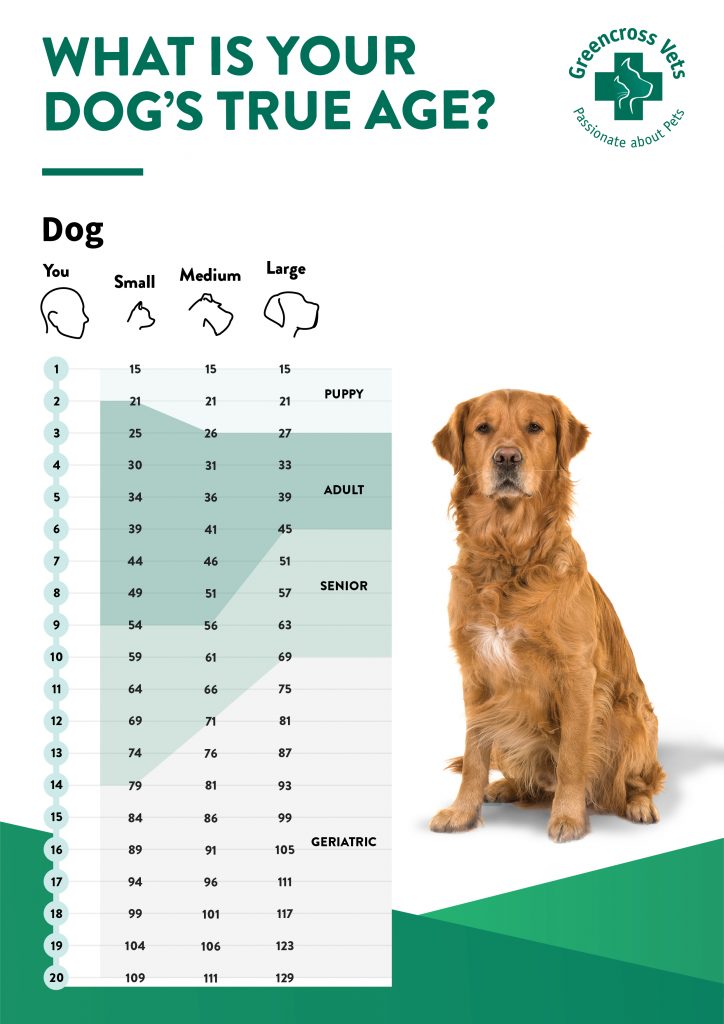
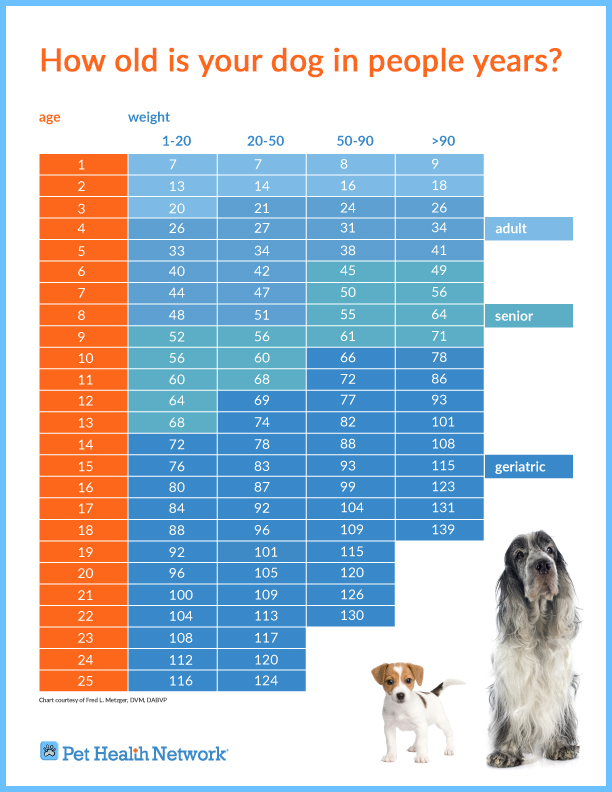
One of the most significant factors influencing when a dog is considered senior is its breed size. The adage “one dog year equals seven human years” is a vast oversimplification. In reality, smaller dogs tend to live longer and age more slowly than their larger counterparts.
- Small Breeds (e.g., Chihuahuas, Toy Poodles, Dachshunds): These dogs typically enter their senior years around 10-12 years of age. Their smaller size often means less stress on their joints and organs over time, contributing to a longer lifespan. Owners of small breeds might notice subtle changes in energy or joint stiffness closer to the double-digit mark.
- Medium Breeds (e.g., Beagles, Bulldogs, Border Collies): For medium-sized dogs, seniority usually begins between 8-10 years of age. While still relatively robust, they start showing signs of aging earlier than small breeds, with changes in metabolism and activity levels becoming more noticeable.
- Large Breeds (e.g., German Shepherds, Labrador Retrievers, Golden Retrievers): Large breeds often reach their senior status around 6-8 years of age. Their accelerated growth and heavier body weight can put more strain on their skeletal and cardiovascular systems, leading to a shorter overall lifespan and an earlier onset of age-related conditions.
- Giant Breeds (e.g., Great Danes, Irish Wolfhounds, Mastiffs): Giant breeds have the shortest lifespans and are considered senior remarkably early, often at 5-6 years of age. Their immense size and rapid growth put immense stress on their bodies from a young age, making early senior care a critical component of their well-being.
The physiological reasons behind these differences are complex, often relating to metabolic rates, cell regeneration, and the burden placed on vital organs. Regardless of size, recognizing these breed-specific timelines is crucial for proactive care.
Beyond Age: Observing Seniority in Behavior and Health
While age provides a benchmark, the true indicators of a dog entering its senior years are often behavioral and physical changes. A dog’s chronological age might suggest seniority, but their biological and functional age — how their body is actually performing — is arguably more important. Pet parents are the primary observers of these critical shifts.
Common signs of aging include:
- Slowing Down: Reduced energy levels, less enthusiasm for walks or playtime, increased napping.
- Joint Issues: Stiffness, difficulty standing up or climbing stairs, reluctance to jump. This can manifest as arthritis or other musculoskeletal problems.
- Cognitive Changes: Disorientation, altered sleep cycles, reduced responsiveness, increased anxiety, house-soiling accidents, or staring blankly at walls (often referred to as Canine Cognitive Dysfunction, similar to Alzheimer’s in humans).
- Sensory Decline: Diminished sight (cloudy eyes, bumping into objects) or hearing loss (not responding to commands, being easily startled).
- Weight Changes: Unexplained weight loss or gain, which can indicate metabolic shifts or underlying health issues.
- Dental Problems: Bad breath, difficulty eating, or pawing at the mouth.
- Changes in Coat or Skin: Dry, dull fur, lumps, or lesions.
Observing these signs, sometimes subtle at first, is paramount. Regular veterinary check-ups become even more vital in these years, allowing professionals to identify and manage age-related conditions early, thereby improving the dog’s quality of life. This proactive approach, blending astute observation with expert medical intervention, forms the cornerstone of effective senior dog care.
Leveraging Technology for Senior Canine Care
In an increasingly connected world, technology offers an unprecedented array of tools to support the health and well-being of our senior canine companions. From monitoring their vital signs to aiding in daily routines, tech innovations are transforming how we approach senior dog care, making it more informed, efficient, and proactive. This integration of gadgets, software, and AI reflects broader “Tech” trends, proving that digital solutions aren’t just for humans.
Smart Devices for Monitoring Senior Dog Health
The proliferation of wearable technology and smart home devices extends seamlessly into the realm of pet care, offering peace of mind and valuable data for owners of senior dogs. These tools provide continuous insights that traditional vet visits, though crucial, cannot capture alone.
- Wearable Trackers: Much like human fitness trackers, pet-specific wearables have become sophisticated. GPS trackers are invaluable for senior dogs prone to disorientation or wandering, providing real-time location data and geofencing capabilities that alert owners if their dog leaves a predefined safe zone. Activity monitors, often integrated into collars or harnesses, track sleep patterns, rest durations, and activity levels. A sudden drop in activity, an increase in restlessness, or changes in sleep duration can be early indicators of pain, discomfort, or cognitive decline. This data, accessible via accompanying apps, allows owners to identify subtle changes and discuss them with their vet, leveraging “gadgets” and “apps” for early detection.
- Smart Home Integration: Pet cameras with two-way audio and video capabilities allow owners to monitor their senior dog’s behavior while away from home. These cameras can detect barking, movement, and even provide a way to check in visually, ensuring the dog is comfortable and safe. Automatic feeders, connected to apps, ensure precise portion control, which is vital for senior dogs with specific dietary needs or those requiring medication at set times. Some models even dispense medication along with food, serving as a reliable “productivity” tool for busy owners. These devices tap into broader “technology trends” of interconnected living.
- Digital Health Records & Telemedicine: Software solutions and dedicated apps are revolutionizing how pet health information is managed. Owners can maintain comprehensive digital health records, logging vet visits, medication schedules, vaccination histories, and even symptoms. This centralized data allows for better communication with veterinarians and ensures continuity of care. The rise of telemedicine for pets means that routine check-ups or initial consultations for non-emergency issues can sometimes be conducted virtually, saving stress on older dogs and their owners. “Digital security” is paramount here, ensuring sensitive pet health data is protected, while “software” and “AI tools” may eventually assist in analyzing these records for predictive health insights.
AI and Software for Predictive Senior Dog Wellness
Beyond mere monitoring, artificial intelligence (AI) and advanced software are emerging as powerful allies in proactive senior dog wellness. These tools harness data to identify patterns and predict potential health issues before they become critical.
- AI-Driven Diagnostics and Predictive Analytics: Imagine an AI tool analyzing data from your dog’s wearable, combined with their digital health records, to spot nascent signs of arthritis, cardiac issues, or cognitive decline. By identifying subtle changes in gait, heart rate variability, or sleep architecture that might be imperceptible to the human eye, AI can flag potential problems, prompting earlier veterinary intervention. This represents a significant leap in “AI tools” for health, moving from reactive treatment to proactive prevention. For instance, AI could analyze a dog’s vocalizations for signs of pain or distress that untrained ears might miss.
- Specialized Apps for Senior Dog Management: The app ecosystem offers a variety of tools tailored for senior pets. Medication reminder apps ensure that daily supplements and prescriptions are never missed. Cognitive enrichment apps offer interactive games designed to keep senior dogs mentally stimulated, helping to slow cognitive decline. Even “productivity” apps can be adapted by owners to track their dog’s daily routines, water intake, and elimination patterns – crucial indicators of health in older pets. Tutorials available online help owners maximize the utility of these apps and gadgets, empowering them to provide superior care.
By embracing these technological advancements, pet parents are not just treating symptoms but are actively investing in the long-term well-being and improved quality of life for their senior dogs, turning data into actionable insights for better care.
The “Brand” of a Senior Dog: Care, Community, and Legacy
The journey with a senior dog isn’t just a personal one; it’s increasingly becoming a visible and influential “brand” within the pet care industry and online communities. This “Brand” encompasses everything from advocacy and specialized product development to the personal narratives shared by pet parents, shaping perceptions and fostering a culture of empathy and dedicated care for aging canines.
Building a Positive “Brand” Around Senior Dog Ownership
The collective effort to highlight the value and unique needs of senior dogs has coalesced into a powerful “brand” that champions their welfare. This is evident in various facets of the pet world.
- Advocacy & Awareness Campaigns: Numerous non-profits and individual advocates are building strong “brands” around senior dog adoption. Campaigns like “Adopt Don’t Shop” specifically targeting older dogs use compelling “marketing” and “design” to dispel myths about senior pets (e.g., “they’re too old to train,” “they’ll have too many health issues”) and showcase their many virtues: calmer temperaments, often house-trained, and profoundly grateful. This “brand strategy” aims to shift public “reputation” of senior dogs from perceived burdens to cherished companions, often using “case studies” of successful adoptions to illustrate the profound bond possible.
- Personal Branding for Pet Parents: Social media platforms have become powerful stages for pet parents to share their senior dog journeys. Through blogs, Instagram accounts, YouTube channels, and TikTok videos, owners create their “personal branding” by documenting the joys, challenges, and specialized care involved in living with an older dog. This content often educates others on topics like managing canine arthritis, recognizing cognitive decline, or celebrating small victories. These personal narratives humanize the aging process for pets and inspire a community of like-minded individuals, serving as authentic “marketing” for senior dog care.
- Specialized Products & Services: The increasing awareness around senior dog needs has spurred a dedicated industry creating specialized “brands.” We see senior-specific dog foods formulated for joint health or cognitive support, orthopedic beds, mobility aids (ramps, harnesses), and supplements. Beyond products, services like senior-friendly pet sitting, veterinary acupuncture, hydrotherapy, and specialized grooming cater specifically to older animals. These companies invest heavily in “corporate identity” and “design” to communicate their focus on geriatric pet care, building trust and loyalty among a demographic of pet owners keen on providing the best for their aging companions.
The Emotional and Social “Brand” Impact
The “brand” of a senior dog also resonates deeply on an emotional and social level, defining unique bonds and fostering supportive communities.
- The Unique Bond and Legacy: The relationship with a senior dog is often characterized by a profound, almost telepathic understanding forged over years of shared experiences. This deep connection becomes a “legacy” that enriches the owner’s life, teaching patience, unconditional love, and resilience. The “brand” of this love is often so strong that owners find themselves advocating more fiercely for their senior pets, ensuring their comfort and dignity.
- Community Support Groups: Online forums and local support groups dedicated to senior pet owners exemplify the social “brand” of shared experience. Here, pet parents can exchange advice, offer emotional support, and share stories of their aging companions. This “community brand” provides a vital network for navigating the complexities of senior pet care, from managing chronic illnesses to coping with end-of-life decisions. It’s a testament to the idea that no one has to face the challenges of senior pet ownership alone, reinforcing a positive “reputation” for compassionate care.
Ultimately, the “brand” of a senior dog is about recognizing their inherent value, advocating for their needs, and celebrating the wisdom and love they bring to our lives, even as their steps slow and their muzzles whiten.
Financial Considerations and Investments in Senior Dog Care
Just as humans require more comprehensive healthcare and specialized support in their later years, so too do our senior canine companions. This often translates into increased “Money” considerations, moving beyond basic sustenance to encompass a range of medical, dietary, and lifestyle adjustments. Understanding these “financial tools” and planning strategically can alleviate stress and ensure that our dogs receive the best possible care throughout their golden years.
Budgeting for Senior Dog Health and Wellness
As dogs age, the frequency and cost of veterinary care typically increase. Proactive financial planning is essential to manage these expenses without compromising the quality of care.
- Increased Vet Visits: Senior dogs require more frequent check-ups, typically twice a year, to monitor for age-related conditions. These visits often include comprehensive bloodwork, urine tests, and sometimes imaging (X-rays or ultrasounds) to screen for common issues like kidney disease, liver dysfunction, diabetes, and cancer. Each visit, especially with diagnostics, can add up significantly, making it a major component of “personal finance” for pet owners.
- Medications & Supplements: Many senior dogs develop chronic conditions such as arthritis, heart disease, thyroid imbalances, or cognitive dysfunction. Managing these conditions often requires ongoing medication (e.g., NSAIDs for pain, cardiac drugs, thyroid hormones) and specialized supplements (e.g., joint support, omega-3 fatty acids for cognitive health). These recurring costs need to be factored into a regular budget, similar to managing personal health expenses.
- Specialized Diets & Equipment: Senior-specific dog foods are formulated with lower calorie counts, higher fiber, and added nutrients like glucosamine for joint health. Some dogs may require prescription diets for kidney disease, allergies, or gastrointestinal issues. Beyond food, equipment like orthopedic beds, ramps to help them access furniture or vehicles, and even doggy diapers for incontinence can become necessary investments. These are not luxuries but often vital components for maintaining comfort and quality of life.
- Pet Insurance as a Financial Tool: For many, pet insurance becomes an invaluable “financial tool” when a dog enters its senior years. While policies may be more expensive or have exclusions for pre-existing conditions if purchased late, comprehensive coverage can significantly offset the costs of unexpected illnesses, surgeries, or long-term medication. Comparing different plans and understanding their coverage (e.g., accident-only vs. comprehensive, wellness add-ons) is a critical step in “investing” in a senior dog’s future health.
Investing in Quality of Life and End-of-Life Planning
Beyond direct medical expenses, there’s an investment in a senior dog’s overall quality of life and thoughtful planning for the inevitable end-of-life decisions.
- Time Investment and “Return on Investment”: While not directly monetary, the increased time commitment for caring for a senior dog is a significant “investment.” More frequent walks (even if shorter), careful monitoring, administering medication, and providing extra comfort are all efforts that yield an invaluable “return on investment” in the form of continued companionship, loyalty, and the emotional well-being of both pet and owner. For some, this might even open avenues for “online income” or “side hustles” in pet care if their passion for senior dogs turns into a professional offering.
- Financial Planning for the Future: It’s prudent for pet owners to consider setting aside dedicated funds for potential emergencies or end-of-life care. This might include a savings account specifically for pet medical expenses or incorporating pet care into a broader “personal finance” strategy. End-of-life decisions, while painful, often come with associated costs such as euthanasia, cremation, or burial, which can range from a few hundred to over a thousand dollars depending on the services chosen. Having these funds prepared allows owners to make decisions based on compassion rather than financial constraints. “Business finance” principles, adapted for personal pet care, can help structure this planning.
- Alternative Therapies and Comfort Care: Many senior dogs benefit from complementary therapies like acupuncture, chiropractic adjustments, therapeutic massage, or laser therapy for pain management. While these can be costly, they often significantly improve mobility and comfort. Investing in these services is an investment in their continued quality of life, reflecting a broader shift in how we view pet well-being. Some owners might even explore “online income” opportunities related to pet care to help cover these additional costs.
In conclusion, understanding what age a dog is considered senior is multifaceted, encompassing breed-specific timelines and observable physical and behavioral changes. However, truly embracing senior dog care in the modern era means integrating the powerful capabilities of technology for monitoring and predictive wellness, leveraging the growing “brand” of advocacy and specialized products, and making astute financial investments to ensure their comfort, dignity, and a high quality of life. By doing so, we honor the invaluable bond we share with our aging companions, celebrating their wisdom and cherished presence through every golden year.
aViewFromTheCave is a participant in the Amazon Services LLC Associates Program, an affiliate advertising program designed to provide a means for sites to earn advertising fees by advertising and linking to Amazon.com. Amazon, the Amazon logo, AmazonSupply, and the AmazonSupply logo are trademarks of Amazon.com, Inc. or its affiliates. As an Amazon Associate we earn affiliate commissions from qualifying purchases.