
The question “what age are you considered a senior?” might seem straightforward, but its answer is anything but simple. It’s a multi-layered inquiry that delves into legal definitions, social perceptions, cultural norms, and even personal identity. While chronological age provides a numerical benchmark, the concept of “seniority” in the 21st century is far more fluid, encompassing a spectrum of experiences, capabilities, and contributions. As lifespans extend and societal roles evolve, the traditional notions of aging are being profoundly reshaped, especially through the lenses of technology, personal and corporate branding, and sophisticated financial planning. This article will explore the diverse interpretations of “senior” status, examining how it impacts our lives, our finances, our engagement with the digital world, and how we project ourselves and are perceived by others.

The Shifting Sands of Seniority: A Multifaceted Perspective
To pin down a definitive age for “senior” is to miss the broader picture. The concept is a blend of official markers, societal expectations, and individual vitality. What one culture or government defines as elderly can be vastly different from personal experience or perception.
Beyond Chronological Age: Cultural and Personal Definitions
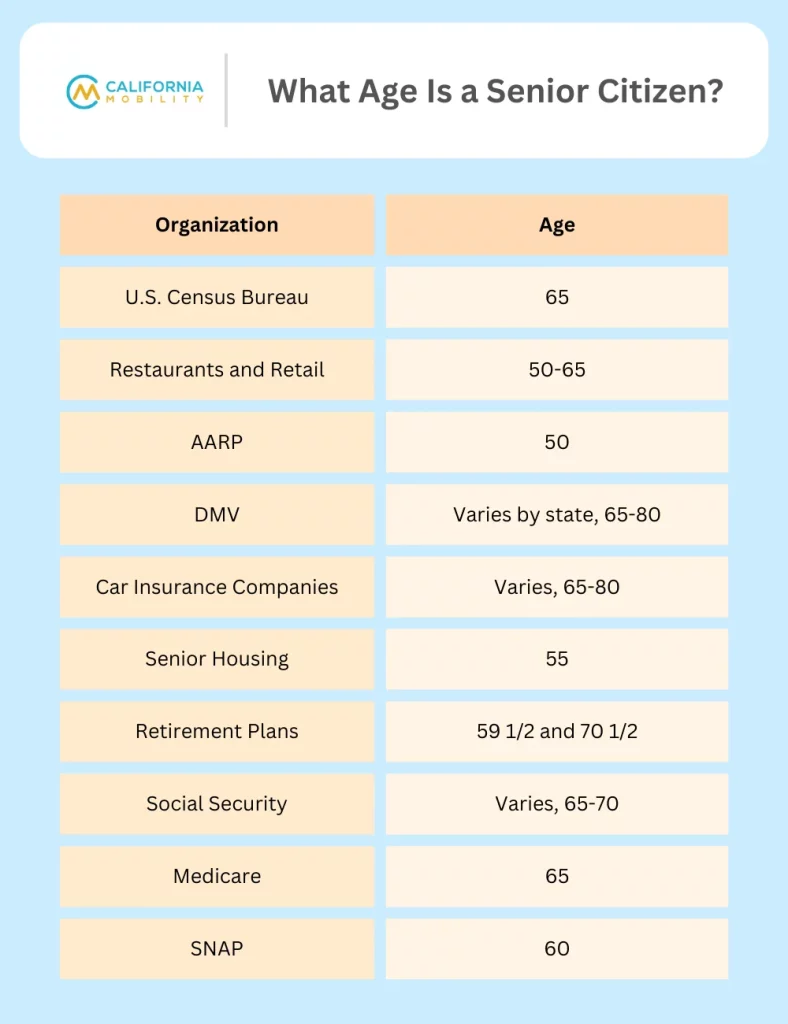
From a purely numerical standpoint, most developed countries tend to set the “senior” threshold between 60 and 67 years old. This range is often tied to retirement age, eligibility for pensions, or access to specific healthcare benefits like Medicare in the United States. However, these are arbitrary lines drawn for administrative convenience, not reflections of an individual’s actual state of being.
Culturally, the perception of age varies dramatically. In some Eastern societies, elders are revered for their wisdom and experience, with “seniority” implying a position of respect and authority, starting much earlier than the Western retirement age. In contrast, Western societies have often grappled with ageism, sometimes equating aging with decline rather than continued growth. Yet, even within Western cultures, this is changing. The rise of “active aging” and the increasing visibility of vibrant, productive older adults challenge these outdated stereotypes.
On a personal level, the age at which one “feels” senior can be entirely subjective. Someone in their late 50s might feel more energetic and youthful than a sedentary person a decade younger. Health, lifestyle, mental outlook, and personal circumstances play a far greater role in self-perception than the number of candles on a birthday cake. This internal barometer often defies external definitions, highlighting the disconnect between biological age (how old your body acts) and chronological age (how many years you’ve lived). For many, the “senior” label might only resonate when specific age-related benefits or challenges become relevant.
The Legal and Social Benchmarks
Despite the personal and cultural nuances, there are undeniable legal and social benchmarks that define “senior” status. These markers, while not universally applicable, often dictate access to certain services and benefits:
- Retirement Age: This is perhaps the most widely recognized benchmark. In many countries, the official retirement age (often 65-67) is when individuals become eligible for full government-provided pensions or social security benefits. For instance, in the U.S., eligibility for full Social Security retirement benefits currently phases in between ages 66 and 67, depending on birth year.
- Healthcare Eligibility: Programs like Medicare in the U.S. typically begin at age 65, providing critical health insurance coverage. Similar public healthcare schemes or senior-specific health benefits kick in around this age in various nations.
- Senior Discounts and Concessions: Many businesses, public transport systems, and entertainment venues offer discounts to seniors, often starting at ages 55, 60, or 65. These serve as tangible acknowledgements of “senior” status.
- Housing and Community Programs: Specialized senior living communities or age-restricted housing often have minimum age requirements, typically 55 or 62, designed to foster environments tailored to an older demographic.
These benchmarks, while providing clarity for administrative purposes, also underscore the complexity. The absence of a single, universal age across all categories means that an individual might be considered a “senior” for a discount at one store but not yet eligible for full retirement benefits from the government, illustrating the fragmented nature of the definition.
The Financial Frontier: Money Matters for the “Senior” Stage
The financial implications of reaching “senior” status are profound and extensive. From navigating eligibility for government benefits to adapting investment strategies and even exploring new avenues for income, the money aspect is central to how we experience and plan for our later years. The topics of personal finance, investing, online income, and business finance become particularly salient as one approaches and enters the senior demographic.
Navigating Retirement and Benefits: When the Numbers Count
The most immediate financial impact of reaching a certain age is eligibility for retirement benefits. Social Security, pensions, and other government-sponsored programs are designed to provide a financial safety net. Understanding the specific age requirements for these benefits is crucial for effective financial planning. For example, claiming Social Security early (e.g., at age 62 in the U.S.) results in reduced monthly payments, while delaying until after your full retirement age can significantly increase them. This strategic decision-making highlights that “seniority” isn’t just a label but a trigger for major financial choices.
Beyond income, healthcare costs become a primary concern. Medicare, for instance, provides essential health coverage for Americans aged 65 and older. However, it’s not without its costs, and supplemental insurance or long-term care planning becomes vital. Financial tools and advisors specializing in elder care planning can help navigate these complex waters, ensuring that seniors can maintain their quality of life without undue financial strain. Furthermore, leveraging senior discounts on everything from transportation to groceries can provide significant savings, stretching retirement budgets further. Staying informed about these entitlements is a key aspect of astute financial management in later life.
Investing for Longevity and Legacy
As individuals transition into their senior years, investment strategies typically shift from aggressive growth to capital preservation and income generation. The “Money” pillar of our website emphasizes smart investing, and for seniors, this means focusing on low-volatility assets, dividend stocks, fixed-income securities, and annuities that provide a steady stream of income. The goal is to ensure that accumulated wealth can sustain a comfortable lifestyle throughout retirement, potentially for several decades.
Beyond personal sustenance, many seniors also consider their financial legacy. Estate planning becomes paramount, involving wills, trusts, and strategies to minimize inheritance taxes. This also includes planning for potential long-term care needs, which can be incredibly expensive. Exploring financial tools that offer projections for various scenarios – from health crises to market downturns – empowers seniors to make informed decisions about their wealth, ensuring both their current well-being and the financial security they wish to leave behind.
Online Income and Side Hustles: The Age of the Experienced Entrepreneur
The traditional view of retirement as a complete cessation of work is increasingly outdated. Many seniors, fueled by improved health, longer lifespans, and a desire for continued engagement and income, are actively pursuing online income streams and side hustles. This aligns perfectly with the “Online Income” and “Side Hustles” sections of our website, demonstrating that age is no barrier to entrepreneurial spirit.
From consulting in their former professional fields to developing online courses, selling crafts on e-commerce platforms, or engaging in freelance writing or graphic design, older adults are leveraging their vast experience and newfound free time. Platforms that connect freelancers with clients, social media for brand building, and online marketplaces for goods and services provide unprecedented opportunities. This trend not only offers financial benefits, supplementing pensions or retirement savings, but also provides intellectual stimulation, a sense of purpose, and continued social engagement, proving that the “senior” stage can be a vibrant period of economic activity and innovation.
Tech and the Golden Years: Empowering a New Generation of Seniors
Technology, a cornerstone of our website’s “Tech” pillar, is rapidly transforming the experience of aging. Far from being a barrier, digital innovations are increasingly empowering seniors, enhancing their independence, improving health outcomes, and fostering stronger connections. Understanding and embracing these tools is crucial for navigating modern life as a senior.
Bridging the Digital Divide: Embracing Modern Tools
Historically, a “digital divide” separated older generations from younger, tech-savvy ones. However, this gap is shrinking rapidly. Today’s seniors are increasingly adept at using smartphones, tablets, and computers for a variety of tasks, from connecting with family and friends via video calls to managing finances through banking apps, ordering groceries online, and accessing telehealth services. The convenience and necessity of digital tools, particularly during times like global pandemics, have accelerated adoption rates among older adults.
For those still learning, accessibility features on modern software and apps are designed to be user-friendly, with larger fonts, voice commands, and simplified interfaces. Tutorials and digital literacy programs, often available through community centers or online platforms, are vital in helping seniors confidently navigate the digital landscape. Embracing these technologies isn’t just about convenience; it’s about maintaining independence, staying informed, and remaining an active participant in an increasingly digital world.
AI, Smart Homes, and Health Tech: Innovations for Independent Living
The confluence of AI, smart home technology, and health gadgets is creating a revolutionary environment for seniors, perfectly aligning with our “AI Tools” and “Gadgets” topics. Smart home devices, such as voice-activated assistants (e.g., Amazon Echo, Google Home), smart thermostats, and automated lighting, enhance comfort and safety. They can help remind seniors about medication, assist with daily tasks, or connect them instantly to emergency services. Digital security systems, another key topic for our “Tech” section, offer peace of mind, allowing families to remotely monitor loved ones’ homes and ensuring safety.
In the realm of health, wearable technology – from smartwatches that track heart rate and detect falls to continuous glucose monitors – provides crucial data for preventive care and remote monitoring. Telehealth services, powered by video conferencing and secure digital platforms, allow seniors to consult with doctors from the comfort of their homes, reducing the need for travel and improving access to specialized care. AI tools are also being developed to assist with cognitive engagement, provide personalized health advice, and even predict potential health issues, transforming how seniors manage their well-being and promote independent living.
Digital Security and Scam Awareness
As seniors increasingly engage with technology, the importance of digital security cannot be overstated. Unfortunately, older adults are often targeted by online scams, phishing attempts, and identity theft. Our “Digital Security” topic is particularly relevant here. Educating seniors on best practices – recognizing suspicious emails, creating strong passwords, being wary of unsolicited calls or messages, and understanding privacy settings – is paramount.
Financial technology (FinTech) tools, while offering convenience for online banking and investing, also require a heightened sense of vigilance. Reputable financial apps often have robust security features, but users must still exercise caution. Regular software updates, using antivirus protection, and avoiding public Wi-Fi for sensitive transactions are essential safeguards. Empowering seniors with knowledge about digital threats and how to mitigate them ensures that their online experiences are not only convenient but also secure.
The Brand of Wisdom: Redefining Seniority in the Modern World
The concept of “senior” is not just about age; it’s also about identity, perception, and influence – elements that are intrinsically linked to our “Brand” pillar. In a world increasingly valuing experience and authenticity, older individuals have a unique opportunity to craft powerful personal brands and challenge outdated notions of aging.
Crafting a Powerful Personal Brand in Later Life
The “Personal Branding” section of our website highlights the importance of strategically presenting oneself. For seniors, this is a powerful tool to redefine their narrative. Rather than retreating, many older adults are choosing to remain active professionally, launch new ventures, or engage in mentorship. A strong personal brand – built on years of accumulated wisdom, specific expertise, and a unique perspective – can open doors to consulting opportunities, speaking engagements, or even a second career.
This involves thoughtfully curating an online presence, leveraging platforms like LinkedIn to showcase experience, skills, and endorsements. Creating a personal website or blog can serve as a hub for thought leadership, sharing insights, and attracting new opportunities. The “Marketing” and “Reputation” aspects of branding become critical here, as seniors actively shape how they are seen by potential clients, collaborators, or employers, projecting an image of vitality, capability, and continued relevance.
Challenging Ageism: Brand Perception and Corporate Identity
The “Brand Strategy” and “Corporate Identity” sections of our website advocate for inclusive and forward-thinking approaches. This is particularly relevant when challenging ageism. For too long, marketing and media have either ignored older demographics or portrayed them with outdated stereotypes. However, the economic power and active lifestyles of modern seniors demand a re-evaluation.
Brands are now recognizing the value of marketing to seniors and with seniors. Campaigns featuring vibrant, diverse older models and influencers resonate more authentically. Companies that champion age diversity in their workforce and leadership also build a stronger, more positive corporate identity. Showcasing the experience and insights of older employees can enhance a company’s reputation, demonstrating a commitment to wisdom and a broad perspective, thereby benefiting from the “Case Studies” of companies that have successfully integrated this approach.
The “Senior” Professional: Experience as a Valuable Asset
It’s crucial to distinguish between being a “senior citizen” in the age-related sense and holding a “senior” professional title, such as a Senior Software Developer or Senior Marketing Strategist. While the latter typically implies extensive experience and leadership within a field, it indirectly speaks to the value of accumulated time and expertise. As per our “Brand” and “Tech” pillars, these roles are often held by individuals who, regardless of their chronological age, possess deep institutional knowledge, problem-solving skills honed over decades, and a steady hand in guiding younger talent.
Many organizations are realizing the immense value of retaining or rehiring older professionals. Their experience can prevent costly mistakes, offer invaluable mentorship, and contribute to a stable and knowledgeable workforce. This “brand of wisdom” is an asset that cannot be quickly replicated. Companies that foster intergenerational collaboration benefit from the energy and innovation of youth combined with the strategic insight and resilience of older professionals, ultimately strengthening their own brand and market position by demonstrating intelligent talent management.

Embracing the Continuum of Seniority
Ultimately, the question “what age are you considered a senior?” has no single, definitive answer. It is a dynamic concept, constantly being redefined by legal frameworks, societal evolution, personal choices, and technological advancements. What is clear is that entering the “senior” phase of life is no longer synonymous with winding down; it is increasingly a period of continued growth, contribution, and reinvention.
Through the lens of Technology, seniors are empowered to live more independently, connect more broadly, and manage their health more effectively than ever before. Smart devices, AI tools, and robust digital security are transforming the daily lives of older adults, making technology an indispensable ally.
From a Money perspective, the senior years represent a critical stage for astute financial planning. Navigating retirement benefits, adapting investment strategies for longevity, and embracing new avenues for online income and side hustles provide a roadmap for financial security and continued prosperity.
And through Brand considerations, seniors are actively shaping their own narratives. By crafting powerful personal brands, challenging ageist stereotypes, and leveraging their unparalleled experience, they are redefining what it means to be older in the 21st century. Their wisdom, resilience, and continued engagement are not just assets for themselves, but invaluable contributions to society and the economy.
The “senior” label, rather than being a fixed boundary, has become a continuum of experience and opportunity. As individuals embrace this evolving definition, they unlock a vibrant, productive, and deeply fulfilling chapter of life, demonstrating that age truly is just a number when it comes to living a life of purpose and impact.
aViewFromTheCave is a participant in the Amazon Services LLC Associates Program, an affiliate advertising program designed to provide a means for sites to earn advertising fees by advertising and linking to Amazon.com. Amazon, the Amazon logo, AmazonSupply, and the AmazonSupply logo are trademarks of Amazon.com, Inc. or its affiliates. As an Amazon Associate we earn affiliate commissions from qualifying purchases.