
New Jersey, a state known for its vibrant economy and diverse landscape, operates under a specific sales tax structure that impacts both its residents and the businesses that serve them. Navigating this landscape, especially for those unfamiliar with its intricacies, can sometimes feel like a complex puzzle. Whether you’re a seasoned shopper, a new resident, or a business owner looking to ensure compliance, understanding the ins and outs of New Jersey’s sales tax is crucial for informed decision-making and avoiding potential pitfalls. This guide aims to demystify the sales tax in the Garden State, covering key aspects relevant to consumers and businesses alike, while also touching upon broader themes of financial literacy and brand reputation.
Understanding the Core of New Jersey’s Sales Tax
At its heart, New Jersey’s sales tax is an excise tax imposed on the sale of tangible personal property and certain services. This revenue serves as a significant funding source for state and local government services, from education and infrastructure to public safety. For consumers, it means a slight increase in the final price of many everyday purchases. For businesses, it represents a significant responsibility in terms of collection, remittance, and compliance.
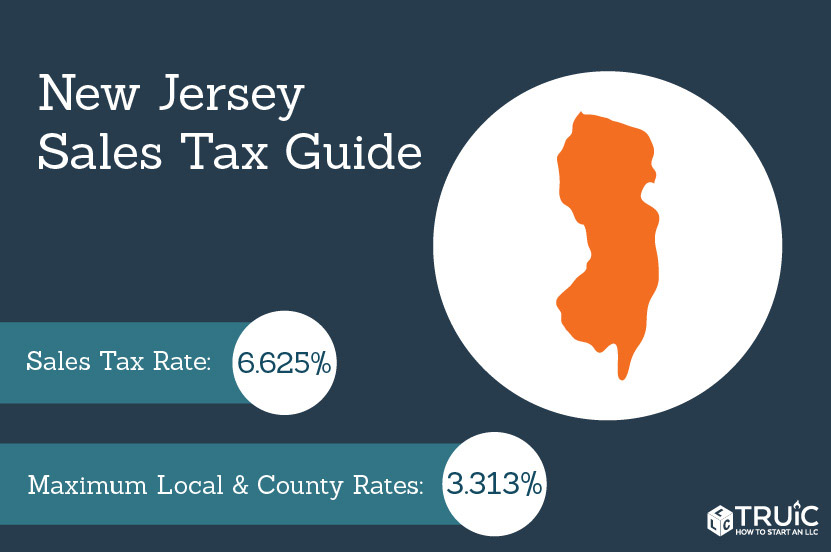
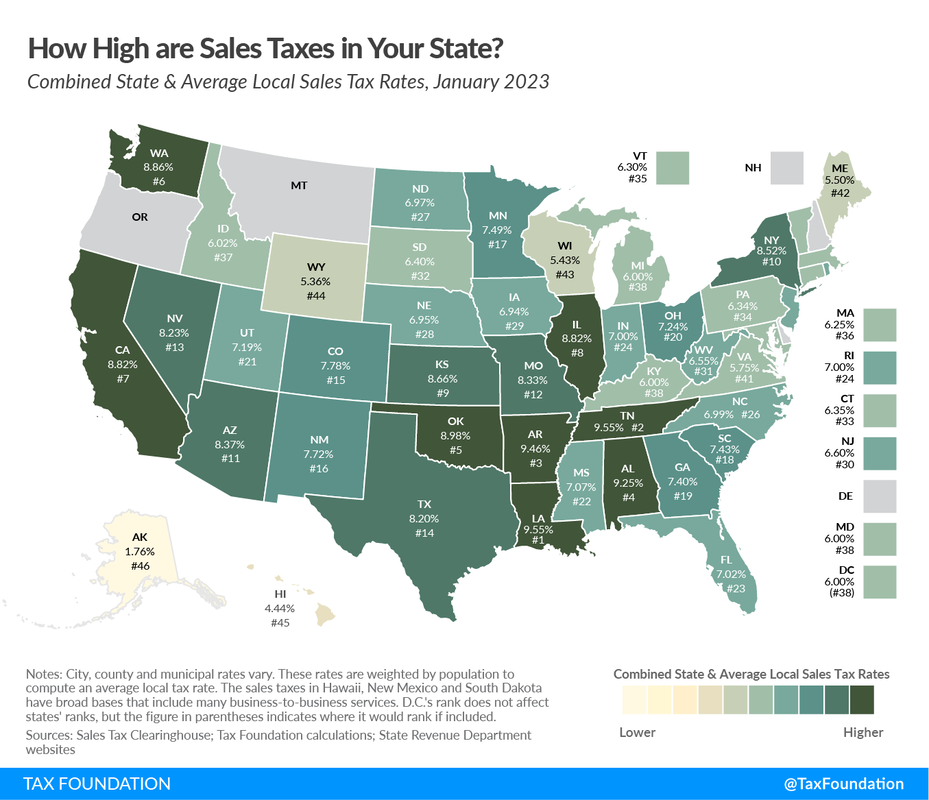
The standard statewide sales tax rate in New Jersey is 6.625%. This rate applies to most retail sales of tangible goods and a select list of taxable services. However, the story of New Jersey’s sales tax is not one of a single, monolithic rate. The state has a history of exemptions and specific provisions that can alter the tax burden on certain transactions.
Exemptions: The Nuances of What’s Taxable and What’s Not
One of the most important aspects of understanding New Jersey sales tax lies in its extensive list of exemptions. These are designed to either alleviate the tax burden on essential goods and services, encourage specific industries, or achieve broader public policy goals. For consumers, knowing these exemptions can lead to significant savings. For businesses, correctly identifying exempt items is paramount to avoiding over-collection and ensuring customer satisfaction.
Essential Goods and Groceries: A cornerstone of New Jersey’s tax policy is the exemption of most food and beverages for home consumption. This means your weekly grocery shopping, from fresh produce to pantry staples, is generally not subject to sales tax. However, it’s important to note that prepared foods, soft drinks, and alcoholic beverages are typically taxable. This distinction is critical; buying a pre-made sandwich from a grocery store deli will likely incur sales tax, while the ingredients to make that sandwich at home will not. This exemption reflects a societal commitment to making basic necessities more accessible.
Clothing and Footwear: New Jersey is known for its relatively favorable tax treatment of clothing and footwear. Most apparel and shoes intended for everyday wear are exempt from sales tax, regardless of price. This exemption has historically been a significant draw for shoppers from neighboring states with higher sales tax rates on these items. However, this exemption does have its limits. Specialized athletic wear, formal wear like tuxedos, or accessories like jewelry may fall outside of this broad exemption.
Prescription Medications and Medical Supplies: Health and well-being are prioritized, and as such, prescription drugs and most medical supplies are exempt from New Jersey sales tax. This crucial exemption ensures that essential healthcare items are as affordable as possible for those who need them. Over-the-counter medications and general health-related products may be taxable, so it’s always wise to check specific items.
Services: A Mixed Bag: While the sale of tangible goods forms the bulk of sales tax collection, New Jersey also taxes certain services. The specific list of taxable services is not exhaustive and can evolve. Common taxable services include:
- Advertising and Public Relations Services: Fees associated with advertising campaigns, media placement, and public relations efforts are generally taxable.
- Contractor Services on Real Property: While the sale of tangible personal property is taxable, services performed by contractors on real property can have complex tax implications. Generally, contractors who improve or repair real property act as consumers of the materials they use and pay sales tax on those materials. However, the specifics can vary, and consulting tax professionals is often recommended for large projects.
- Certain Information Services: Services that provide access to or processing of information can be subject to sales tax.
- Telecommunication Services: While some aspects of telecommunications have been subject to change and regulatory shifts, many services, including local and long-distance phone calls, internet access, and cable television, are taxable.
- Repair Services on Tangible Personal Property: When you get your electronics or appliances repaired, the labor and parts associated with those services are generally taxable.
It’s vital for both consumers and businesses to stay updated on the latest regulations regarding taxable services, as these can be subject to amendments.
The Role of Technology and Brand in Sales Tax Compliance
Understanding sales tax is not just a matter of basic accounting; it intersects with modern business operations in significant ways, particularly in the realms of technology and brand management.
Leveraging Technology for Sales Tax Management
For businesses operating in New Jersey, effectively managing sales tax collection and remittance is a complex but essential task. The advent of sophisticated technology has revolutionized how businesses approach this challenge.
Automated Sales Tax Software: Gone are the days of solely relying on manual calculations and spreadsheets. Modern sales tax software can automate the entire process. These platforms can:
- Calculate Tax in Real-Time: As transactions occur, the software automatically determines the correct sales tax rate based on the item’s taxability, the buyer’s location, and any applicable exemptions.
- Track Taxable Items and Services: Businesses can configure their product and service catalogs within the software, assigning correct tax codes to each item. This reduces the risk of human error.
- Generate Reports for Filing: The software can generate detailed reports that simplify the filing process with the New Jersey Division of Taxation.
- Manage Multiple Jurisdictions: For businesses selling across state lines, this technology is invaluable for navigating varying sales tax laws in different states, not just New Jersey.
E-commerce and Nexus: The rise of e-commerce has brought about new complexities. The concept of “nexus” – a sufficient physical presence or economic activity within a state that triggers tax obligations – has been significantly expanded. Online retailers, even if they don’t have a physical storefront in New Jersey, may be required to collect and remit sales tax if they meet certain sales thresholds (economic nexus). Technology plays a critical role in identifying these obligations and ensuring compliance.
Digital Security and Data Protection: When dealing with financial transactions and customer data, digital security is paramount. Implementing robust security measures to protect customer information, including payment details and tax identification numbers, is not only a legal requirement but also crucial for maintaining customer trust and brand reputation.
Building Brand Trust Through Transparent Tax Practices
A business’s approach to sales tax can have a direct impact on its brand image and customer perception. Transparency and fairness in taxation are key components of building a positive brand.
Clear Communication with Customers: Businesses should strive to make sales tax clear to their customers. This might involve:
- Itemized Receipts: Clearly showing the sales tax amount on customer receipts helps customers understand what they are being charged.
- Website Disclaimers: For online businesses, clear disclaimers about sales tax obligations can manage customer expectations.
- Customer Service Training: Ensuring customer service representatives are knowledgeable about sales tax policies can help them answer customer queries effectively and build trust.
Ethical Tax Practices: Beyond legal compliance, businesses that proactively engage with tax laws and aim for ethical practices contribute to a stronger brand reputation. This includes:
- Staying Informed: Regularly updating knowledge about New Jersey’s sales tax laws and exemptions demonstrates a commitment to responsible business operations.
- Seeking Professional Advice: For complex tax situations, engaging with qualified tax professionals not only ensures compliance but also signals a dedication to doing things correctly.
- Avoiding Aggressive Tax Avoidance: While tax optimization is a legitimate business practice, overtly aggressive or questionable tax avoidance strategies can harm a brand’s reputation if they become public.
Financial Literacy and the Sales Tax Landscape
The concept of sales tax, while seemingly straightforward, is an excellent entry point into broader discussions about financial literacy for both individuals and businesses.
For Individuals: Making Informed Spending Decisions
For consumers, understanding sales tax is a fundamental aspect of personal finance. It directly impacts the cost of goods and services, influencing purchasing decisions and overall budget management.
Budgeting with Sales Tax in Mind: When creating a budget, it’s important to factor in the sales tax that will be added to many purchases. This ensures that the amount allocated for discretionary spending is realistic. For example, if a desired item costs $100 and the sales tax is 6.625%, the actual cost will be $106.62. This seemingly small addition can accumulate over time.
Smart Shopping Strategies: Knowing about New Jersey’s exemptions can empower consumers to shop smarter. Prioritizing purchases of exempt items, such as groceries and clothing, can lead to tangible savings. Additionally, being aware of potential sales tax holidays or promotional periods can further enhance savings.
Understanding the “True Cost”: The sales tax is a component of the “true cost” of a product or service. By considering this additional expense, consumers can make more informed decisions about value and affordability. This aligns with the principles of smart investing, where understanding all associated costs is crucial for evaluating potential returns.
For Businesses: The Financial Implications of Tax Compliance
For businesses, sales tax compliance is not merely an administrative burden; it has direct financial implications.
Cash Flow Management: Businesses collect sales tax on behalf of the state. This collected money is essentially a liability until it is remitted to the government. Proper cash flow management is essential to ensure that these funds are available when remittance is due. Delays in remittance can lead to penalties and interest.
Impact on Pricing and Profitability: The sales tax rate can influence pricing strategies. While businesses cannot charge more than the legally mandated tax, they must account for the collection and remittance costs associated with it. For businesses operating on thin margins, understanding these costs is vital for maintaining profitability.
Understanding the Economic Impact: The revenue generated from sales tax plays a crucial role in funding public services that businesses and individuals rely on, such as infrastructure, education, and public safety. This understanding fosters a sense of civic responsibility and contributes to a positive perception of businesses that operate ethically within the state’s financial framework.
Conclusion: Navigating New Jersey’s Sales Tax with Confidence
In conclusion, the sales tax in New Jersey, at its standard rate of 6.625%, is an integral part of the state’s fiscal structure. However, its impact is nuanced, shaped by a range of exemptions for essential goods like groceries, clothing, and prescription medications, as well as specific taxable services. For consumers, understanding these exemptions is key to smart spending and effective budgeting. For businesses, mastering sales tax compliance is not just a legal obligation but a critical component of sound financial management, technological integration, and brand reputation.
By leveraging technology for automated calculations, staying informed about evolving regulations, and prioritizing transparency with customers, businesses can navigate the complexities of New Jersey’s sales tax with confidence. This commitment to understanding and adherence ultimately contributes to a more robust and trustworthy business environment. Ultimately, a well-informed approach to sales tax empowers both individuals and businesses to participate more effectively in New Jersey’s dynamic economy.
aViewFromTheCave is a participant in the Amazon Services LLC Associates Program, an affiliate advertising program designed to provide a means for sites to earn advertising fees by advertising and linking to Amazon.com. Amazon, the Amazon logo, AmazonSupply, and the AmazonSupply logo are trademarks of Amazon.com, Inc. or its affiliates. As an Amazon Associate we earn affiliate commissions from qualifying purchases.